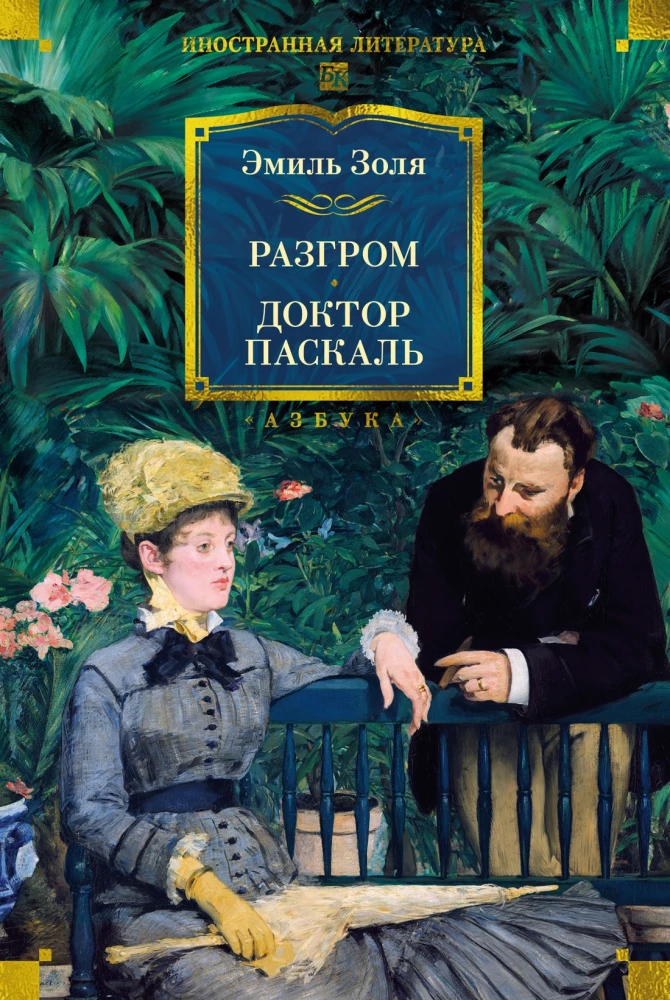
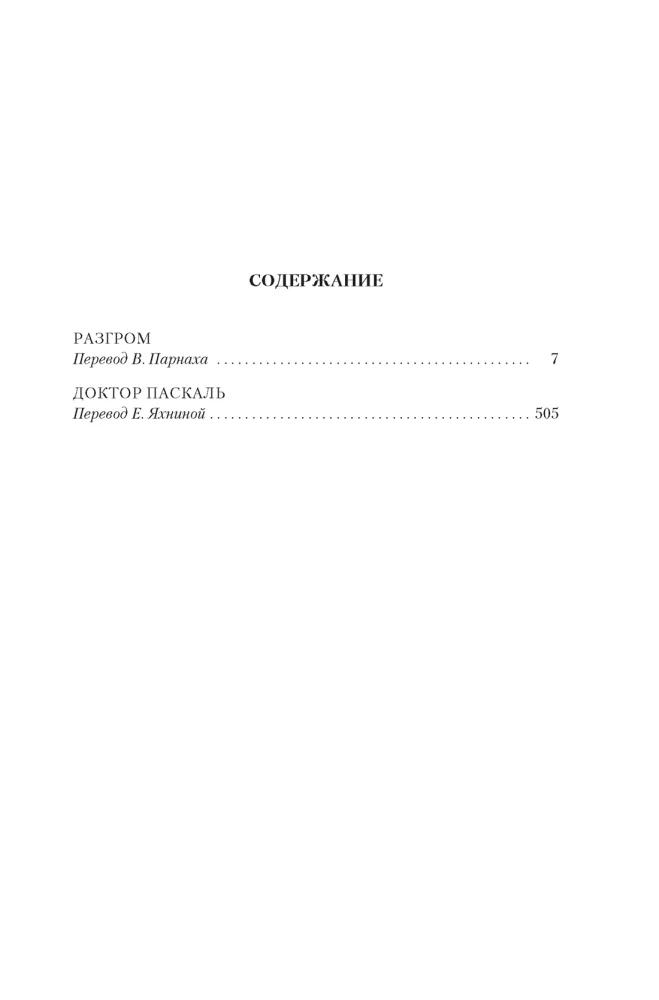
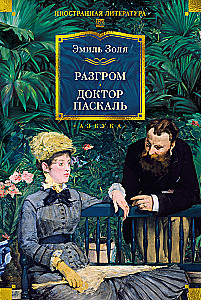
Defeat. Doctor Pascal
Author: Эмиль Золя
Printhouse: Azbuka
Series: Foreign Literature. Big Books
Age restrictions: 16+
Year of publication: 2026
ISBN: 9785389313576
Number of pages: 832
Size: 210х150х43 mm
Cover type: hard
Weight: 978 g
ID: 1733268
Émile Zola is one of the pillars of world realistic literature, the founder and theorist of naturalism, an enthusiastic researcher of everyday life, a passionate human rights advocate and publicist, who influenced all realistic literature of the 20th century. His most famous work is the epoch-making twenty-volume cycle "Les Rougon-Macquart," which reveals to the reader an endless panorama of human vices and virtues against the backdrop of the Second Empire. It is a genuine encyclopedia of life in Paris and the French provinces through the lens of several generations of one family, which bore the strangest fruits.
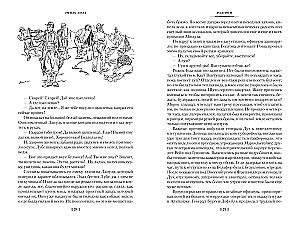
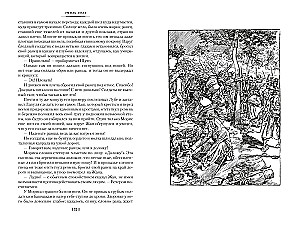
This illustrated edition includes the novels "Defeat" (1892) and "Doctor Pascal" (1893), which occupy, according to the order prescribed by the author, the nineteenth and twentieth places, completing the cycle "Les Rougon-Macquart."
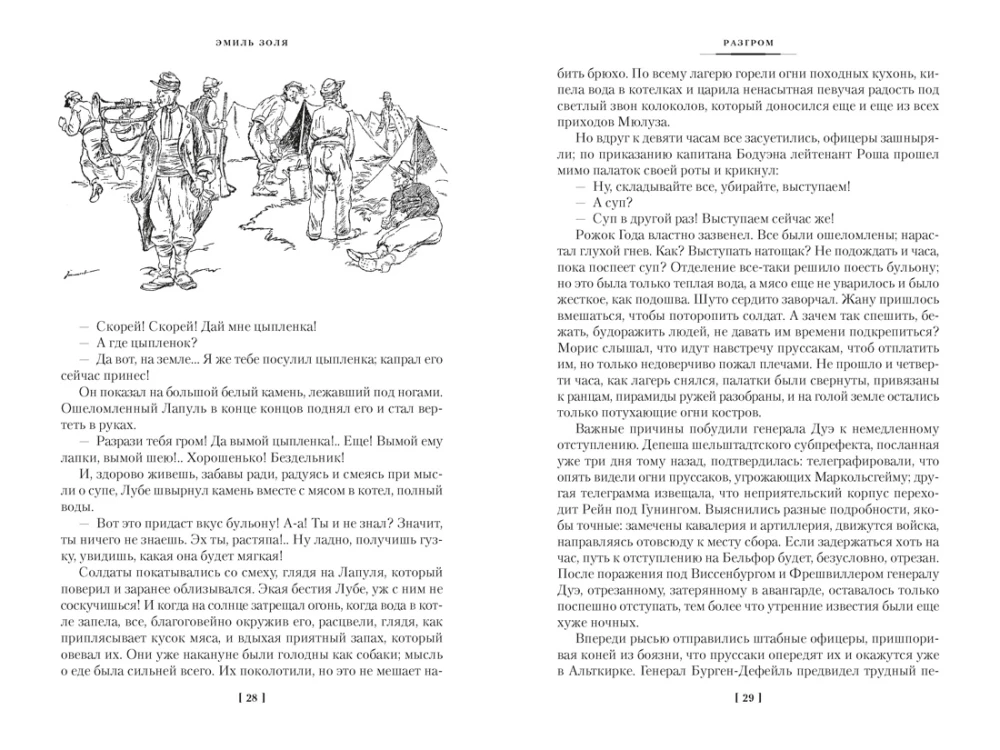
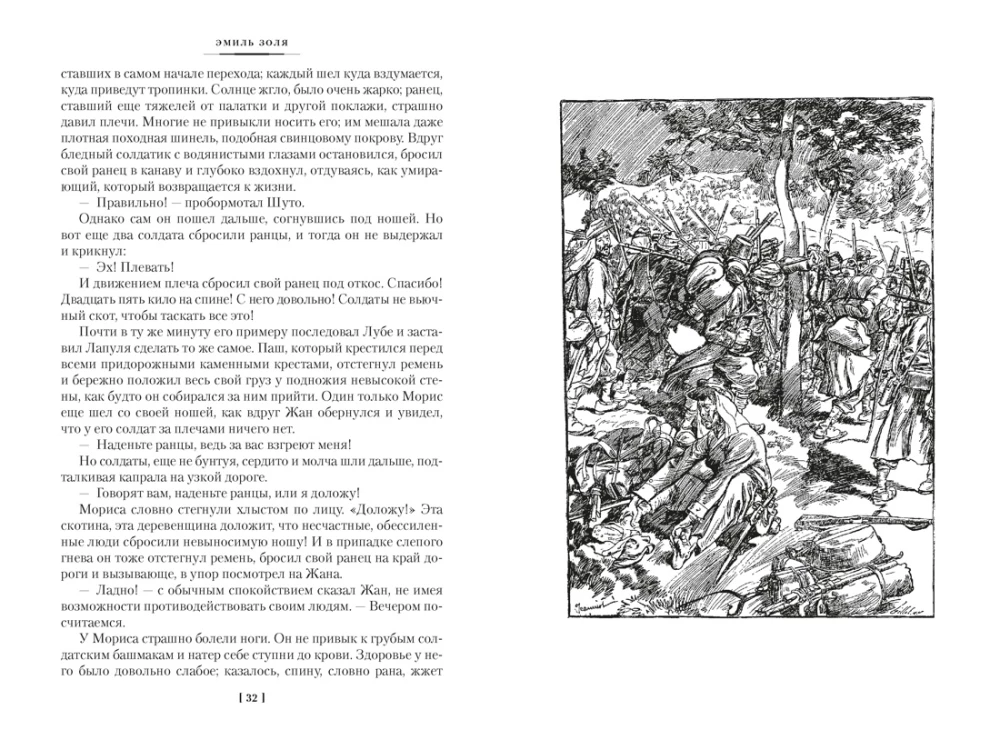
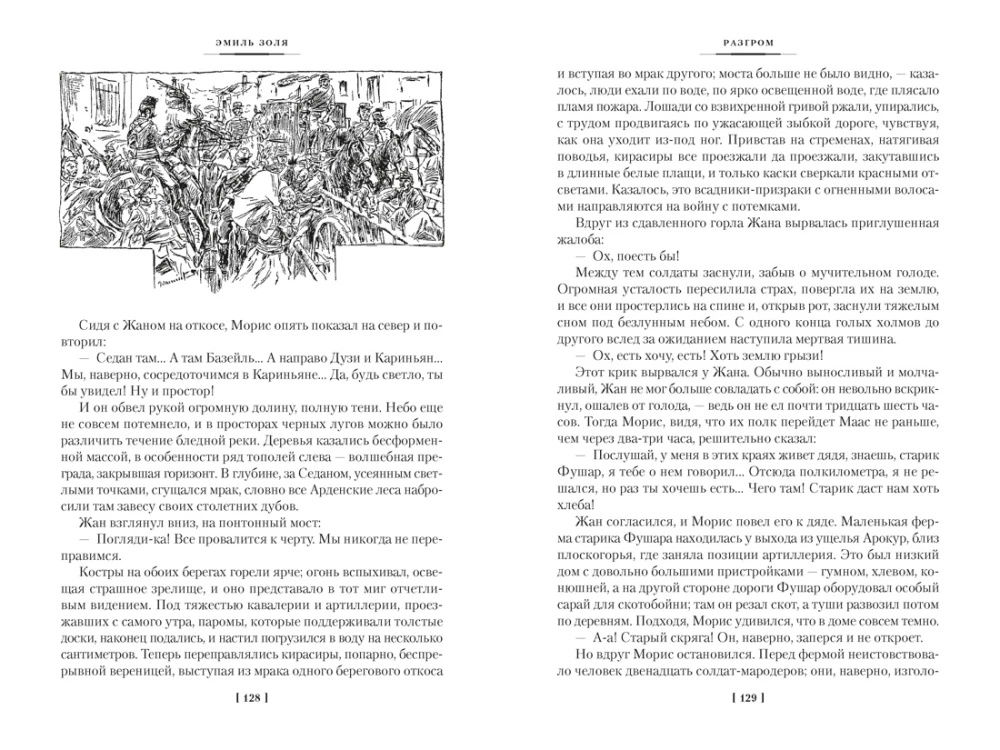
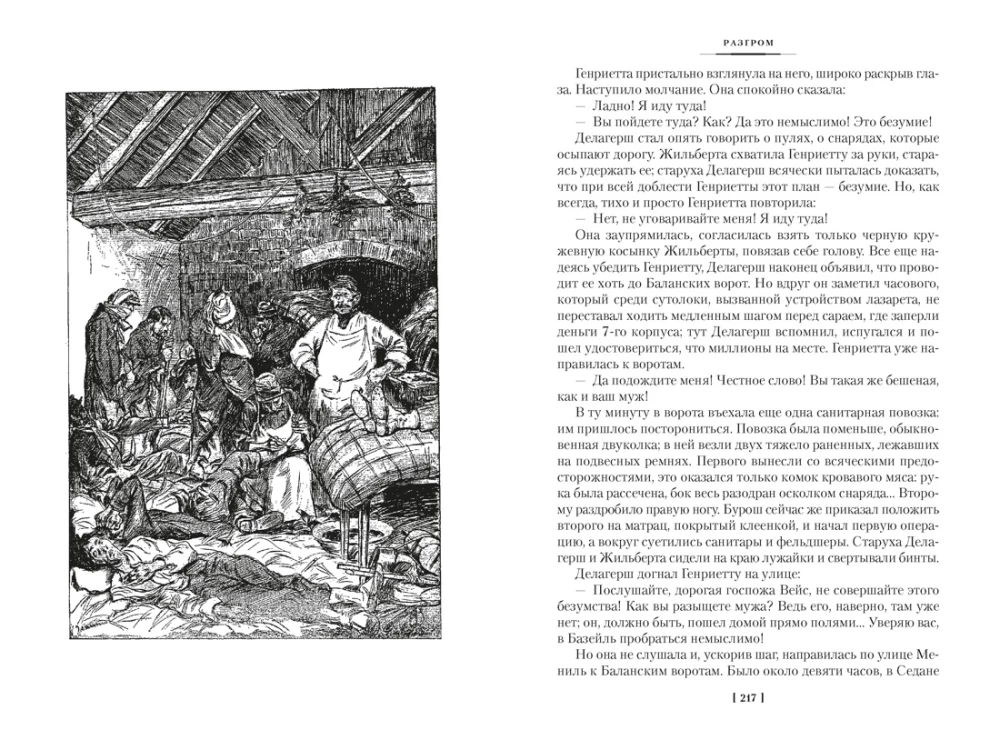
Jean Macquart, already familiar to readers from the novel "The Earth," disillusioned with rural life, returns to the army, where he helplessly observes the collapse of the Empire and the defeat of its armies. The dramatic events of the Paris Commune turn Jean's life upside down; however, the fall of the Empire, this colossus on clay legs, offers hope for a new beginning.
The action of the novel "Doctor Pascal" takes place in the early 1870s, after the fall of the Second Empire, the historical backdrop against which the cycle unfolds. The research of Doctor Pascal Rougon, who leads a quiet life as a scholar in Plassans and studies the heredity of his family, summarizes the grand chronicle of the Rougon-Macquart clan, which Émile Zola labored over for more than twenty years.