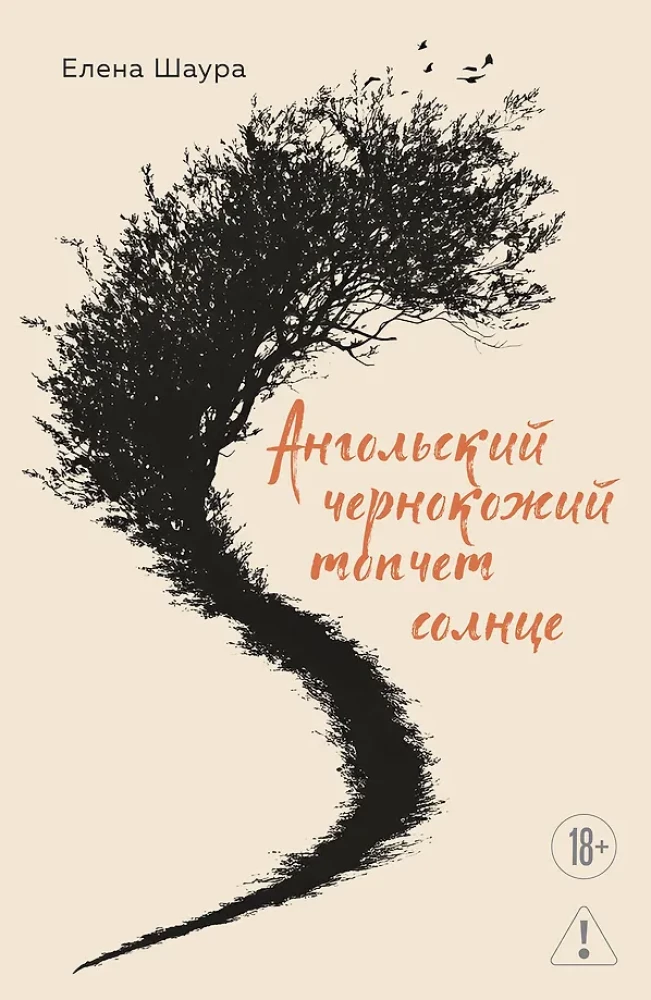
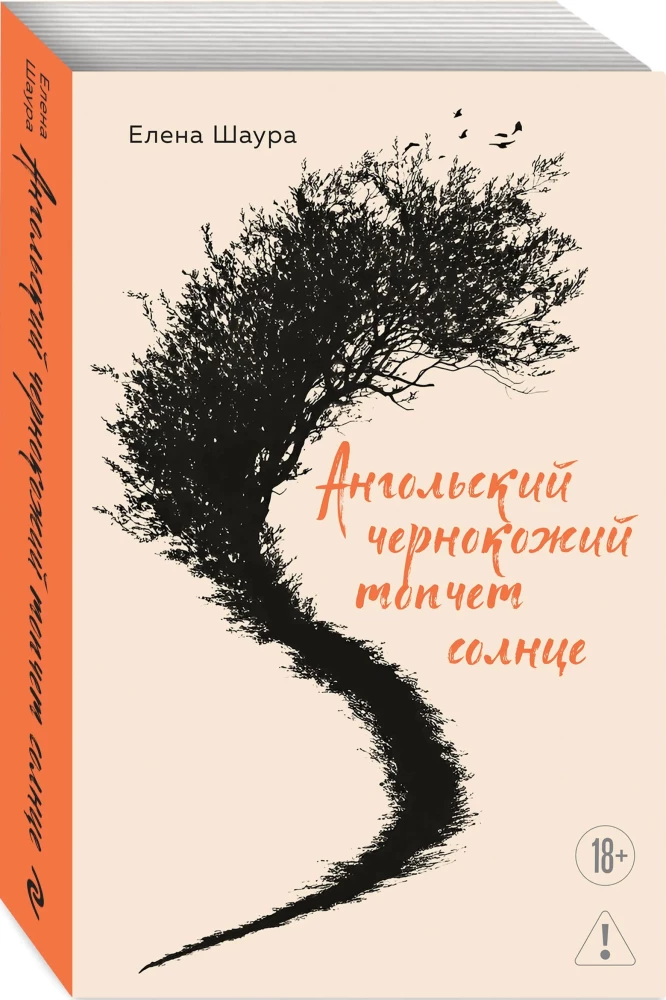
Angolan Black Man Tramples the Sun
Author: Елена Шаура
Printhouse: Eksmo
Series: Masters of Prose
Age restrictions: 18+
Year of publication: 2025
ISBN: 9785605378808
Number of pages: 352
Size: 212х139х29 mm
Cover type: soft
Weight: 329 g
ID: 1733045
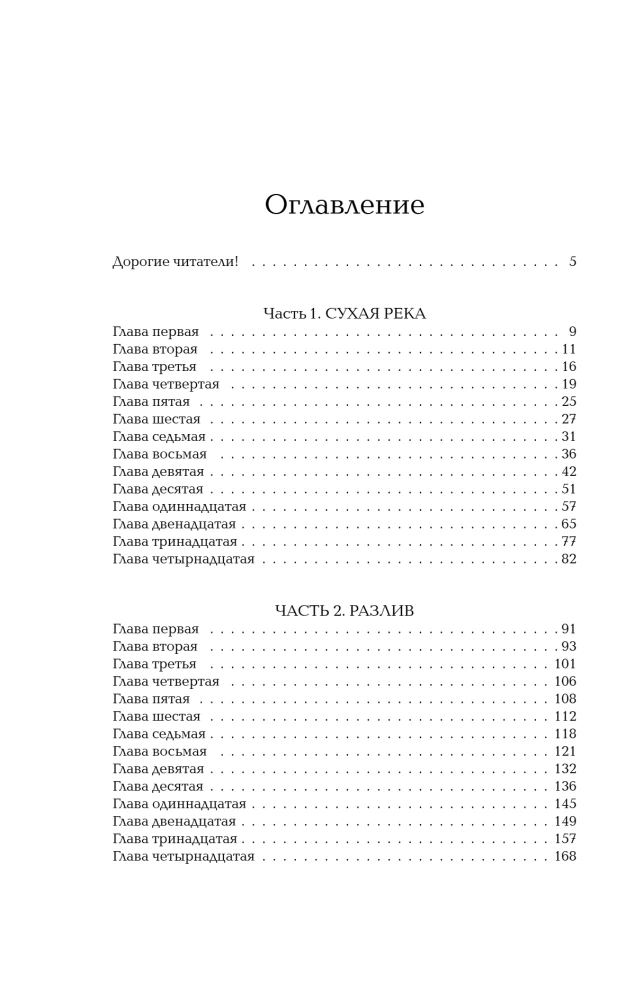
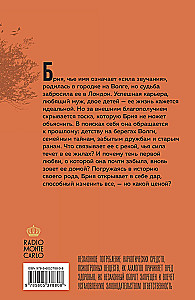
This novel is not about a woman, but about creativity and authorship.
The heroine in it is a bearer of the force behind creativity; through her, the novel explores how authorship is structured in human life.
Her strength acts as a catalyst: in the presence of Bria, the talents, impulses, and ambitions of others are amplified.
Brio is a musical term meaning liveliness, impulse, sound force; it enhances everything it touches. Next to her, feelings, talents, desires, and creative energy are heightened. Not everyone can withstand this. The force of creativity demands to feel and love in all directions, but human life is always finite and structured.
The novel examines what it means to be the author of your life—and what happens when this right is transferred to another, appropriated from the outside, lost through unconscious consent, or rejected out of fear and duty.
The novel shows that the attempt to live as if you are the sole author of your fate is as destructive as completely renouncing authorship.
The main movement of the novel is not so much the return to the right to be the author as the realization that authorship never belongs to a single person. Human life is influenced not only by current decisions and circumstances but also by the past, childhood, lineage, landscape, memory, language, and the people encountered—and ultimately, by the entire universe.
A person exists in the field of multiple authorships, and maturity lies in the ability to hear them.
Bestsellers

Publishers "Eksmo" recommends