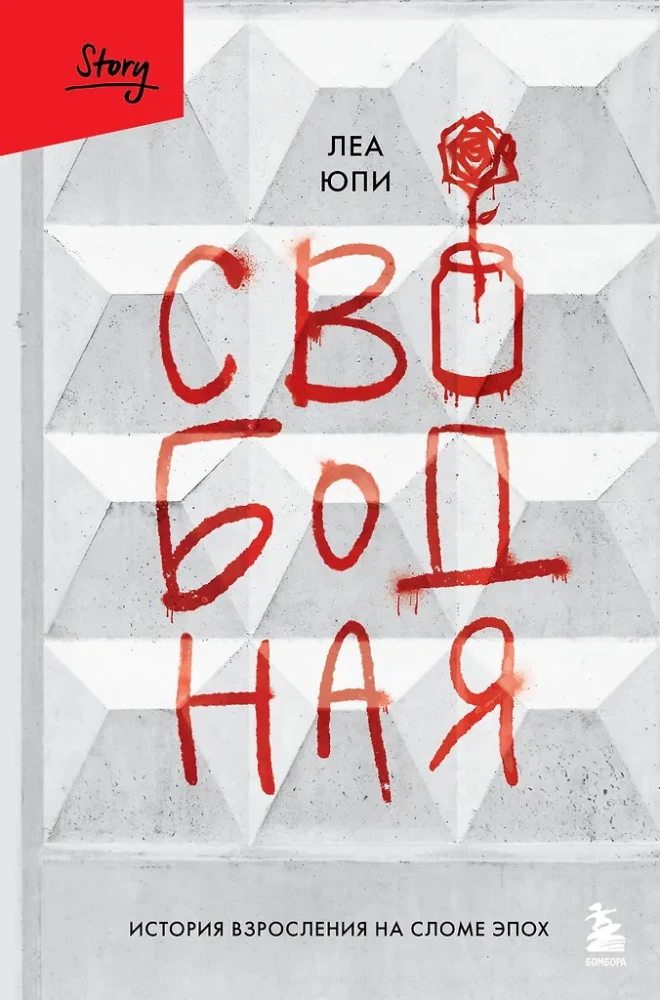



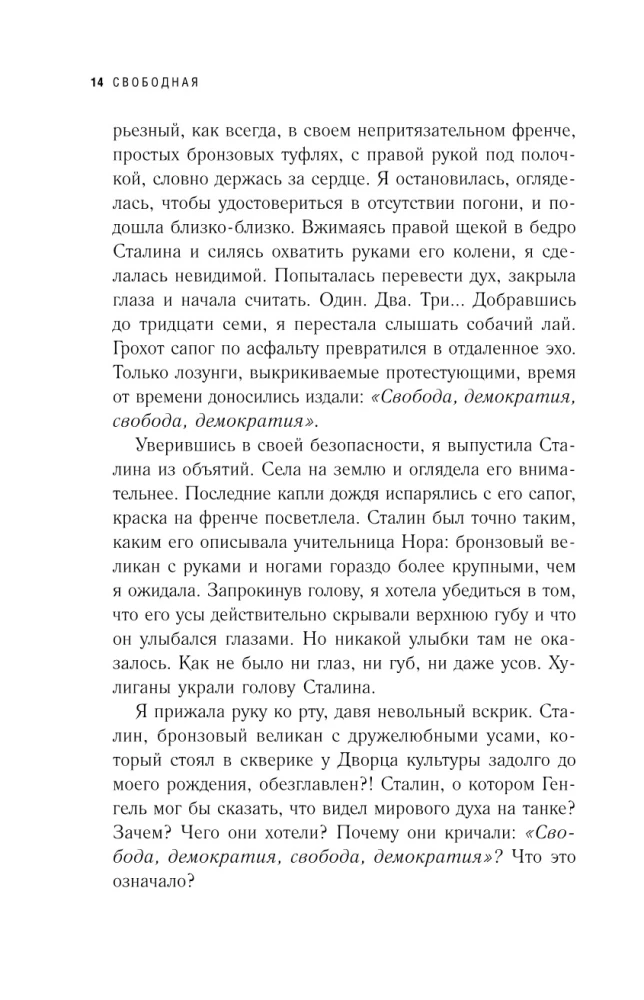
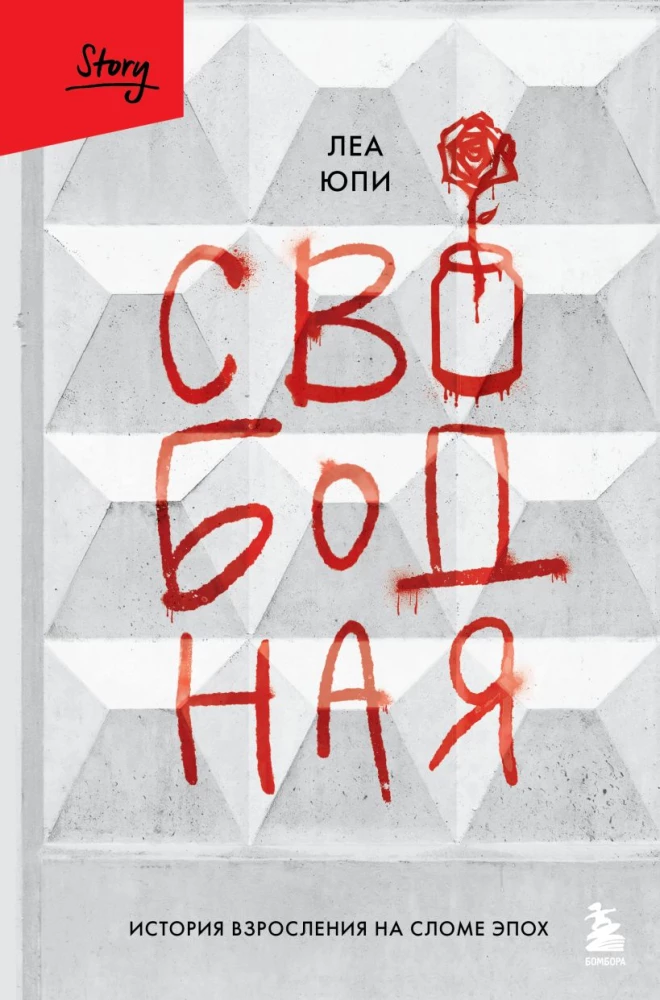
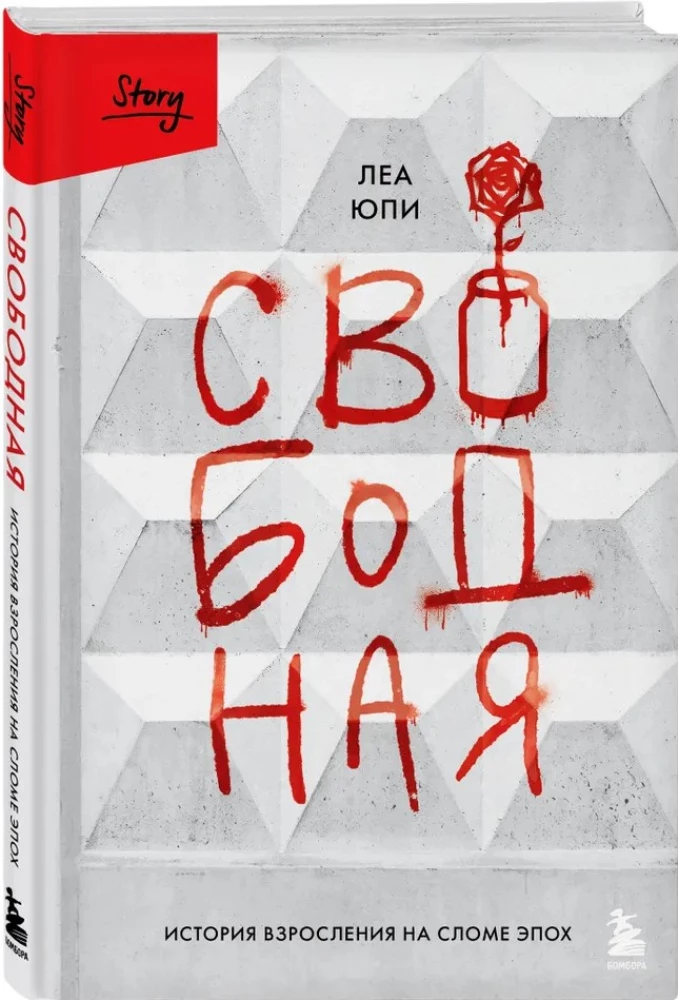
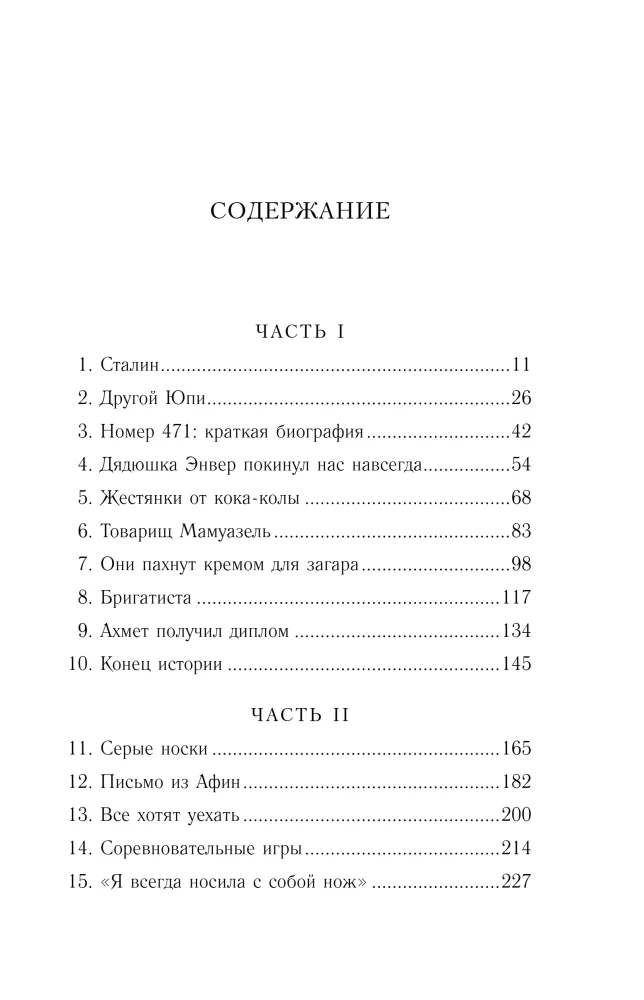
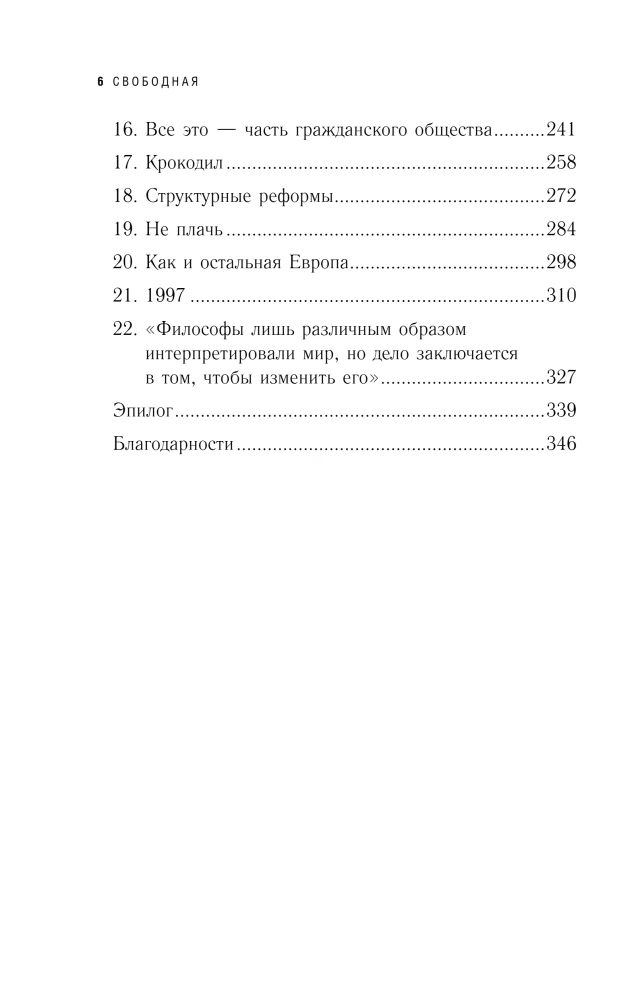

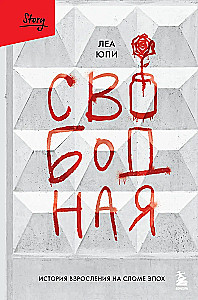


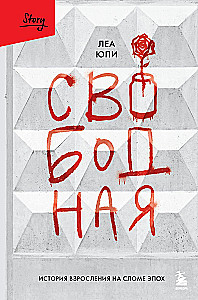
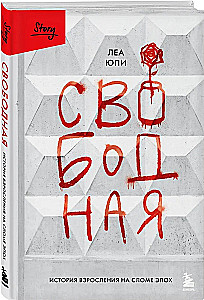
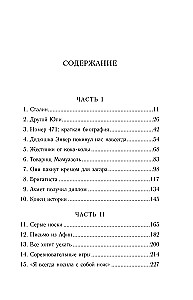
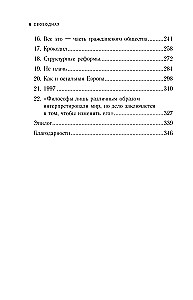

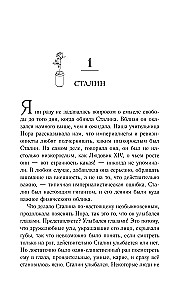
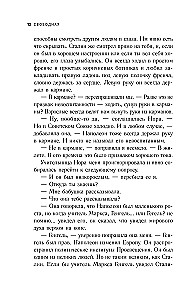
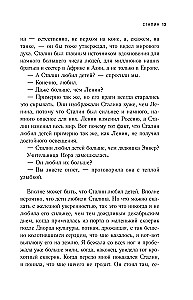
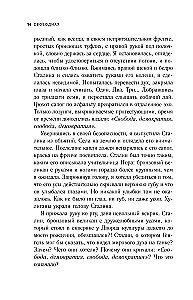
Free. A Coming of Age Story at the Turn of an Era
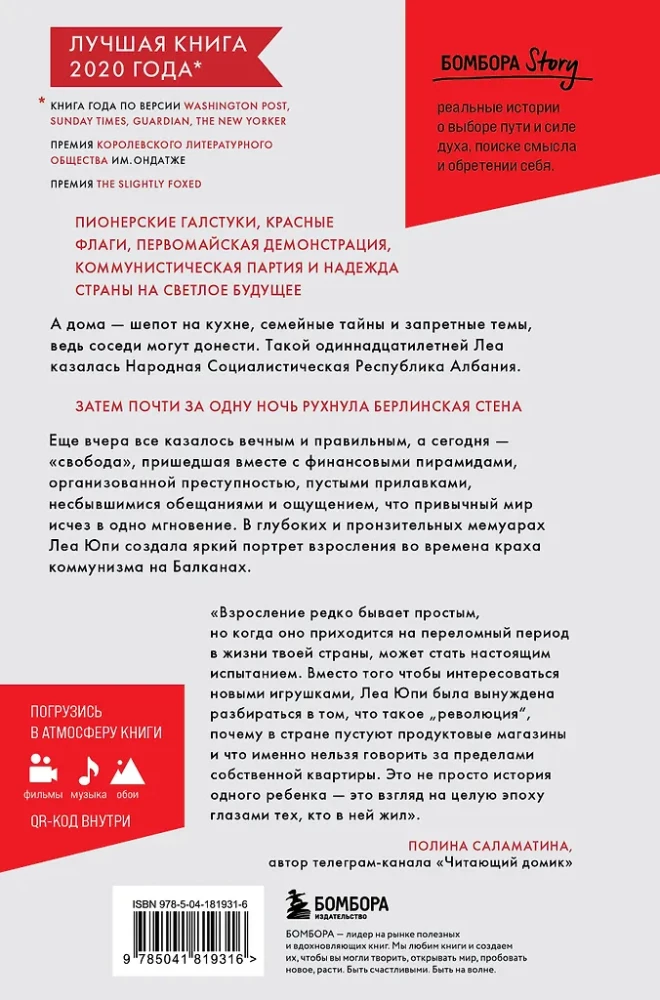
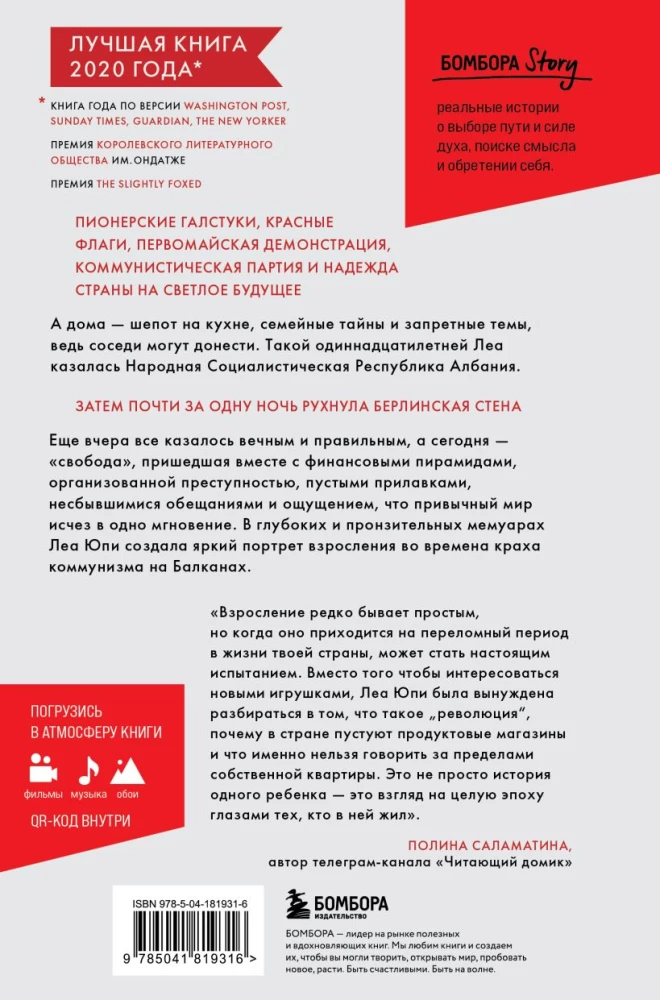
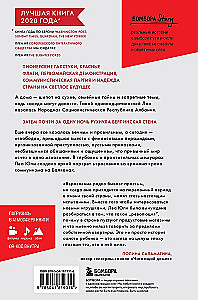
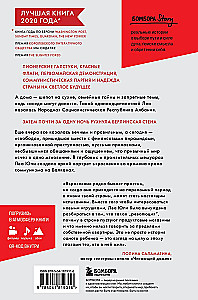
Pioneer ties, red flags, May Day demonstrations, the communist party, and the country's hope for a bright future. But at home — whispers in the kitchen, family secrets, and forbidden topics, for neighbors might inform. Such was the People’s Socialist...
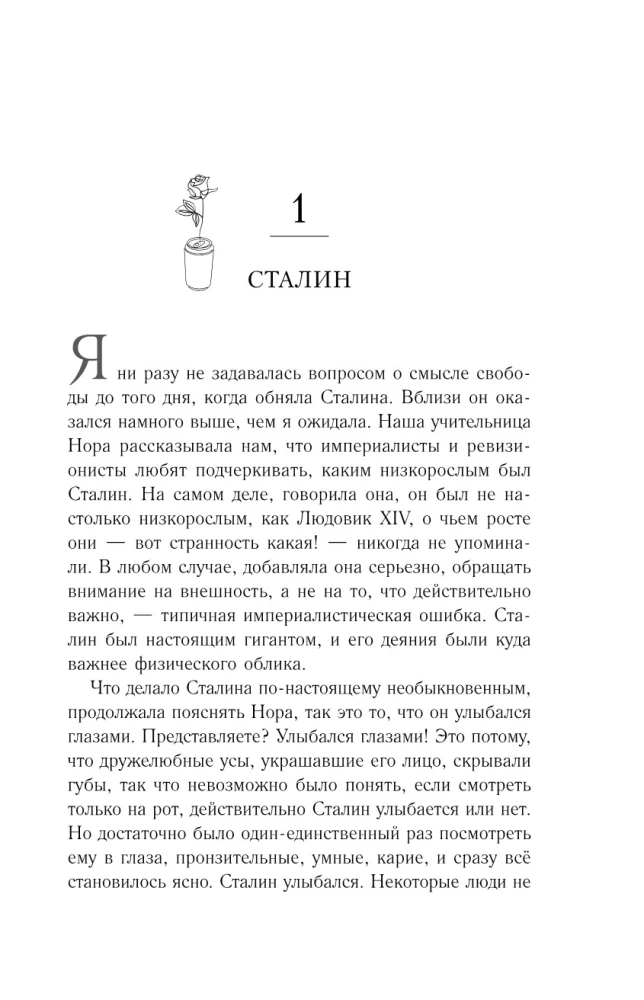
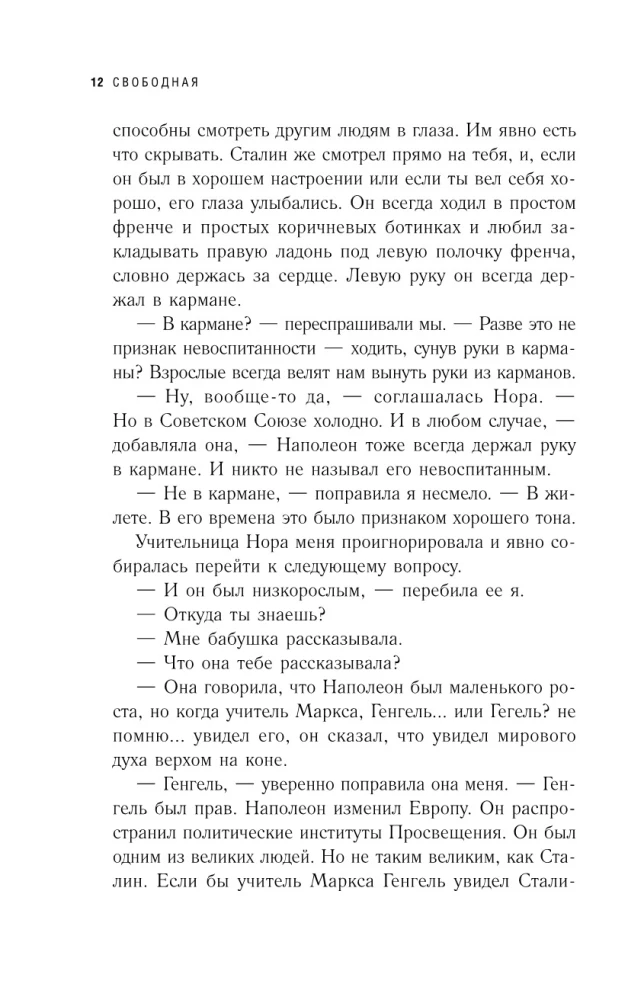
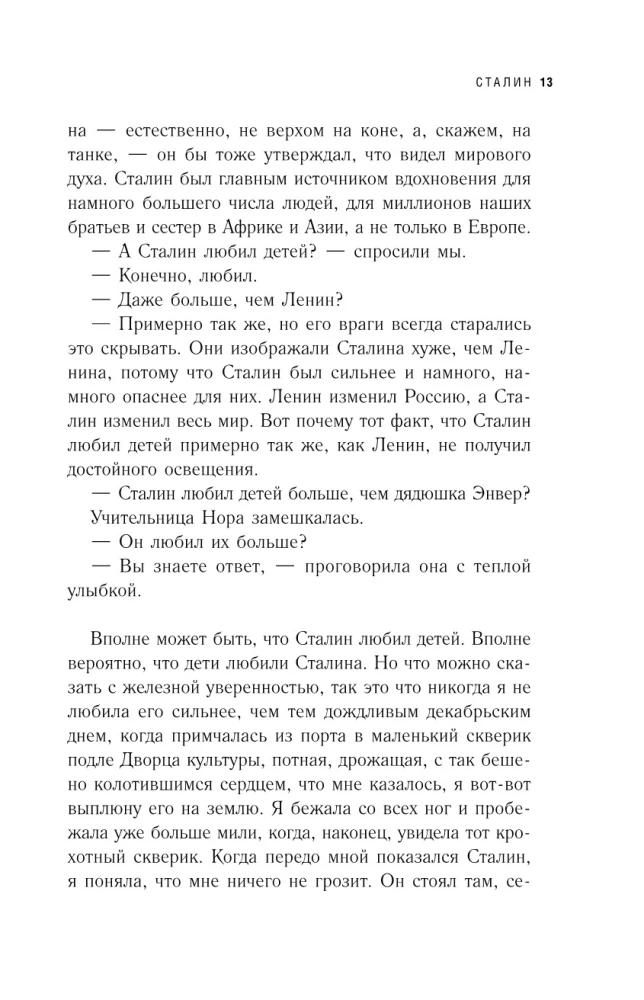
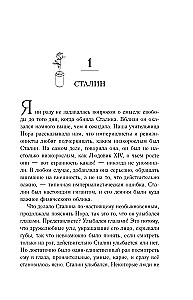
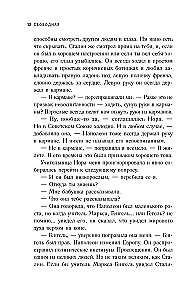
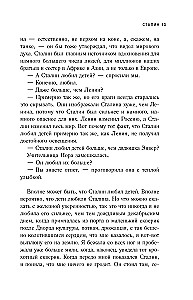
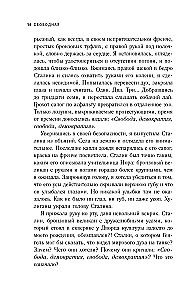
Republic of Albania for eleven-year-old Lea. Then, almost overnight, the Berlin Wall fell. The statue of Stalin, whom she considered a kind leader who loved children, was decapitated by protesting students. An unpleasant truth about her family's origins surfaced. Lea learned that when her parents and neighbors whispered about friends enrolling in the «university» or relatives «dropping out,» they were talking about much darker things.
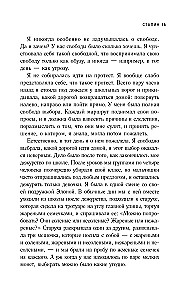
Together with neighboring post-communist countries, Albania entered a difficult transition from socialism to the free markets of the Western world: the dystopia of financial pyramids, organized crime, and sex trafficking. Just yesterday, everything seemed eternal and right, and today — «freedom,» which came along with empty shelves, shortages, unfulfilled promises, and the sensation that the familiar world disappeared in an instant.
In her deep and poignant memoirs, Lea Yupi crafted a vivid portrait of growing up during the collapse of communism in the Balkans. This is not a history textbook; it is an honest account of family, of the fragile connection between the personal and the political — about how ideology breaks destinies, yet people continue to live, believe, laugh, and love.
Together with neighboring post-communist countries, Albania entered a difficult transition from socialism to the free markets of the Western world: the dystopia of financial pyramids, organized crime, and sex trafficking. Just yesterday, everything seemed eternal and right, and today — «freedom,» which came along with empty shelves, shortages, unfulfilled promises, and the sensation that the familiar world disappeared in an instant.
In her deep and poignant memoirs, Lea Yupi crafted a vivid portrait of growing up during the collapse of communism in the Balkans. This is not a history textbook; it is an honest account of family, of the fragile connection between the personal and the political — about how ideology breaks destinies, yet people continue to live, believe, laugh, and love.
Author: Леа Юпи
Printhouse: Eksmo
Series: Castle of Glass. Books about Strong People and Amazing Destinies
Age restrictions: 16+
Year of publication: 2026
ISBN: 9785041819316
Number of pages: 352
Size: 212х138х20 mm
Cover type: hard
Weight: 433 g
ID: 1730514
Available from suppliers
Expected delivery time – up to 2 weeks
€ 11.99
Available from suppliers
Expected delivery time – up to 2 weeks
€ 11.99
Bestsellers
€ 13.29
In stock
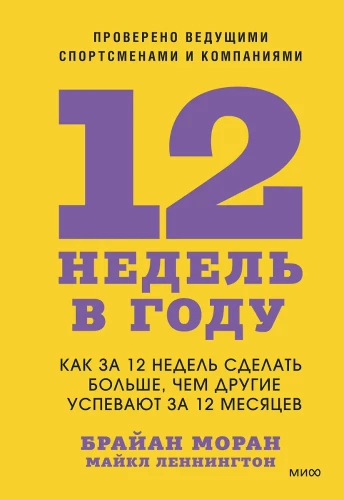
12 Weeks in a Year. How to Achieve More in 12 Weeks Than Others Do in 12 Months
Майкл Леннингтон, Брайан Моран
€ 7.89
In stock
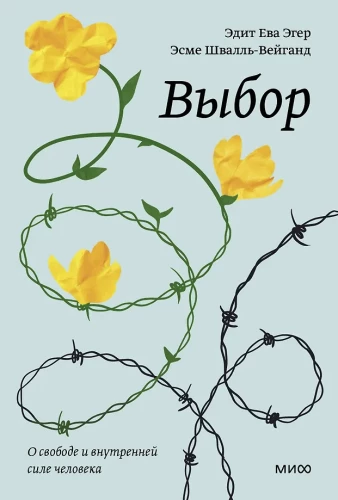
Choice. On the Freedom and Inner Strength of a Person
Эдит Ева Эгер, Эсме Швалль-Вейганд

€ 6.99
In stock
€ 6.99
In stock
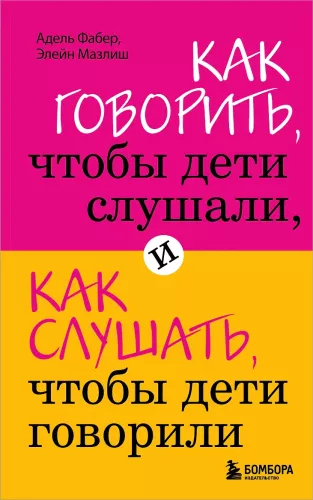
How to Talk So Kids Will Listen, and How to Listen So Kids Will Talk
Элейн Мазлиш, Адель Фабер

Publishers "Eksmo" recommends



Bestseller
€ 10.99
In stock
You Are the Cause. Why We Always Get What We Deserve, and How to Put Things in Order in the Family and in Life
ИВЛИЕВА Ю.А.