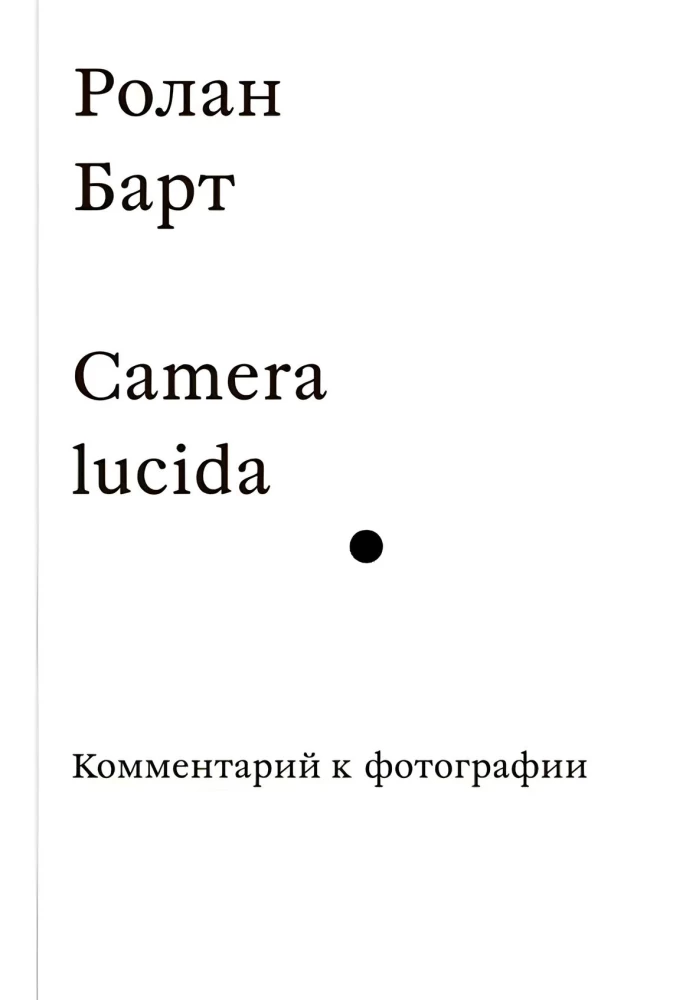
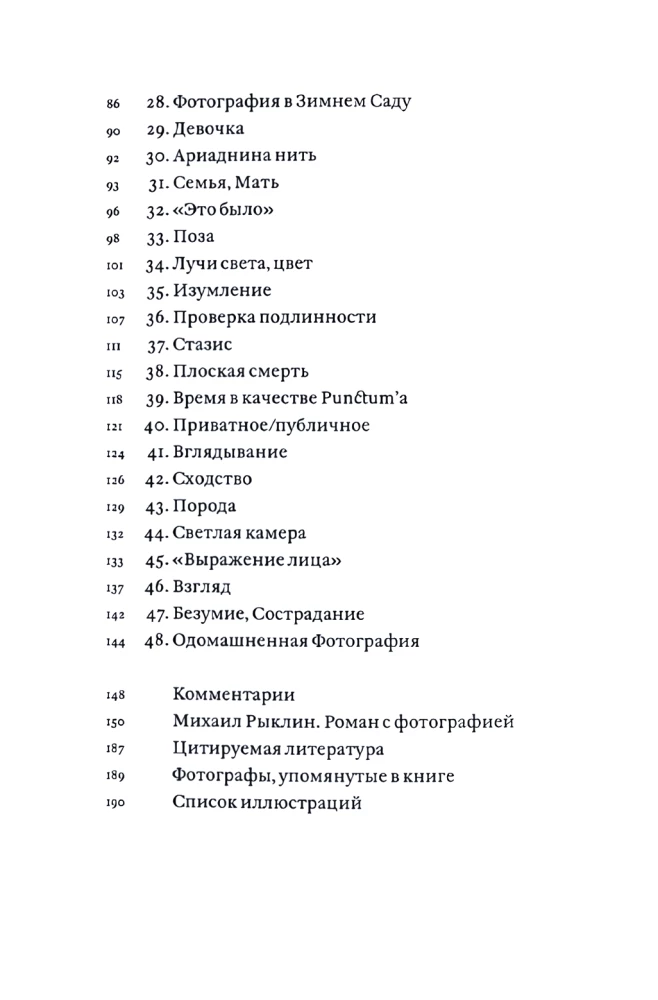
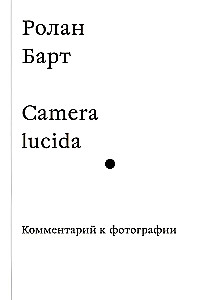
Camera Lucida. Commentary on Photography
Camera lucida (Latin: camera lucida, literally «light room») — an auxiliary optical device for drawing and copying objects in perspective. A prism is placed between the eyes of the artist and the sheet of paper, arranged in such a way...
that light reflects off the object being copied and falls onto the paper, creating an image on it.
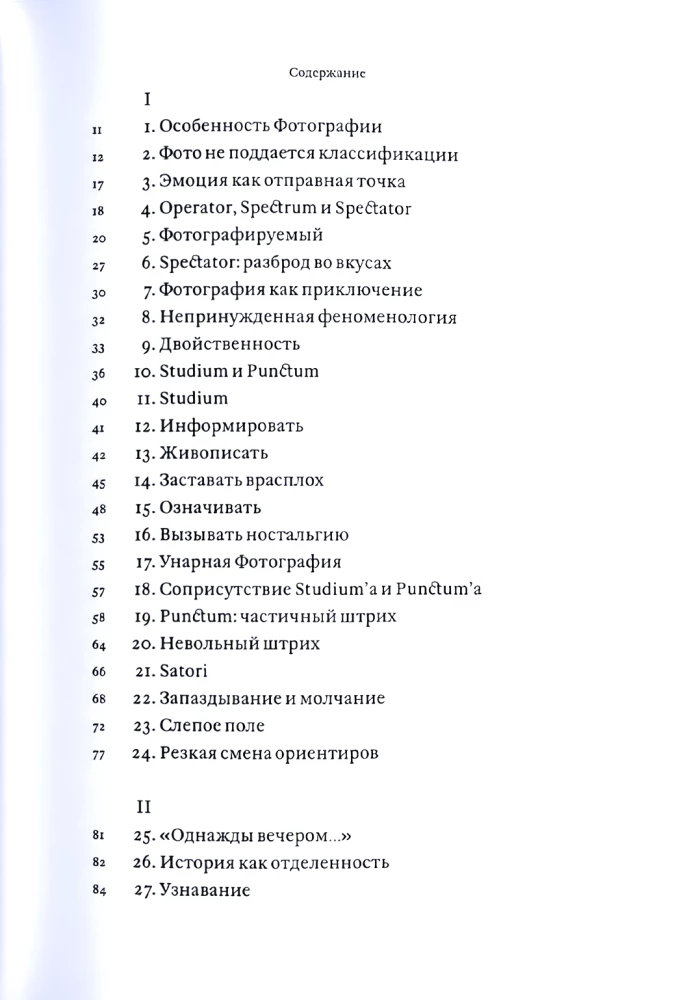
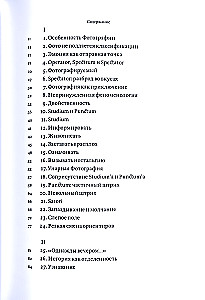
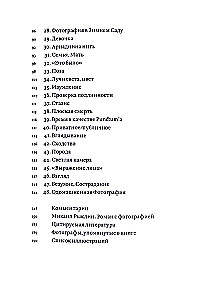
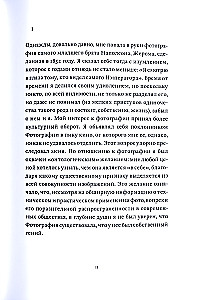
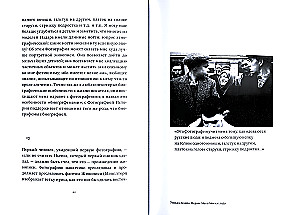
«Camera Lucida. Commentary on Photography» (1980) by Roland Barthes — one of the first fundamental studies of the nature of photography and at the same time a homage to the author's late mother. His interest in a photograph from 1870 that accidentally came to his hands prompted Barthes to want to know what essential feature distinguishes photography from the entire set of images. Posing the question of classification and systematization of photographs, the philosopher constructs his own phenomenology, introducing the concepts of Studium and Punctum. Studium denotes the cultural, linguistic, and political interpretation of a photograph, while Punctum signifies a purely personal emotional meaning that allows for a direct connection with the photographic image.
«Camera Lucida. Commentary on Photography» (1980) by Roland Barthes — one of the first fundamental studies of the nature of photography and at the same time a homage to the author's late mother. His interest in a photograph from 1870 that accidentally came to his hands prompted Barthes to want to know what essential feature distinguishes photography from the entire set of images. Posing the question of classification and systematization of photographs, the philosopher constructs his own phenomenology, introducing the concepts of Studium and Punctum. Studium denotes the cultural, linguistic, and political interpretation of a photograph, while Punctum signifies a purely personal emotional meaning that allows for a direct connection with the photographic image.
Author: Ролан Барт
Age restrictions: 16+
Year of publication: 2025
ISBN: 9785908038034
Number of pages: 192
Size: 185х135х30 mm
Cover type: soft
Weight: 170 g
ID: 1729010
Sold out
€ 11.39
Sold out
€ 11.39
Bestsellers




€ 7.89
In stock
Choice. On the Freedom and Inner Strength of a Person
Эдит Ева Эгер, Эсме Швалль-Вейганд


€ 6.99
In stock