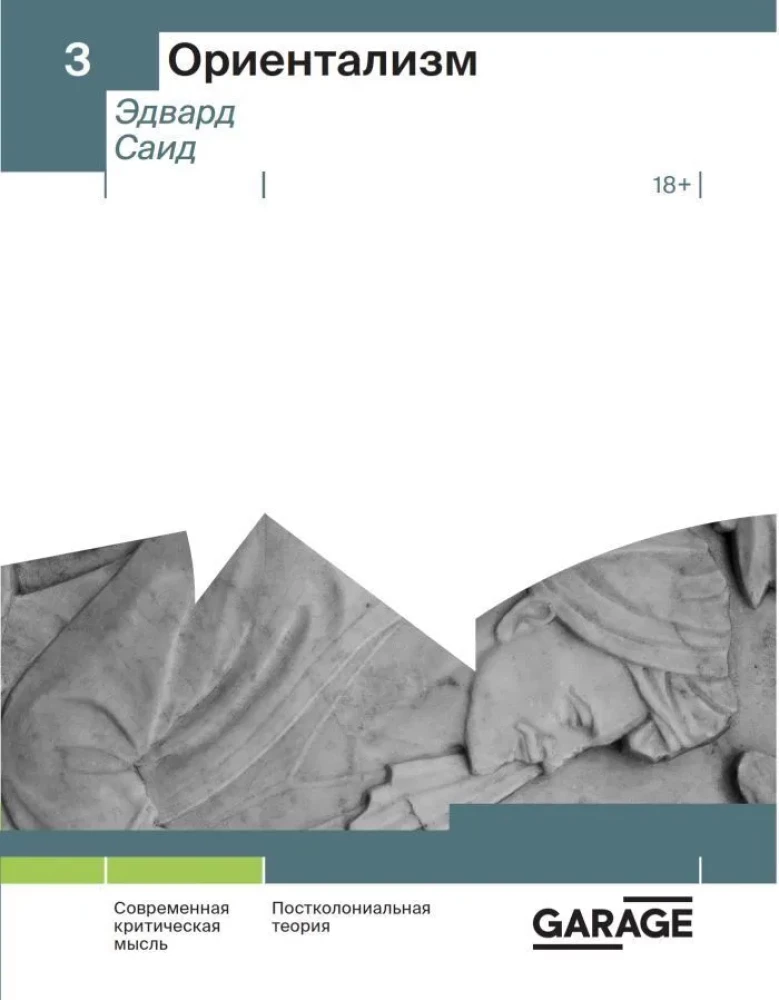
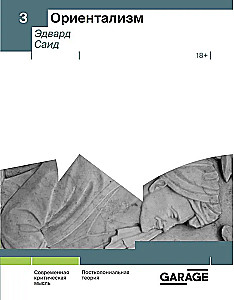
Orientalism
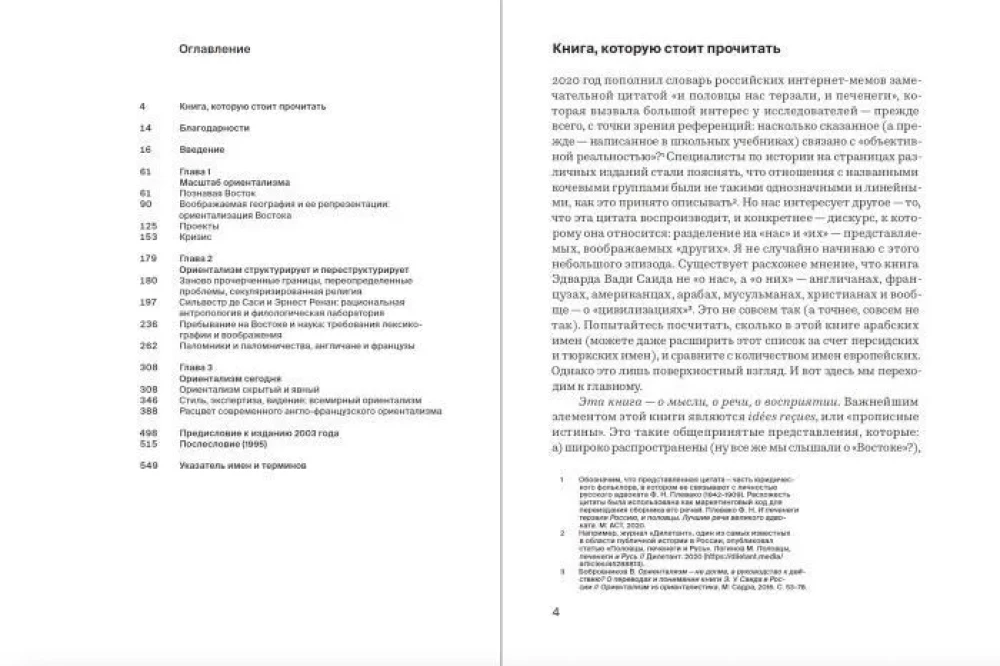
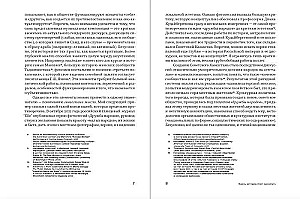
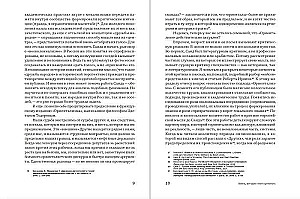
The Garage Museum has published a new translation of the now-classic work by Edward W. Said, "Orientalism." The focus of the author's research is the genealogy of European thought about the "East," the functioning of this conceptual framework, and its...
connection to reality. The author characterizes the possible origins of this concept in detail, raising the issue of the "canon." However, the main focus of his arguments is on the complex relationships of three structures: power, academic knowledge, and art in the thoughts and actions of various figures in politics, science, and literature in the 19th century. Said argues that intertextual interaction has formed the idea ("Platonic essence") of the "East"—an image that has only strengthened from generation to generation as opposed to the idea of "us" (Europeans). This opposition was linked to the subjugation of territories, the necessity to speak "for" colonized peoples, formulating their "rules of engagement" from the metropolises and their representatives. All these ideas found their reflection in reality—in wars, colonial conquests, the activities of colonial administrations, and later in the implementation of major strategic projects, such as the construction of the Suez Canal. The author finds connections between these ideas and the contemporary world, for example, with American policy in the Middle East. Said's book has become a foundation for revising approaches to the history, culture, and art of the countries of Asia and Africa, for the revision of existing knowledge and the emergence of new areas of academic analysis.
Author: Эдвард Вади Саид
Printhouse: Garage
Age restrictions: 18+
Year of publication: 2021
ISBN: 9785604538289
Number of pages: 460
Size: 190х142х43 mm
Cover type: soft
Weight: 630 g
ID: 1728447
Sold out
€ 22.09
Sold out
€ 22.09
Bestsellers





€ 13.29
In stock
12 Weeks in a Year. How to Achieve More in 12 Weeks Than Others Do in 12 Months
Майкл Леннингтон, Брайан Моран

€ 7.89
In stock
Choice. On the Freedom and Inner Strength of a Person
Эдит Ева Эгер, Эсме Швалль-Вейганд



€ 6.99
In stock