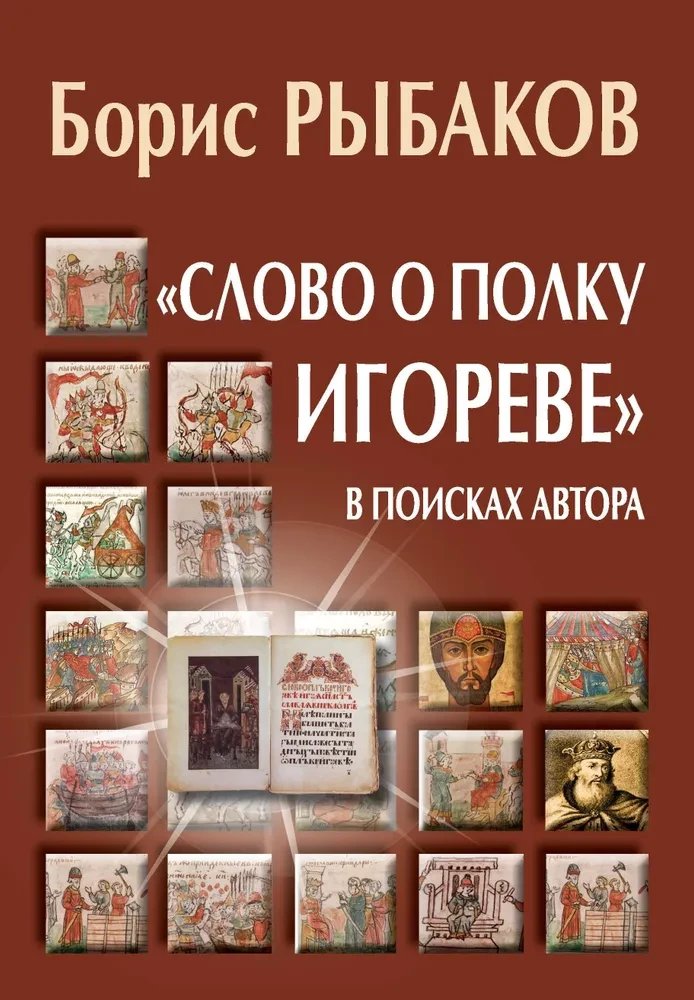
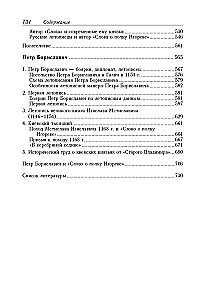
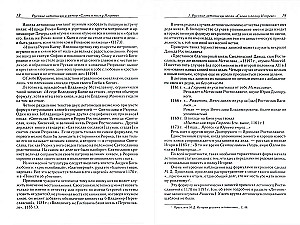
The Tale of Igor's Campaign. In Search of the Author
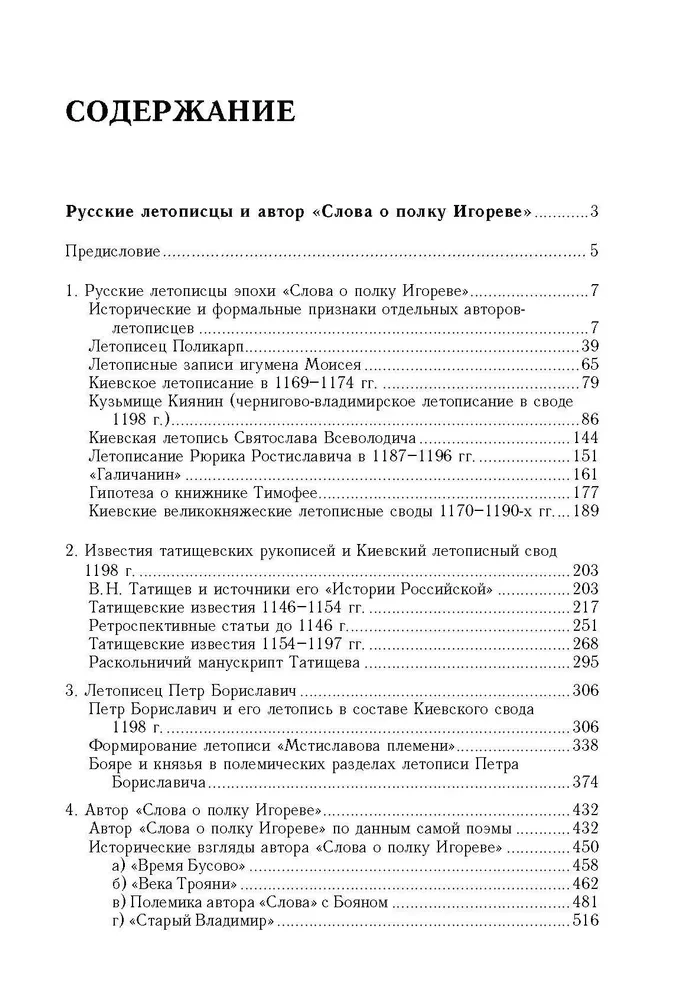
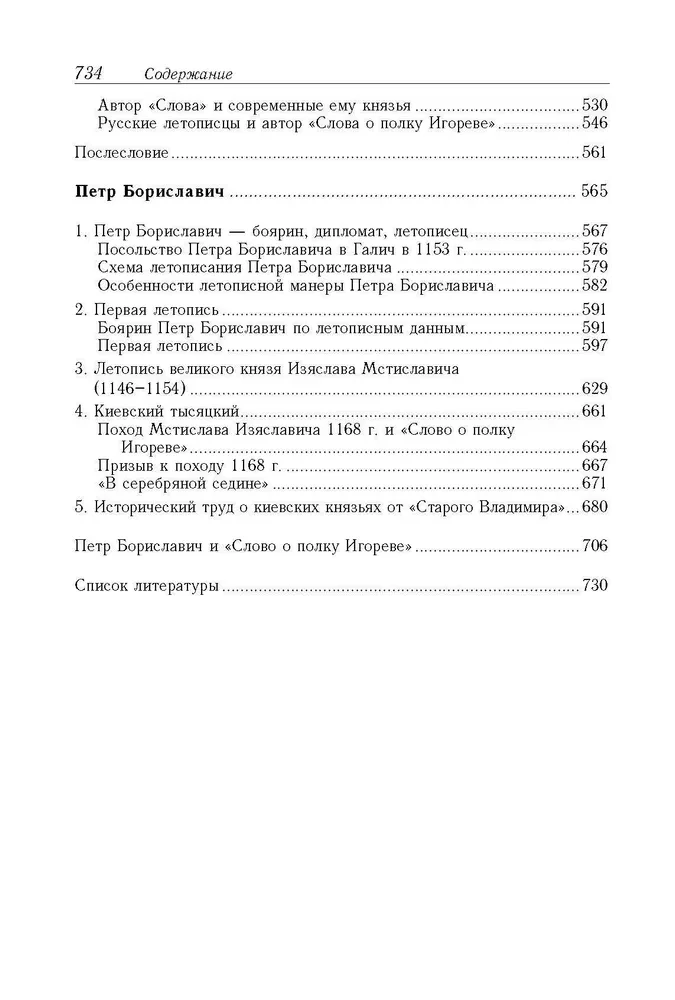
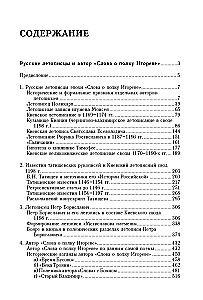
Boris Alexandrovich Rybakov published his fundamental studies «“The Tale of Igor's Campaign” and its contemporaries” in the early 1970s, followed by «Russian Chroniclers and the Author of “The Tale of Igor's Campaign”». In the late 1960s, he first proposed the...
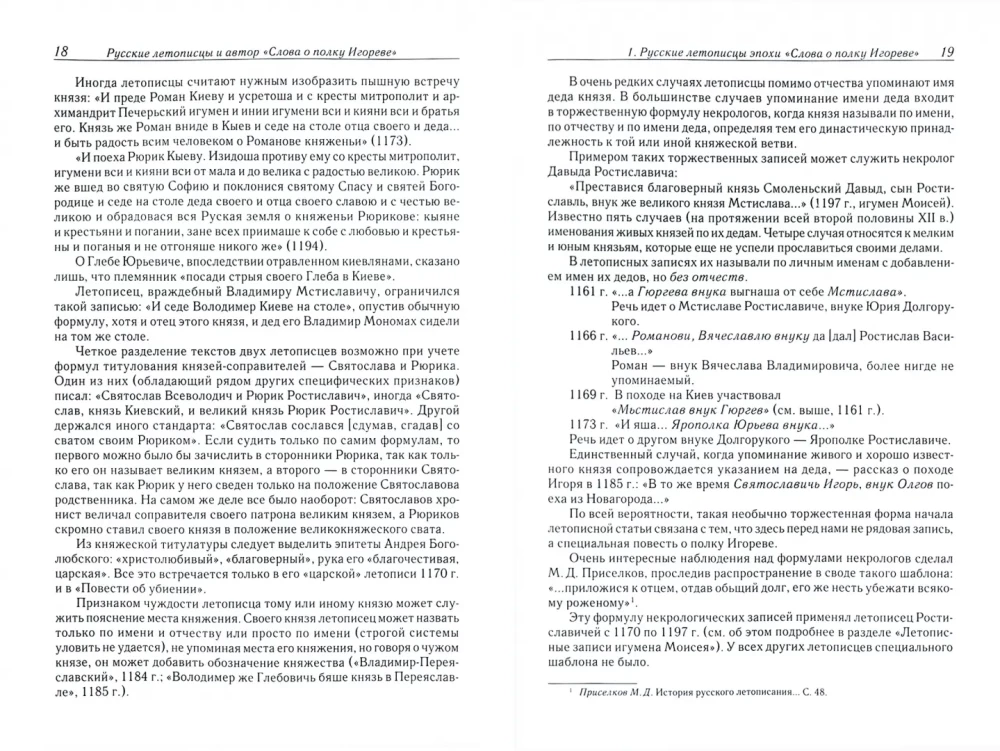
theory that the author was the Kyiv boyar Petr Borisovich from the second half of the 12th century. Rybakov believed him to be the author of a chronicle, the original of which is lost, while the adaptations have survived in the Ipatiev Chronicle and in Vasily Tatishchev's «History of Russia». By reconstructing the literary style and political ideology of the hypothetical chronicler, Rybakov concluded that the «Tale» belongs to the same author. At that time and still now, there are very large doubts about the authenticity of the «Tatishchev news» (the information from his work that cannot be verified by the remaining reliable ancient sources). In 1994, the historian Leonid Milov, one of the pioneers of computerization in historical science, took upon himself to verify this hypothesis. This analysis neither confirmed nor unequivocally disproved the fact that these texts were written by the same author. The question remains open. However, the methodology of studying the source, which uses the author of the «Tale» as a unique historical witness, remains relevant for contemporary researchers. The interpretation of the «Tale» as a treatise dedicated to the very foundations of Russian statehood formation, the pitfalls of this process, and the concern for the fate of the country stemming from the «Tale of Igor's Campaign», from its nameless creator, allows for a new perspective on the problem of using historical sources.
Rybakov's portrait gallery of the participants in the «Tale» convincingly proves: only the most perceptive contemporary, a living participant in those events, could know so accurately the intricate details of all his characters, their relationships with each other, their not always apparent intentions, their weak points, their virtues, and yet undiscovered potentials. Such impeccable knowledge, in the scholar's opinion, is inaccessible to any imitator from any subsequent era.
Rybakov's portrait gallery of the participants in the «Tale» convincingly proves: only the most perceptive contemporary, a living participant in those events, could know so accurately the intricate details of all his characters, their relationships with each other, their not always apparent intentions, their weak points, their virtues, and yet undiscovered potentials. Such impeccable knowledge, in the scholar's opinion, is inaccessible to any imitator from any subsequent era.
Author: Борис Рыбаков
Printhouse: Akademicheskii proekt
Year of publication: 2021
ISBN: 9785902767978
Number of pages: 735
Size: 220х150х34 mm
Cover type: hard
Weight: 860 g
ID: 1726548
Sold out
€ 19.89
Sold out
€ 19.89
Bestsellers

€ 13.29
In stock
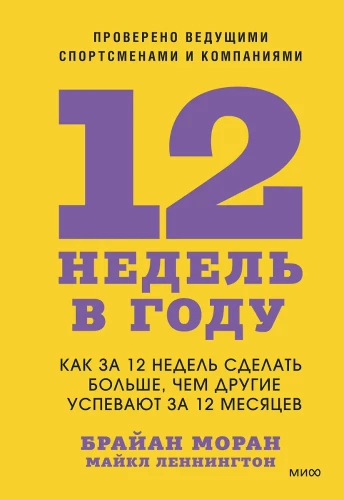
12 Weeks in a Year. How to Achieve More in 12 Weeks Than Others Do in 12 Months
Майкл Леннингтон, Брайан Моран

€ 7.89
In stock
Choice. On the Freedom and Inner Strength of a Person
Эдит Ева Эгер, Эсме Швалль-Вейганд

€ 6.99
In stock