

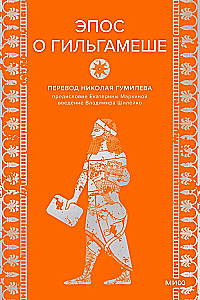

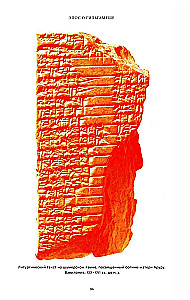
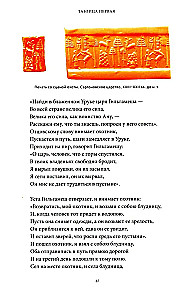
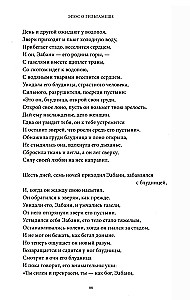
Epic of Gilgamesh
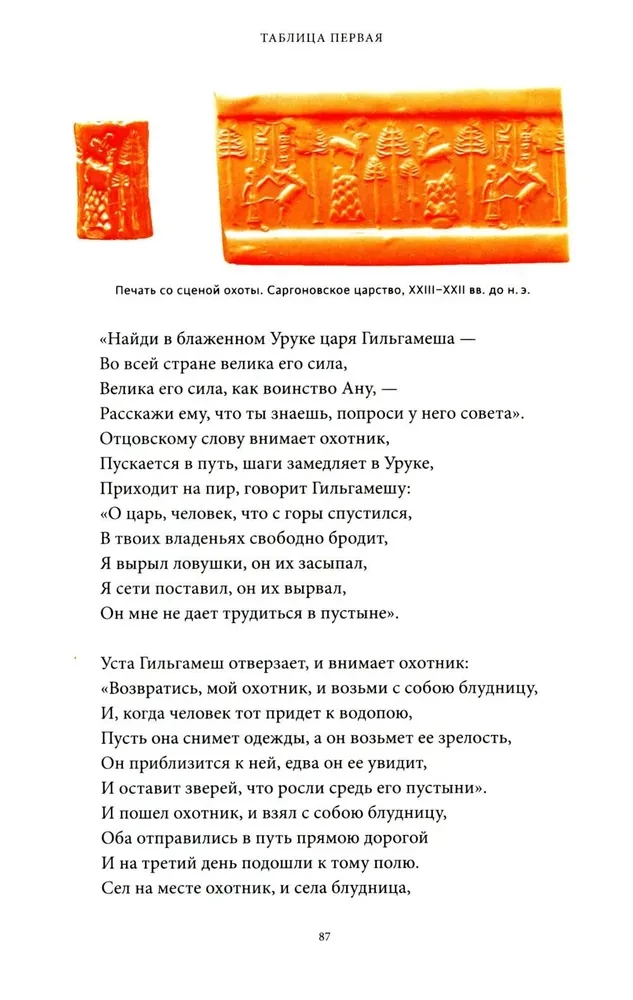
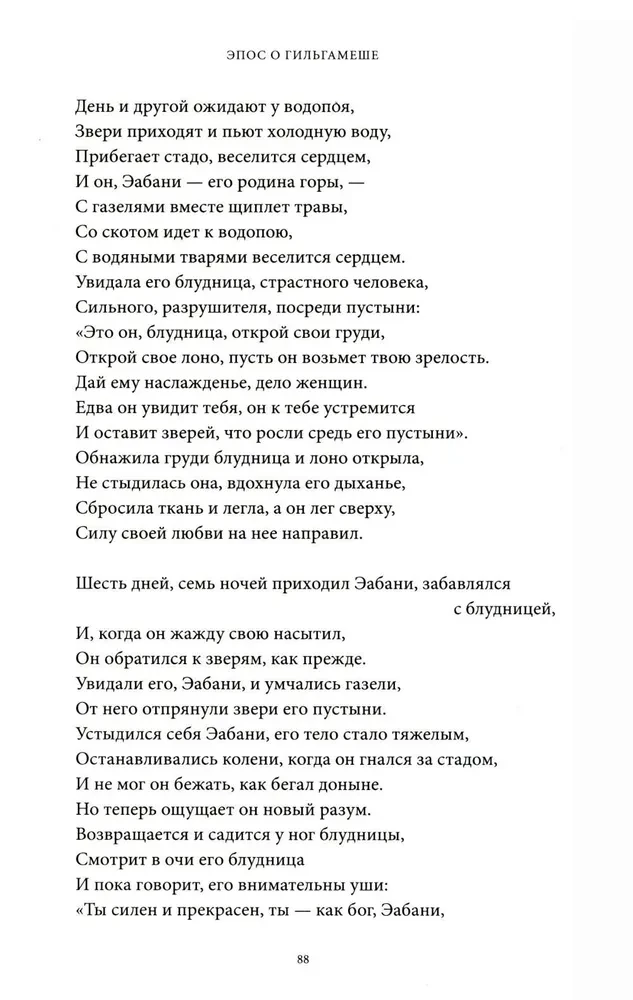
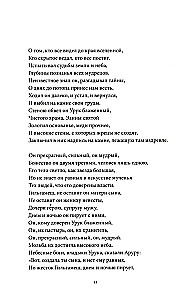
"Of one who saw everything to the edge of the universe, who knew the hidden, who comprehended all…" Thus begins the "Epic of Gilgamesh" — the oldest literary monument that has reached us from the depths of Sumerian and Akkadian...
civilizations. This is a story about a king-demigod who finds a friend — once a "wild man" Enkidu, and after his illness and death, tries to bring him back from the underworld. A story of strength and friendship, pride and humility, fear of death — and the thirst for immortality…
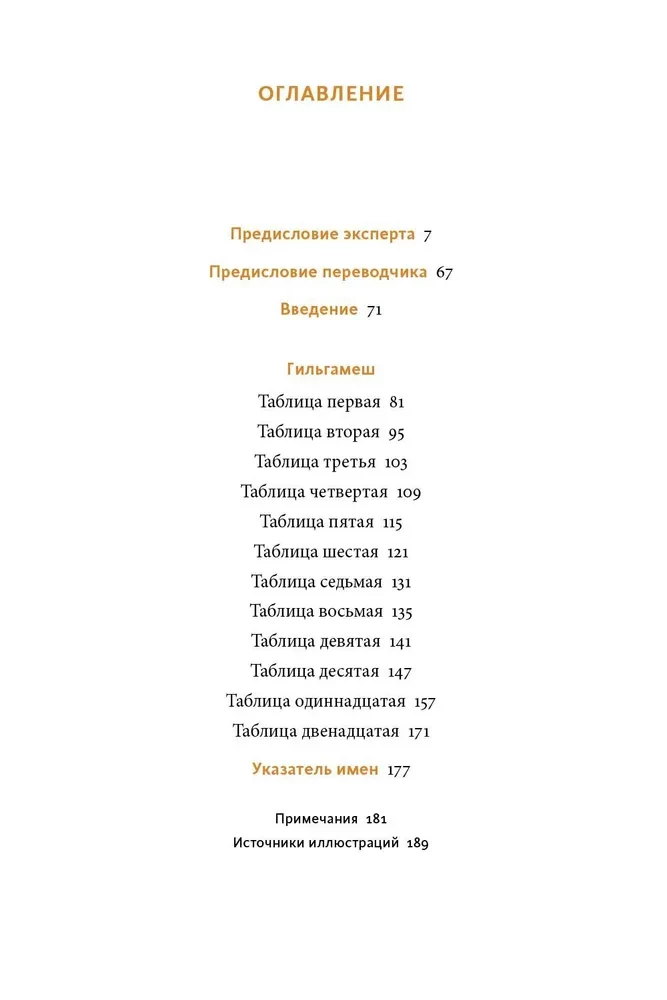
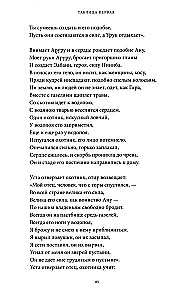
The poet Nikolai Gumilev, who became inspired in 1914 to translate "Gilgamesh," did so in a rather free way. He translated the version of the poem that was known at the time, which constituted about a third of what is known today, eliminated "unnecessary repetitions," and some places — filled in with his own ideas. And while the scientific value of his adaptation is questionable, the artistic value is undeniable. The poet's voice brought the tragedy of the mythical king closer to the reader and allowed us to "speak" with antiquity. Or rather — for it to speak with us?
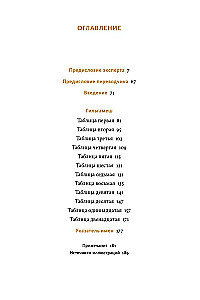
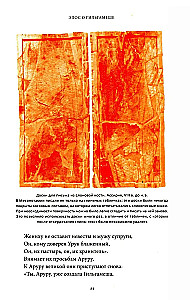
This edition is not only an introduction to a great work of the Ancient East but also a deep dive into the history of its translation and interpretation: Gumilev's translation is accompanied by a preface from his friend, the Assyriologist Vladimir Shileiko, as well as an article by contemporary researcher Ekaterina Markova.
The poet Nikolai Gumilev, who became inspired in 1914 to translate "Gilgamesh," did so in a rather free way. He translated the version of the poem that was known at the time, which constituted about a third of what is known today, eliminated "unnecessary repetitions," and some places — filled in with his own ideas. And while the scientific value of his adaptation is questionable, the artistic value is undeniable. The poet's voice brought the tragedy of the mythical king closer to the reader and allowed us to "speak" with antiquity. Or rather — for it to speak with us?
This edition is not only an introduction to a great work of the Ancient East but also a deep dive into the history of its translation and interpretation: Gumilev's translation is accompanied by a preface from his friend, the Assyriologist Vladimir Shileiko, as well as an article by contemporary researcher Ekaterina Markova.
Printhouse: Mann, Ivanov i Ferber
Series: Myths from A to Z
Age restrictions: 16+
Year of publication: 2025
ISBN: 9785002501618
Number of pages: 192
Size: 203х136х16 mm
Cover type: hard
Weight: 332 g
ID: 1723084
In stock
€ 12.59
Will be delivered to United States on 8 September (Tu):
By courier
from € 38.94
Bestsellers





Bestseller
€ 12.19
In stock
Kanashibari. Until the Last Lantern Goes Out. Volume 1
Ангелина Шэн, Вероника Шэн