
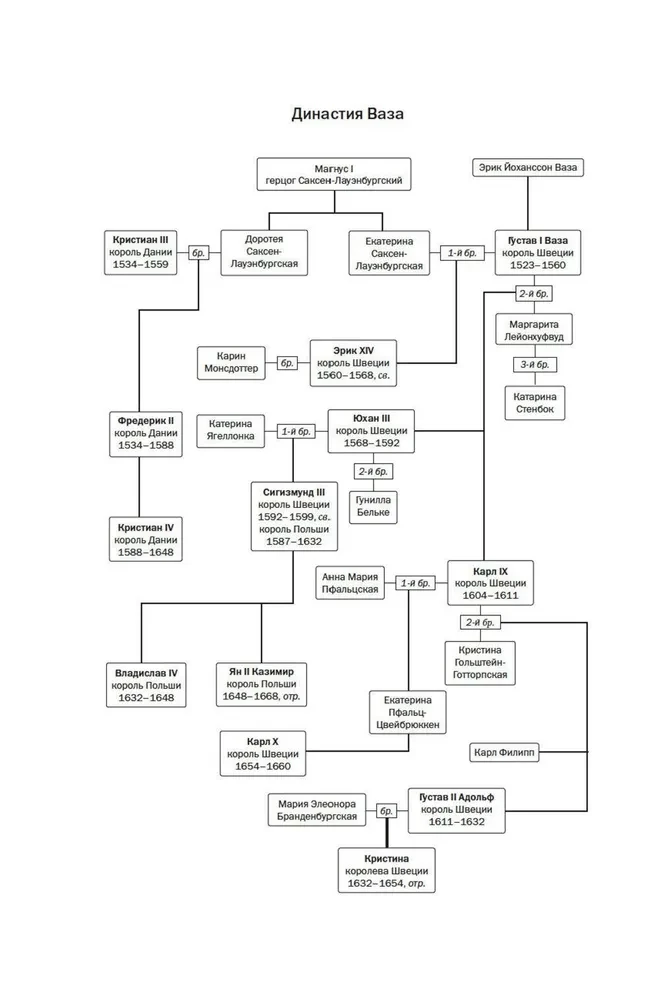
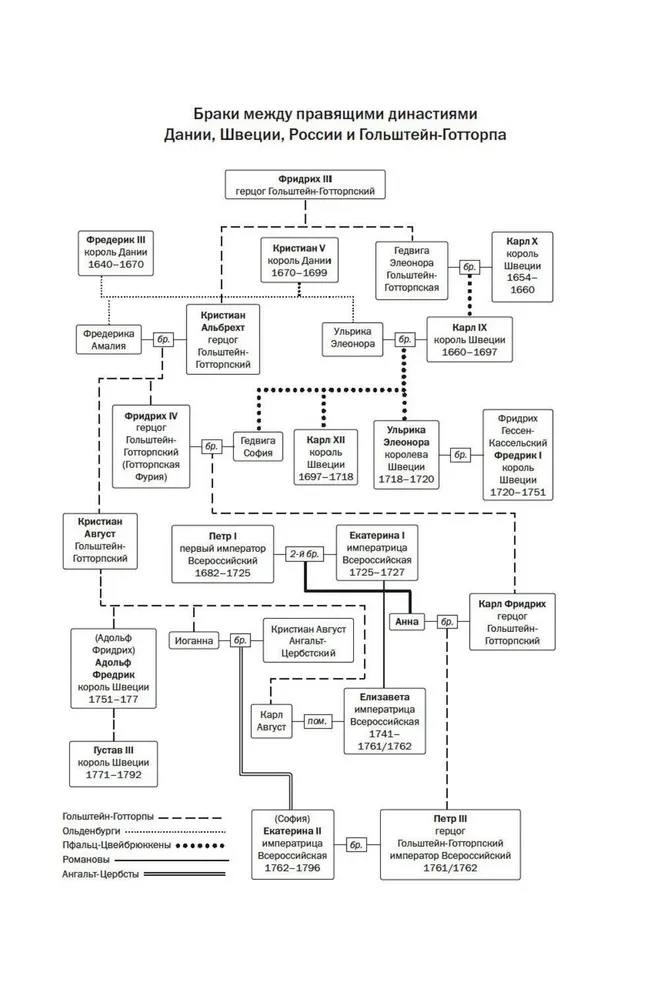
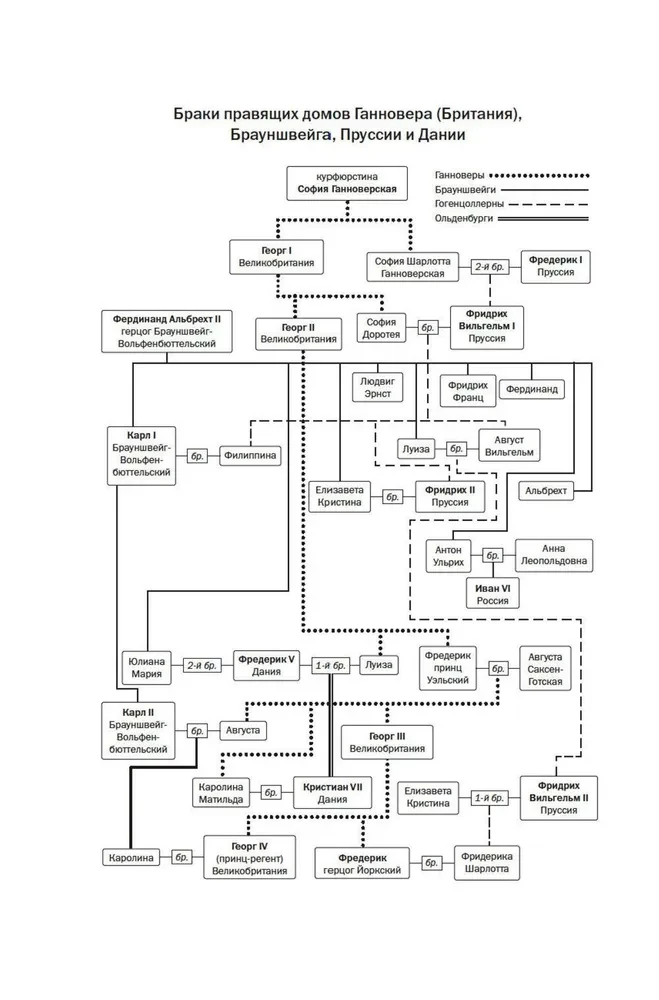
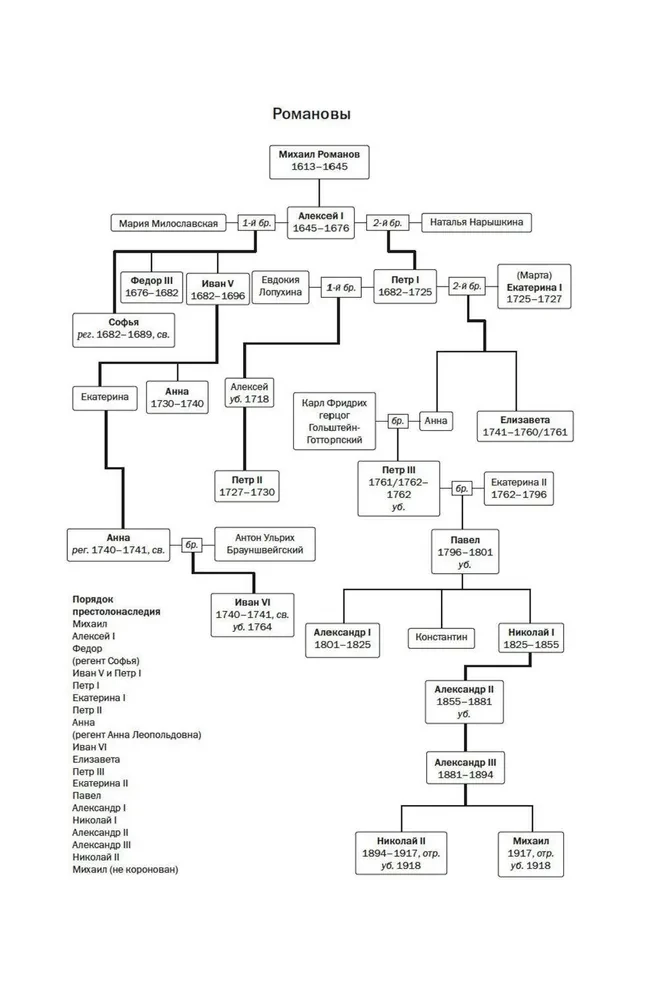




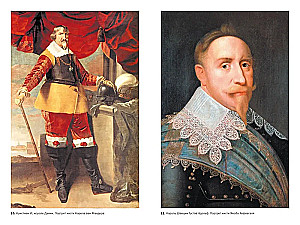
The Baltic. A Thousand-Year History from Vikings to Modern Times
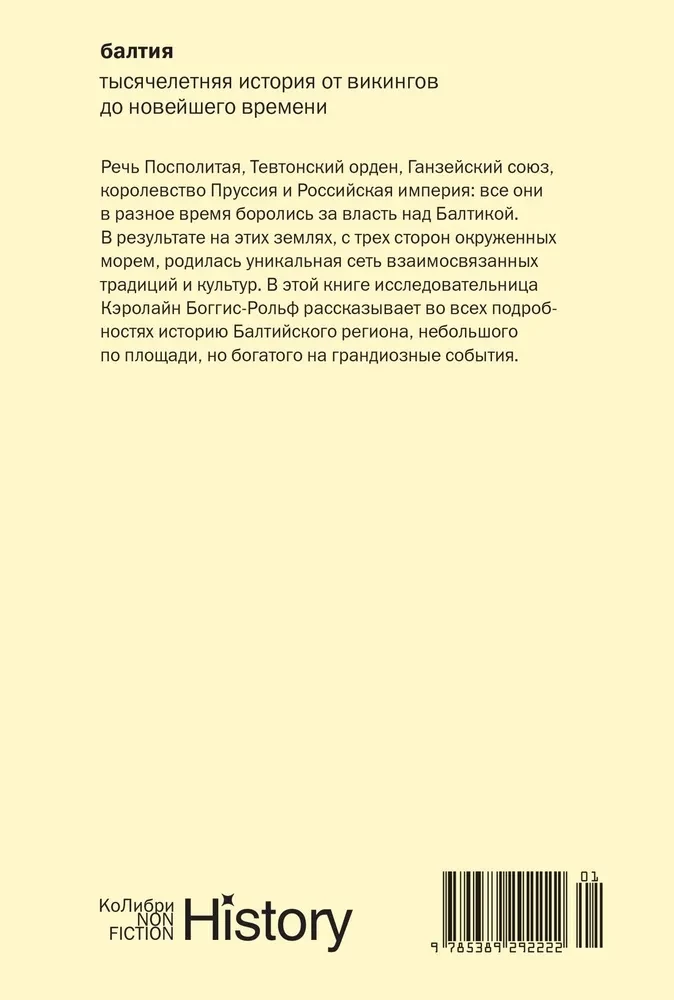
The unique region around the Baltic Sea has united dozens of completely different yet closely connected countries, stretching from Copenhagen to St. Petersburg. The thousand-year history of these lands has witnessed Viking sea raids, the rise of the Hanseatic League,...
uprisings in Scandinavian countries, and Russo-Polish wars. Sweden, Finland, Denmark, Poland, Russia, and Belarus, Estonia, Latvia, and Lithuania — modern states preserve traces of these and many other events. Historian Caroline Boggis-Rolf recounts the political intrigues, territorial divisions, revolutions, and dynastic crises that shaped the fate of the Baltics and made it what we know today. “Since individual areas of the Baltic region have an interconnected history, understanding the history of one country will greatly help in understanding others… Despite the intentional cultural separation, the connection between regions has always been maintained. Positive aspects include the exchange of goods, ideas, and human resources, while negative aspects include numerous local conflicts and rivalries. We will explore this dichotomy by examining two sides of the Baltic region: on one side — a melting pot of different cultures, and on the other — a limited community closely bound by ties with ordinary frictions and disputes that occur within families and among neighbors” (Caroline Boggis-Rolf).
Author: Кэролайн Боггис-Рольф
Printhouse: KoLibri
Series: KoLibri NonFiction
Age restrictions: 16+
Year of publication: 2025
ISBN: 9785389292222
Number of pages: 688
Size: 210x140x40 mm
Cover type: soft
Weight: 1223 g
ID: 1714959
In stock
€ 14.99
Will be delivered to United States on :
Unfortunately, we are currently unable to deliver orders to your region.
In stock
€ 14.99
Will be delivered to United States on :
Unfortunately, we are currently unable to deliver orders to your region.
Bestsellers






€ 13.29
In stock
12 Weeks in a Year. How to Achieve More in 12 Weeks Than Others Do in 12 Months
Майкл Леннингтон, Брайан Моран

€ 7.89
In stock
Choice. On the Freedom and Inner Strength of a Person
Эдит Ева Эгер, Эсме Швалль-Вейганд





€ 6.99
In stock