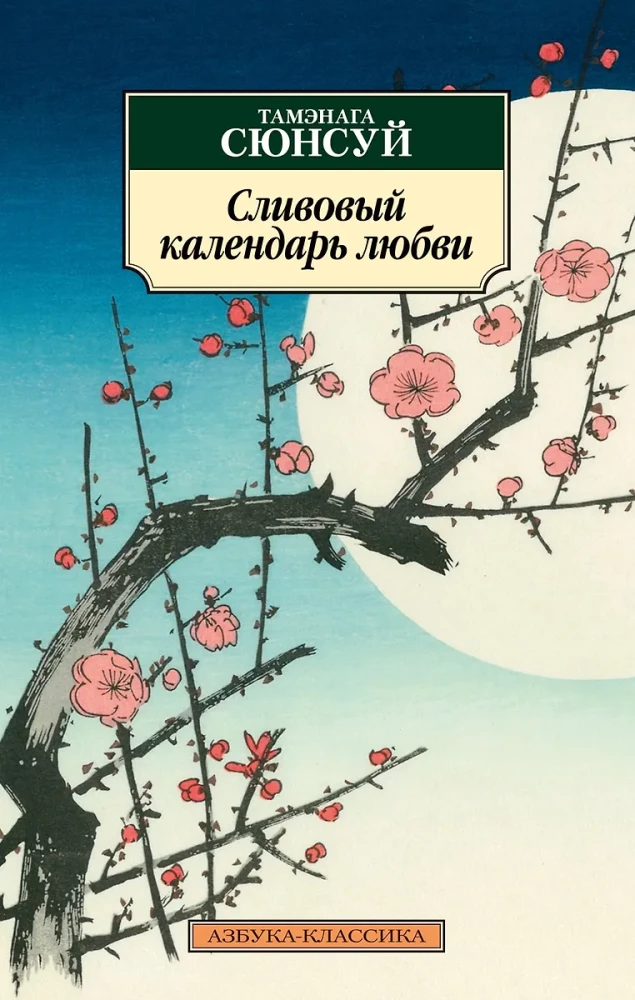


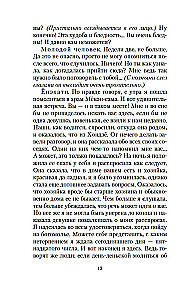
Plum Calendar of Love
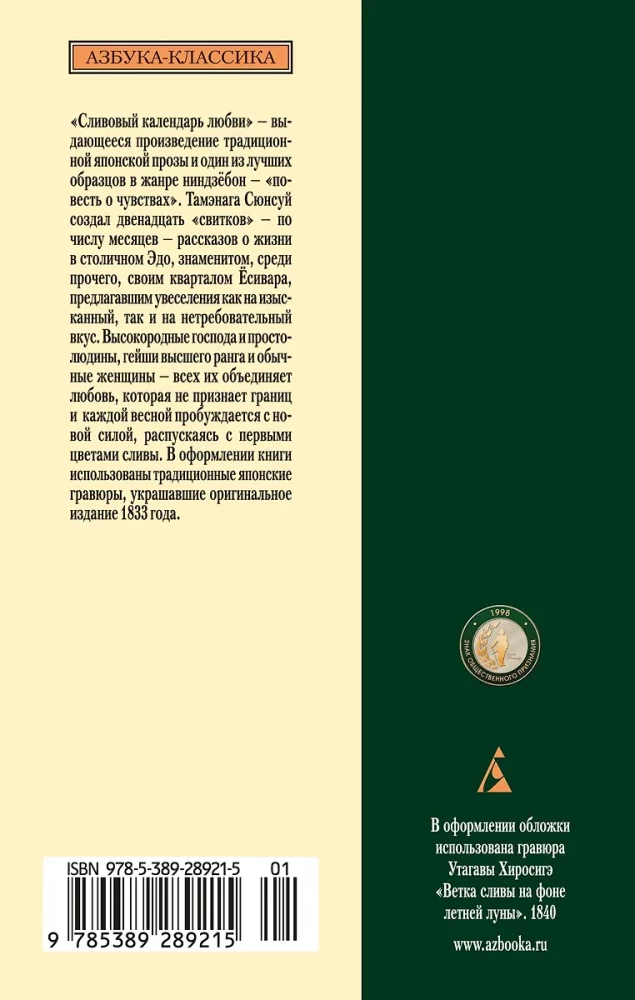
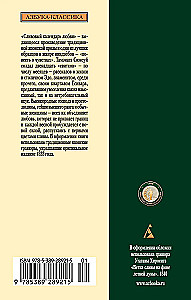
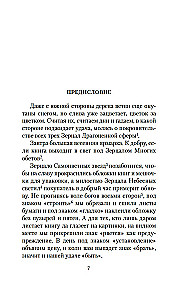
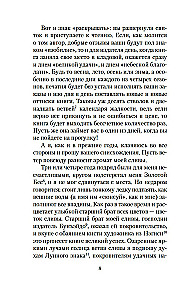
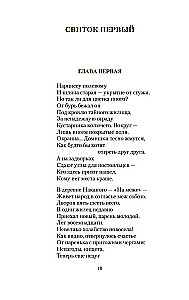
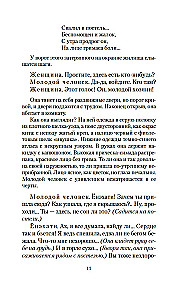
«Plum Calendar of Love» — an outstanding work of traditional Japanese prose and one of the best examples in the genre of ninjōbon — «stories of feelings». Taménaga Shunsui (the pseudonym of Japanese novelist Sasaki Sadataka) created twelve «scrolls» —...
one for each month — tales of life in the capital Edo, famous, among other things, for its Yoshiwara district, offering entertainments for both refined and less demanding tastes. Noble lords and commoners, high-ranking geishas and ordinary women — all are united by love, which recognizes no boundaries and awakens each spring with renewed strength, blooming with the first plum blossoms.
The success of ninjōbon became one of the reasons for the persecution of literature by the authorities of Japan, who were irritated by the popularity of books that did not carry the proper ideological weight. In 1842, writers, publishers, and artists were even brought to justice and faced punishments and fines, while books and printing plates were mass burned. Taménaga Shunsui was among those who suffered particularly harsh repressions and soon died, unable to withstand the shock. Only by the middle of the century could writers in Japan once again return to forbidden themes and revive light genres, including ninjōbon.
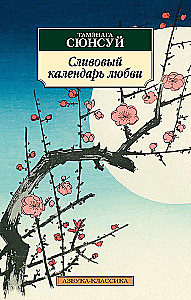
The book's design features traditional Japanese engravings that adorned the original edition of 1833.
The success of ninjōbon became one of the reasons for the persecution of literature by the authorities of Japan, who were irritated by the popularity of books that did not carry the proper ideological weight. In 1842, writers, publishers, and artists were even brought to justice and faced punishments and fines, while books and printing plates were mass burned. Taménaga Shunsui was among those who suffered particularly harsh repressions and soon died, unable to withstand the shock. Only by the middle of the century could writers in Japan once again return to forbidden themes and revive light genres, including ninjōbon.
The book's design features traditional Japanese engravings that adorned the original edition of 1833.
Author: Тамэнага Сюнсуй
Printhouse: Azbuka
Series: Alphabet-Classics
Age restrictions: 16+
Year of publication: 2025
ISBN: 9785389289215
Number of pages: 320
Size: 180х115х15 mm
Cover type: soft
Weight: 160 g
ID: 1708171
In stock
€ 3.79
Will be delivered to United States on 25 September (Fr):
By courier
from € 38.94
Bestsellers








Bestseller
€ 12.19
In stock
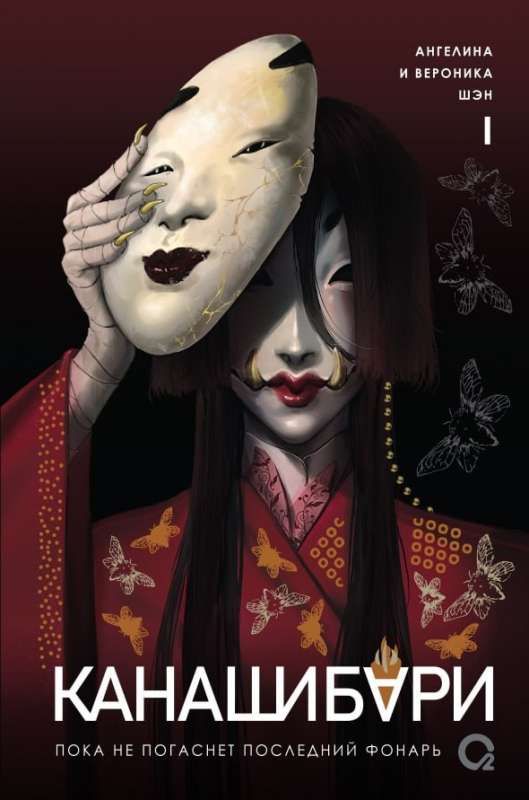
Kanashibari. Until the Last Lantern Goes Out. Volume 1
Ангелина Шэн, Вероника Шэн