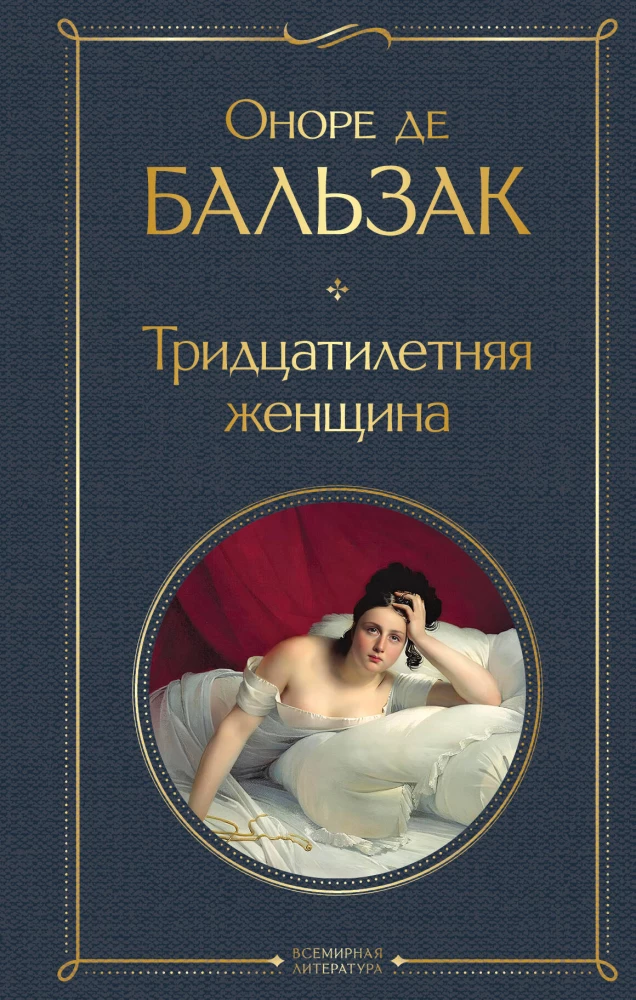
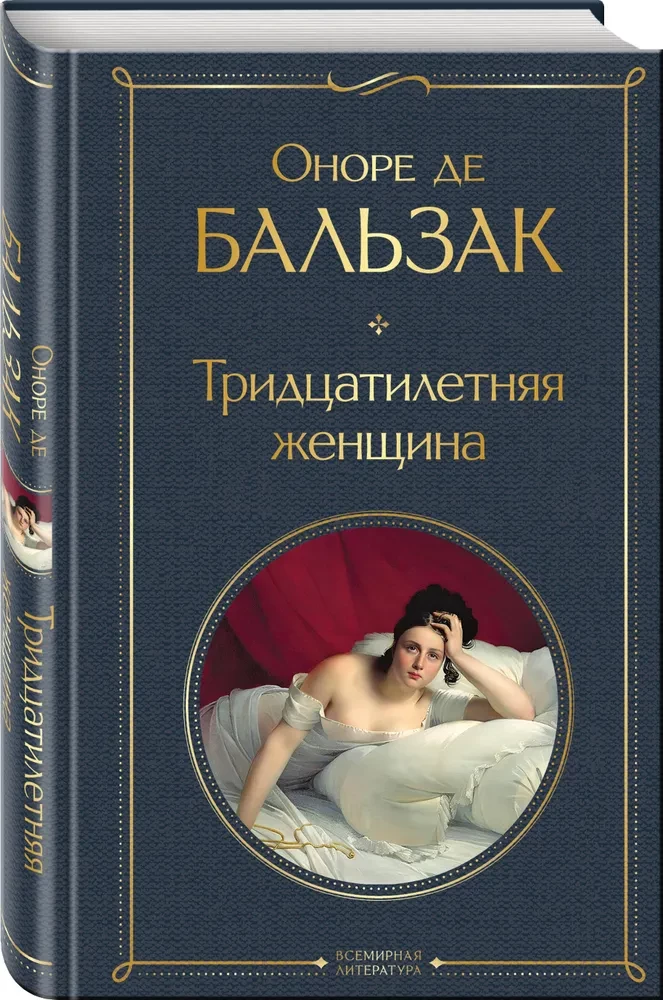
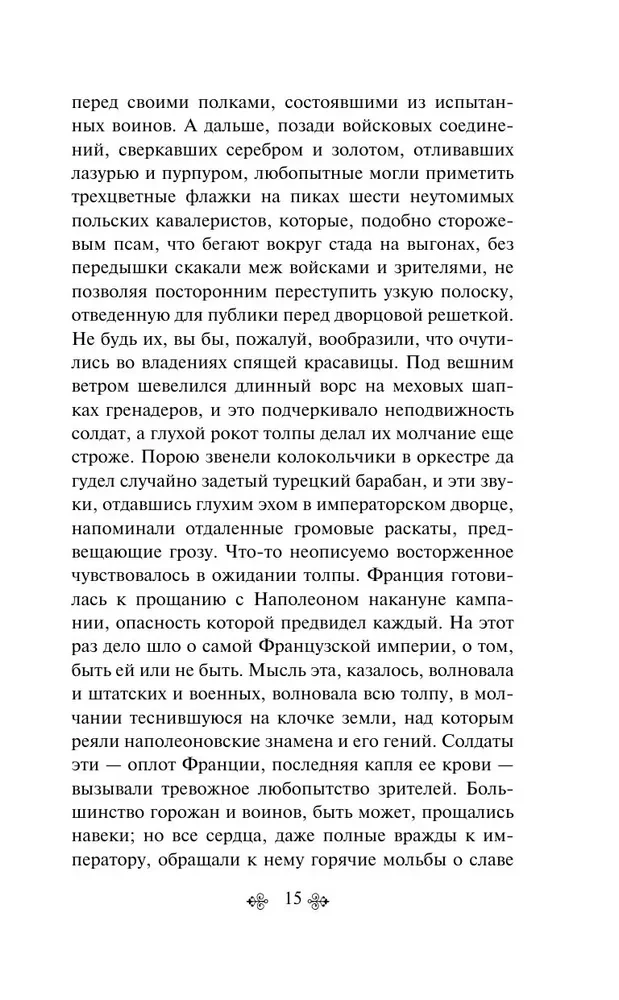
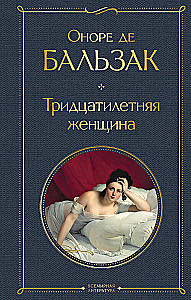
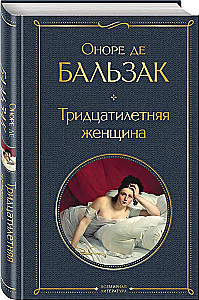
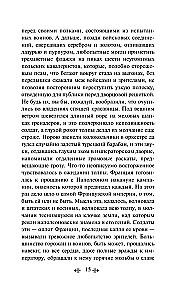
The Thirty-Year-Old Woman
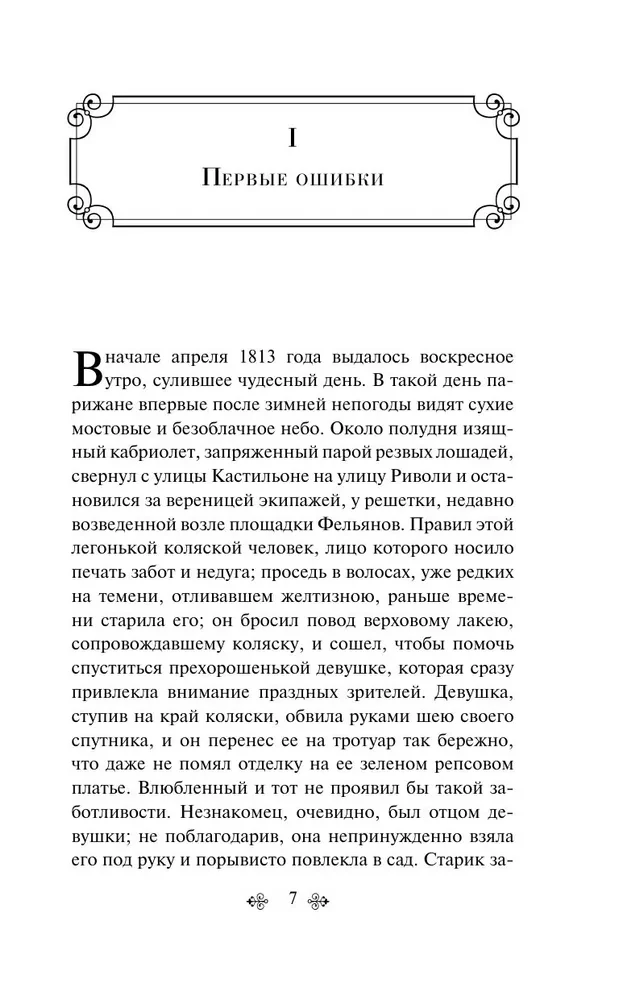
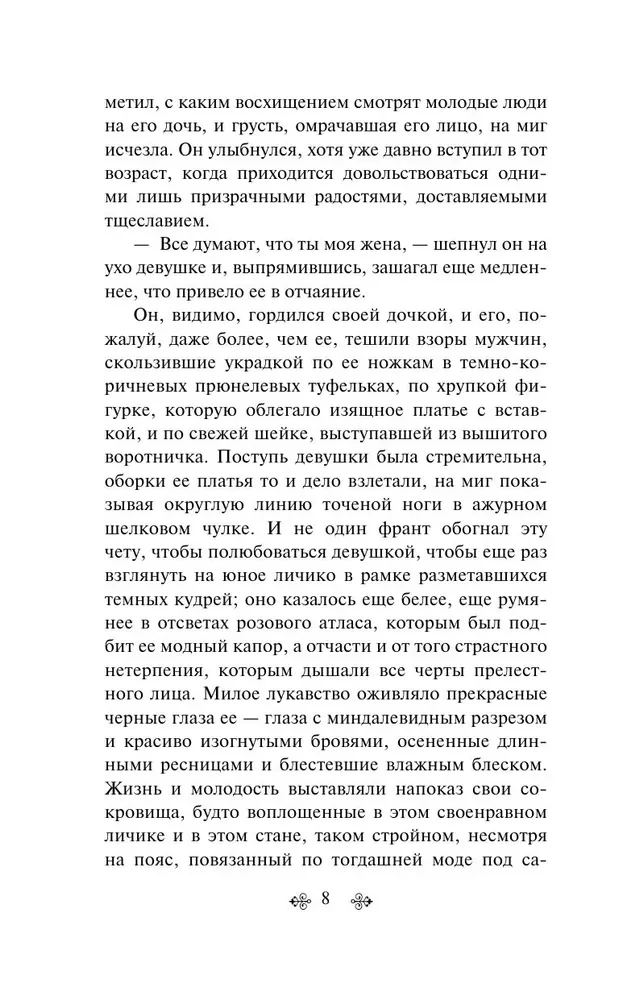
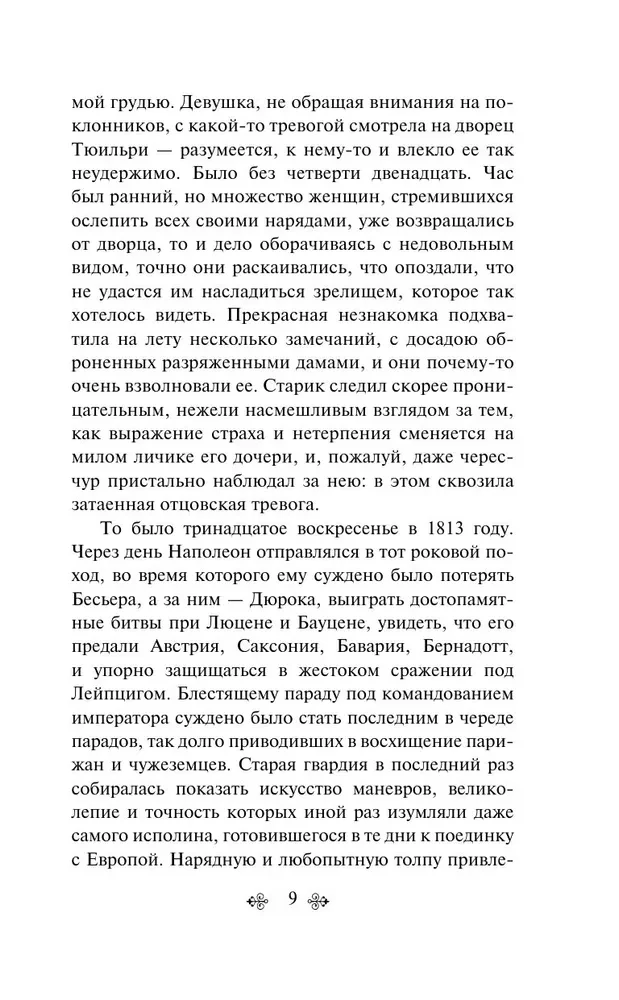
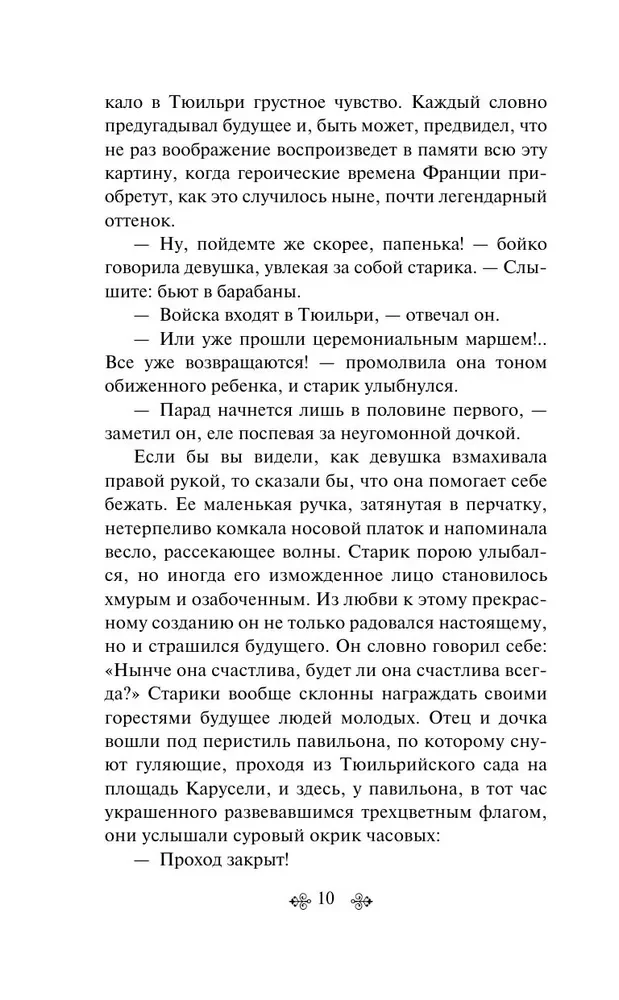
"The Thirty-Year-Old Woman" occupies an honorable place in Balzac's legacy, complementing the vibrant palette of "Scenes from Private Life." This elegant and tender narrative about love in its highest forms has simultaneously become a requiem for married life. The heroine...
of the novel, Julie, an extraordinary, independent, and free-spirited woman, bids farewell to youthful illusions and becomes disillusioned with marriage. After all, "it is often not the sorrows themselves that destroy us, but the lost hopes." And when you melt away from your husband's indifference and coldness, doesn't it sometimes "seem that legalized love is more burdensome than criminal passion"? "...And since in France, as well as in the whole world, thousands, tens of thousands, hundreds of thousands of women feel misunderstood and disappointed, they find in Balzac a physician who was the first to name their ailment. He excuses any wrong step they take, provided that this step is taken out of love; he dares to say that not only the 'thirty-year-old woman' but also the 'forty-year-old woman,' and even she, who has experienced and learned everything, has the highest right to love." Stefan Zweig
Author: Оноре де Бальзак
Printhouse: Eksmo
Series: World Literature
Age restrictions: 16+
Year of publication: 2025
ISBN: 9785042108754
Number of pages: 256
Size: 208x133x20 mm
Cover type: твердая
Weight: 241 g
ID: 1704454
Available from suppliers
Expected delivery time – up to 2 weeks
€ 4.39
Available from suppliers
Expected delivery time – up to 2 weeks
€ 4.39
Bestsellers












Publishers "Eksmo" recommends








Bestseller
€ 13.49
In stock
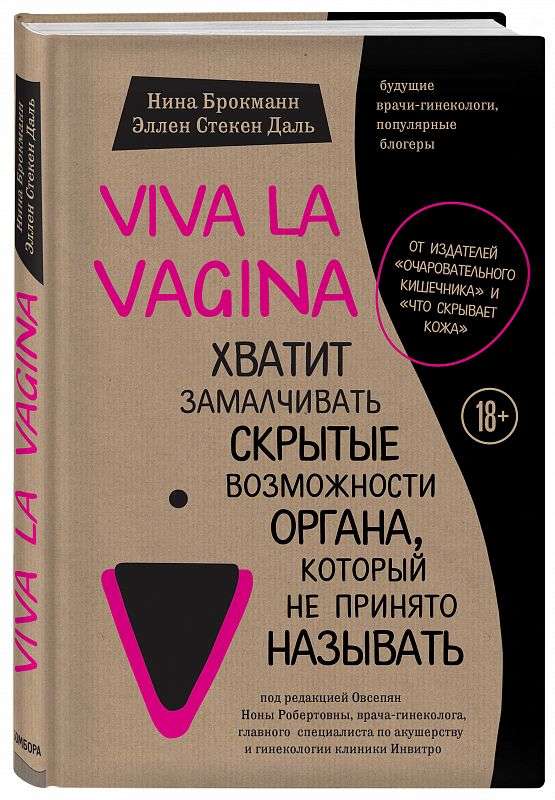
Viva la vagina. Хватит замалчивать скрытые возможности органа, который не принято называть
БРОКМАНН Н., СТЁКЕН ДАЛЬ Э.