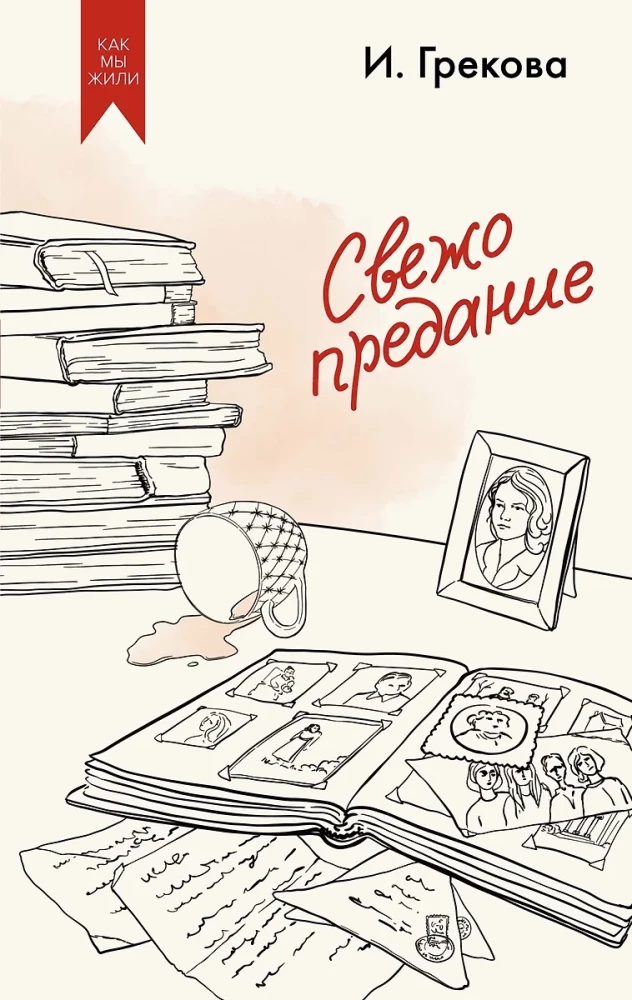
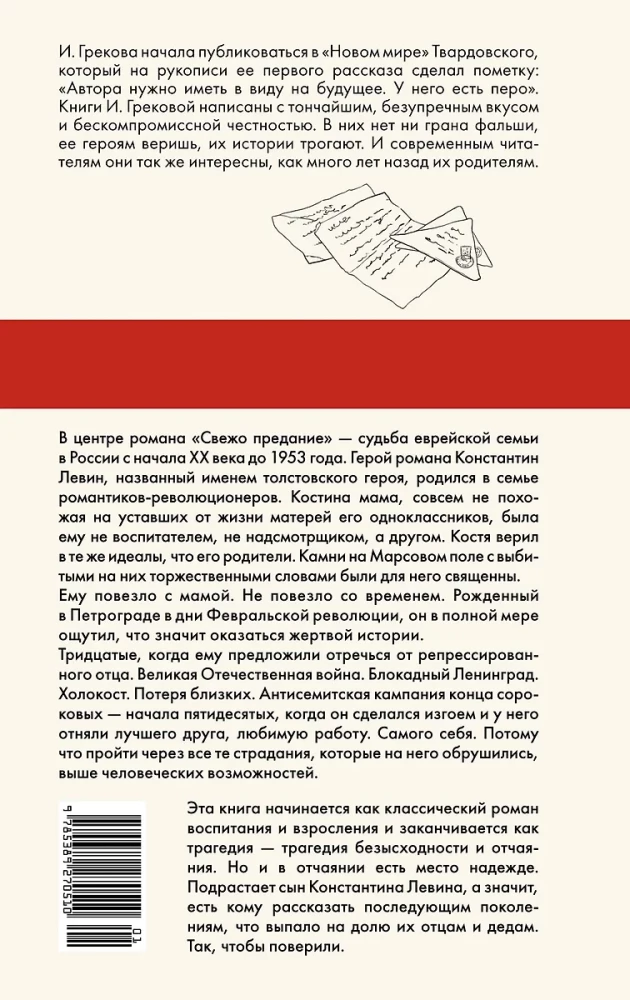
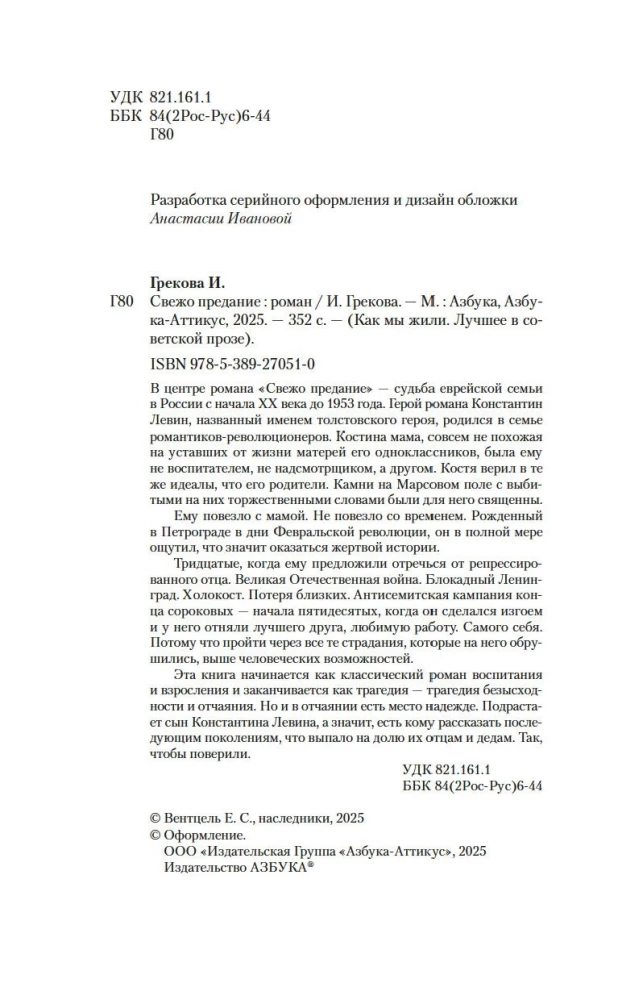


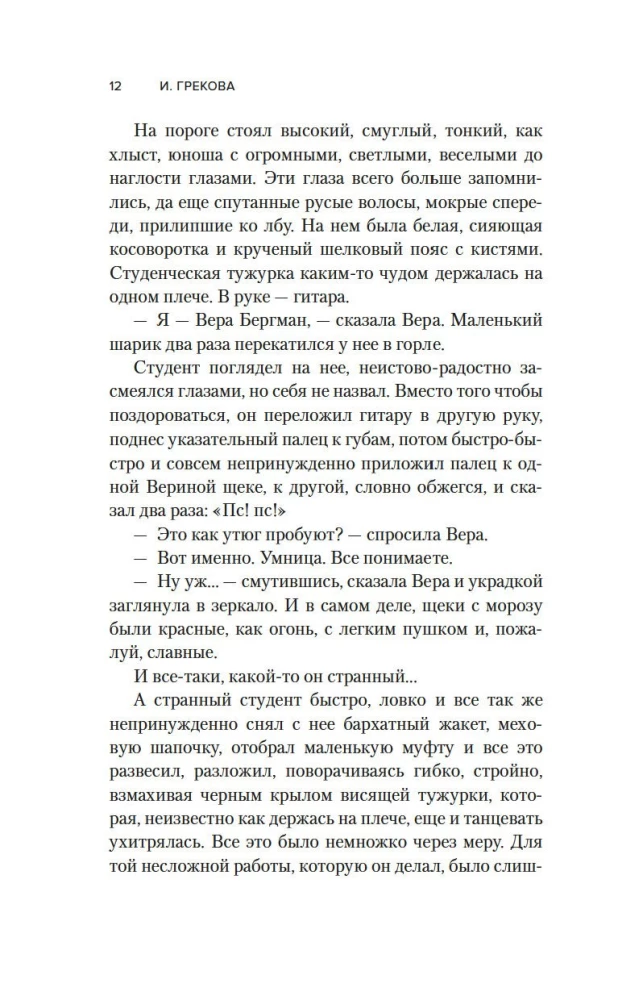
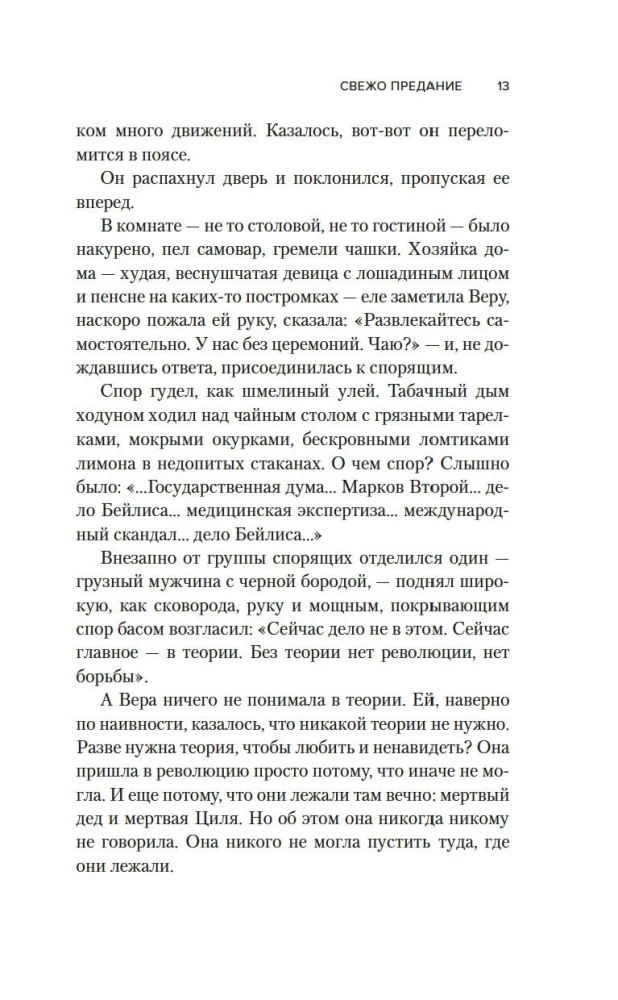
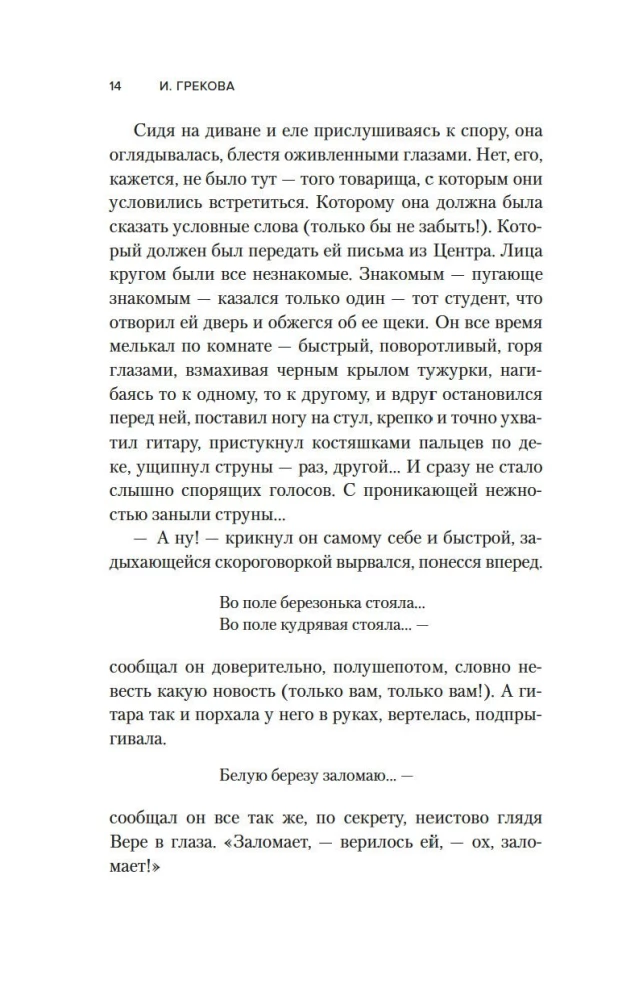
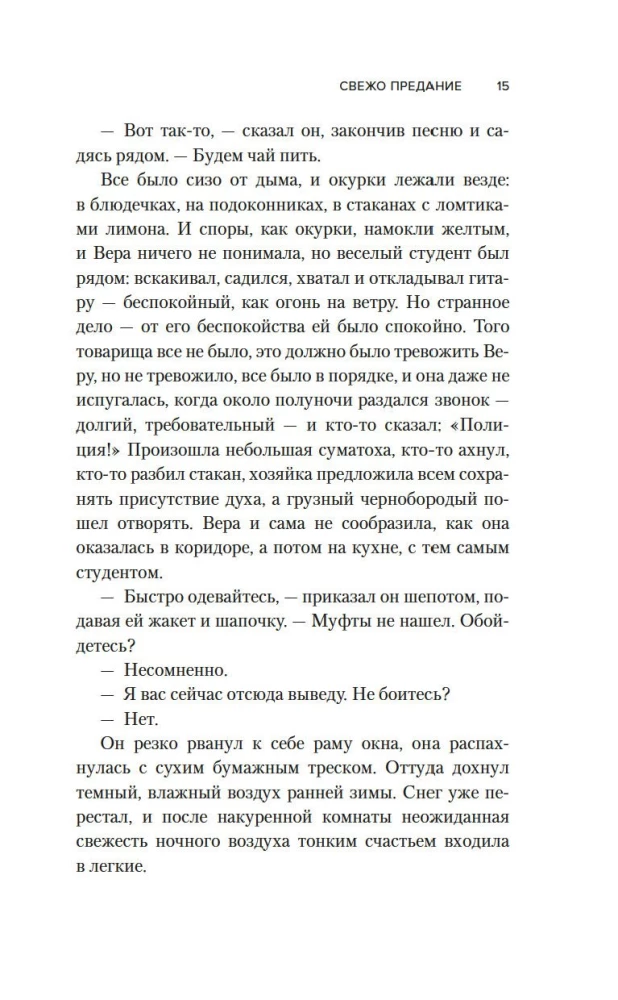
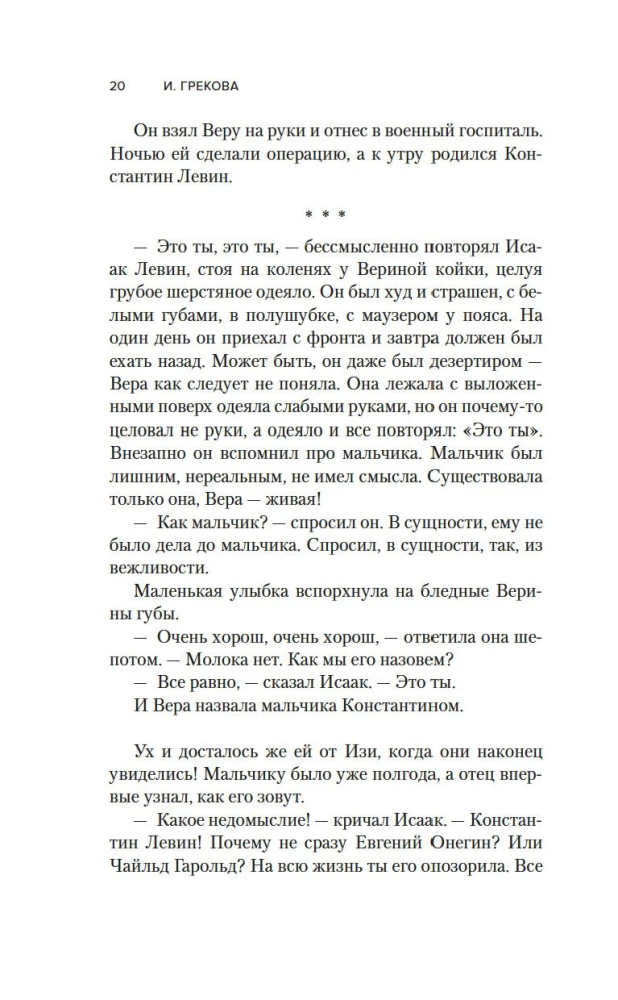
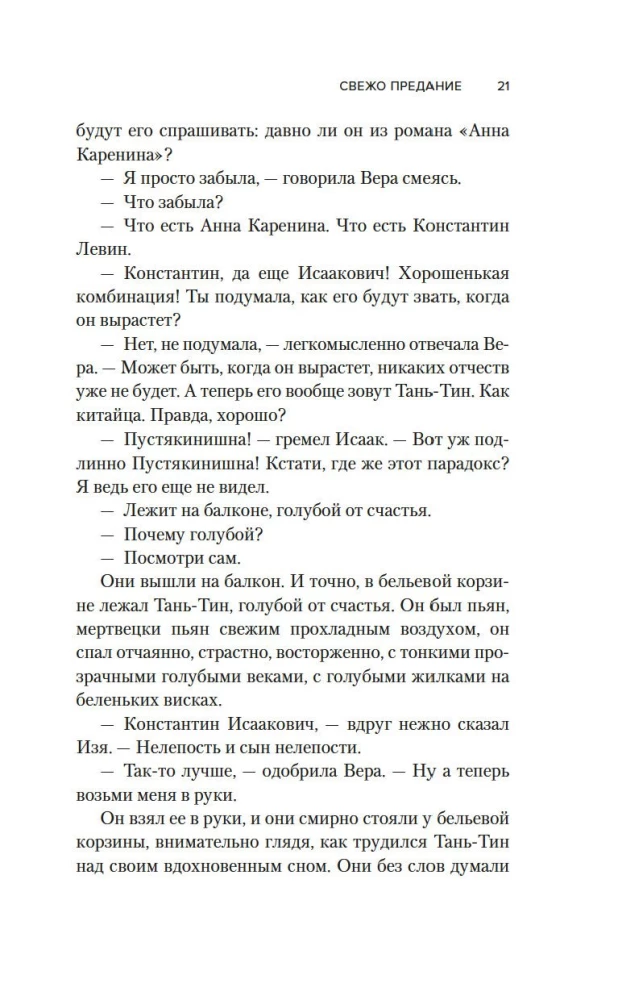
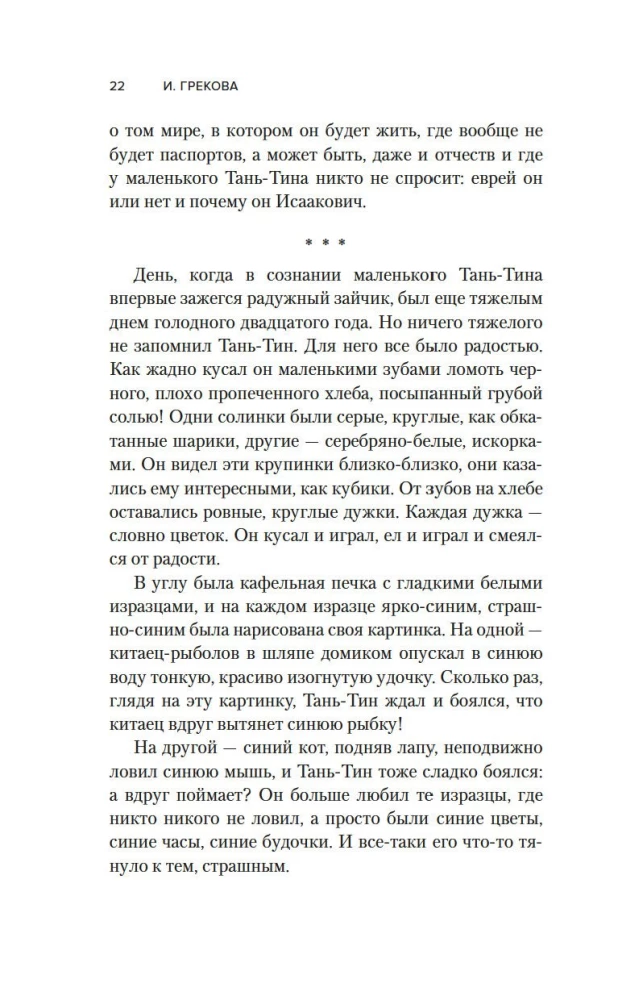
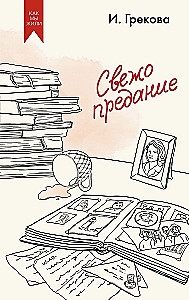


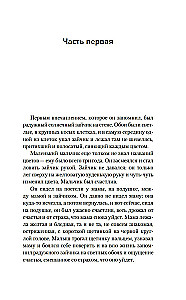
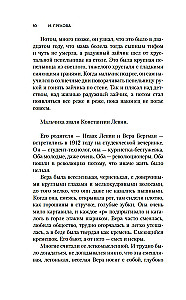
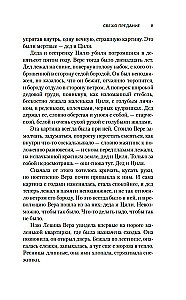
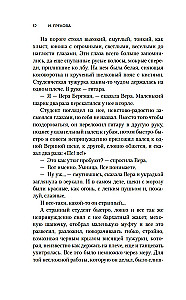
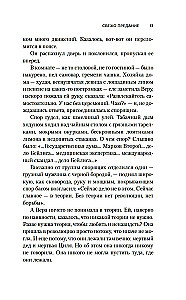
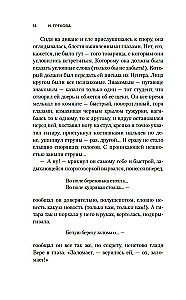
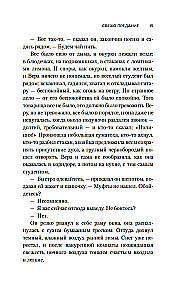
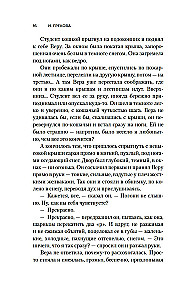
At the center of the novel "Fresh Tradition" is the fate of a Jewish family in Russia from the beginning of the 20th century until 1953. The protagonist of the novel, Konstantin Levin, named after the character from Tolstoy, was...
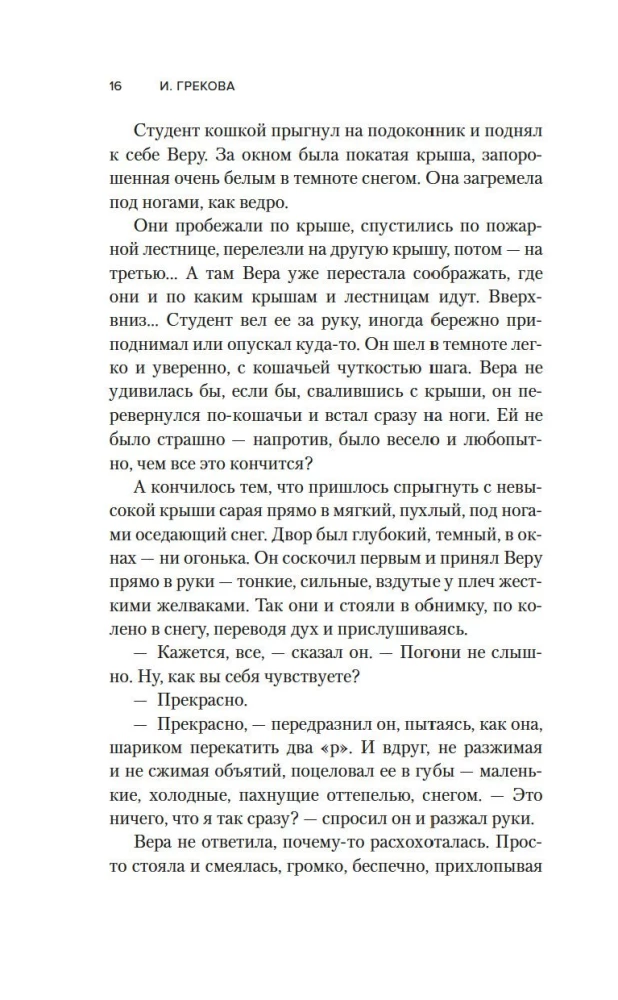
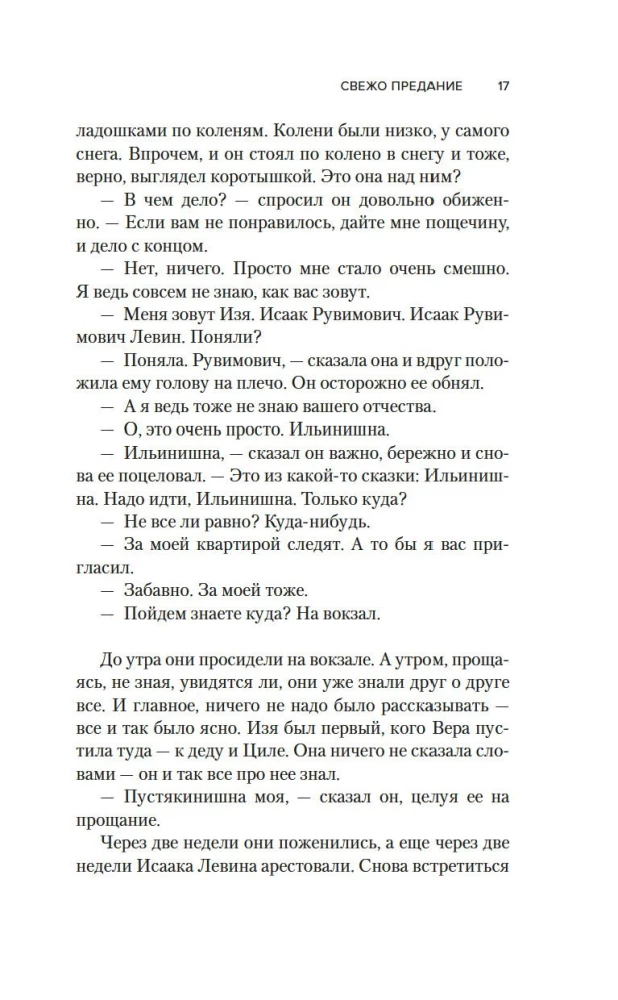
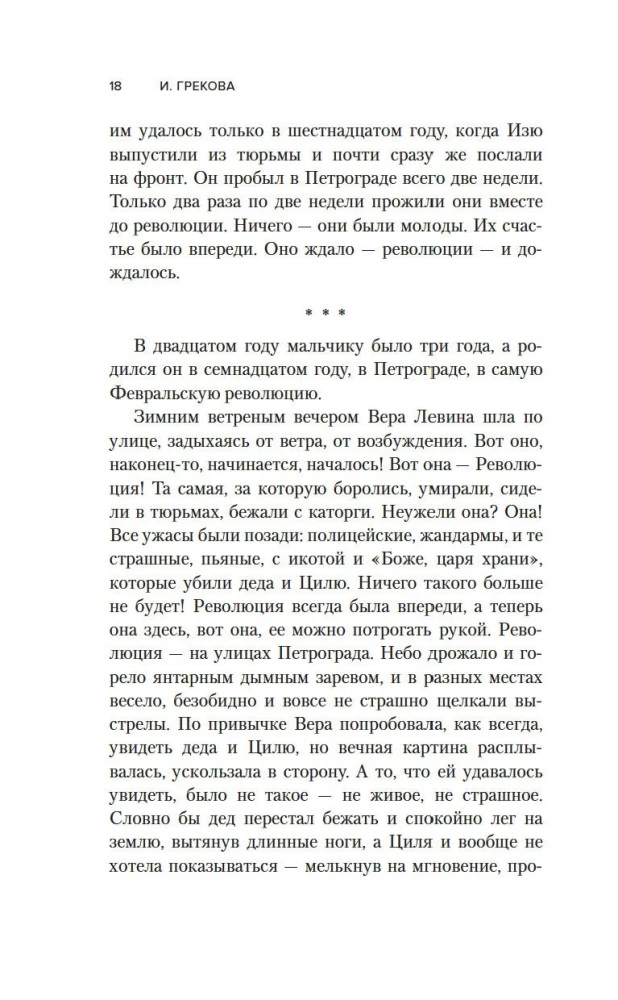
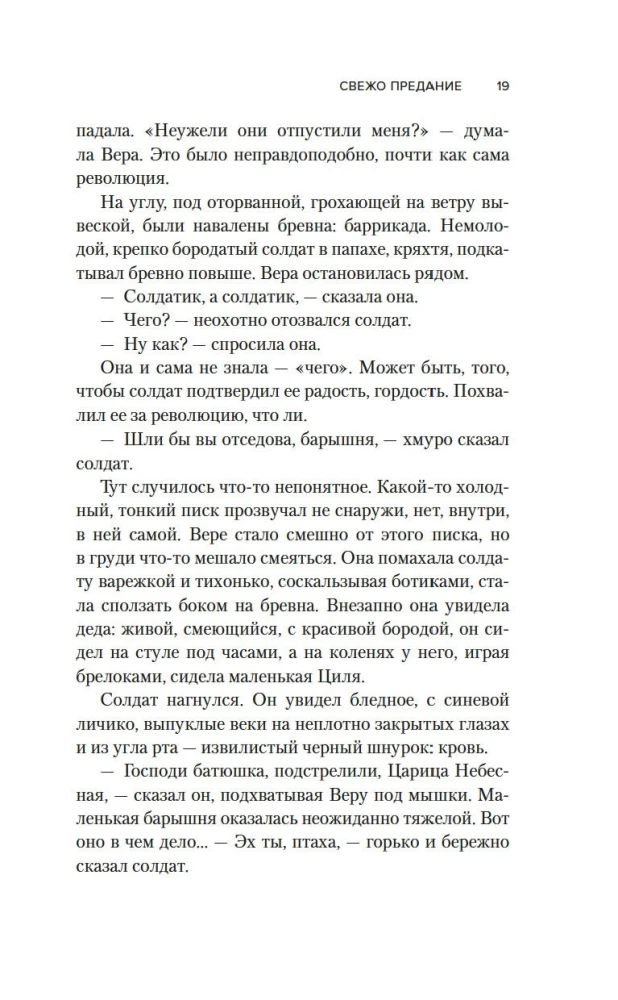
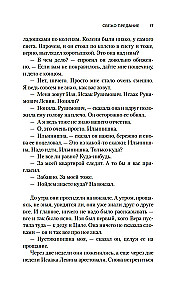
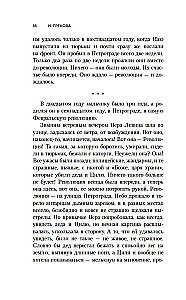
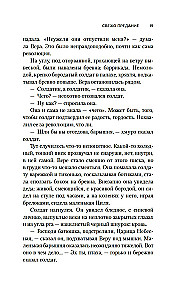
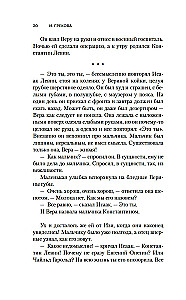
born into a family of romantic revolutionaries. His mother, unlike the exhausted mothers of his classmates, was not a caretaker, not a supervisor, but a friend. Kostya believed in the same ideals as his parents. The stones in Marsovo Field, with their inscribed solemn words, were sacred to him. He was lucky with his mother. He was unlucky with the times. Born in Petrograd during the days of the February Revolution, he fully felt what it meant to become a victim of history. The thirties, when he was asked to renounce his repressed father. The Great Patriotic War. Blockaded Leningrad. The Holocaust. The loss of loved ones. The antisemitic campaign of the late forties and early fifties, when he became an outcast and lost his best friend, his beloved work. Himself. Because enduring all the suffering that came upon him was beyond human capabilities.
This book begins as a classic coming-of-age novel and ends as a tragedy – a tragedy of hopelessness and despair. But even in despair, there is room for hope. Konstantin Levin’s son is growing up, which means there is someone to tell the subsequent generations about what their fathers and grandfathers endured. So that they may believe.

At the center of the novel "Fresh Tradition" is the fate of a Jewish family in Russia from the beginning of the 20th century until 1953. The protagonist of the novel, Konstantin Levin, named after the character from Tolstoy, was born into a family of romantic revolutionaries. His mother, unlike the exhausted mothers of his classmates, was not a caretaker, not a supervisor, but a friend. Kostya believed in the same ideals as his parents. The stones in Marsovo Field, with their inscribed solemn words, were sacred to him. He was lucky with his mother. He was unlucky with the times. Born in Petrograd during the days of the February Revolution, he fully felt what it meant to become a victim of history. The thirties, when he was asked to renounce his repressed father. The Great Patriotic War. Blockaded Leningrad. The Holocaust. The loss of loved ones. The antisemitic campaign of the late forties and early fifties, when he became an outcast and lost his best friend, his beloved work. Himself. Because enduring all the suffering that came upon him was beyond human capabilities.
This book begins as a classic coming-of-age novel and ends as a tragedy – a tragedy of hopelessness and despair. But even in despair, there is room for hope. Konstantin Levin’s son is growing up, which means there is someone to tell the subsequent generations about what their fathers and grandfathers endured. So that they may believe.
Be the first to know about our current discounts, offers and new products!
Check icon
You have added to your basket
Check icon
You have added to favourites
Sold out
The item is currently out of stock.
In stock
Available in warehouse. You will receive the exact delivery date from the operator after the order confirmation.
To order
The product is delivered directly from the publisher. The order processing time is up to 14 days, you will receive the exact delivery date from the operator after the order confirmation.
No circulation
Unfortunately, the print run of the book has ended, it is currently unavailable for order.