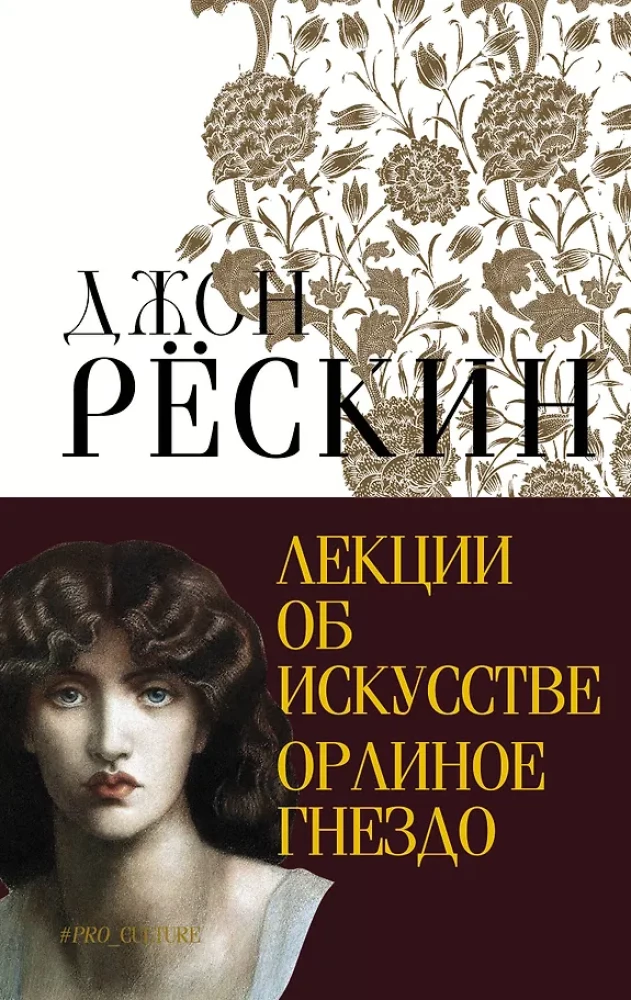

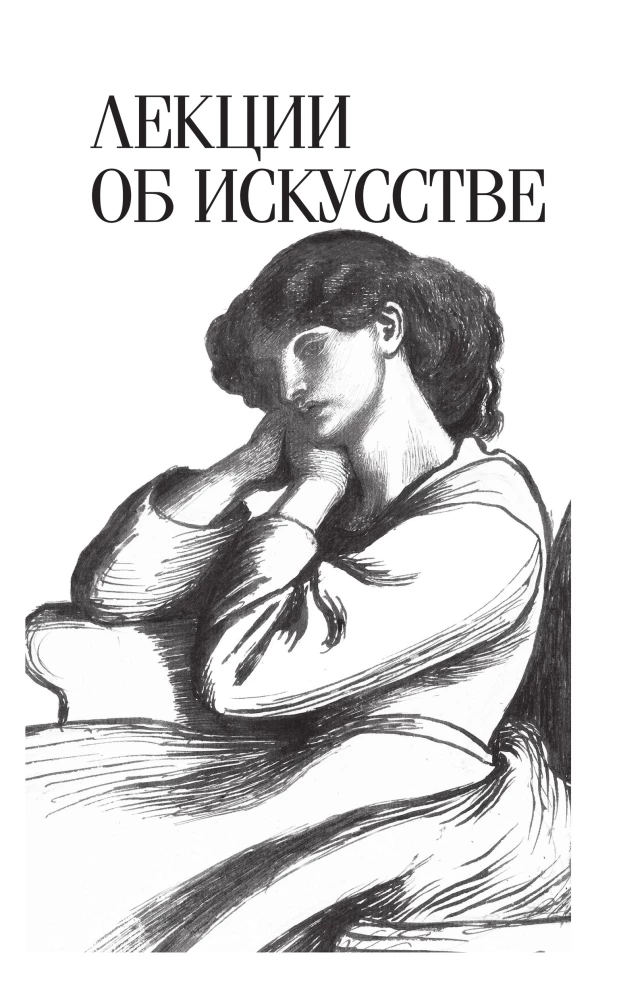

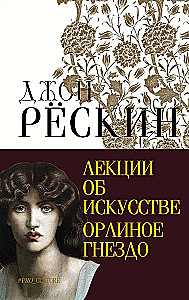
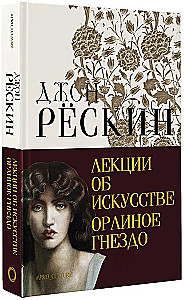
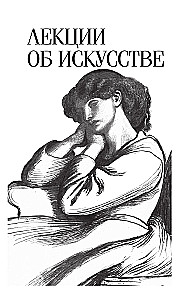

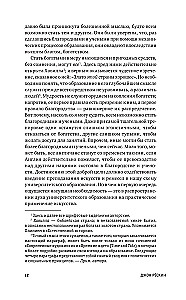
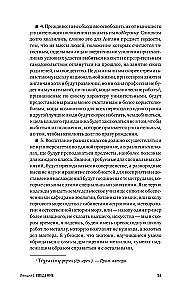
Lectures on Art. Eagle's Nest
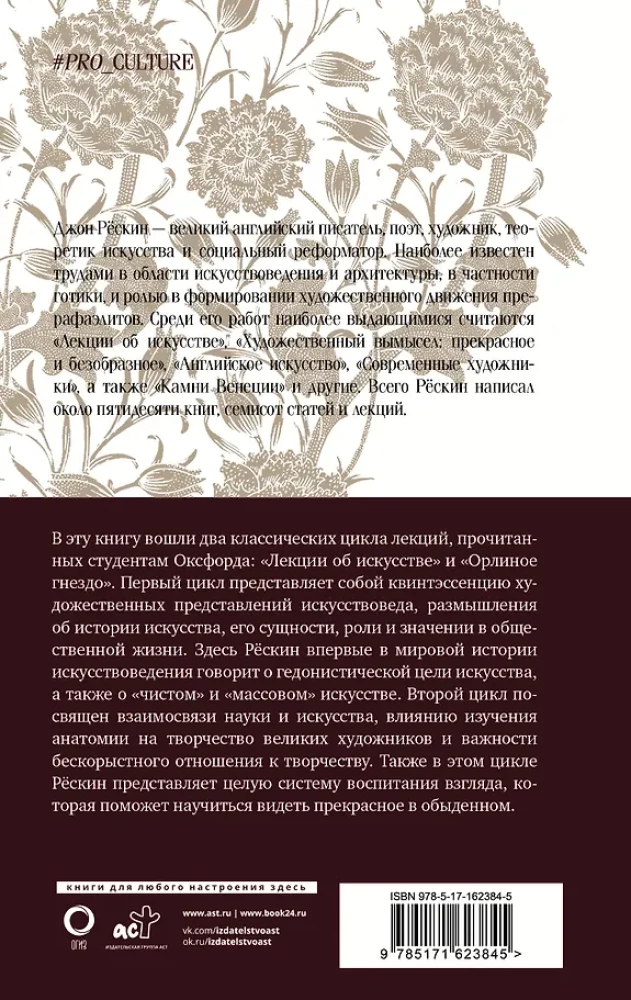
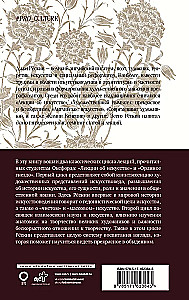
John Ruskin is a great English writer, poet, artist, art theorist, and social reformer. He is best known for his works in the field of art history and architecture, particularly Gothic, and his role in shaping the Pre-Raphaelite art movement....
Among his works, the most remarkable are “Lectures on Art,” “Artistic Fiction: The Beautiful and the Ugly,” “English Art,” “Modern Painters,” as well as “The Stones of Venice” and others. In total, Ruskin wrote about fifty books, seven hundred articles, and lectures. This book includes two classic cycles of lectures delivered to Oxford students: “Lectures on Art” and “Eagle's Nest.” The first cycle is a quintessence of the art historian’s artistic representations, reflections on the history of art, its essence, role, and significance in social life. Here, Ruskin is the first in the history of art history to speak about the hedonistic purpose of art, as well as “pure” and “mass” art. The second cycle is devoted to the relationship between science and art, the influence of anatomy studies on the creativity of great artists, and the importance of selfless attitude towards creativity. In this cycle, Ruskin also presents a whole system of educating the eye, which will help learn to see the beautiful in the mundane.
Author: Джон Рёскин
Printhouse: AST
Series: Absolute Non-Fiction
Age restrictions: 12+
Year of publication: 2024
ISBN: 9785171623845
Number of pages: 320
Size: 206x133x29 mm
Cover type: hard
Weight: 345 g
ID: 1647790
In stock
€ 10.79
Will be delivered to United States on 29 September (Tu):
By courier
from € 38.94
Bestsellers

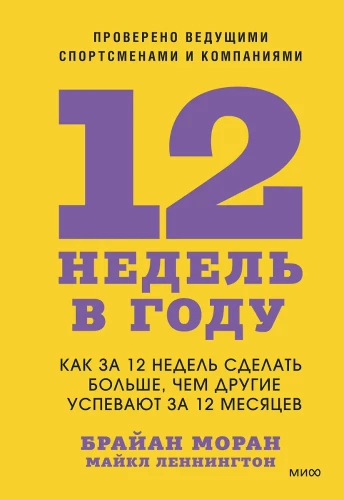
€ 13.29
In stock
12 Weeks in a Year. How to Achieve More in 12 Weeks Than Others Do in 12 Months
Майкл Леннингтон, Брайан Моран

€ 7.89
In stock
Choice. On the Freedom and Inner Strength of a Person
Эдит Ева Эгер, Эсме Швалль-Вейганд


€ 14.99
In stock
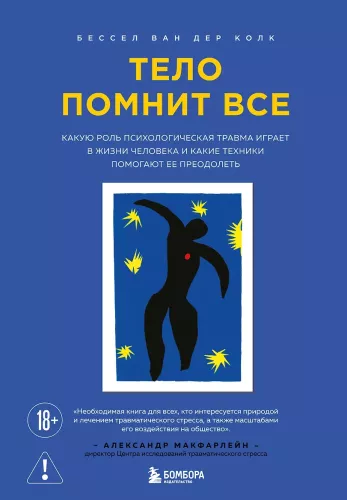
The Body Remembers Everything: The Role of Psychological Trauma in a Person's Life and Techniques to Overcome It
Бессел ван дер Колк

€ 6.99
In stock
![[НЕ]ВЕРНОСТЬ. Что делать, когда не знаешь, что делать](https://static.mnogoknig.com/media/372416/a9a59434-4a89-40ec-835d-0286347946cb.gif)