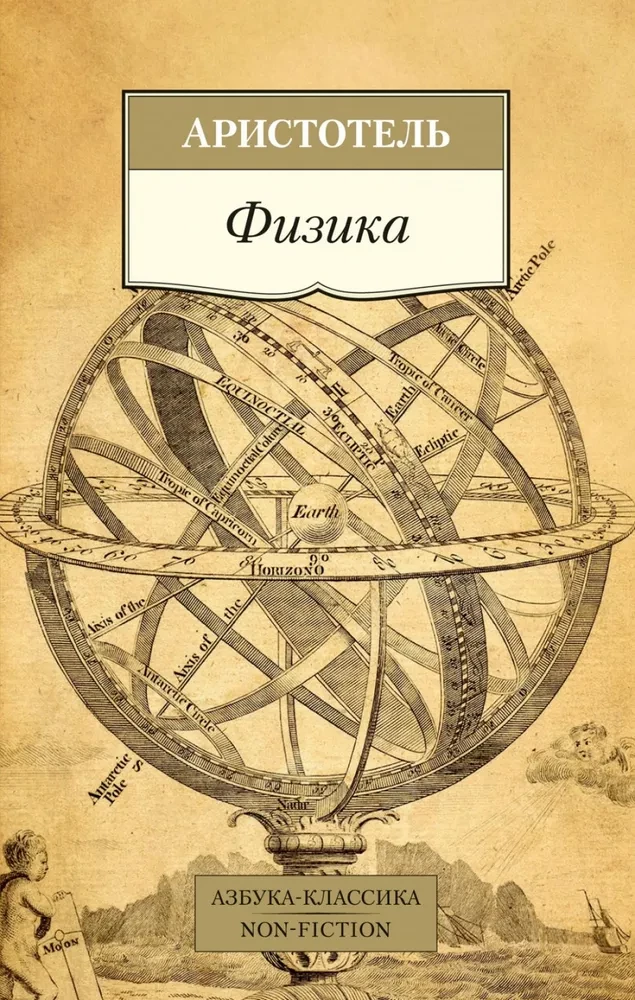
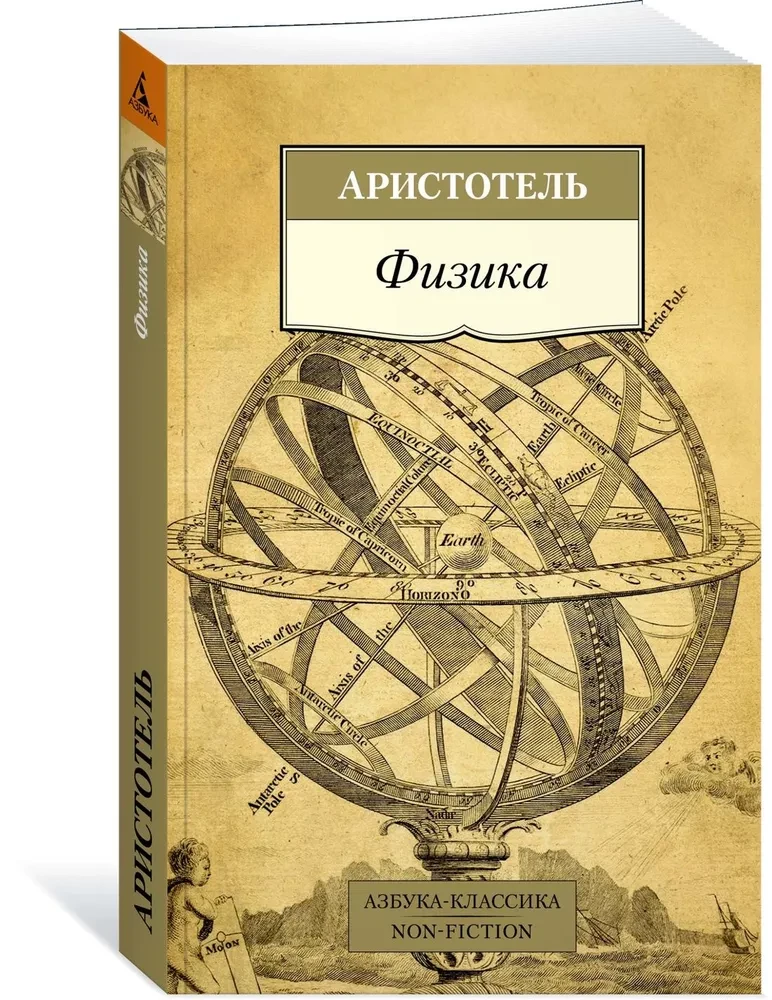
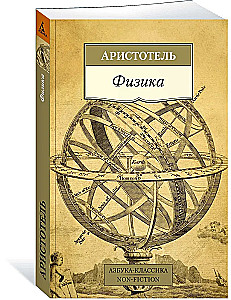
Physics
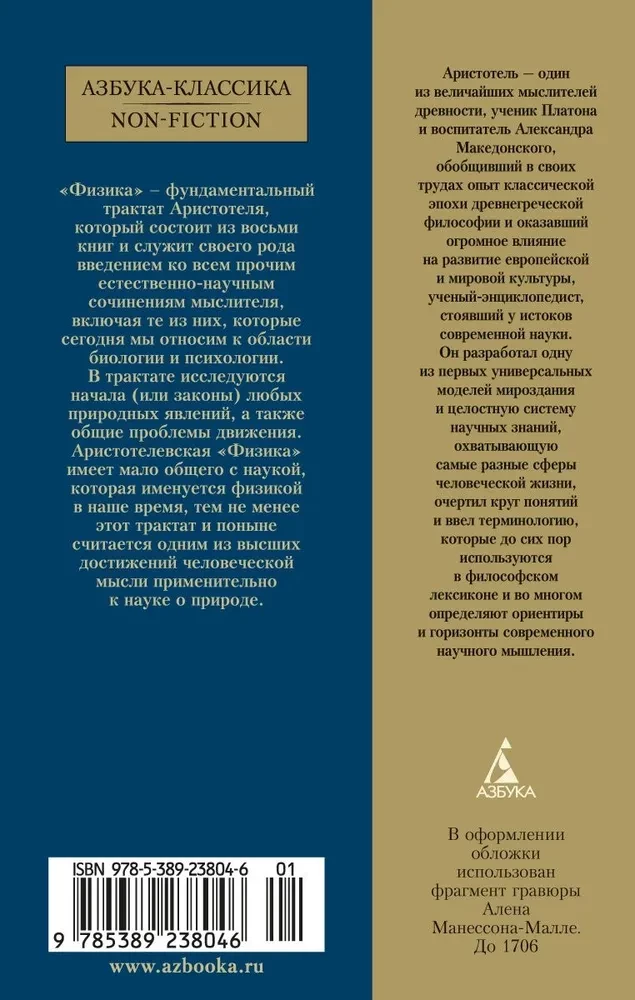
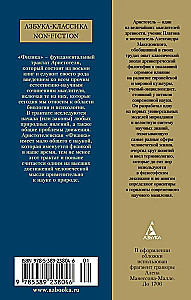
Aristotle is one of the greatest thinkers of antiquity, a student of Plato and educator of Alexander the Great, who summarized in his works the experience of the classical era of ancient Greek philosophy and had a huge influence on...
the development of European and world culture, an encyclopedist who stood at the origins of modern science. He developed one of the first universal models of the universe and an integral system of scientific knowledge, covering a variety of spheres of human life, outlined a range of concepts and introduced terminology that are still used in the philosophical lexicon and largely determine the guidelines and horizons of modern scientific thinking.
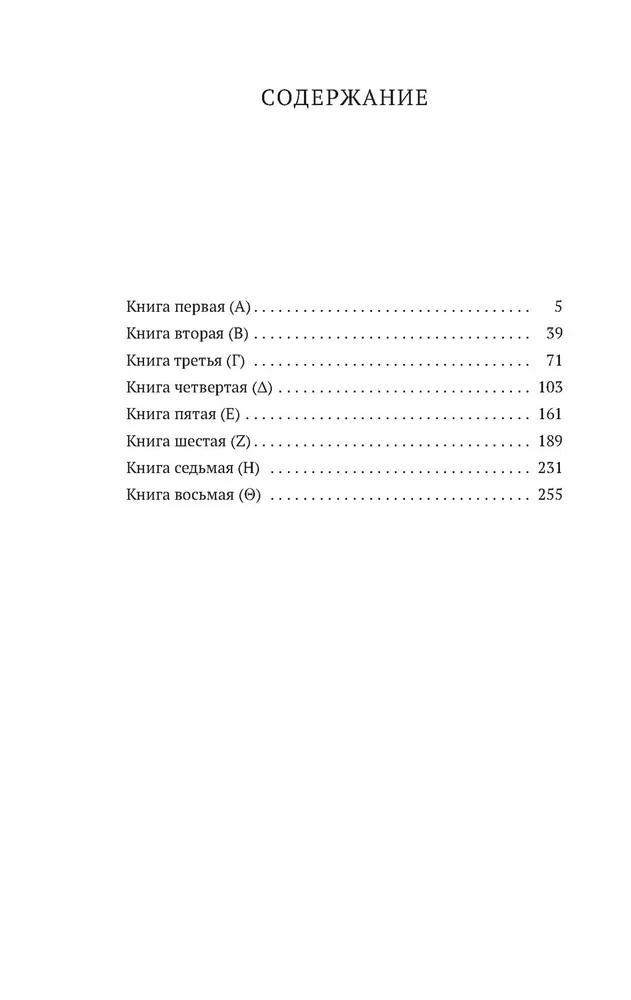
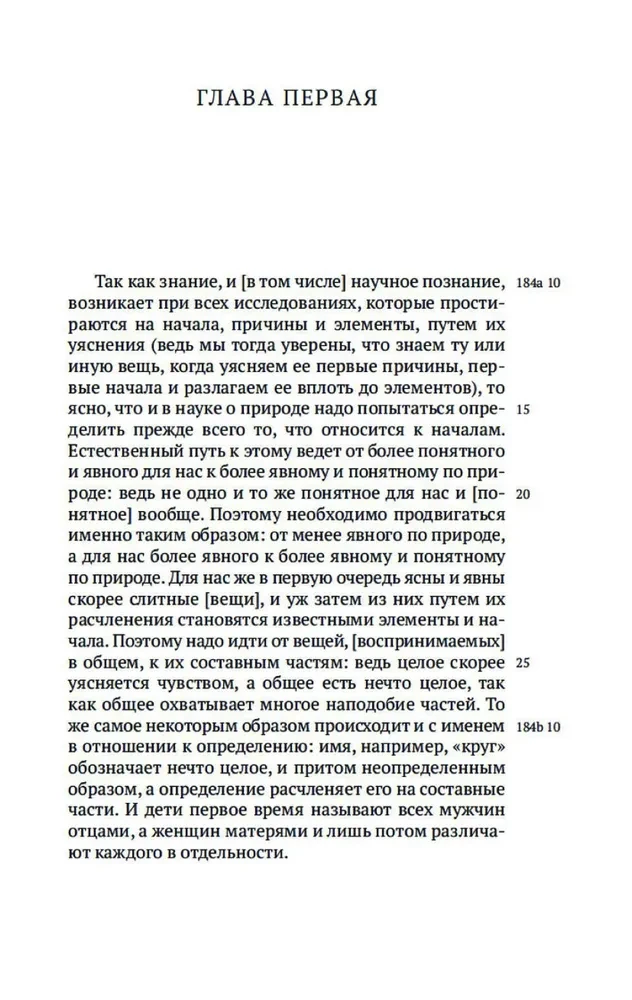
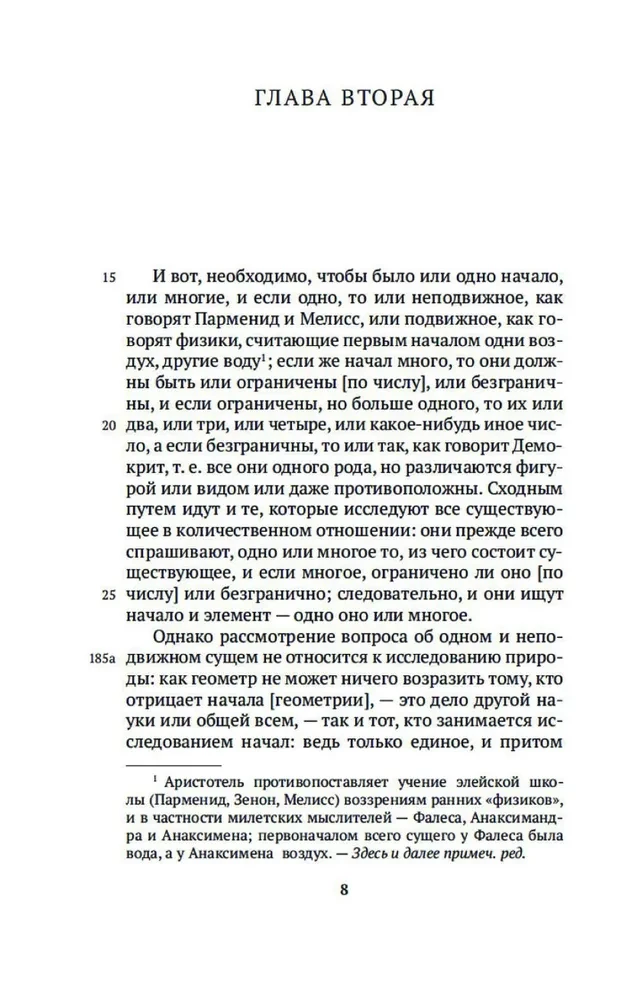
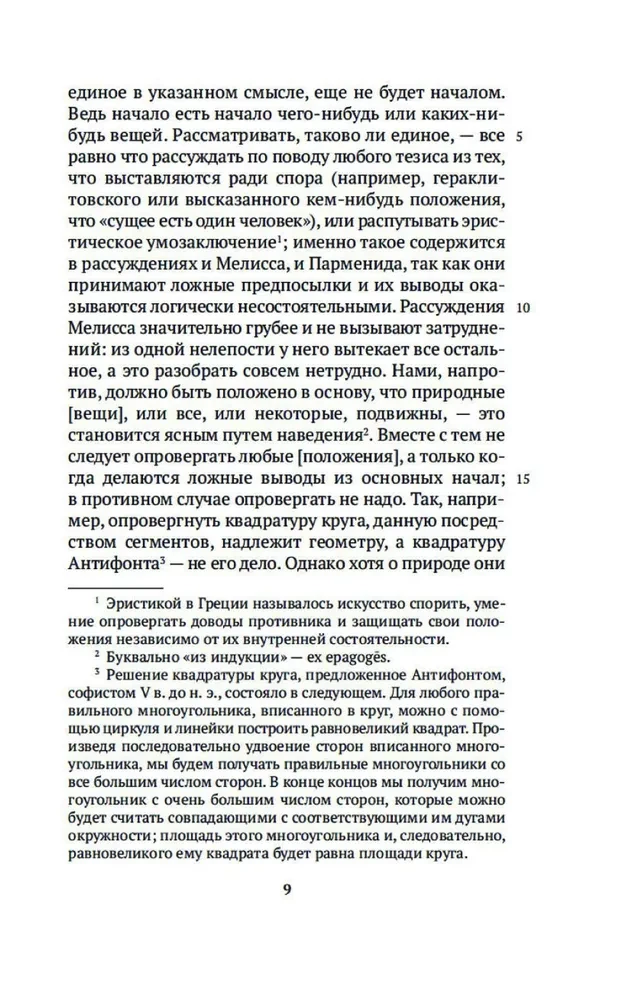
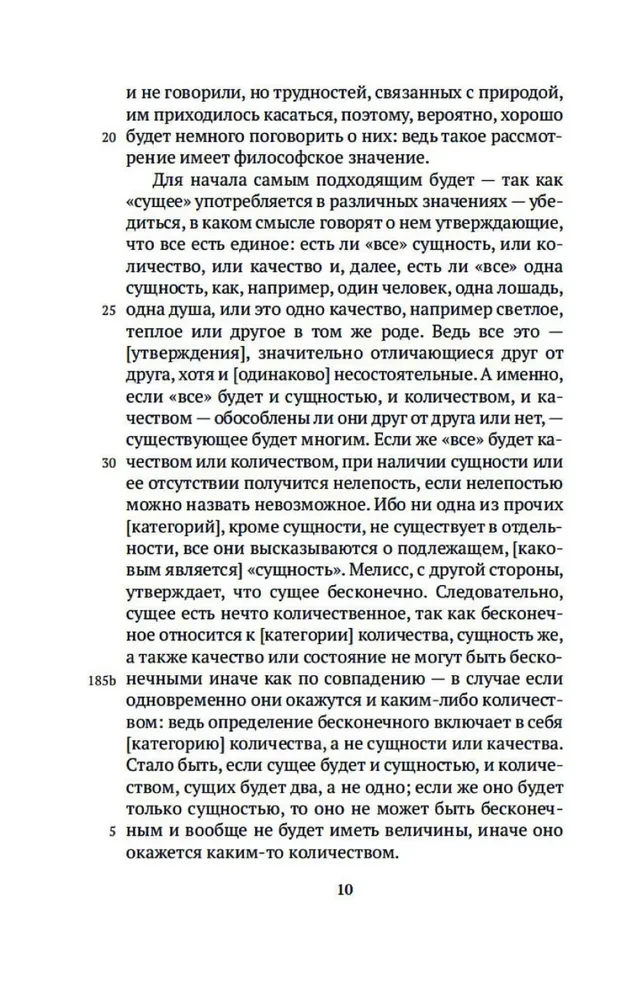
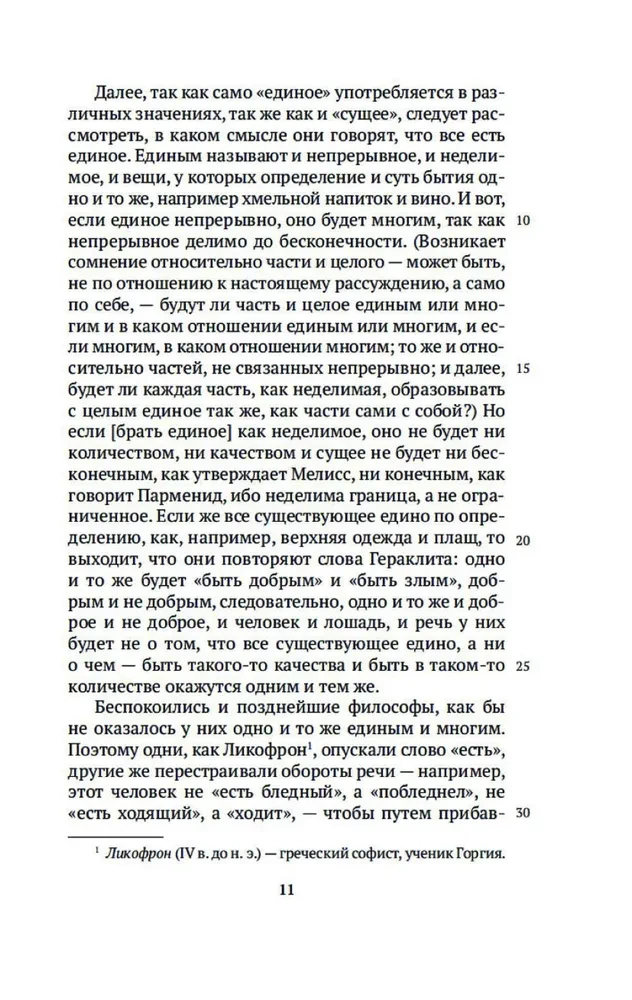
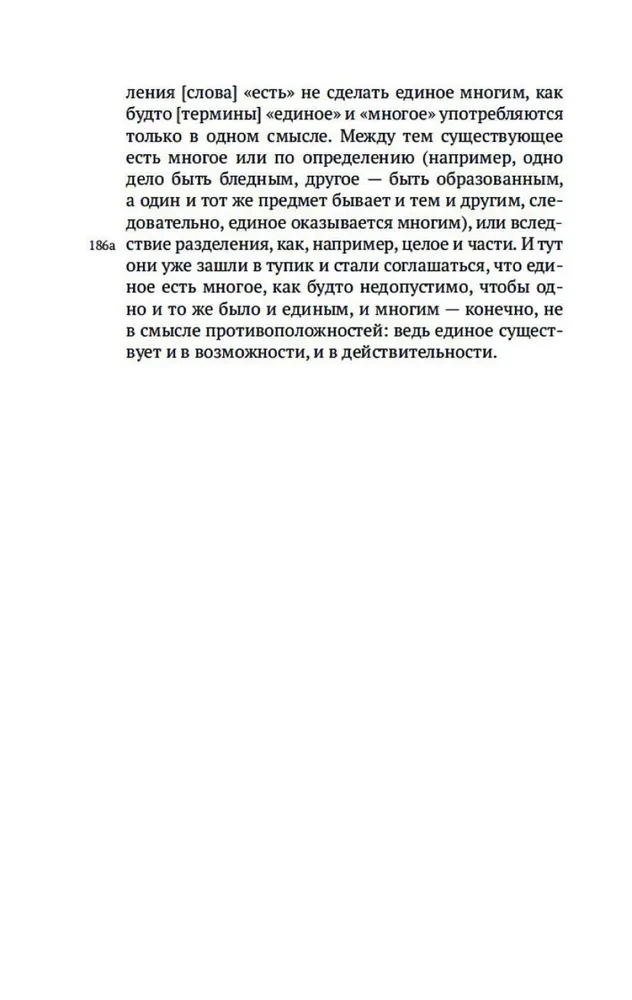
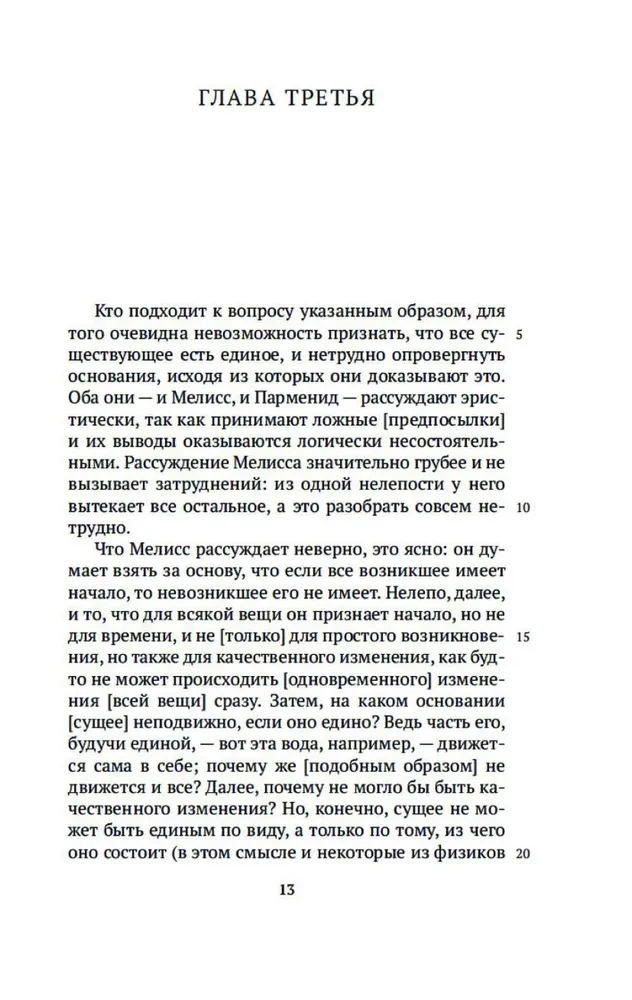
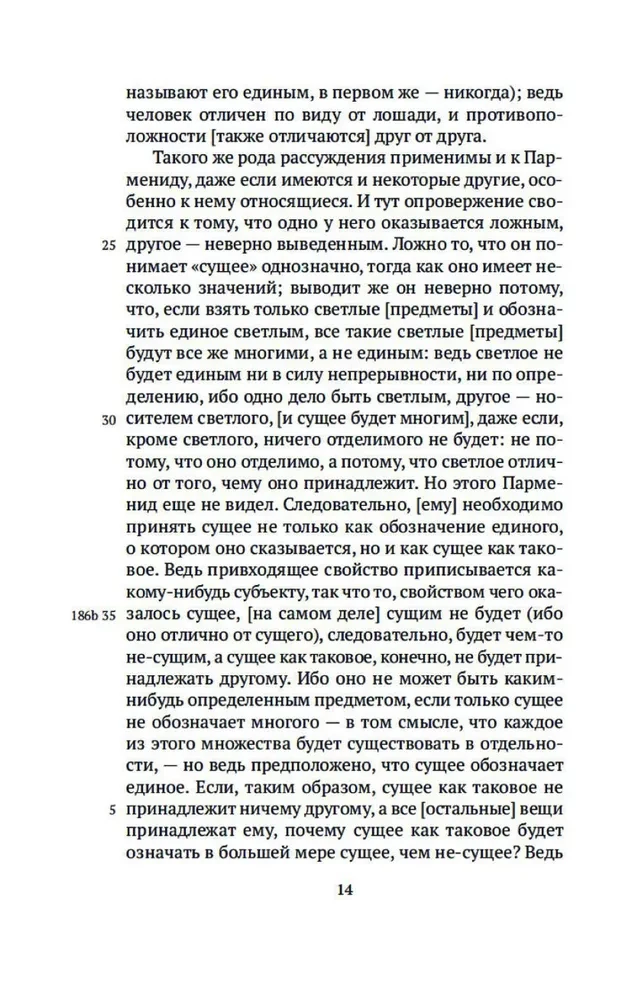
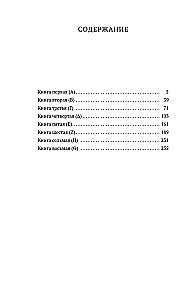
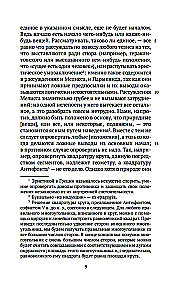
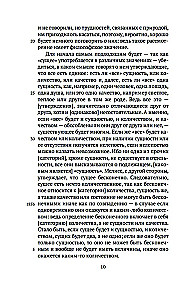
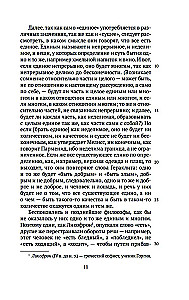
“Physics” is Aristotle’s fundamental treatise, which consists of eight books and serves as a kind of introduction to all other natural scientific works of the thinker, including those that today we classify as biology and psychology. The treatise examines the principles (or laws) of any natural phenomena, as well as general problems of movement. Aristotle's "Physics" has little in common with the science that is called physics in our time, nevertheless, this treatise is still considered one of the highest achievements of human thought in relation to the science of nature.
“Physics” is Aristotle’s fundamental treatise, which consists of eight books and serves as a kind of introduction to all other natural scientific works of the thinker, including those that today we classify as biology and psychology. The treatise examines the principles (or laws) of any natural phenomena, as well as general problems of movement. Aristotle's "Physics" has little in common with the science that is called physics in our time, nevertheless, this treatise is still considered one of the highest achievements of human thought in relation to the science of nature.
Author: Аристотель
Printhouse: Azbuka
Series: ABC-Classics. Non-Fiction
Age restrictions: 16+
Year of publication: 2023
ISBN: 9785389238046
Number of pages: 320
Size: 180x115x15 mm
Cover type: soft
Weight: 160 g
ID: 1578892
Sold out
€ 3.99
Sold out
€ 3.99
Bestsellers







€ 7.89
In stock
Choice. On the Freedom and Inner Strength of a Person
Эдит Ева Эгер, Эсме Швалль-Вейганд

€ 14.99
In stock
The Body Remembers Everything: The Role of Psychological Trauma in a Person's Life and Techniques to Overcome It
Бессел ван дер Колк