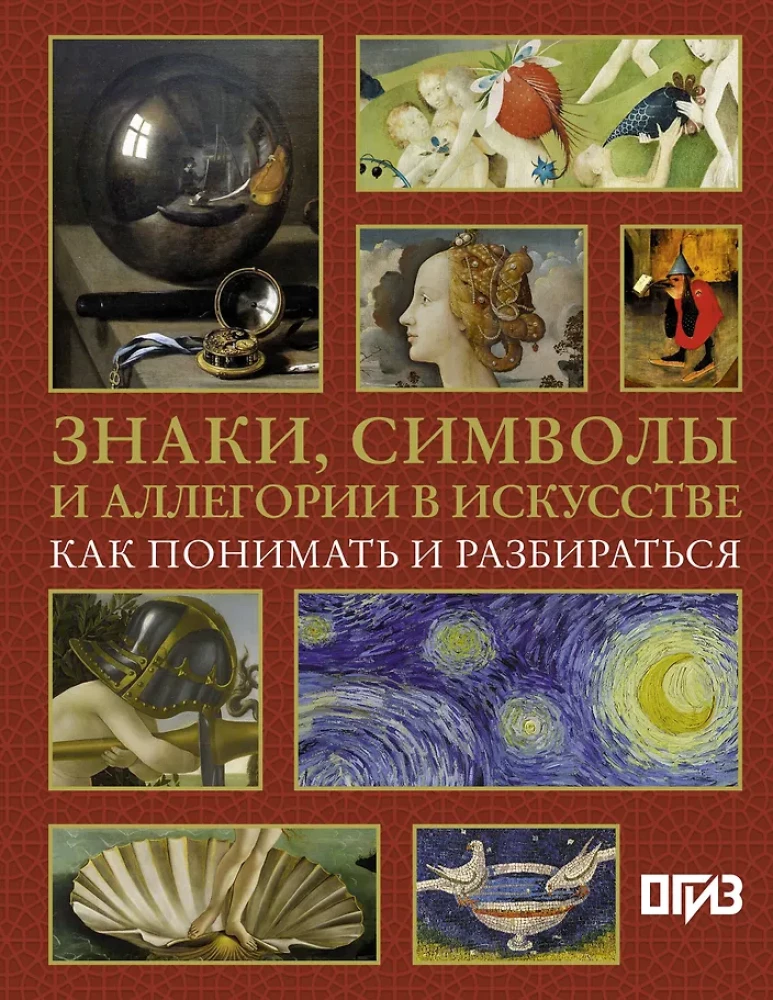
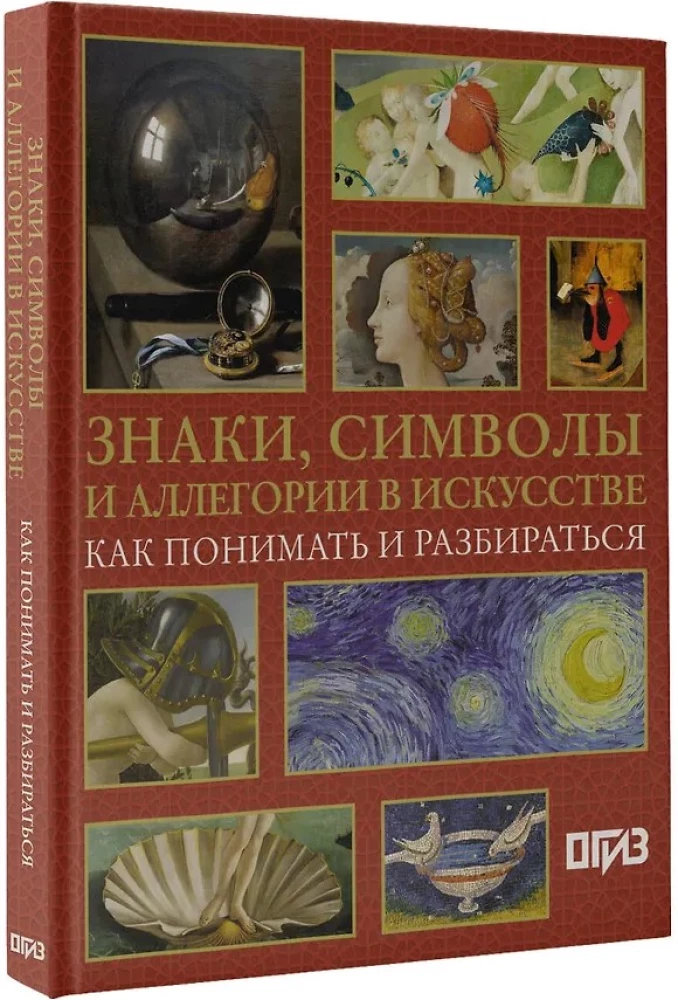
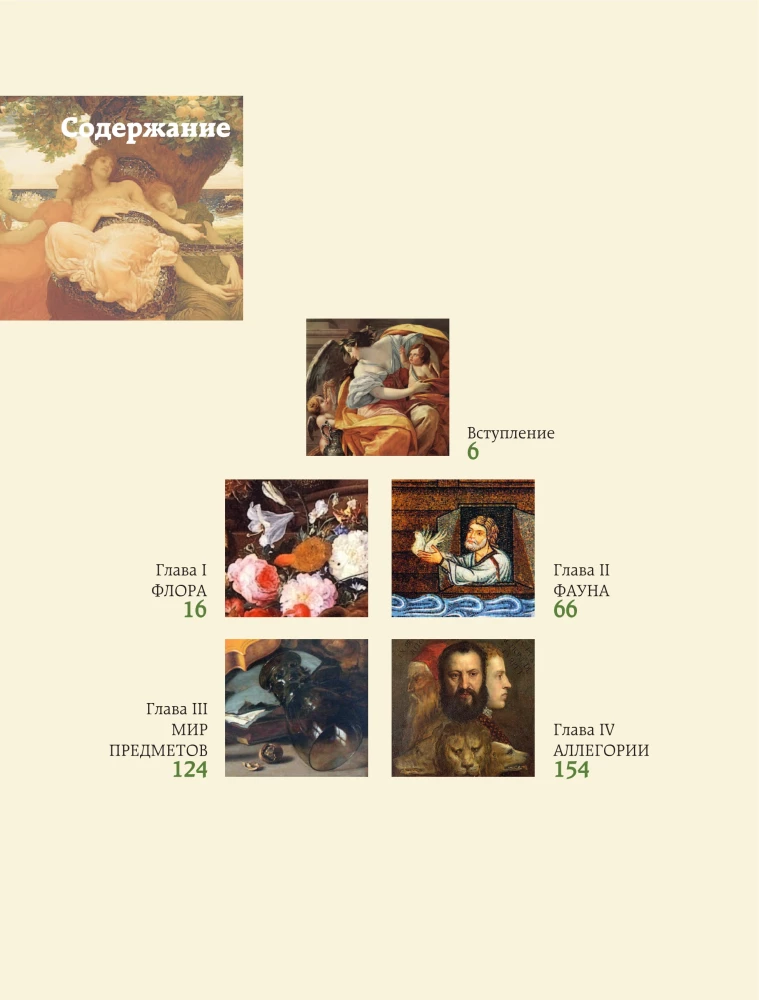
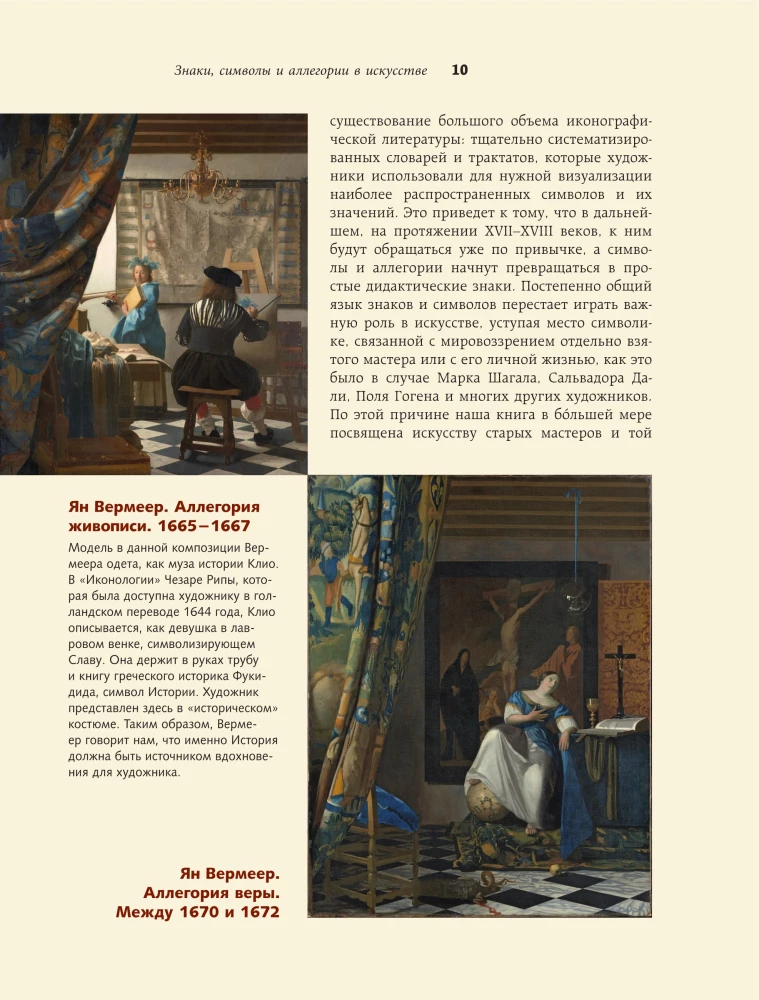
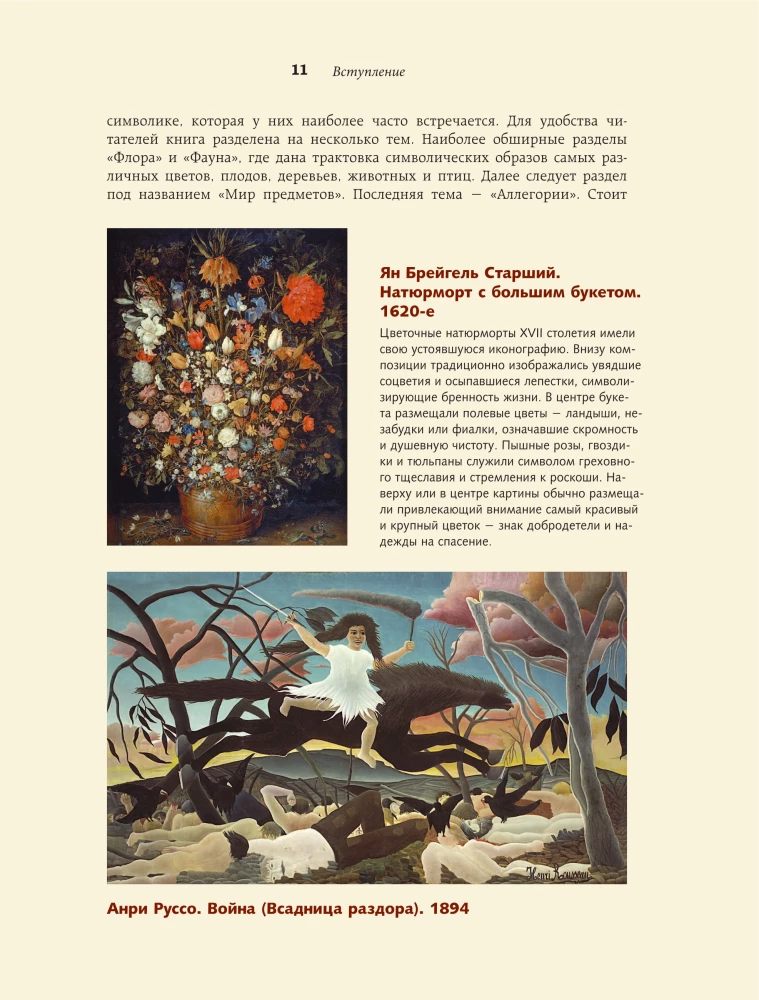
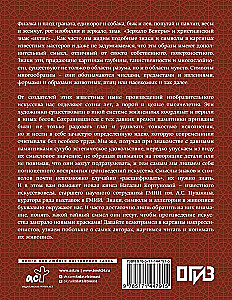
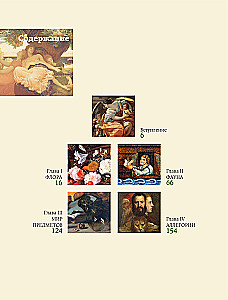
Signs, Symbols, and Allegories in Art. How to Understand and Make Sense of Them
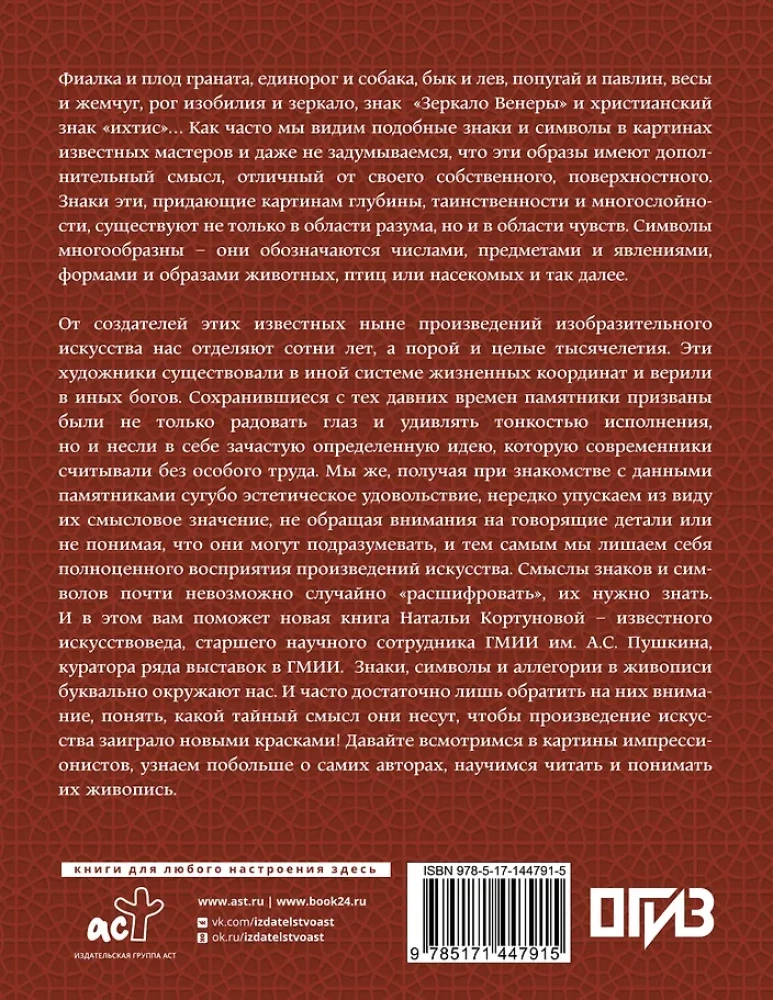
Violet and pomegranate, unicorn and dog, bull and lion, parrot and peacock, scales and pearl, horn of plenty and mirror, the sign "Mirror of Venus" and the Christian symbol "ichthys"… How often do we see these and other signs and...
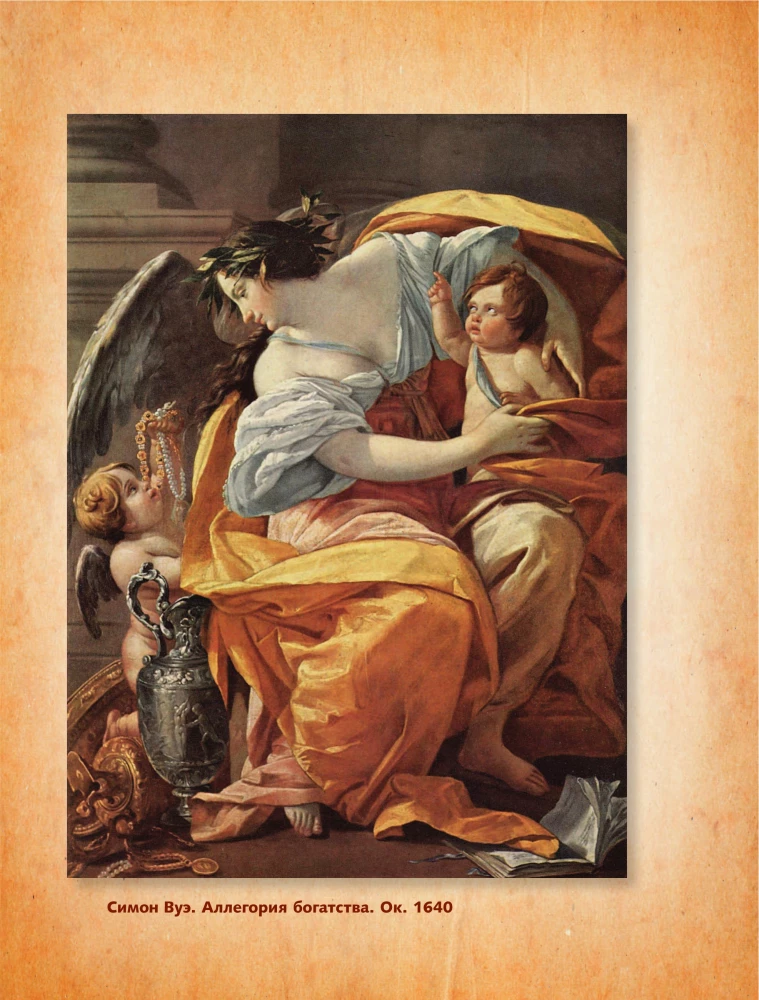
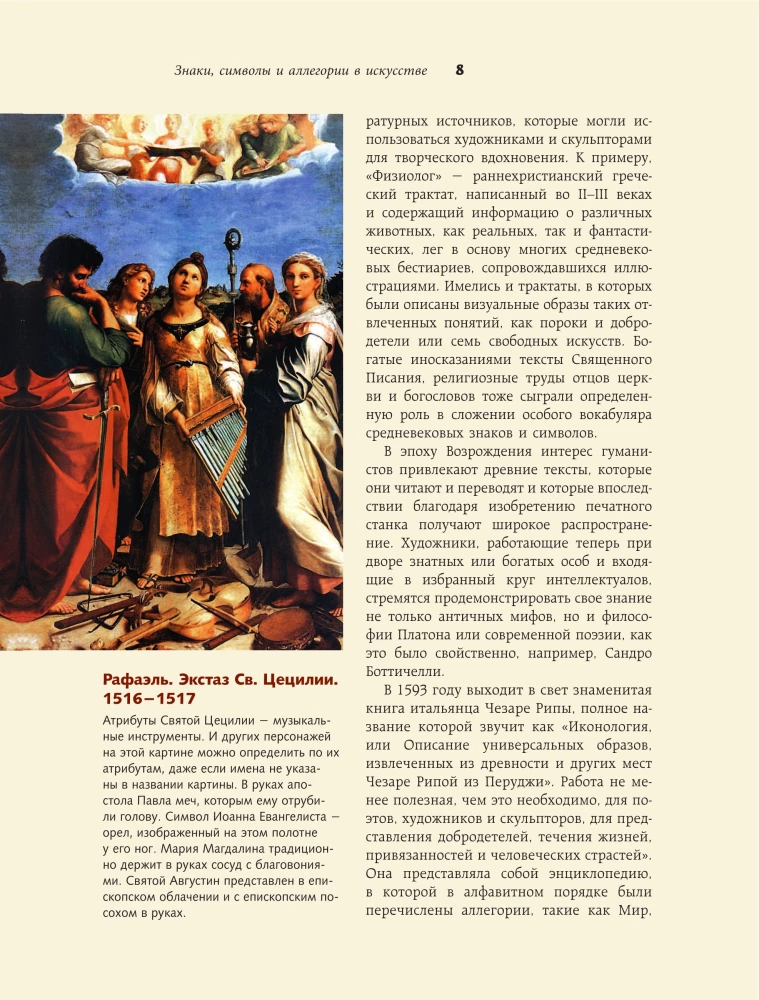
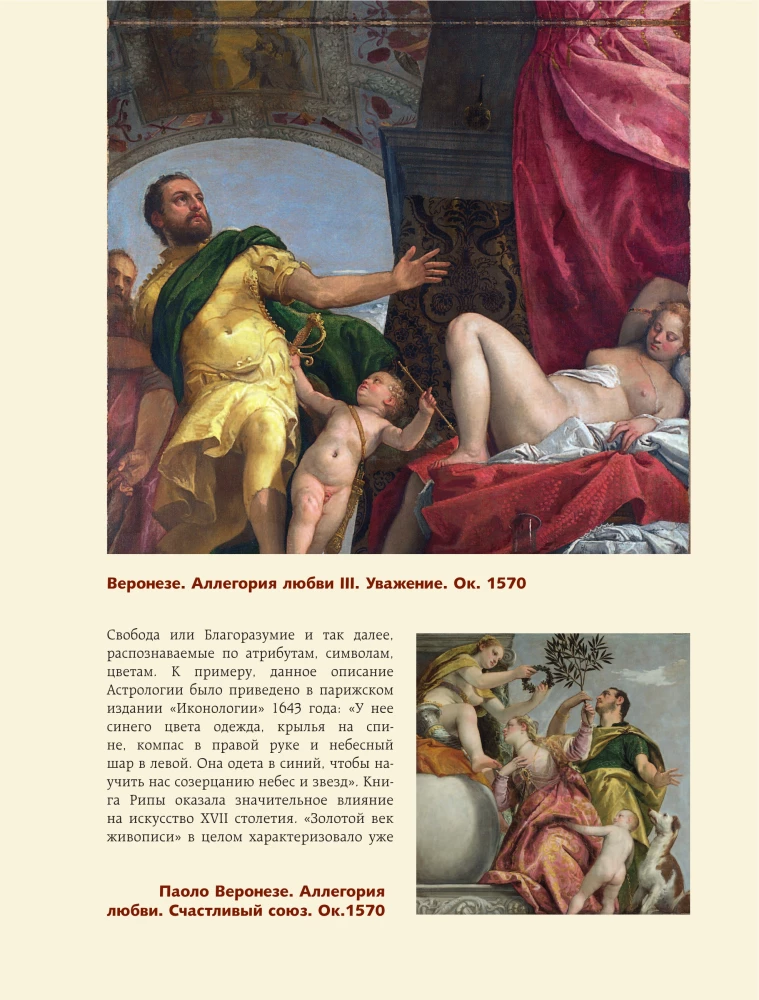
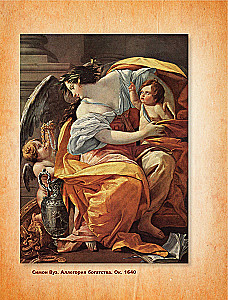
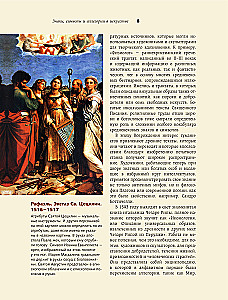
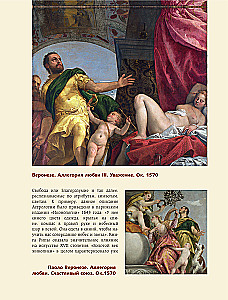
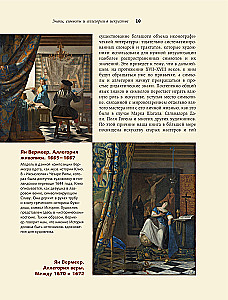
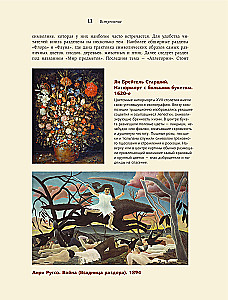
symbols in the paintings of famous masters and do not even think that these images have an additional meaning, different from their own, superficial one. These signs, which give works depth, mystery, and multilayeredness, exist not only in the realm of reason but also in the realm of feelings. Symbols are diverse - they are represented by numbers, objects, phenomena, shapes, and images of animals, birds, or insects, and so on. Symbols especially manifest themselves vividly in painting and sculpture.
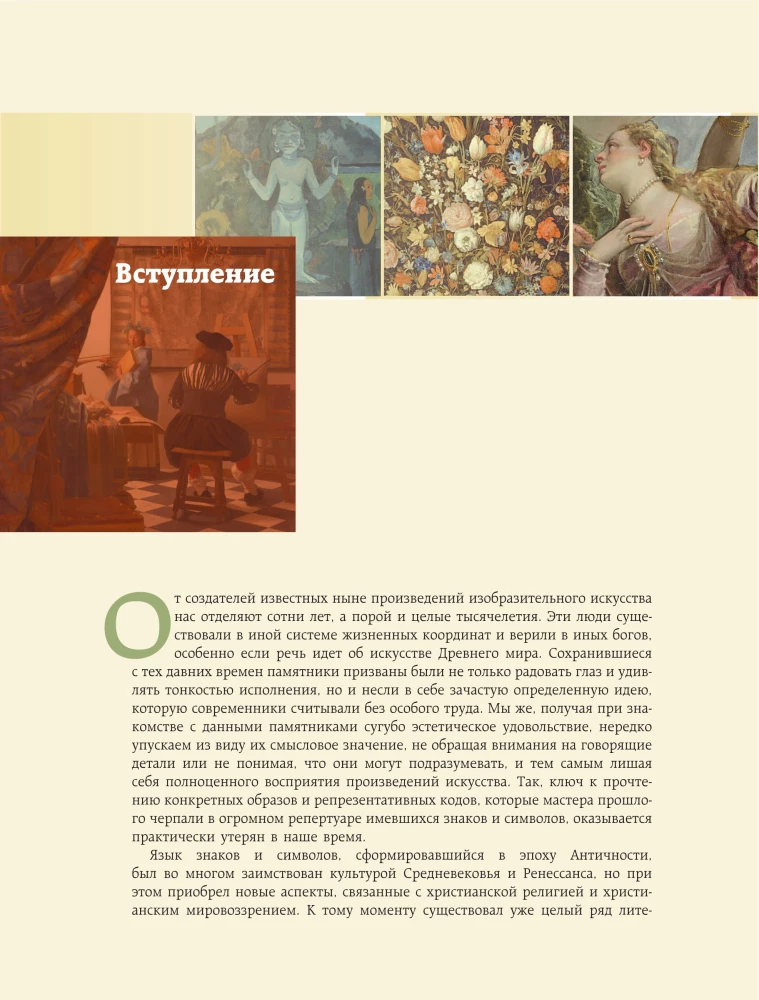
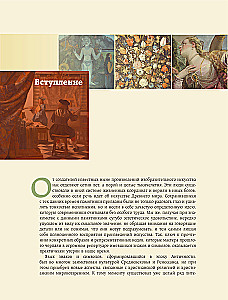
We are separated from the creators of these now-famous works of visual art by hundreds of years and sometimes even whole millennia. These people existed in a different system of life coordinates and believed in different gods. The monuments that have survived from those ancient times were intended not only to please the eye and amaze with the finesse of execution but often also carried a certain idea, which contemporaries could easily decipher. However, when we encounter these monuments, deriving purely aesthetic pleasure, we often overlook their meaningful significance, failing to notice the telling details or not understanding what they might imply, thus depriving ourselves of a full perception of the works of art. The meanings of signs and symbols are almost impossible to accidentally "decode"; they need to be known. And this will be helped by the new book by Natalia Kortunova - a well-known art historian, senior researcher at the A.S. Pushkin State Museum of Fine Arts, and curator of several exhibitions at the museum.
Signs, symbols, and allegories in painting literally surround us. And often it is enough to just pay attention to them, understand what secret meaning they bear, for the work of art to come alive in new colors!
We are separated from the creators of these now-famous works of visual art by hundreds of years and sometimes even whole millennia. These people existed in a different system of life coordinates and believed in different gods. The monuments that have survived from those ancient times were intended not only to please the eye and amaze with the finesse of execution but often also carried a certain idea, which contemporaries could easily decipher. However, when we encounter these monuments, deriving purely aesthetic pleasure, we often overlook their meaningful significance, failing to notice the telling details or not understanding what they might imply, thus depriving ourselves of a full perception of the works of art. The meanings of signs and symbols are almost impossible to accidentally "decode"; they need to be known. And this will be helped by the new book by Natalia Kortunova - a well-known art historian, senior researcher at the A.S. Pushkin State Museum of Fine Arts, and curator of several exhibitions at the museum.
Signs, symbols, and allegories in painting literally surround us. And often it is enough to just pay attention to them, understand what secret meaning they bear, for the work of art to come alive in new colors!
Author: Наталья Кортунова
Printhouse: AST
Series: The Art of Understanding
Age restrictions: 12+
Year of publication: 2023
ISBN: 9785171447915
Number of pages: 192
Size: 217x167x18 mm
Cover type: hard
Weight: 564 g
ID: 1488322
In stock
€ 26.49
Will be delivered to United States on 29 September (Tu):
By courier
from € 38.94
Bestsellers

€ 13.29
In stock
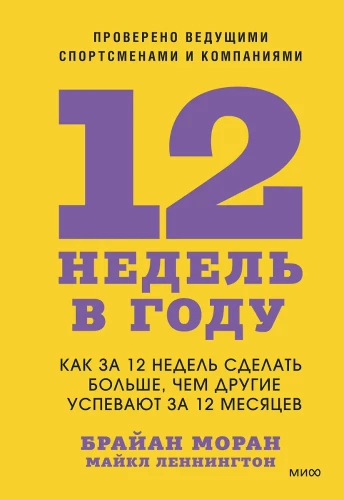
12 Weeks in a Year. How to Achieve More in 12 Weeks Than Others Do in 12 Months
Майкл Леннингтон, Брайан Моран
€ 7.89
In stock
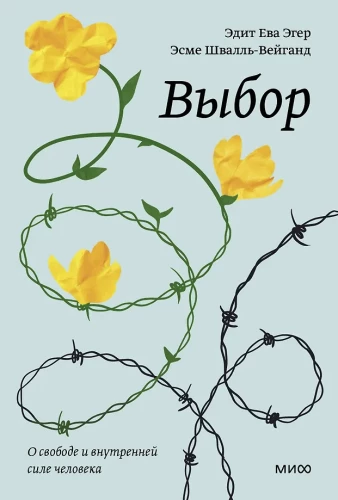
Choice. On the Freedom and Inner Strength of a Person
Эдит Ева Эгер, Эсме Швалль-Вейганд
€ 14.99
In stock
The Body Remembers Everything: The Role of Psychological Trauma in a Person's Life and Techniques to Overcome It
Бессел ван дер Колк

€ 6.99
In stock
Publishers "AST" recommends












Bestseller
€ 9.69
In stock
Korean Language. Complete Grammar in Diagrams and Tables
Чун Ин Сун, Анастасия Погадаева