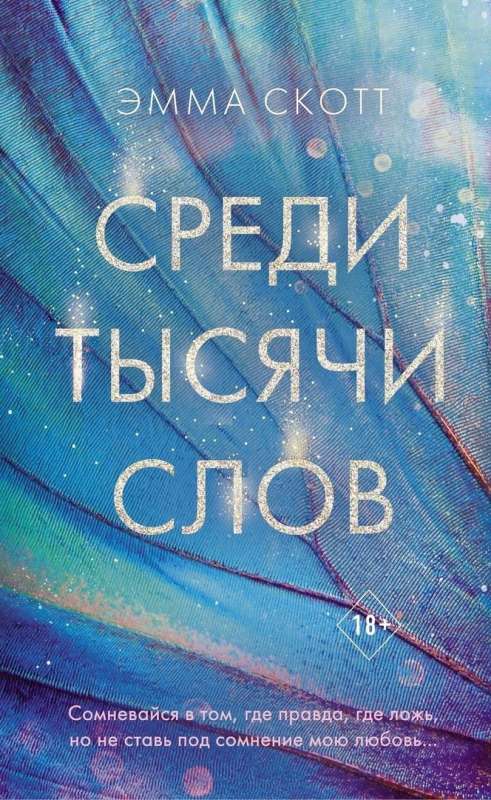

The Paradox of Choice. How to Make Decisions We Won't Regret
WORLD BESTSELLER. The edition is released with caricatures by a Russian artist. When you decide to buy a microwave oven, you go to the store. There you find out that they come in simple, grill, grill and convection, built-in or...
freestanding, black, white, and orange. You start searching for details online and read articles about the magnetron to understand what power you need to heat soup. You ask your friends for advice on which brand is best to buy. Armed with new knowledge, you return to the store and learn that there are profitable models with extended warranties, and some with free delivery… The constant choice is exhausting. We are used to thinking that the more choices, the better, but that is not the case. Abundance adversely affects us, and the obsession with choice makes us feel unhappy. Psychologist Barry Schwartz researched this phenomenon and outlined 11 simple steps to help you avoid spending too much time on choices of any scale: from mortgages to desserts in cafes. In a light and humorous manner, the author notes the nuances of our everyday lives and divides people into maximizers and satisfiers. He conducted scientific research to make our lives easier and to help us avoid the trap of abundance. You will learn how to: - not regret a purchase or an order in a cafe; - stop comparing yourself to others; - narrow your choice down to the two most important options; - save yourself a ton of time for truly important matters. ABOUT THE AUTHOR Barry Schwartz is a psychologist and professor of social theory and social action at Swarthmore College and a visiting professor at the University of California, Berkeley. He has spoken at TED Talks and accumulated 17 million views. He writes scientific papers at the intersection of psychology and economics.
Author: ШВАРЦ Б.
Printhouse: Eksmo
Series: Psychological bestseller
Age restrictions: 16+
Year of publication: 2023
ISBN: 9785041597474
Number of pages: 320
Size: 60x84/16 mm
Cover type: Твердая бумажная
Weight: 356 g
ID: 1295507
Sold out
€ 17.09
Sold out
€ 17.09
Bestsellers








€ 6.99
In stock



€ 5.19
In stock




€ 8.89
In stock
Publishers "Eksmo" recommends




Bestseller
€ 34.69
In stock
Все породы собак. Большая иллюстрированная энциклопедия
СУЛА Г.Ю., ЯВОРСКАЯ-МИЛЕШКИНА