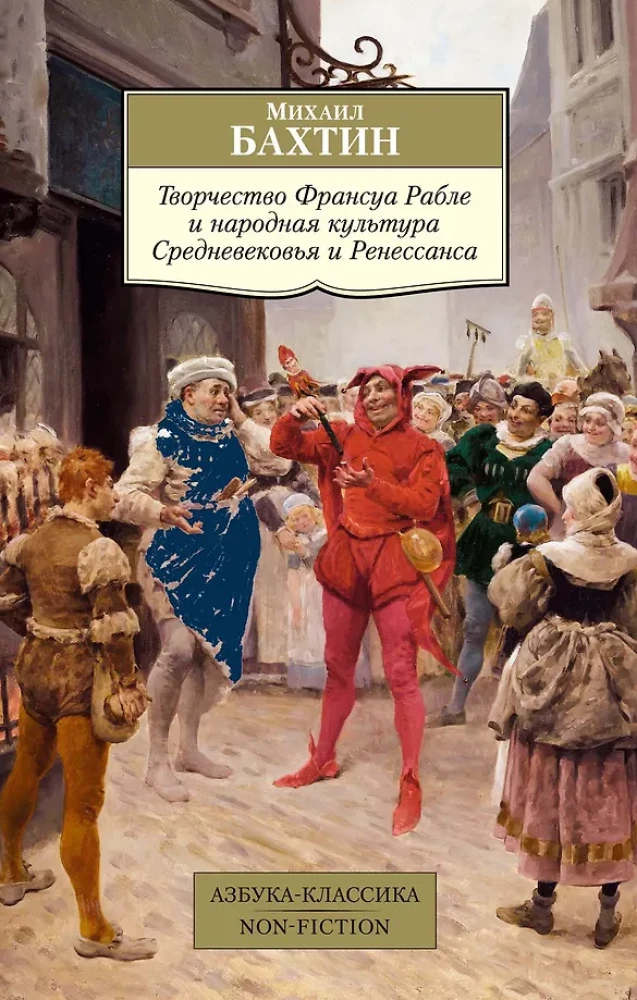
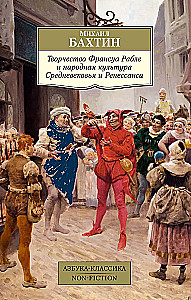
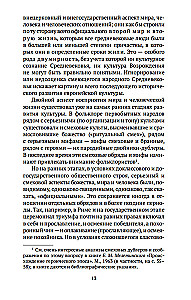
The Creativity of François Rabelais and the Popular Culture of the Middle Ages and the Renaissance
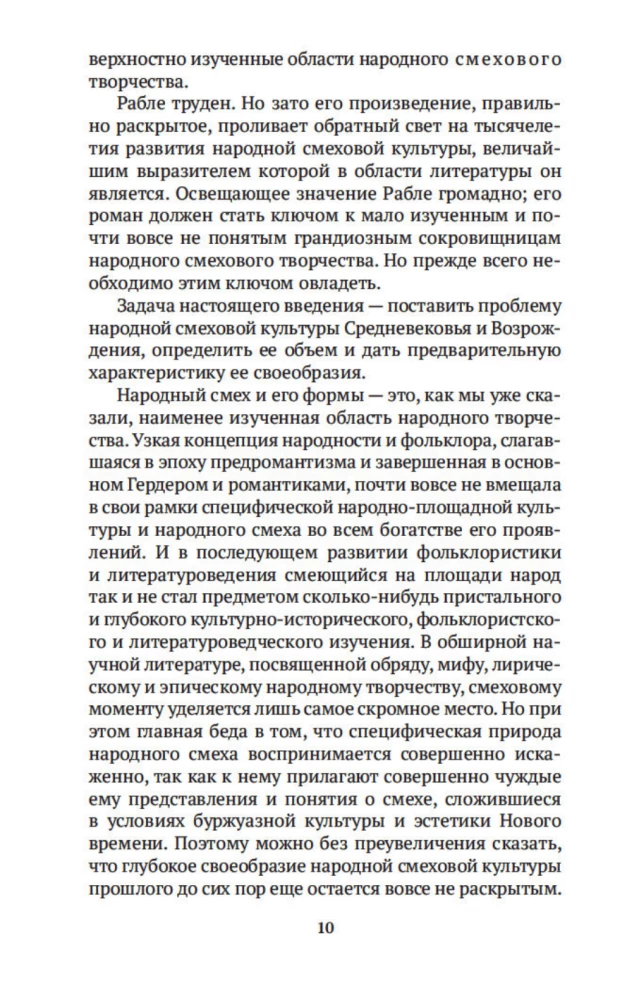
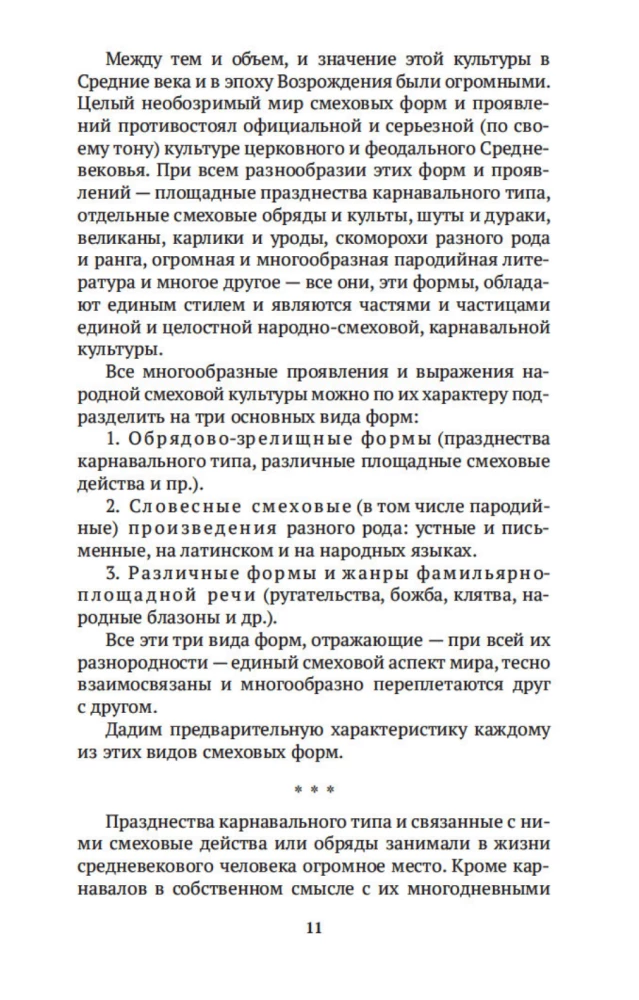
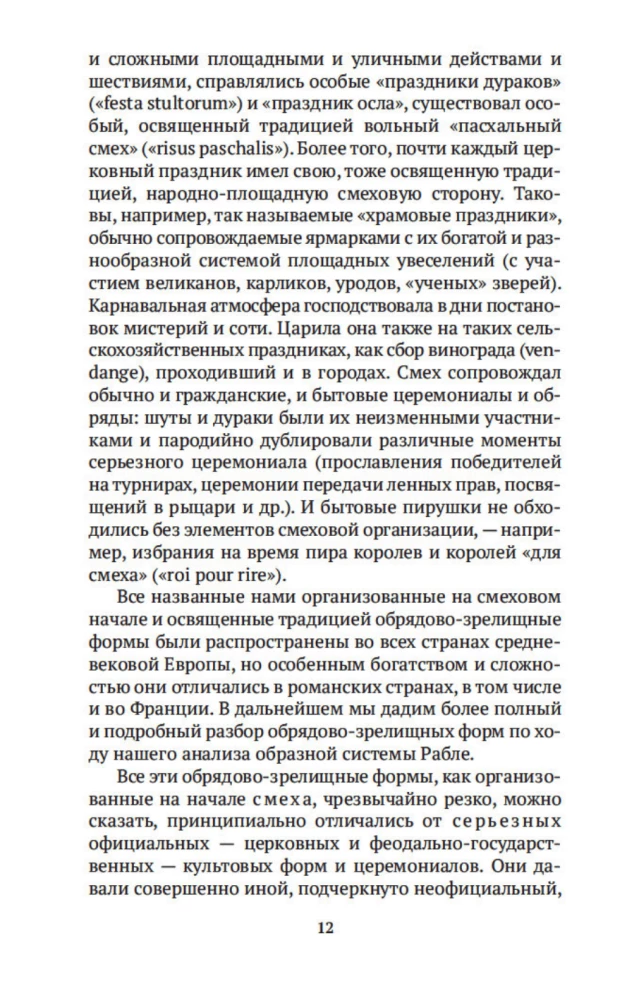
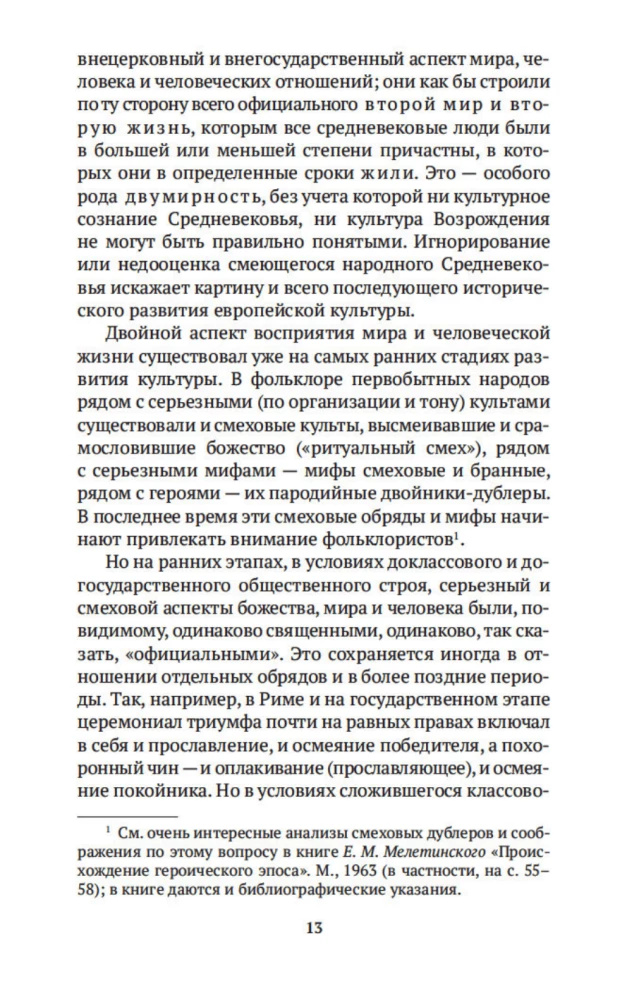
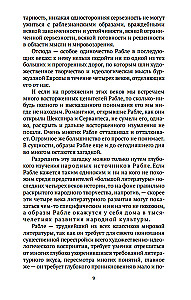
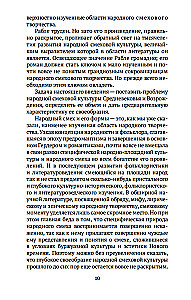
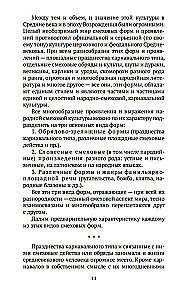
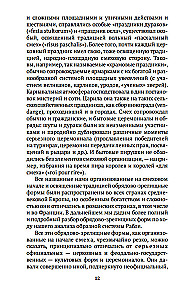
In the book presented for the reader's attention, the outstanding Russian philologist and thinker M. M. Bakhtin refers to François Rabelais's novel «Gargantua and Pantagruel» as a starting point for his reflections on the nature of the comic and its...
manifestations in various genres and styles of speech, as well as on the forms and functions of corporeality characteristic of the popular culture of the Middle Ages and the Renaissance. The author develops the theory of a lowly laugh culture, which in the mentioned eras opposed the «serious» official culture, was permeated with the carnival «pathos of change and renewal», «the consciousness of the joyful relativity of dominant truths and powers», and reflected the popular belief in constant renewal of life, allowing the individual to feel a connection to the universe (the concept of the «grotesque collective body»). Completed in 1940 and published a quarter of a century later, in 1965, Bakhtin's monograph defined the development of world literary science for decades to come. Its publication in this edition is supplemented by the article «Rabelais and Gogol», which is not included in the main text of the study and sheds additional light on its key ideas.
Author: Михаил Бахтин
Printhouse: Azbuka
Series: Azbuka-Classica. Non-Fiction
Age restrictions: 16+
Year of publication: 2021
ISBN: 9785389201880
Number of pages: 640
Size: 180х110х24 mm
Cover type: soft
Weight: 310 g
ID: 982362
Sold out
€ 4.59
Sold out
€ 4.59
Bestsellers

€ 5.19
In stock

€ 9.29
In stock
Choice. On the Freedom and Inner Strength of a Person
Эдит Ева Эгер, Эсме Швалль-Вейганд