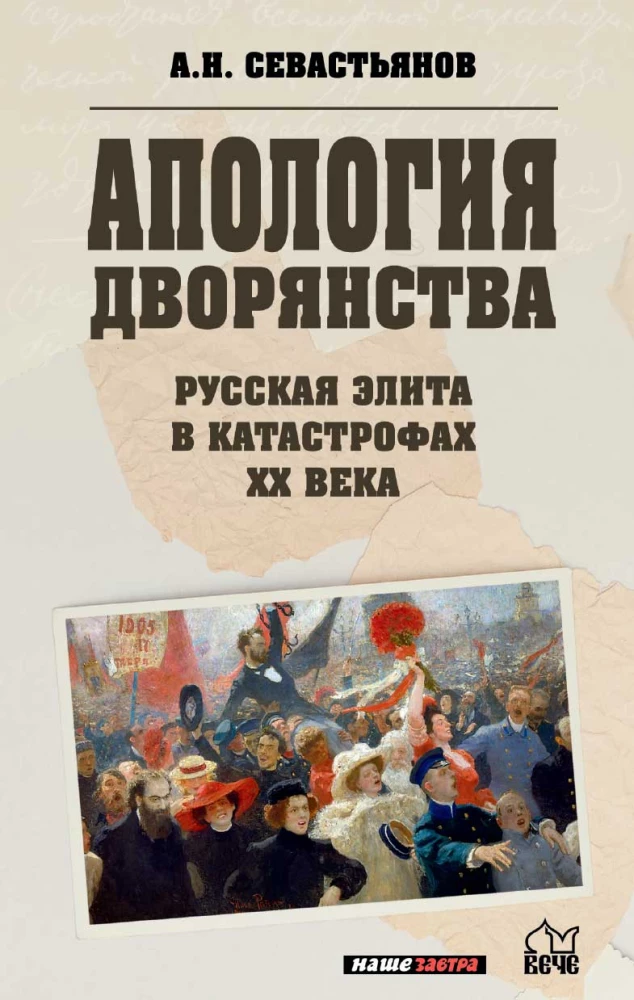
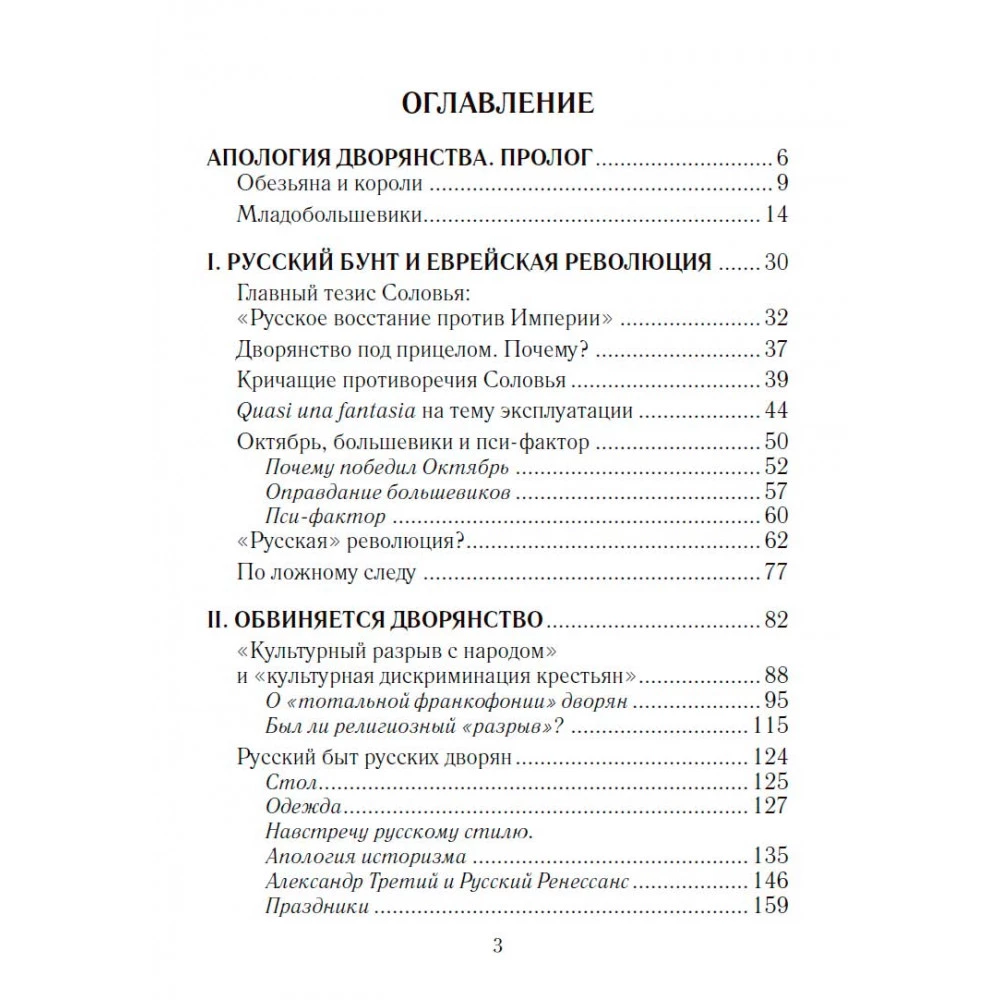
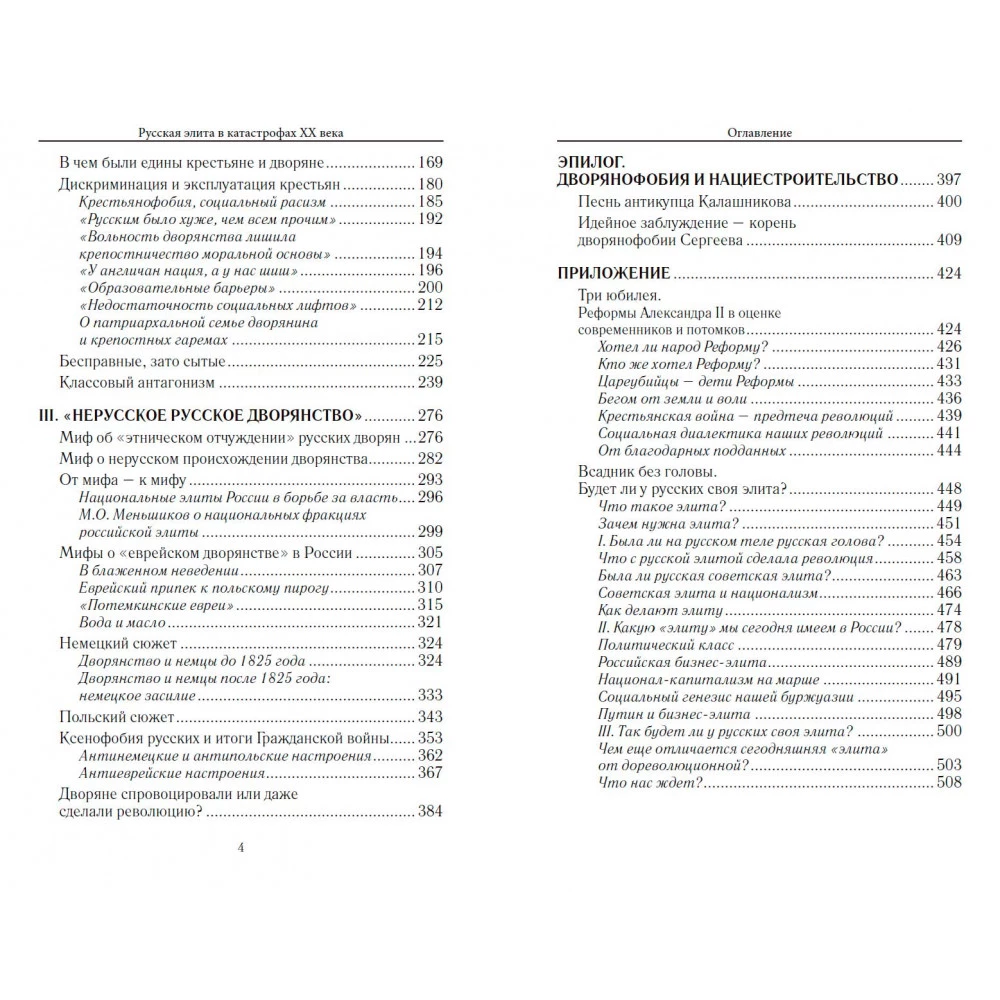
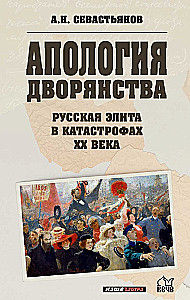
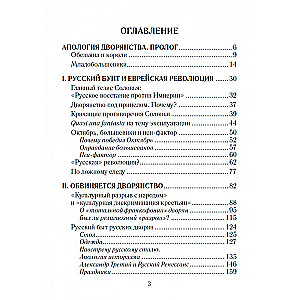
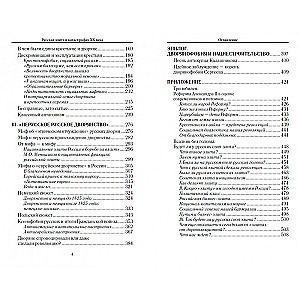
Apology of Nobility. Russian Elite in the Catastrophes of the 20th Century
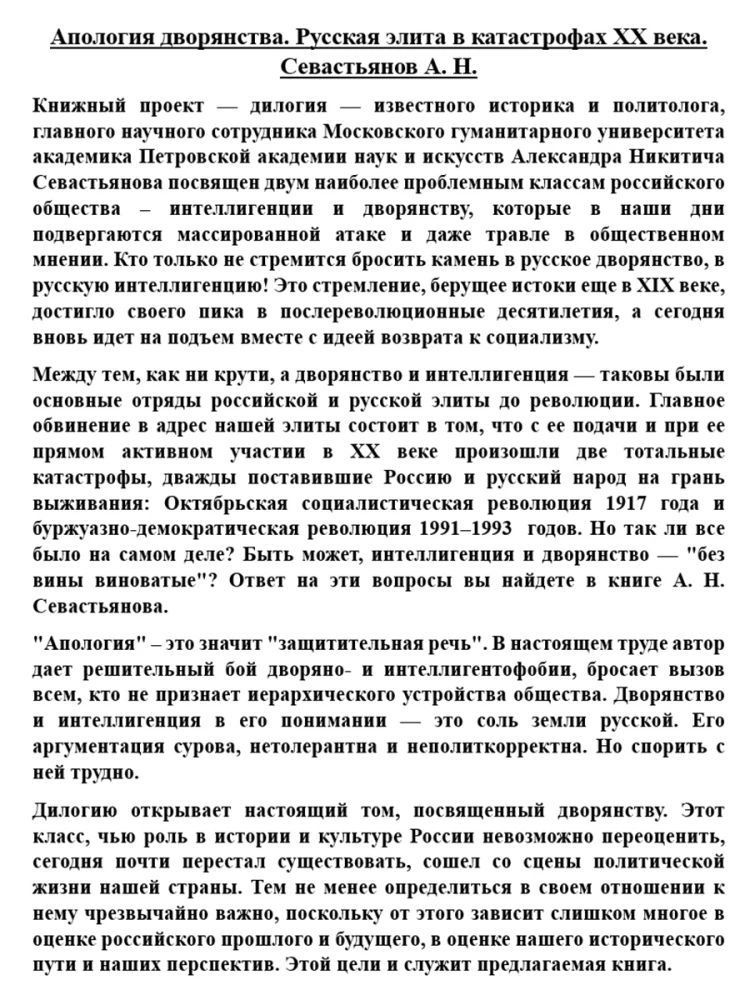
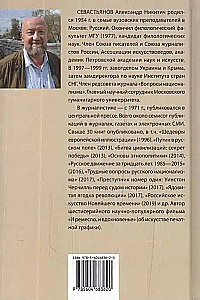
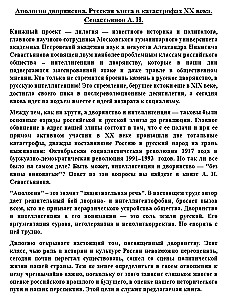
The book project – a dilogy – of the famous historian and political scientist, chief researcher at the Moscow Humanities University, academician of the Petrovskaya Academy of Sciences and Arts Alexander Nikitich Sevastyanov is dedicated to two of the most...
problematic classes of Russian society – the intelligentsia and the nobility, which are currently undergoing a massive attack and even harassment in public opinion. Who doesn't strive to throw a stone at the Russian nobility, at the Russian intelligentsia! This desire, rooted in the 19th century, peaked in the post-revolutionary decades, and today it is rising again along with the idea of a return to socialism.
Nevertheless, no matter how you look at it, the nobility and intelligentsia were the main detachments of the Russian and Russian elite before the revolution. The main accusation against our elite is that due to its initiative and with its direct active participation, two total catastrophes occurred in the 20th century, twice putting Russia and the Russian people on the brink of survival: the October socialist revolution of 1917 and the bourgeois-democratic revolution of 1991-1993. But was it really so? Perhaps the intelligentsia and nobility are "innocently guilty"? You will find the answers to these questions in A.N. Sevastyanov's book.
"Apology" means "defensive speech". In this work, the author makes a resolute stand against noble and intelligentsia-phobia, challenging all who do not recognize the hierarchical structure of society. In his understanding, the nobility and intelligentsia are the salt of the Russian earth. His arguments are harsh, intolerant, and politically incorrect. But it is hard to argue with them.
The dilogy begins with this volume, dedicated to the nobility. This class, whose role in the history and culture of Russia cannot be overestimated, has nearly ceased to exist today, having withdrawn from the political life of our country. Nevertheless, it is extremely important to define one's attitude towards it, as too much depends on this in the evaluation of Russian past and future, in assessing our historical path and our prospects. This goal is served by the proposed book.
Nevertheless, no matter how you look at it, the nobility and intelligentsia were the main detachments of the Russian and Russian elite before the revolution. The main accusation against our elite is that due to its initiative and with its direct active participation, two total catastrophes occurred in the 20th century, twice putting Russia and the Russian people on the brink of survival: the October socialist revolution of 1917 and the bourgeois-democratic revolution of 1991-1993. But was it really so? Perhaps the intelligentsia and nobility are "innocently guilty"? You will find the answers to these questions in A.N. Sevastyanov's book.
"Apology" means "defensive speech". In this work, the author makes a resolute stand against noble and intelligentsia-phobia, challenging all who do not recognize the hierarchical structure of society. In his understanding, the nobility and intelligentsia are the salt of the Russian earth. His arguments are harsh, intolerant, and politically incorrect. But it is hard to argue with them.
The dilogy begins with this volume, dedicated to the nobility. This class, whose role in the history and culture of Russia cannot be overestimated, has nearly ceased to exist today, having withdrawn from the political life of our country. Nevertheless, it is extremely important to define one's attitude towards it, as too much depends on this in the evaluation of Russian past and future, in assessing our historical path and our prospects. This goal is served by the proposed book.
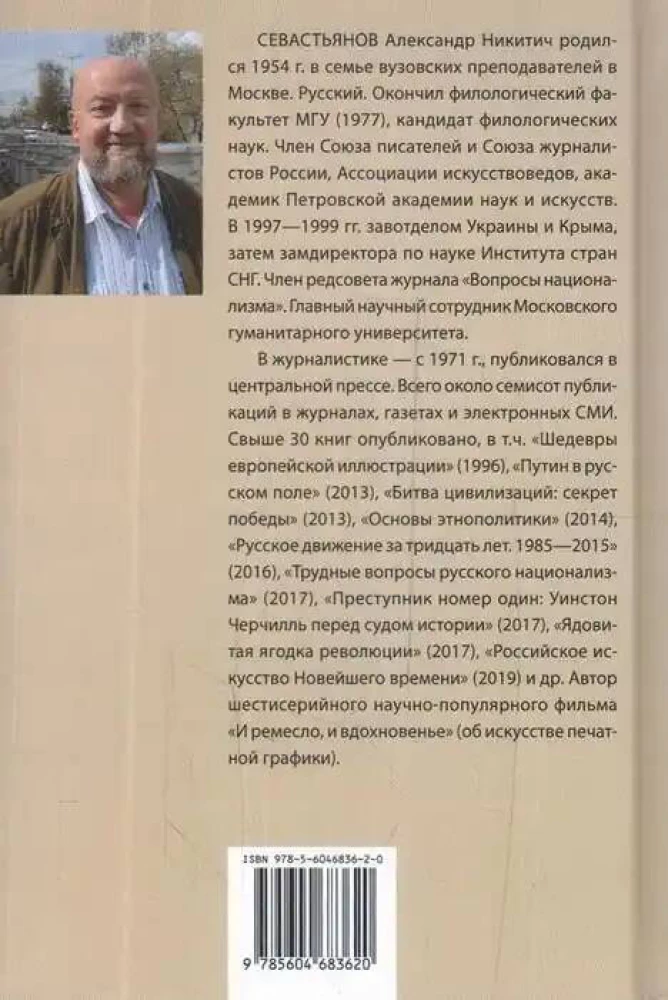
Author: Александр Севастьянов
Printhouse: Veche
Age restrictions: 12+
Year of publication: 2021
ISBN: 9785604683620
Number of pages: 512
Size: 207х136х25 mm
Cover type: hard
Weight: 528 g
ID: 935849
Sold out
€ 10.49
Sold out
€ 10.49
Bestsellers
€ 13.29
In stock
12 Weeks in a Year. How to Achieve More in 12 Weeks Than Others Do in 12 Months
Майкл Леннингтон, Брайан Моран
€ 7.89
In stock
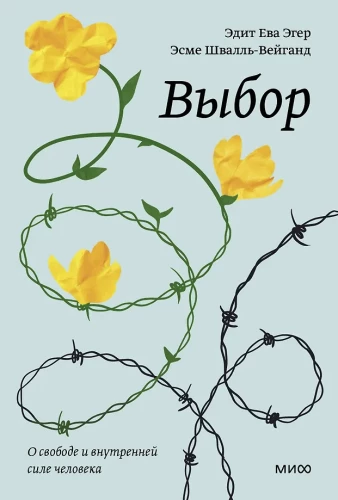
Choice. On the Freedom and Inner Strength of a Person
Эдит Ева Эгер, Эсме Швалль-Вейганд
€ 6.99
In stock