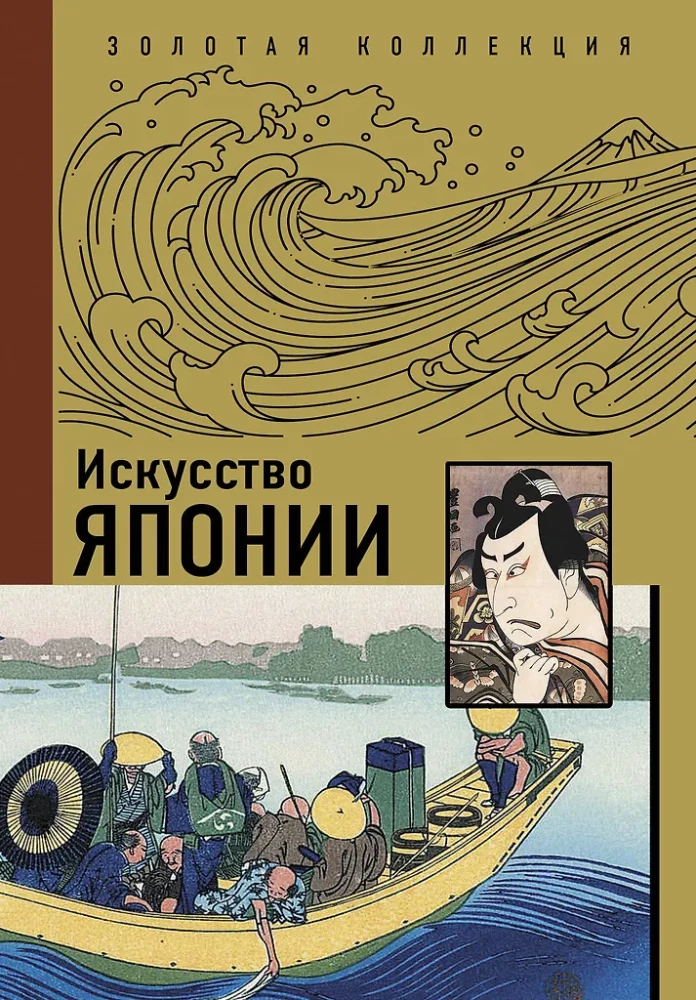
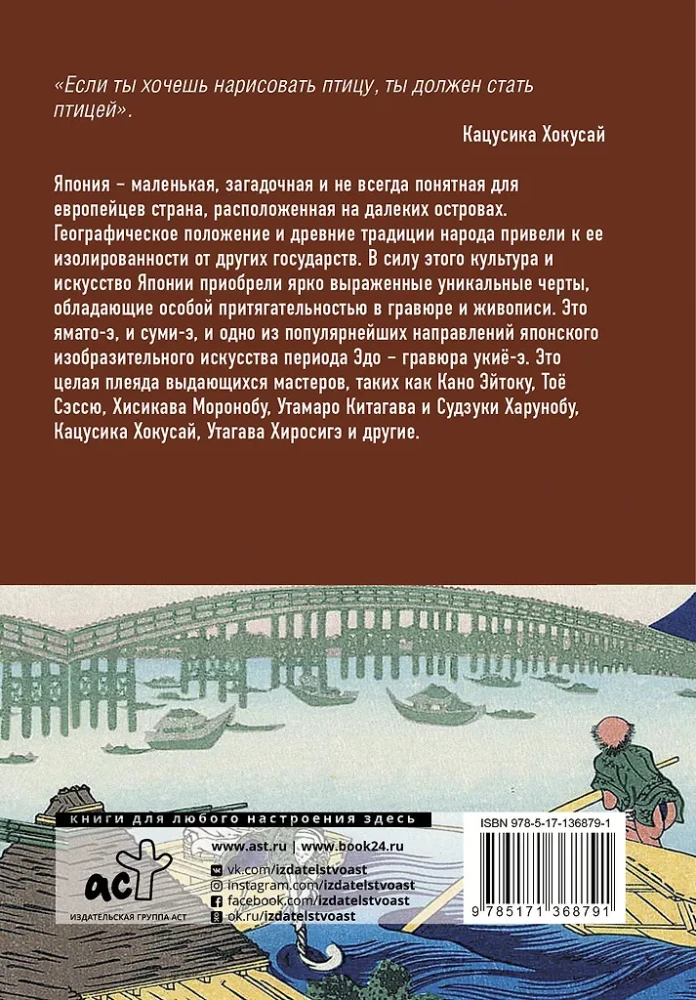
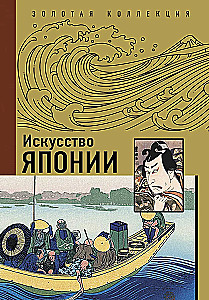
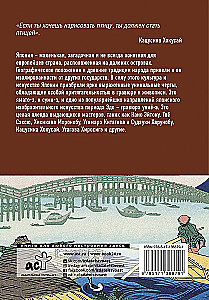
"If you want to draw a bird, you must become a bird." Katsushika Hokusai Japan is a small, mysterious, and not always understood country for Europeans, located on islands. Its geographical position, features of state policy, and ancient traditions of the people have led to its isolation from other countries. Because of this, the culture and art of Japan have acquired distinctly unique characteristics, possessing special appeal in printmaking and painting. Japanese painting belongs to one of the oldest and most amazing forms of creativity. Like any other, it has a long history, representing a long path of competition and intertwining of indigenous Japanese principles, adaptations of foreign ideas, and the change of schools and styles. These include yamato-e and sumi-e, and one of the most popular directions of Japanese visual art during the Edo period is ukiyo-e printmaking. This is a whole array of famous masters, such as Kano Eitoku, Kano Sanraku, Toyo Sesshu, Hishikawa Moronobu, Utamaro Kitagawa, Suzuki Harunobu, Katsushika Hokusai, Utagawa Hiroshige, and others. But no matter how diverse the means of expression, schools, and painting techniques may be, there is one feature that unites and distinguishes Japanese art from any other – the search for harmony between all components of life – this, perhaps, is what is most characteristic of all directions of Japanese art. The desire to find the brightest strokes that best emphasize the individuality of the depicted object, regardless of the way the information is presented, makes the art of this country relevant always and everywhere.