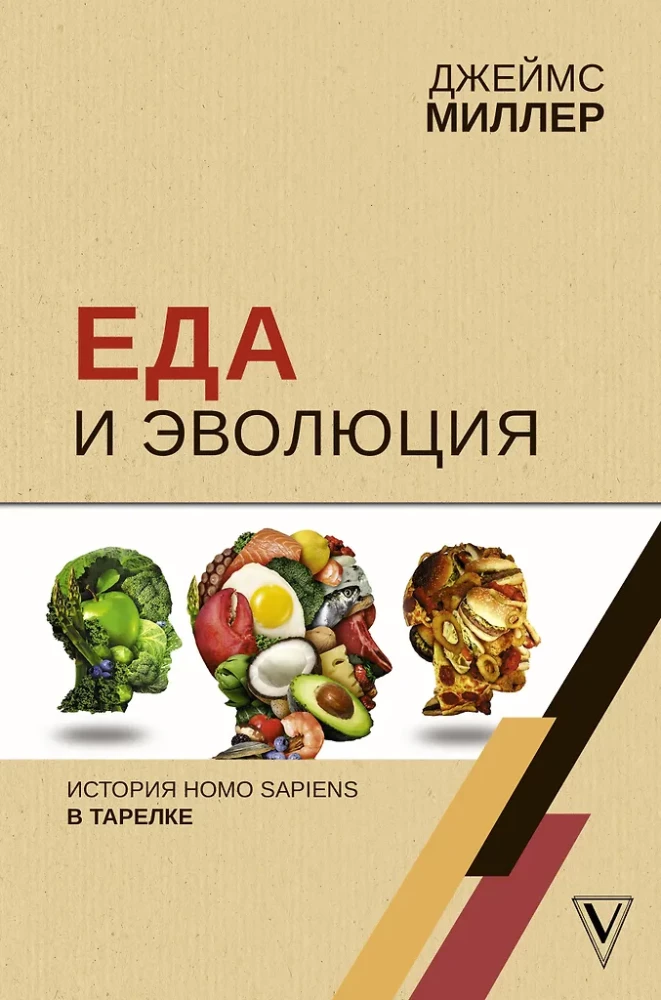



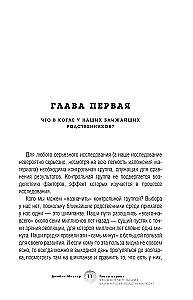
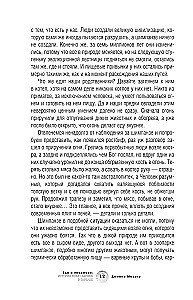
Food and Evolution: The History of Homo Sapiens on a Plate
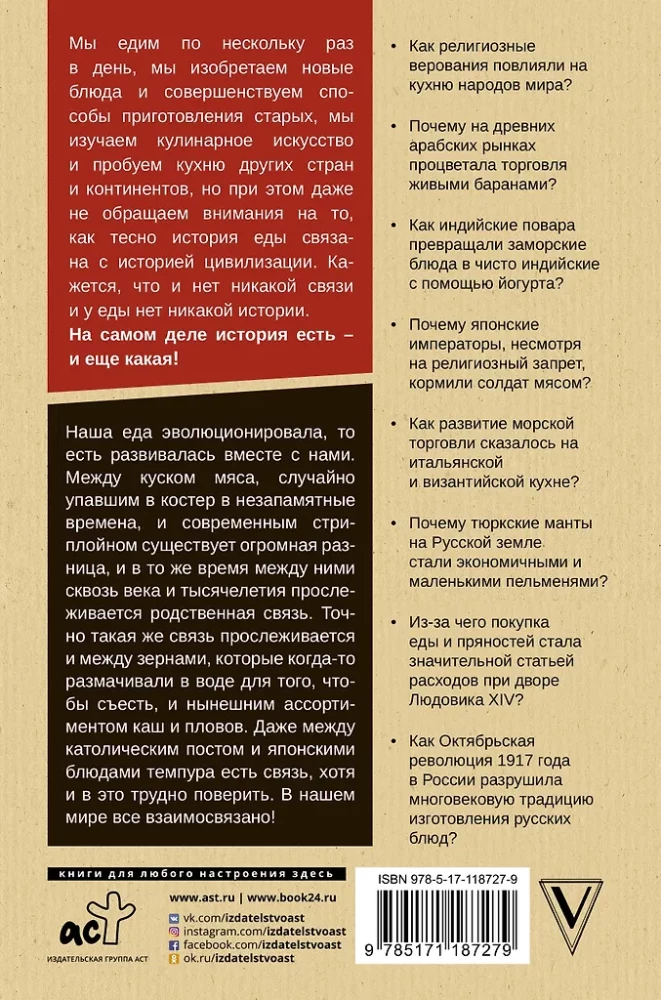
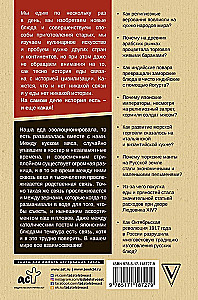
In fact, there is a history - and quite a significant one!
Our food has evolved, meaning it has developed alongside us. There is a huge difference between a piece of meat accidentally dropped into a fire in ancient times and a modern striploin, while at the same time a familial connection can be traced through the centuries and millennia between them. A similar connection can be traced between the grains that were once soaked in water to eat and the current range of cereals and pilafs. Even between the Catholic fast and Japanese tempura dishes, there is a connection, although it is hard to believe. In our world, everything is interconnected!
- How have religious beliefs influenced the cuisine of the world's peoples?
- Why did the trade of live rams thrive in ancient Arab markets?
- How did Indian chefs turn exotic dishes into purely Indian ones using yogurt?
- Why did Japanese emperors, despite religious prohibitions, feed their soldiers meat?
- How has the development of maritime trade affected Italian and Byzantine cuisine?
- Why did Turkic manti in Russian lands become economical and small dumplings?
- What caused the purchase of food and spices to become a significant item of expenditure at the court of Louis XIV?
- How did the October Revolution of 1917 in Russia destroy the centuries-old tradition of making Russian dishes?
Author: Джеймс Миллер
Printhouse: AST
Series: Best Popular Science Books
Age restrictions: 16+
Year of publication: 2019
ISBN: 9785171187279
Number of pages: 368
Size: 218х145х22 mm
Cover type: hard
Weight: 400 g
ID: 380551
Bestsellers