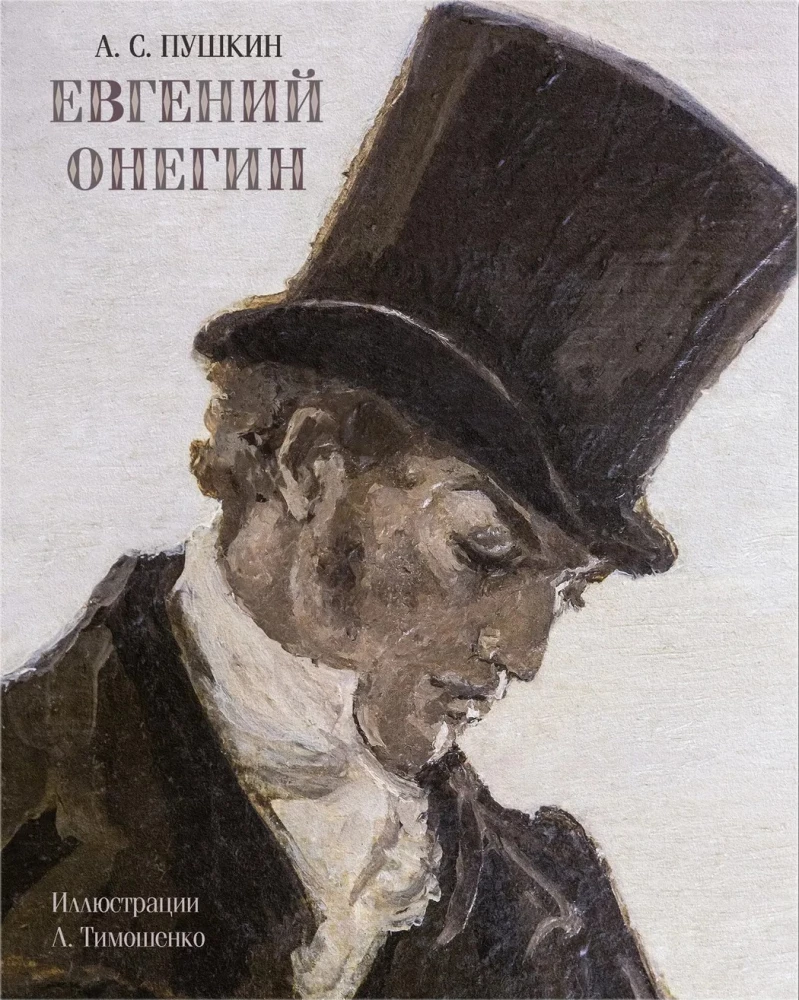
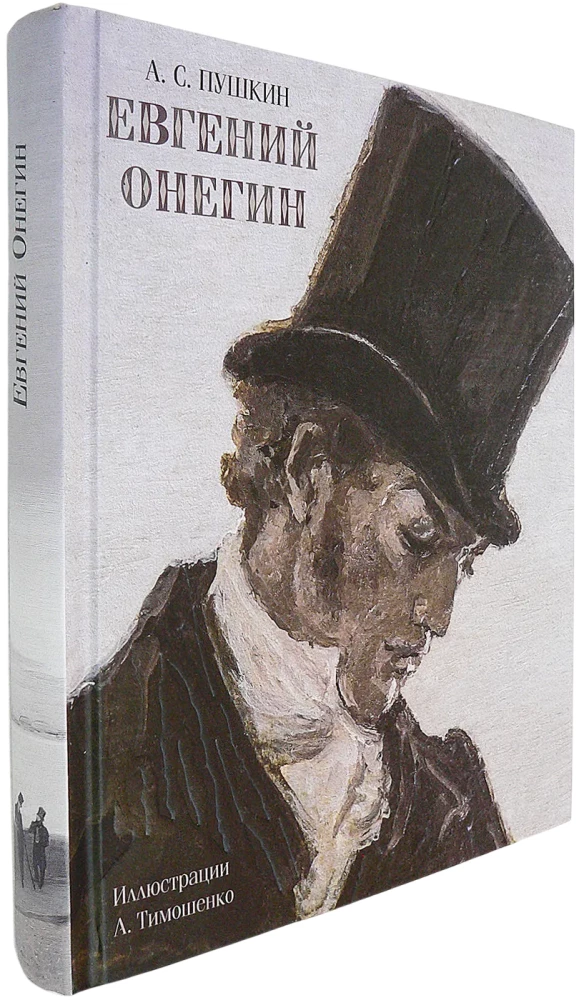
Eugene Onegin
Author: Александр Пушкин
Printhouse: RECh'
Year of publication: 2024
ISBN: 9785926849315
Number of pages: 320
Size: 220х175х27 mm
Cover type: hard
Weight: 930 g
ID: 1742737
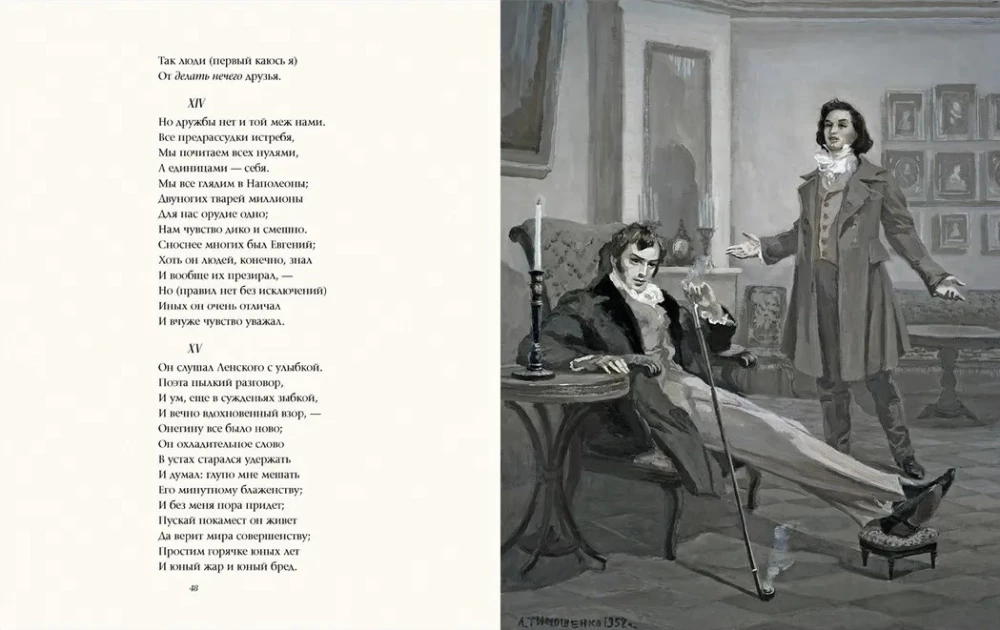
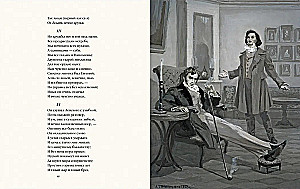
Eugene Onegin is a novel in verse by Alexander Sergeyevich Pushkin written between 1823 and 1830. The plot of the work revolves around the life of a young St. Petersburg nobleman, Eugene Onegin, who, tired of social entertainments, balls, and the theater, leaves for the countryside after inheriting from his uncle. There he meets his neighbor, the young poet Vladimir Lensky, who introduces him to the Larin household.
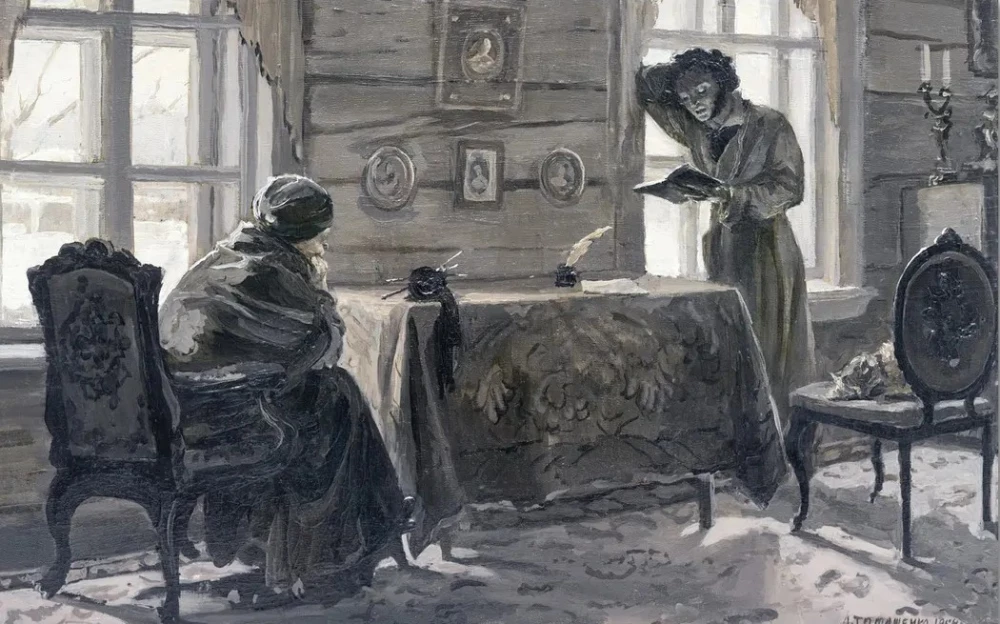
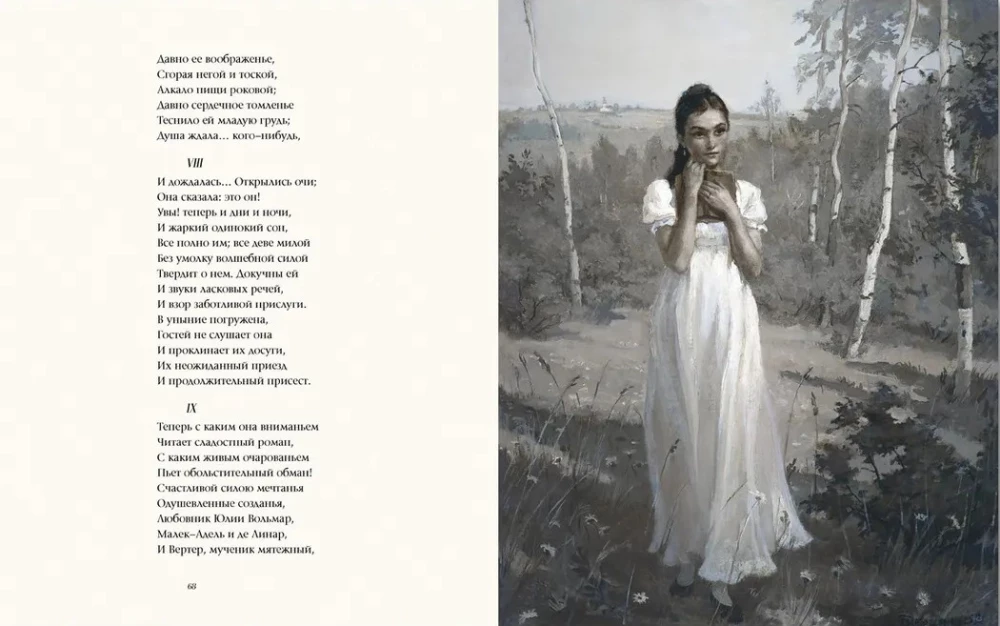
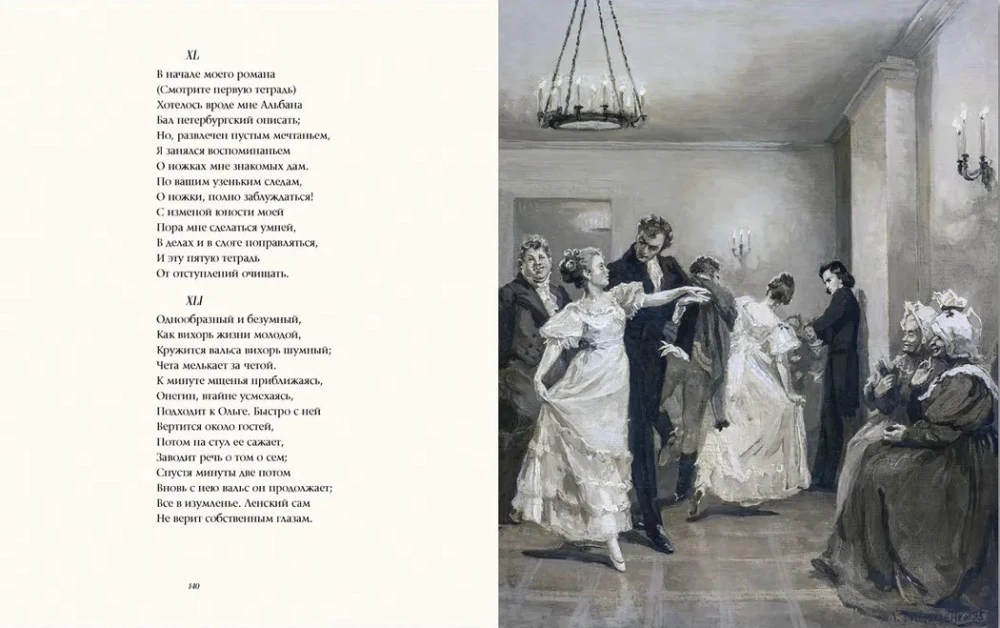
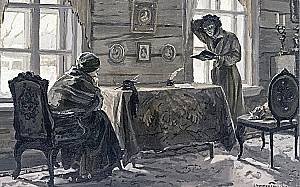
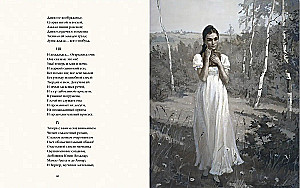
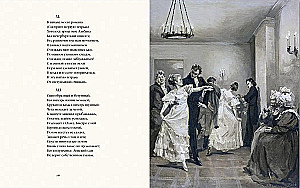
The elder daughter of the family, Tatyana, falls in love with Onegin and writes him a heartfelt confession of love; however, Eugene rejects her feelings, explaining this by his inability to lead a family life and lack of love. Soon, due to a random conflict at Tatyana's name day celebration, Onegin challenges Lensky to a duel and kills him, after which he leaves the village, tormented by remorse.
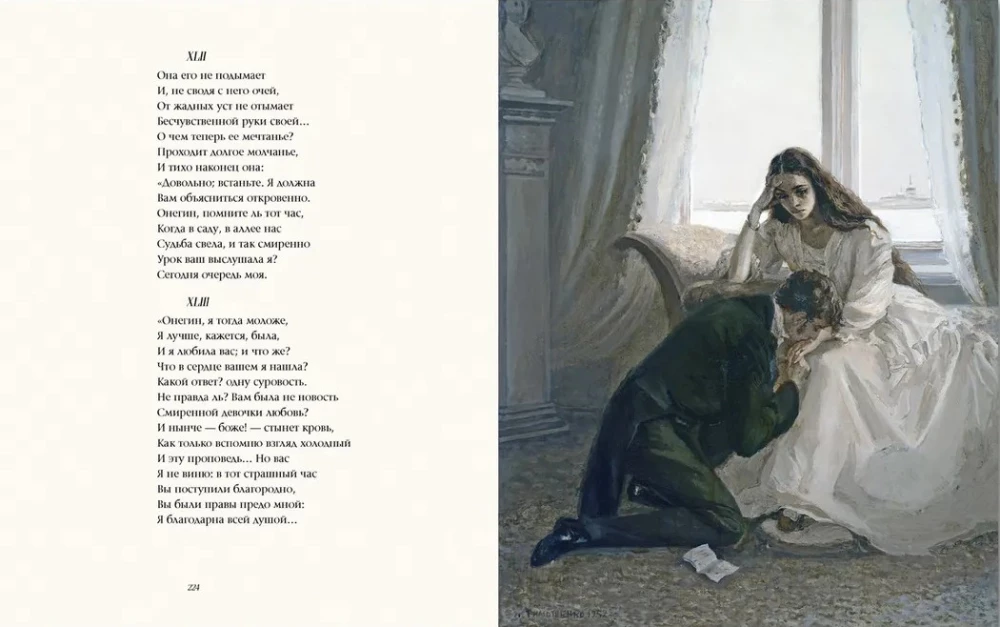
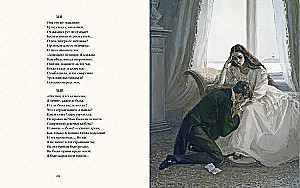
Several years later, Onegin returns to St. Petersburg and meets Tatyana, who by that time has married a general and become an important society lady. Seeing her in her new role, Onegin realizes the depth of his feelings and tries to win her favor. Tatyana confesses that she still loves Eugene but firmly refuses him, deciding to remain faithful to her husband, after which the novel ends abruptly.
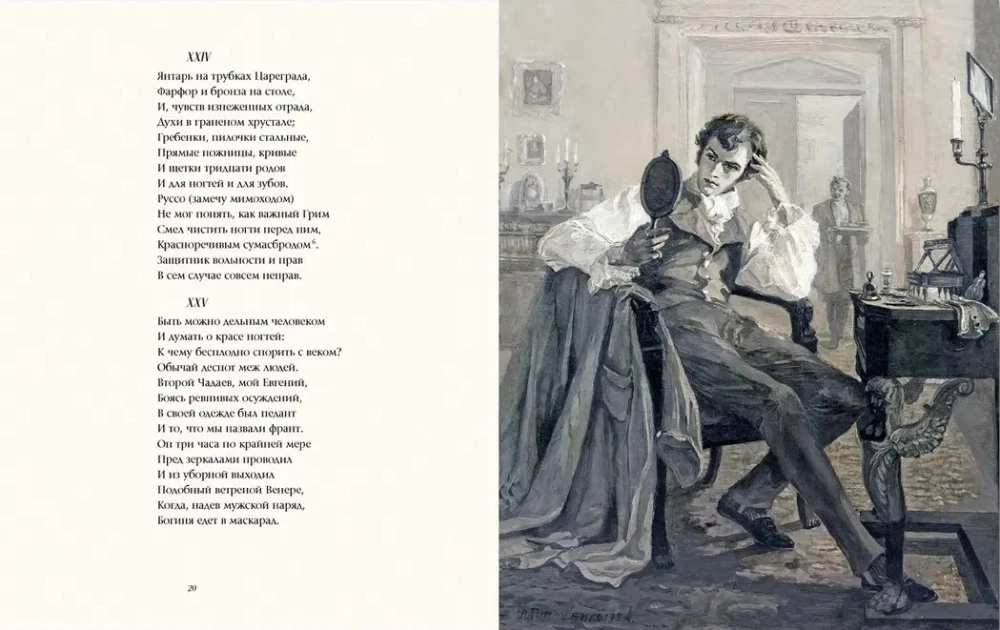
The work is widely known as an encyclopedia of Russian life in the first third of the 19th century due to its detailed description of everyday life, customs, fashion, education, and social sentiments of that time. The novel is written in a special Onegin stanza consisting of fourteen lines of iambic tetrameter.