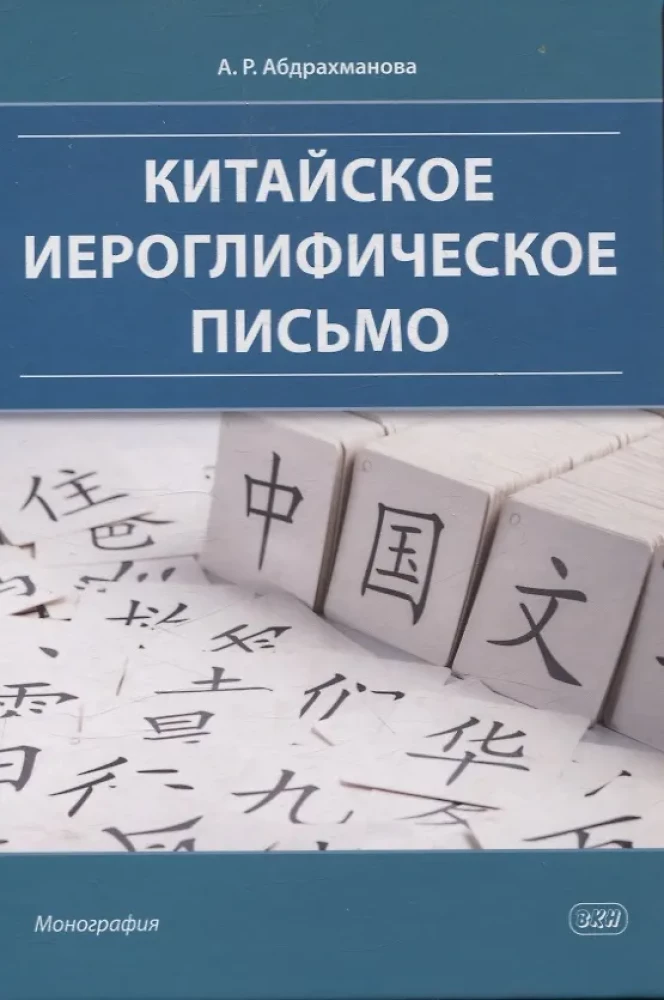
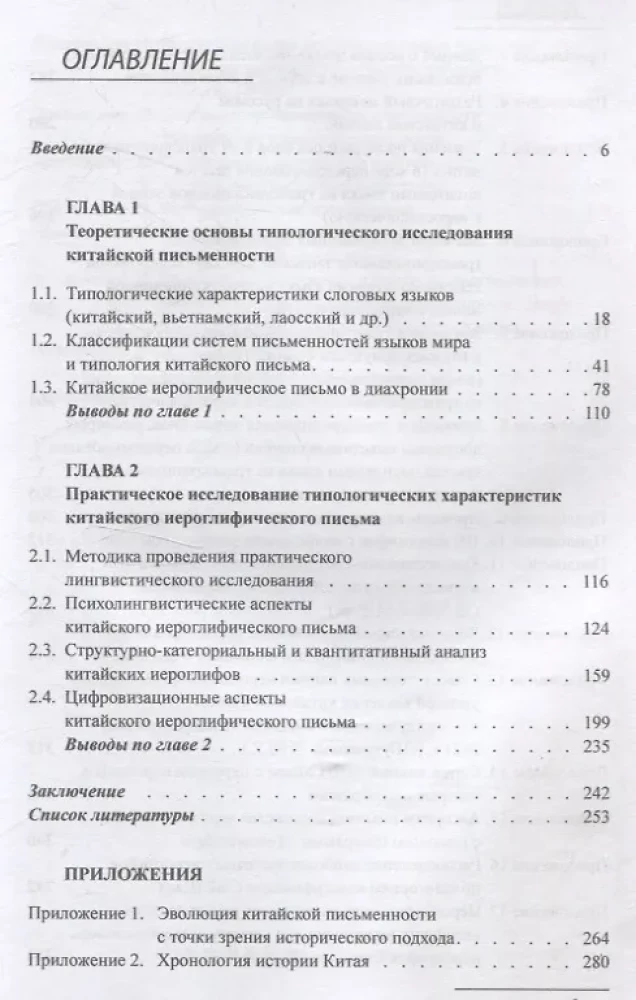
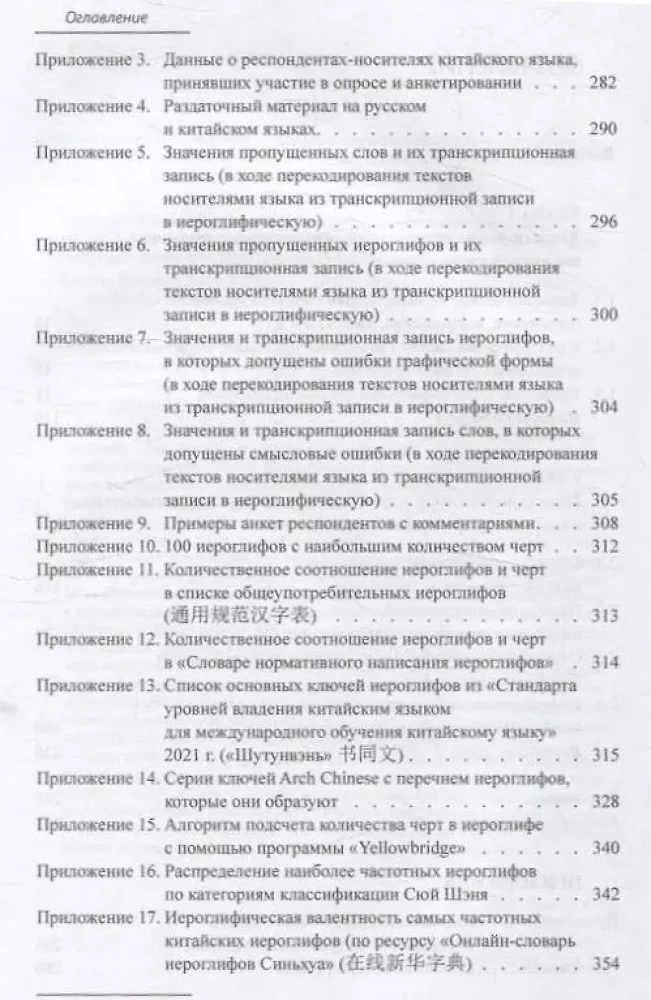
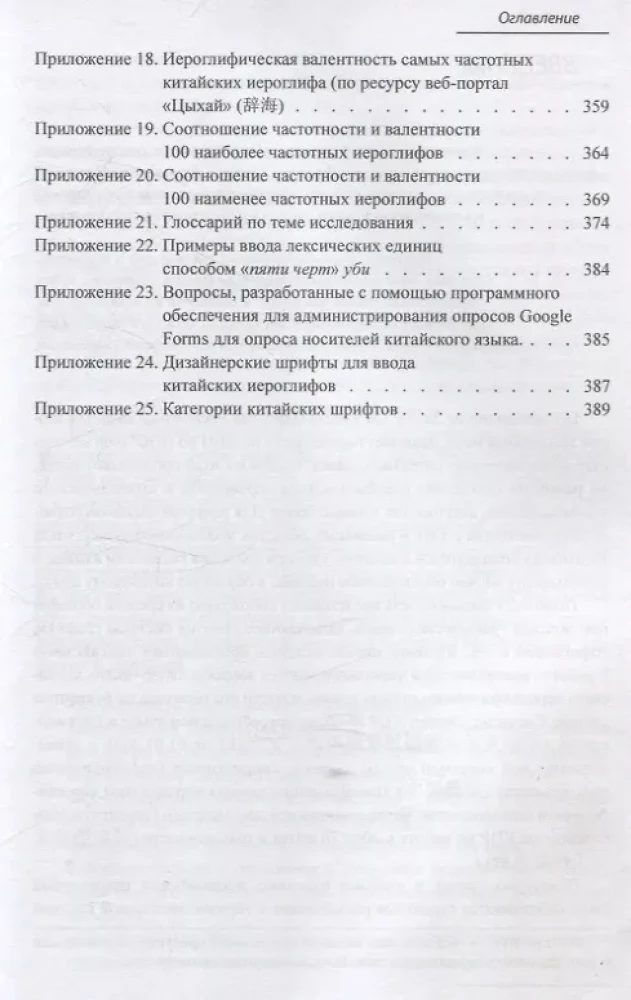
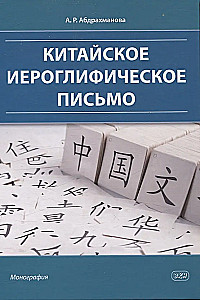
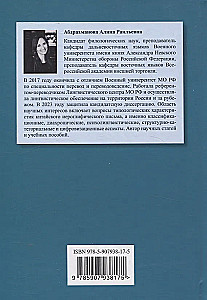
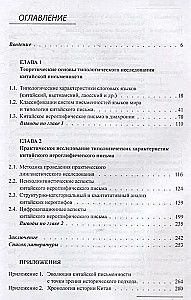
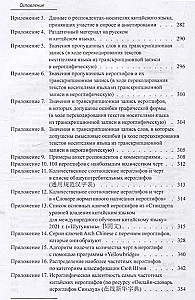
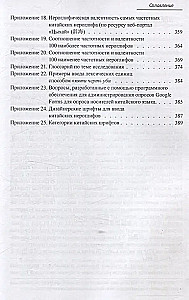
The book examines Chinese hieroglyphic writing from the perspectives of diachronic, classificatory, psycholinguistic, structural-categorical, and digitalization aspects. The monograph defines the basis for the division of languages into syllabic and non-syllabic languages and describes the typological characteristics of syllabic languages...
using Vietnamese, Lao, and Chinese languages as examples. The author systematically categorizes the classifications of writing systems of the world's languages, highlights approaches to classifications, and clarifies the typology of the Chinese language within each approach. The research specifies the approaches to explaining the emergence of Chinese hieroglyphic writing and its development diachronically, presents historical periods of the emergence of the main new styles of hieroglyphic writing and the evolution paths of carriers and tools of Chinese hieroglyphic writing. The work describes the mechanism of mastering Chinese hieroglyphic writing in ontogenesis based on the analysis of modern original textbooks and educational literature, which are used to teach Chinese in primary schools of China; it investigates the psycholinguistic mechanism of recoding texts from the transcriptional pinyin record into hieroglyphic notation by native Chinese speakers. The author establishes the percentage ratio of users of different methods of inputting hieroglyphs on digital devices and identifies the units entered simultaneously for each method of input. The book is the result of theoretical reflection and generalization of the author's works on the research topic and can be used in teaching practical courses on the Chinese language, courses on the history of the Chinese language, and language theory; in the development of textbooks, teaching aids, and hieroglyph dictionaries; in the development of methodologies and technologies for teaching Chinese hieroglyphic writing in the training of scientific personnel, translators, and specialists with knowledge of the Chinese language.

The book examines Chinese hieroglyphic writing from the perspectives of diachronic, classificatory, psycholinguistic, structural-categorical, and digitalization aspects. The monograph defines the basis for the division of languages into syllabic and non-syllabic languages and describes the typological characteristics of syllabic languages using Vietnamese, Lao, and Chinese languages as examples. The author systematically categorizes the classifications of writing systems of the world's languages, highlights approaches to classifications, and clarifies the typology of the Chinese language within each approach. The research specifies the approaches to explaining the emergence of Chinese hieroglyphic writing and its development diachronically, presents historical periods of the emergence of the main new styles of hieroglyphic writing and the evolution paths of carriers and tools of Chinese hieroglyphic writing. The work describes the mechanism of mastering Chinese hieroglyphic writing in ontogenesis based on the analysis of modern original textbooks and educational literature, which are used to teach Chinese in primary schools of China; it investigates the psycholinguistic mechanism of recoding texts from the transcriptional pinyin record into hieroglyphic notation by native Chinese speakers. The author establishes the percentage ratio of users of different methods of inputting hieroglyphs on digital devices and identifies the units entered simultaneously for each method of input. The book is the result of theoretical reflection and generalization of the author's works on the research topic and can be used in teaching practical courses on the Chinese language, courses on the history of the Chinese language, and language theory; in the development of textbooks, teaching aids, and hieroglyph dictionaries; in the development of methodologies and technologies for teaching Chinese hieroglyphic writing in the training of scientific personnel, translators, and specialists with knowledge of the Chinese language.

Be the first to know about our current discounts, offers and new products!
Check icon
You have added to your basket
Check icon
You have added to favourites
Sold out
The item is currently out of stock.
In stock
Available in warehouse. You will receive the exact delivery date from the operator after the order confirmation.
To order
The product is delivered directly from the publisher. The order processing time is up to 14 days, you will receive the exact delivery date from the operator after the order confirmation.
No circulation
Unfortunately, the print run of the book has ended, it is currently unavailable for order.