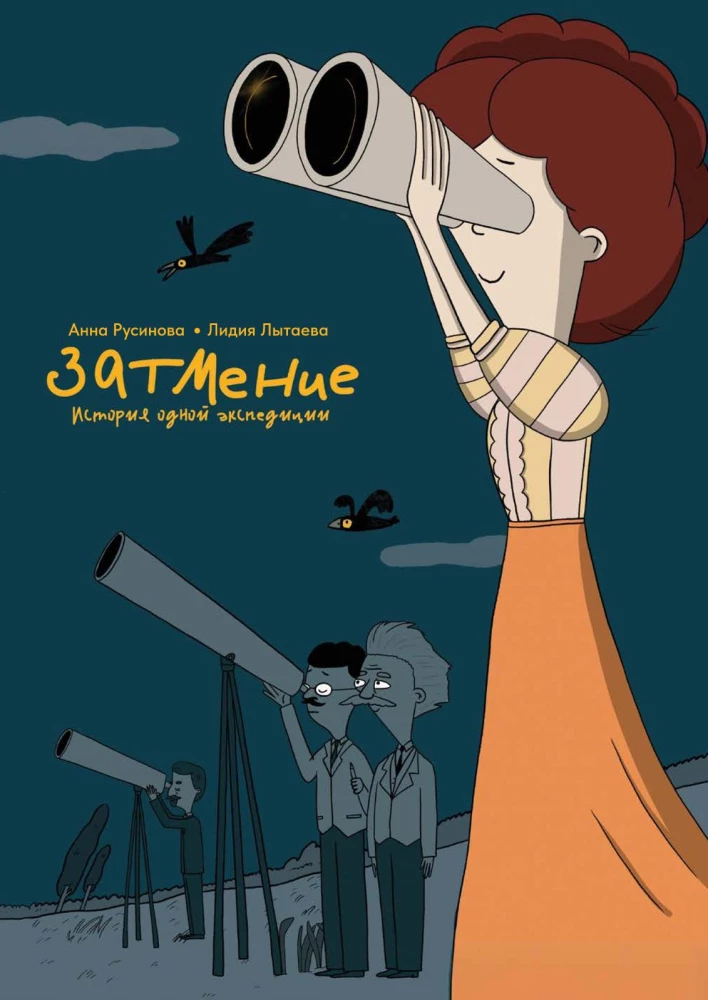
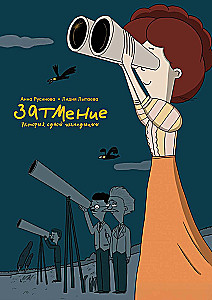

Eclipse
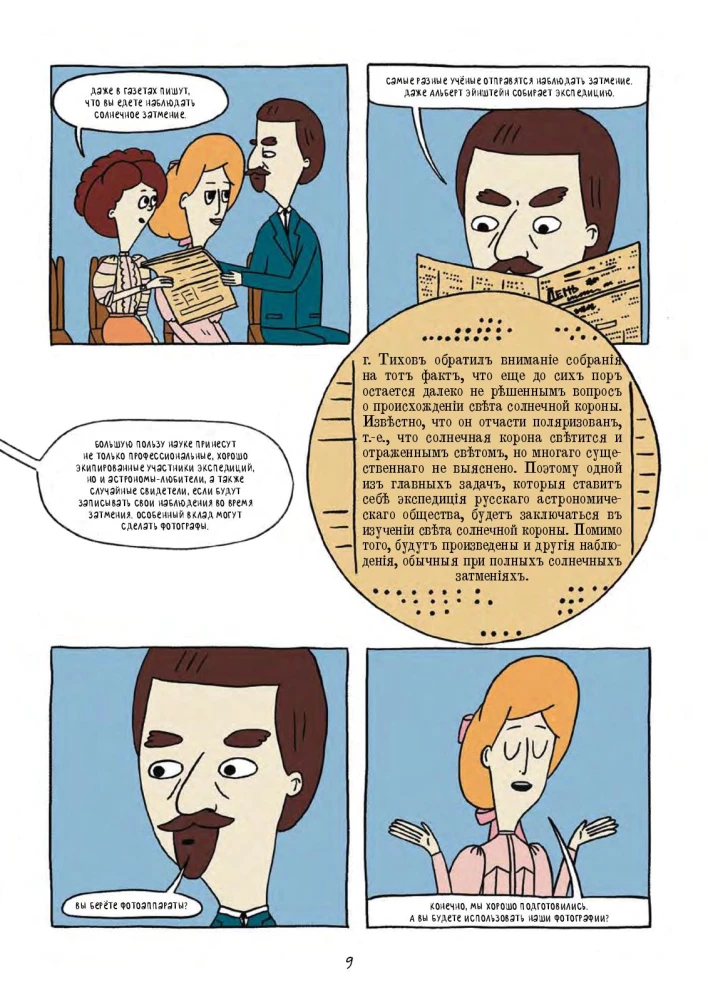
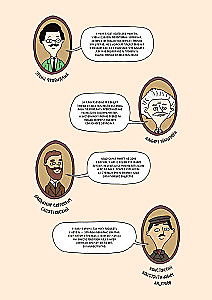
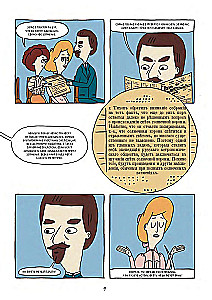
The solar eclipse of 1914 was an important event for the scientific community worldwide. The development of technology already allowed for the design and manufacture of precise instruments for observing astronomical phenomena. Theoretical science was also progressing. Leading scientists were...
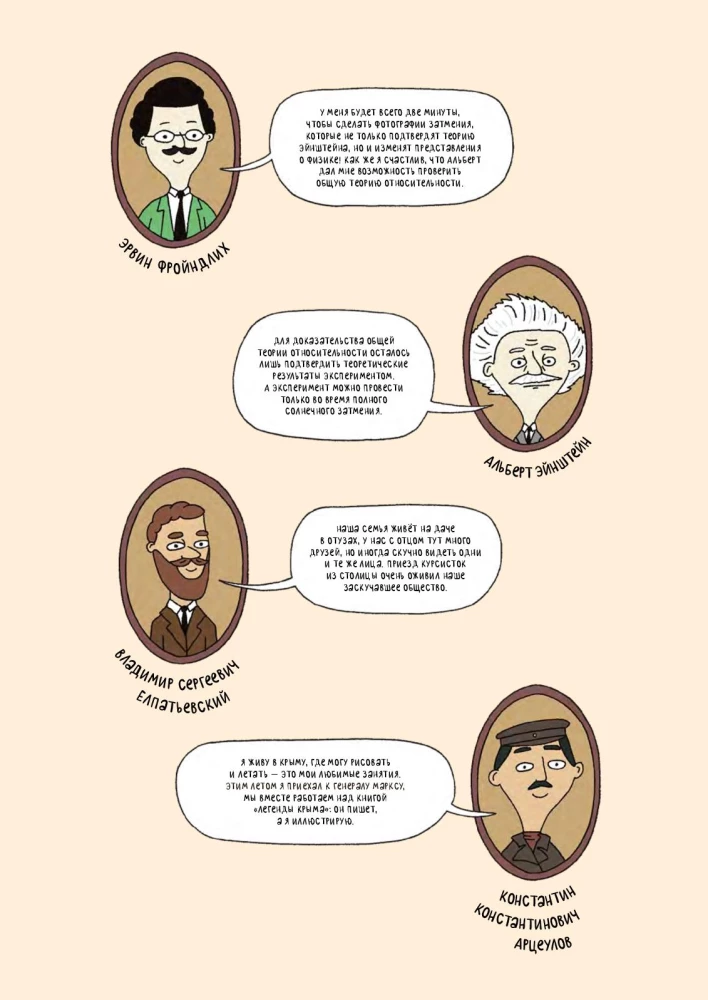
developing their theories: Hendrik Lorentz, Max Planck, Paul Ehrenfest, as well as Albert Einstein, who needed data to confirm the general theory of relativity, which could only be obtained during a total solar eclipse.
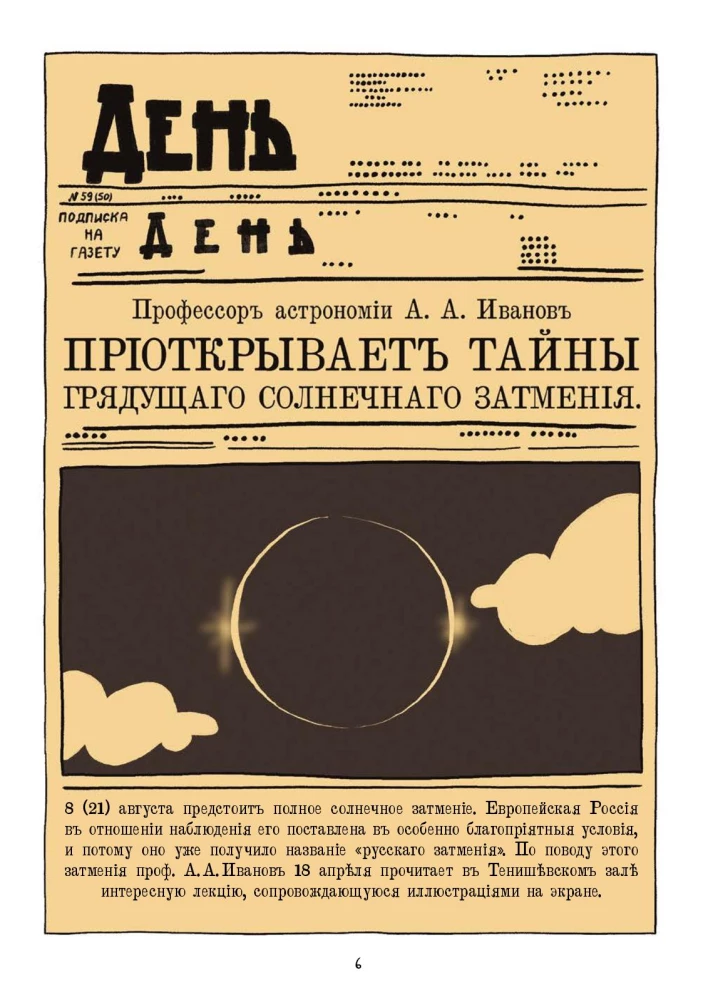
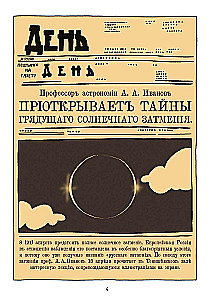
Astronomy was actively developing in St. Petersburg, news about upcoming astronomical events was published in newspapers, and well-known scientists gave popular science lectures for the public.
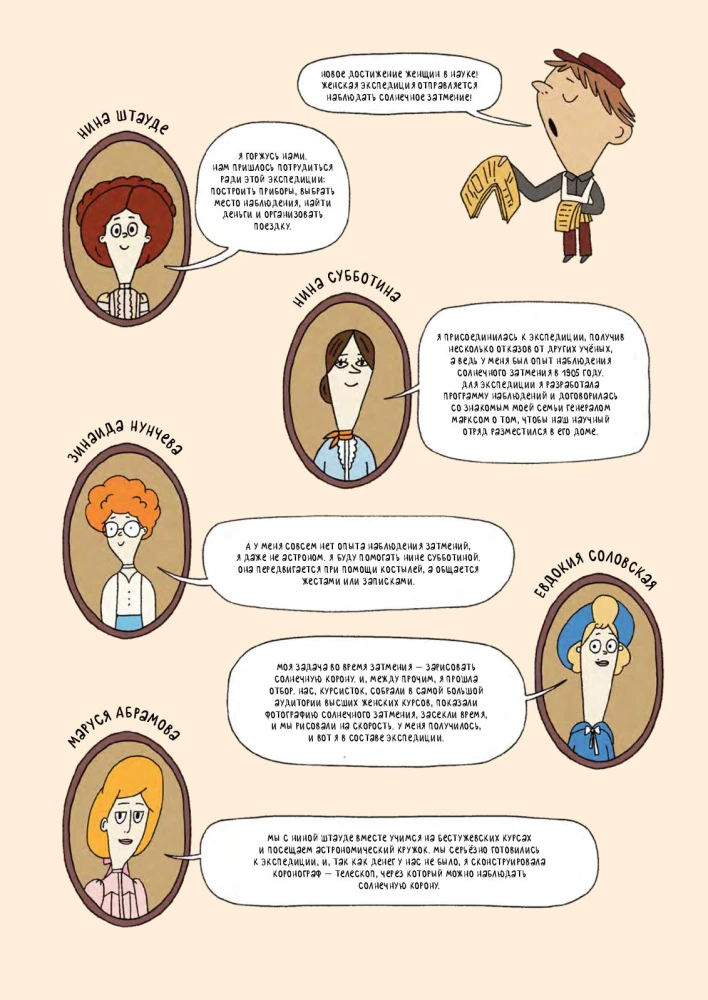
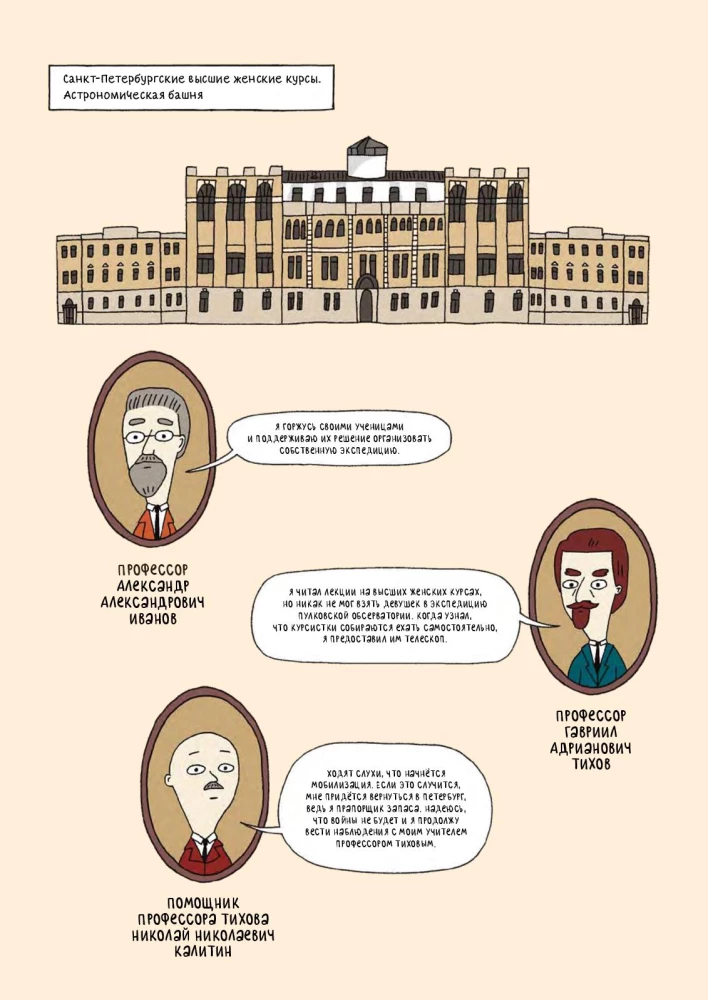
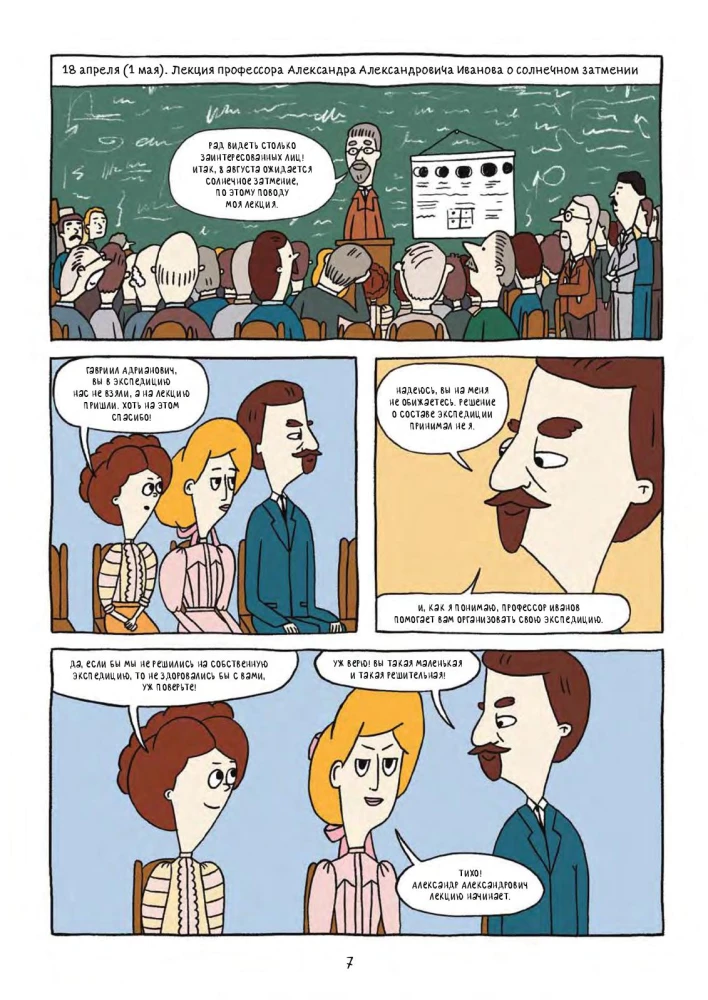
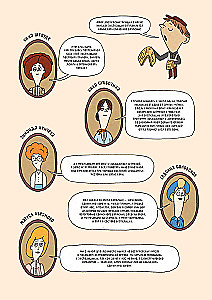
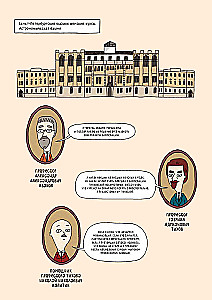
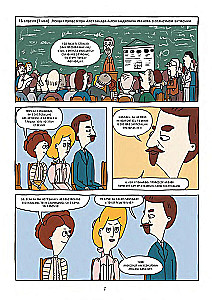
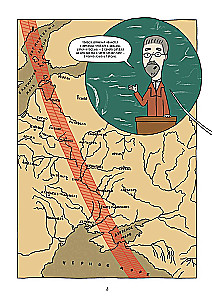
The opportunity to observe a total solar eclipse on the territory of the Russian Empire attracted many Russian scientists: expeditions were organized by the Pulkovo Observatory, universities, and astronomical societies, as well as a group of students from the Higher Women's (Bestuzhev) Courses. Lacking even the means for travel, they independently developed a plan, constructed and assembled instruments for observing the eclipse, and, with the support of Professor Alexander Alexandrovich Ivanov, set off on an expedition that no one believed would succeed.
Astronomy was actively developing in St. Petersburg, news about upcoming astronomical events was published in newspapers, and well-known scientists gave popular science lectures for the public.
The opportunity to observe a total solar eclipse on the territory of the Russian Empire attracted many Russian scientists: expeditions were organized by the Pulkovo Observatory, universities, and astronomical societies, as well as a group of students from the Higher Women's (Bestuzhev) Courses. Lacking even the means for travel, they independently developed a plan, constructed and assembled instruments for observing the eclipse, and, with the support of Professor Alexander Alexandrovich Ivanov, set off on an expedition that no one believed would succeed.
Author: Анна Русинова
Printhouse: Poliandriia
Age restrictions: 0+
Year of publication: 2026
ISBN: 9785605474494
Number of pages: 104
Size: 246х176х15 mm
Cover type: hard
Weight: 446 g
ID: 1741054
Sold out
€ 19.99
Sold out
€ 19.99
Bestsellers





Bestseller
€ 12.19
In stock
Kanashibari. Until the Last Lantern Goes Out. Volume 1
Ангелина Шэн, Вероника Шэн