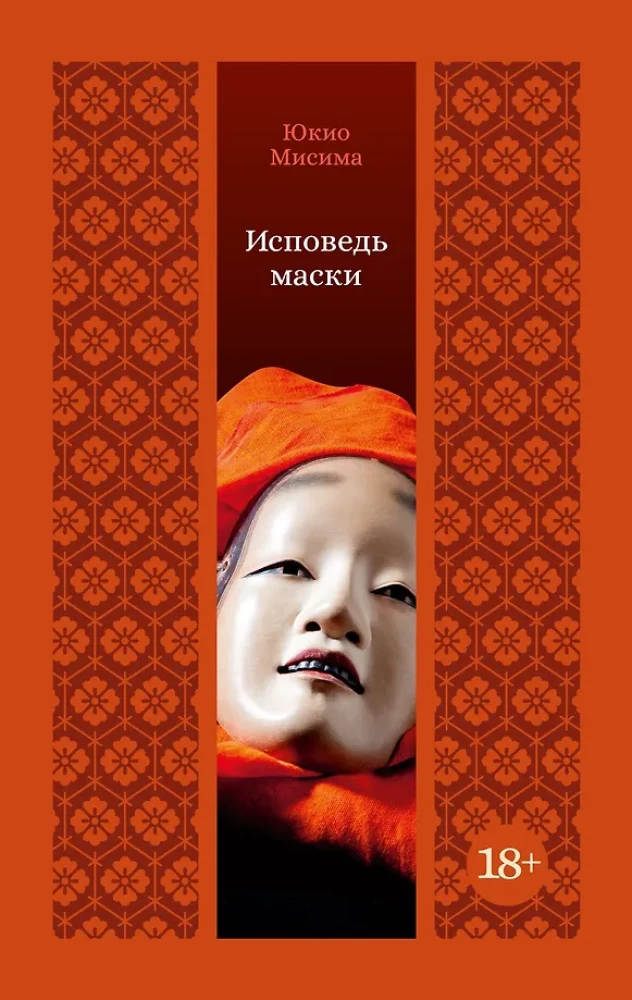
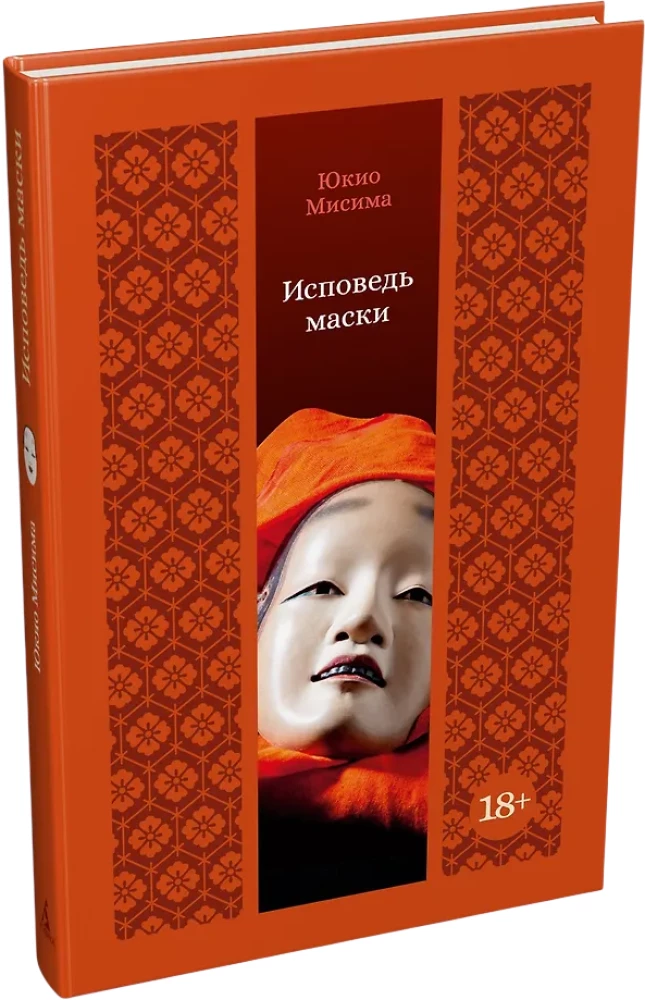

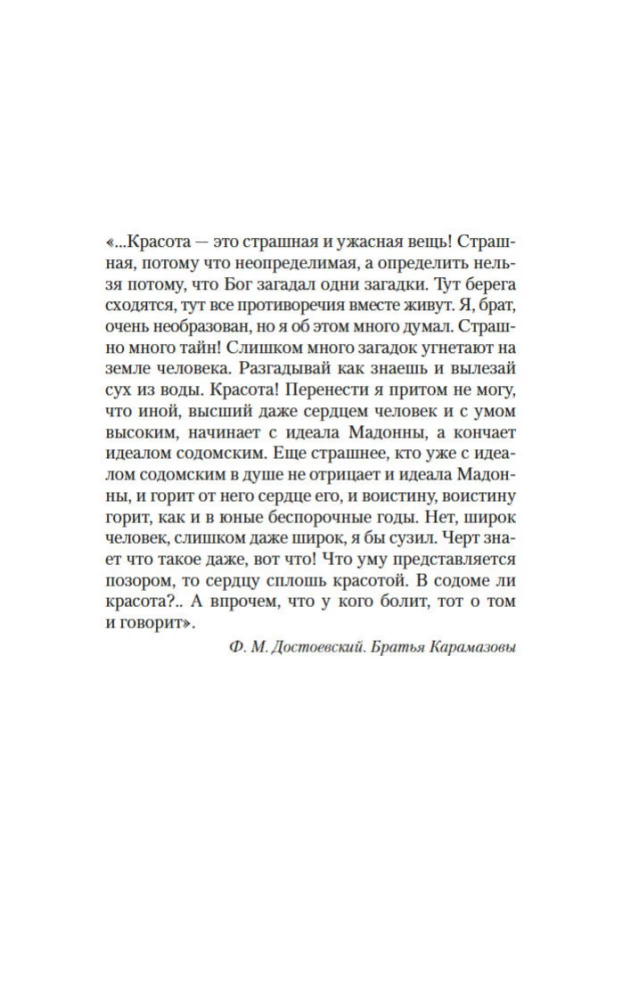
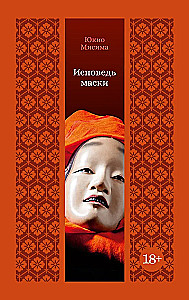
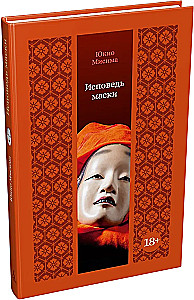
Confession of a Mask
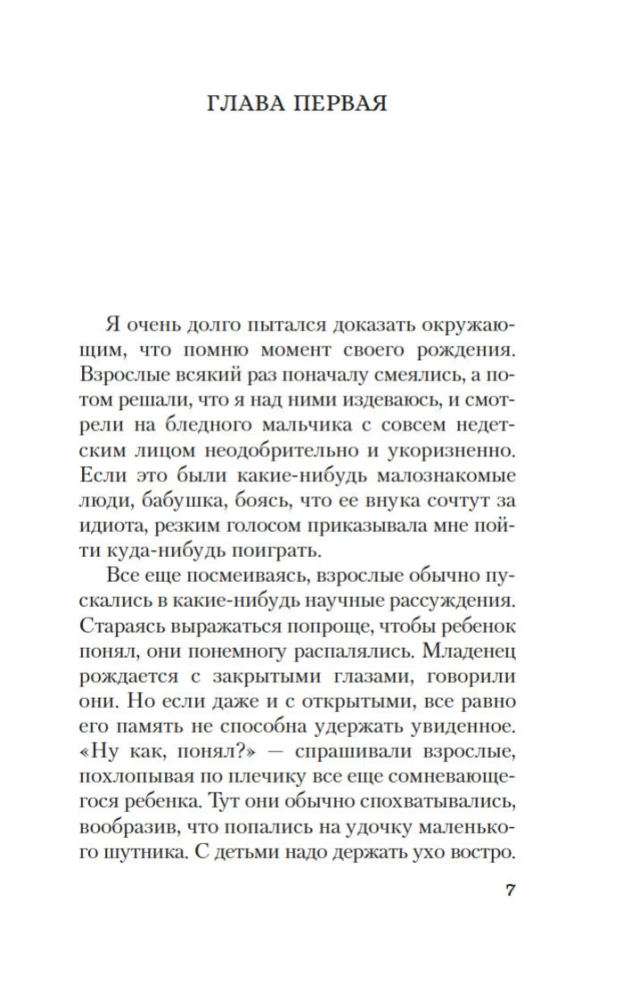
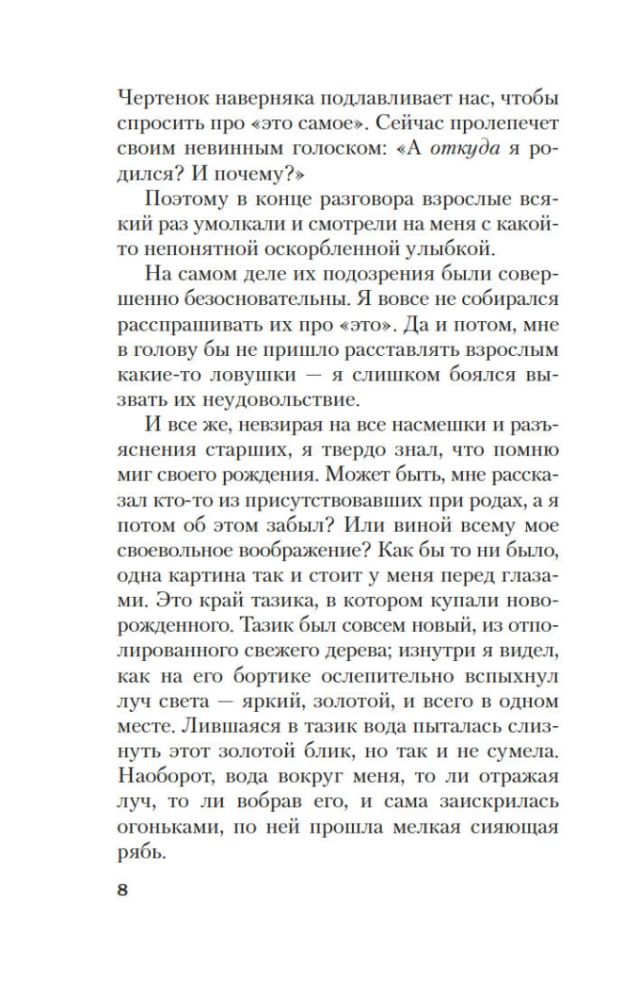
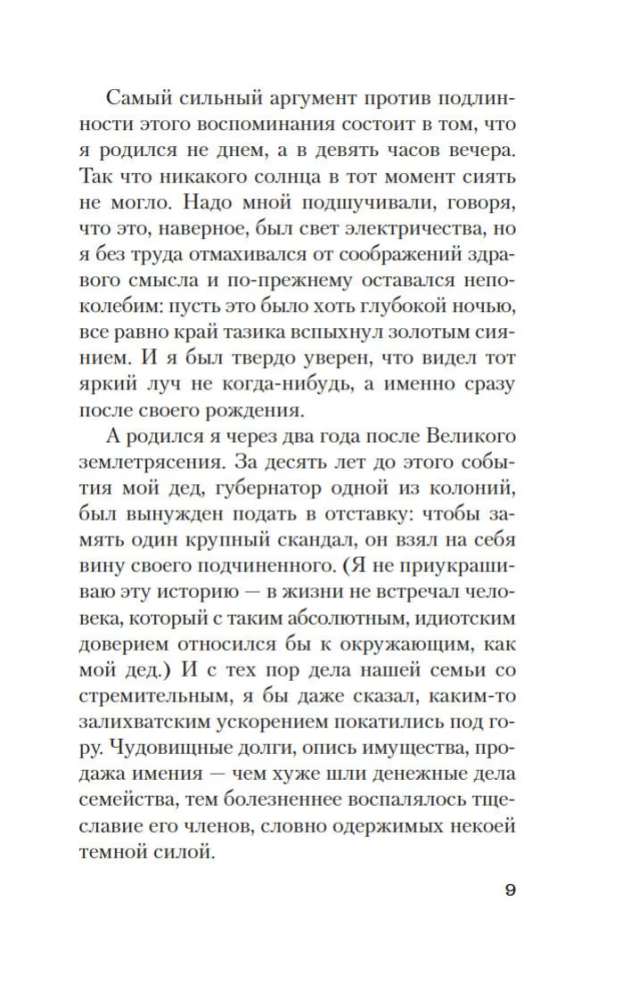
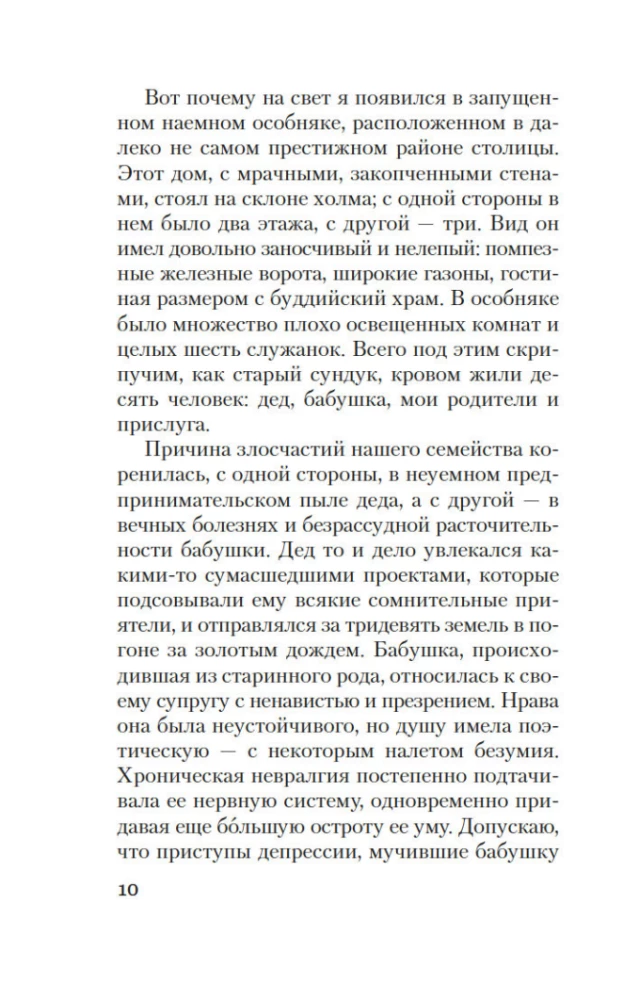
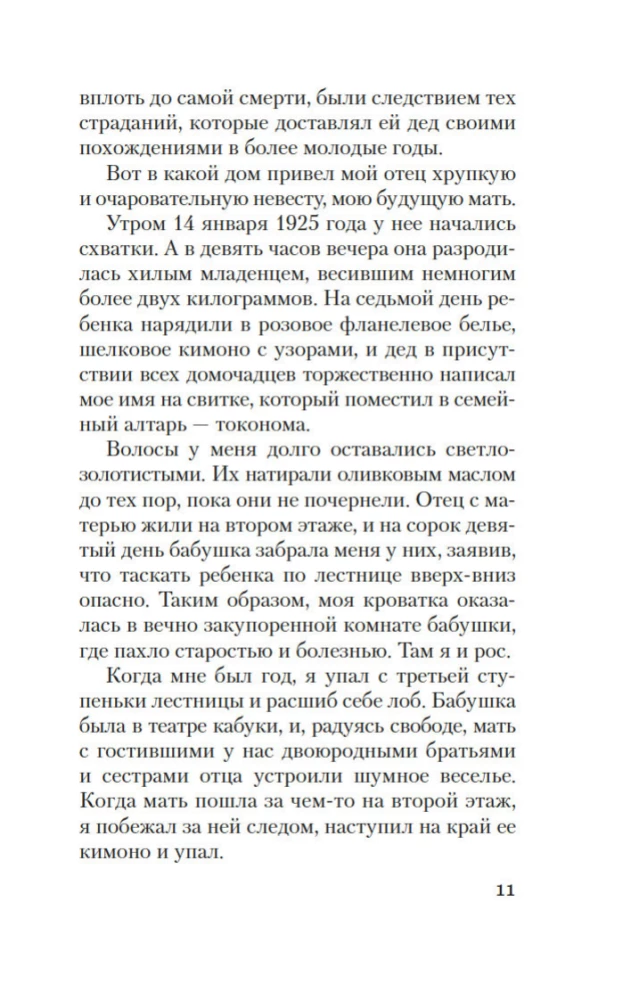
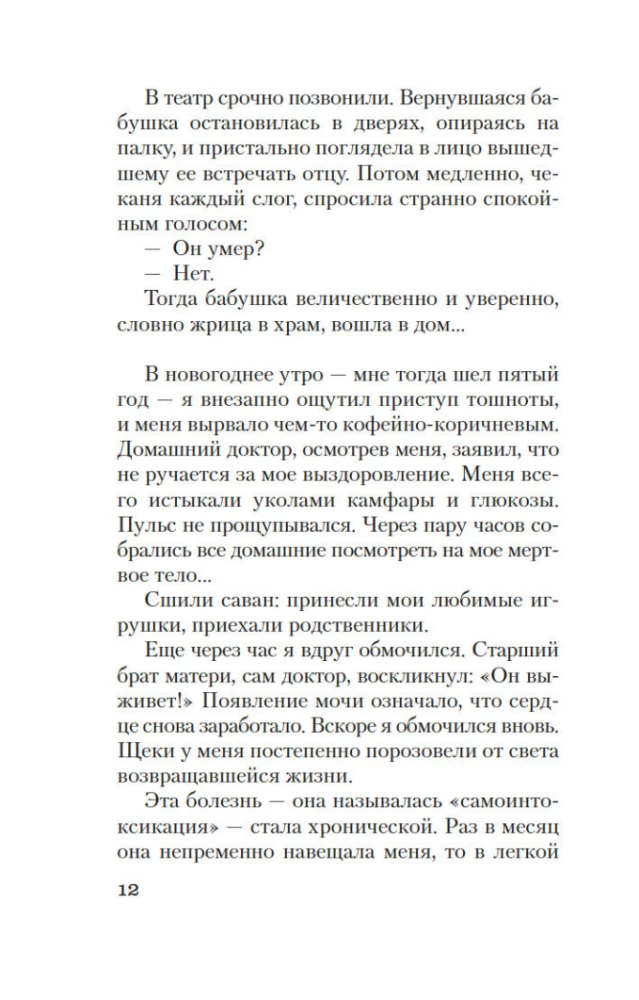
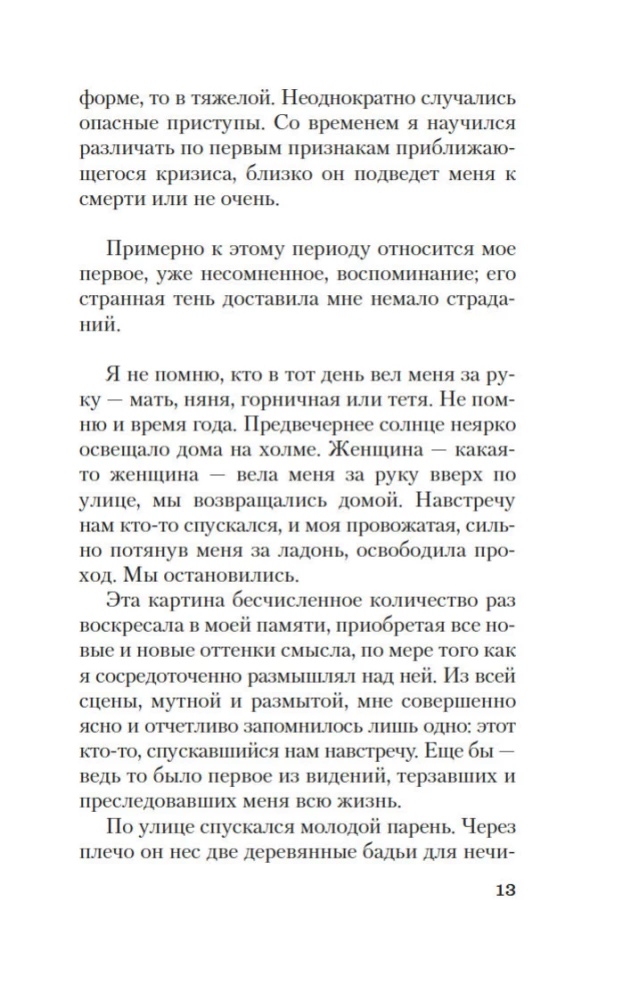
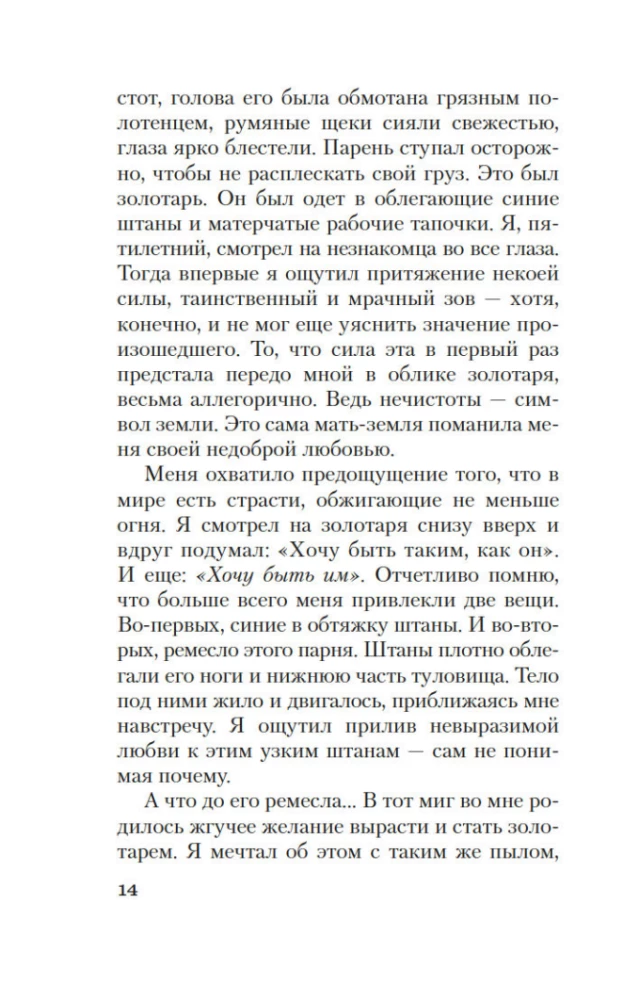
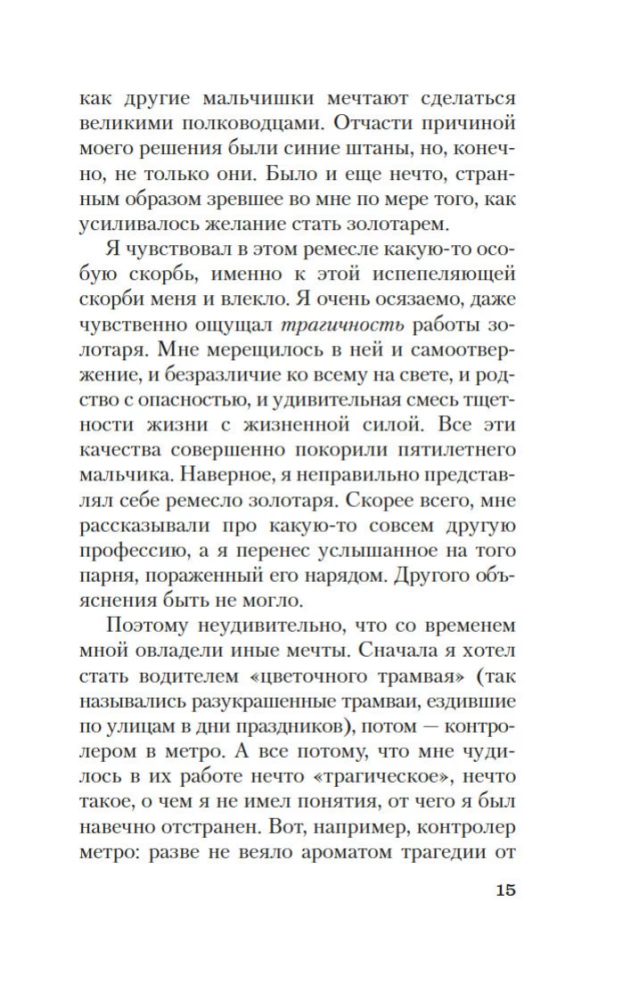
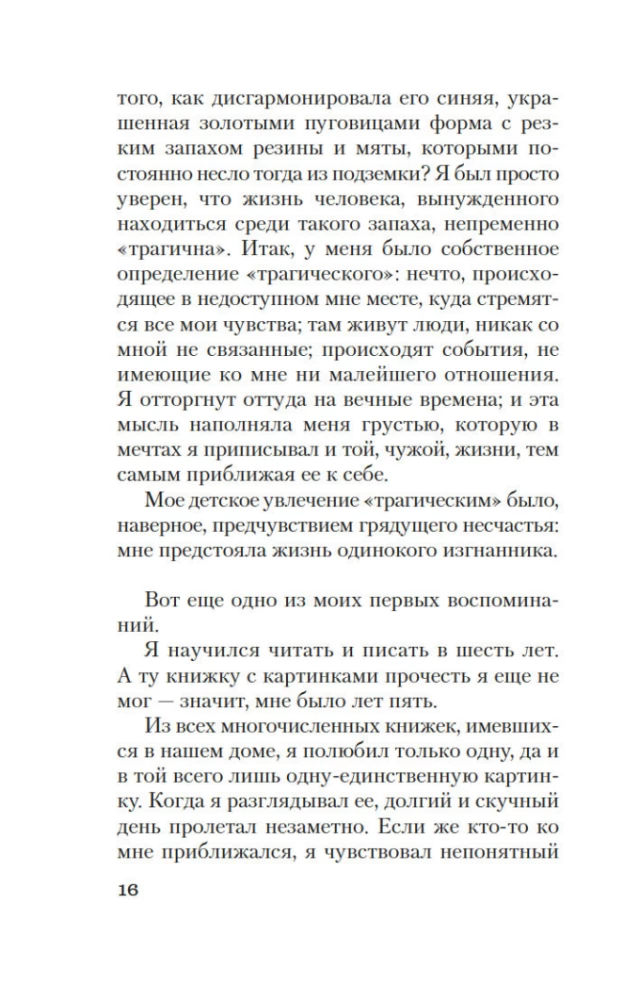
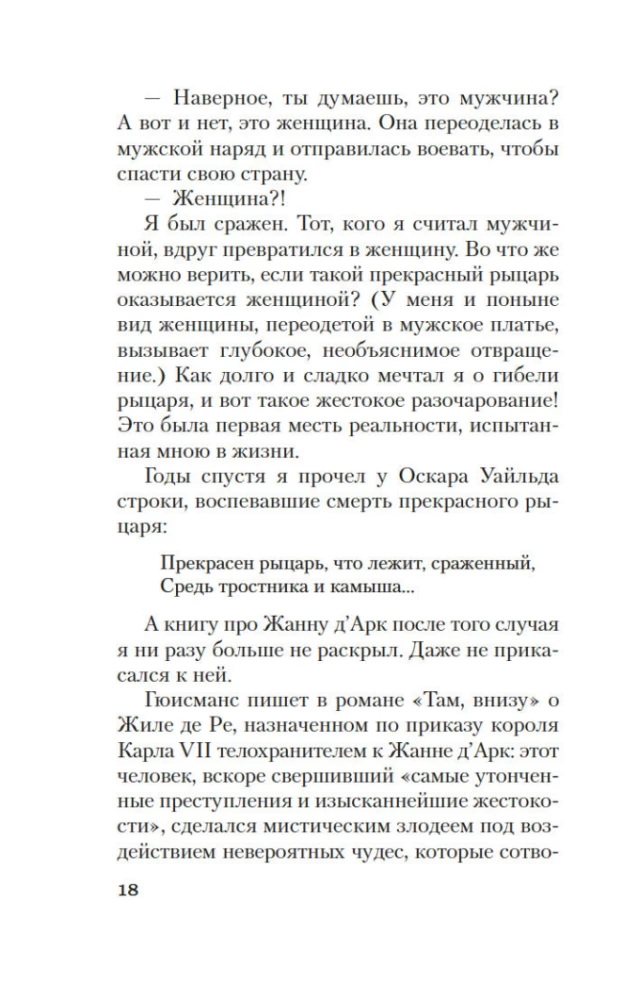
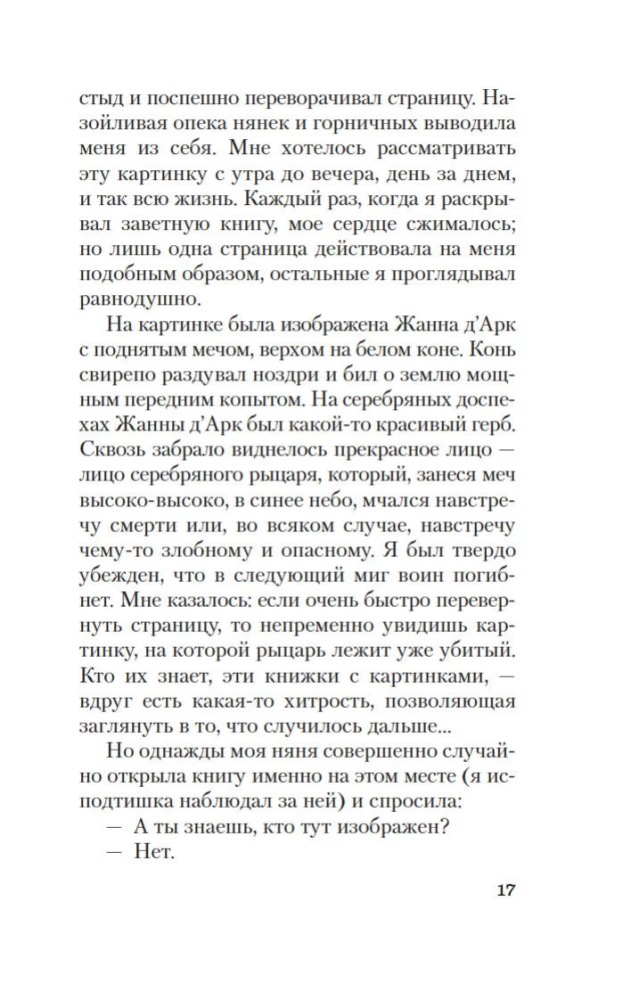
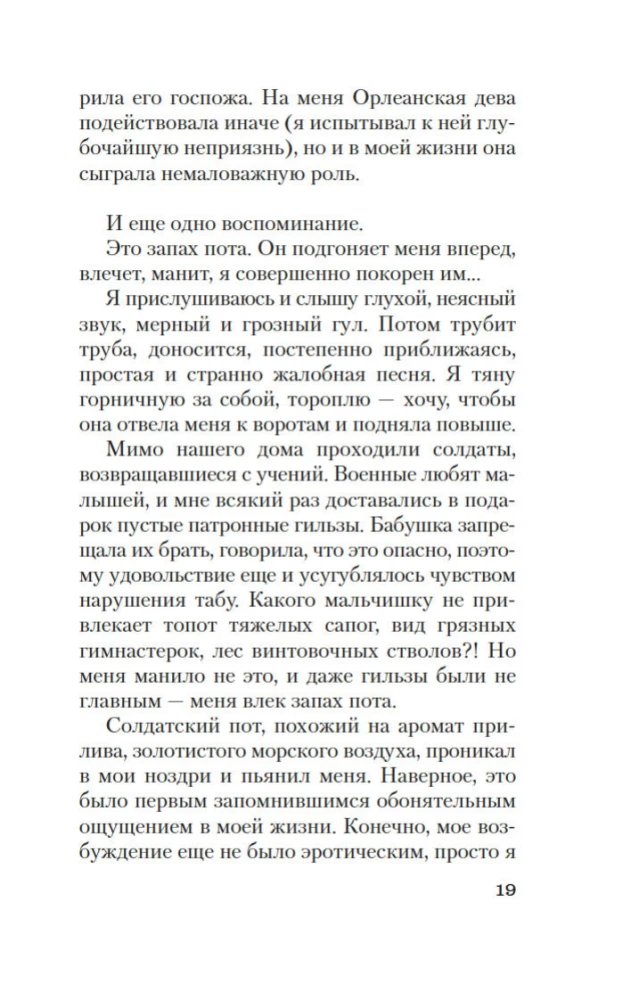
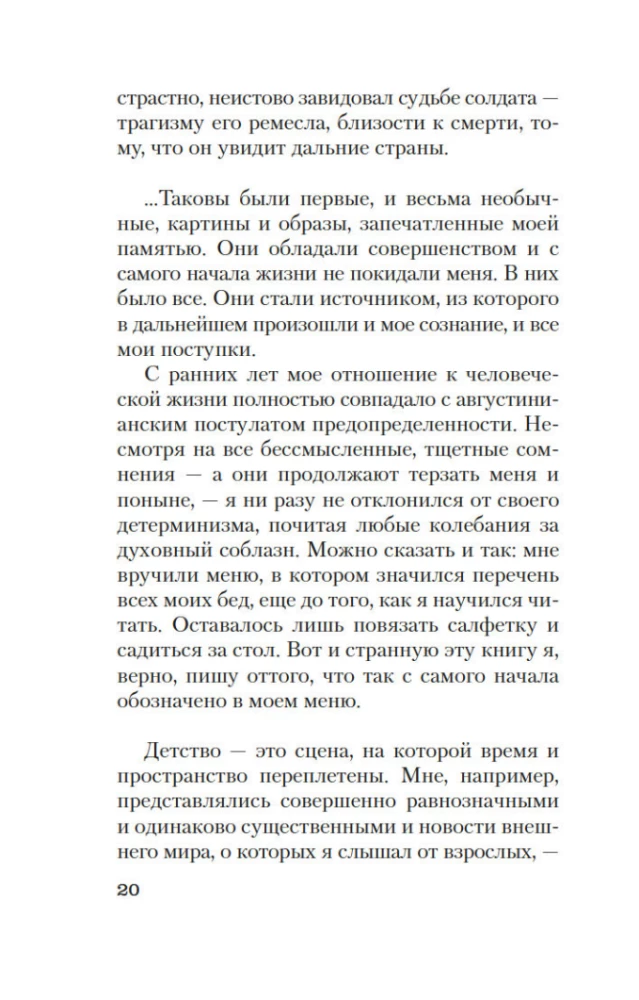
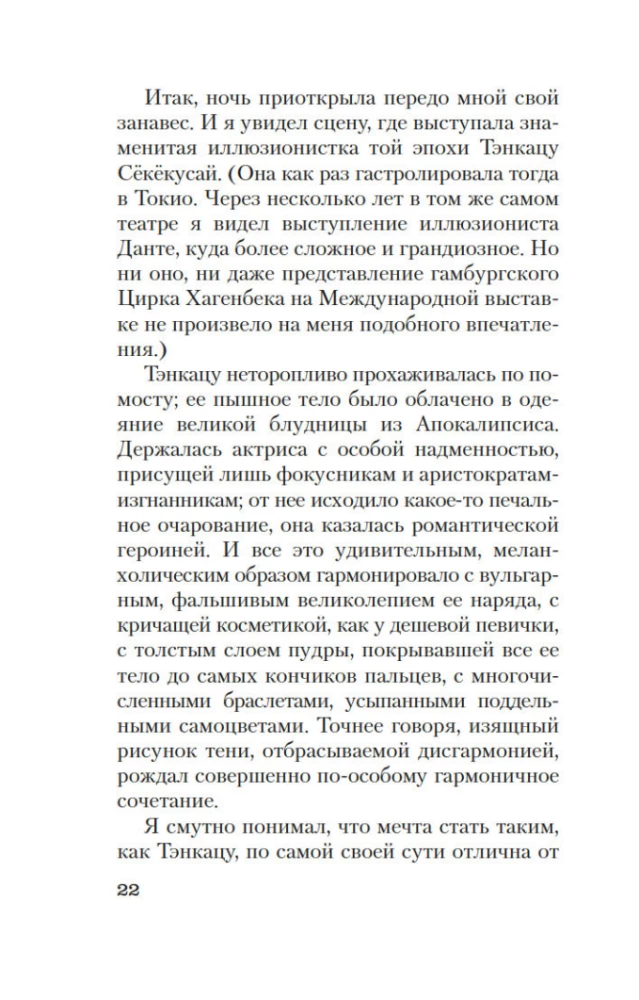
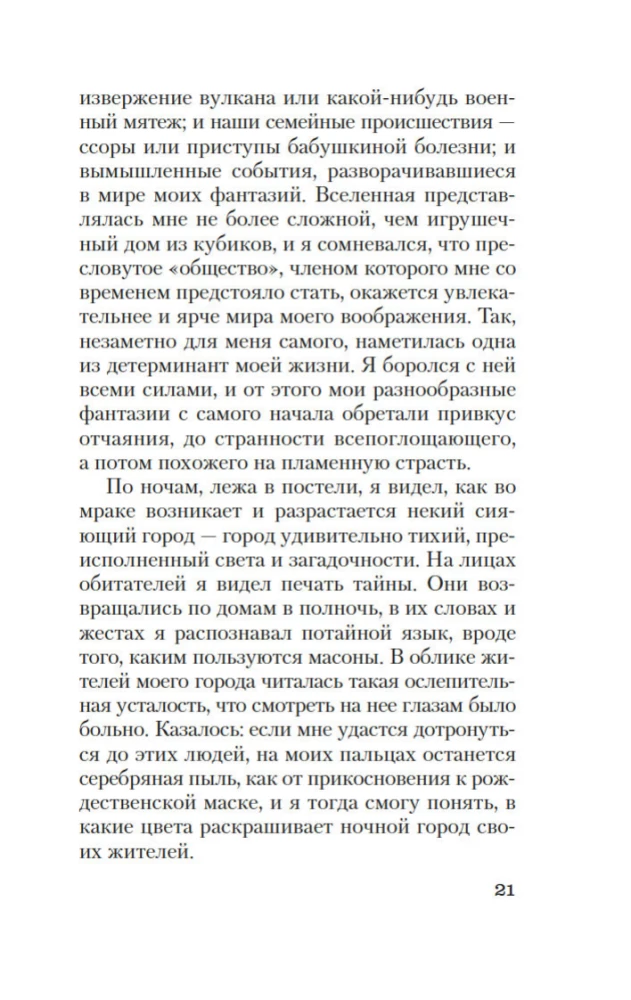
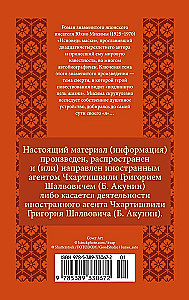
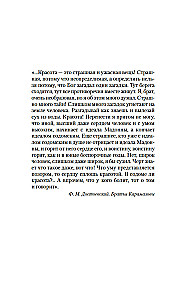
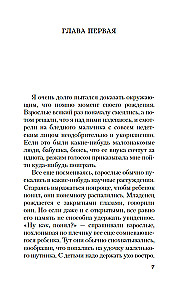
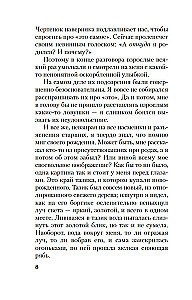
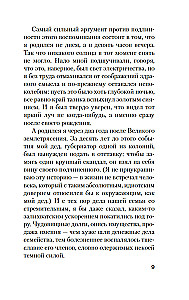
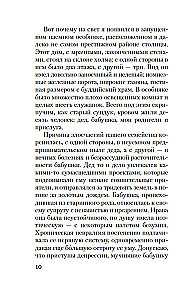
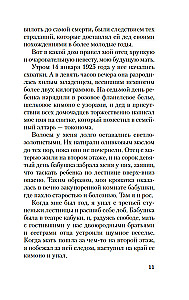
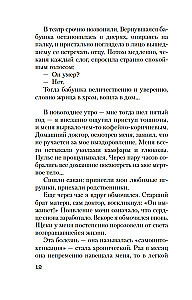
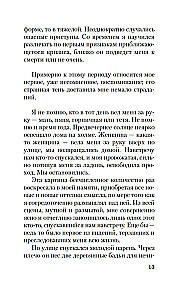
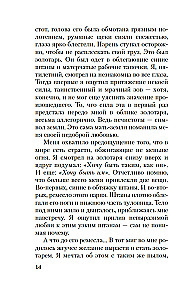
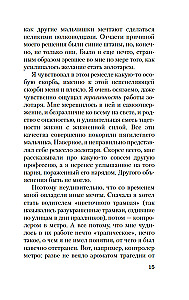
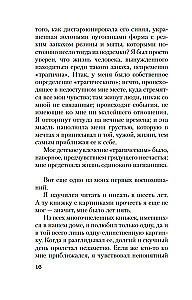
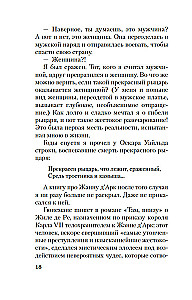
«Confession of a Mask» — is a psychological novel by Yukio Mishima, first published in 1949 and becoming one of the key works of post-war Japanese literature. The text is structured as an extremely personal confession, in which the private...
story of coming of age transforms into a discussion about how a person hides their true face behind a socially convenient role. The novel combines an autobiographical tone, stark honesty, and close attention to the inner life of the protagonist. Here, external events are not important in themselves, but rather how fear, desire, shame, and the drive to meet others' expectations shape one's personality. This book is about the rift between what a person feels and what they are forced to show the world.
This is a coming-of-age story of a young Japanese man who from an early age feels his difference from others and tries to understand the nature of his own desires. He lives in pre-war and wartime Japan, where the pressure of societal norms is particularly strong. In order not to stand out from the established order, he dons a mask of normality and tries to lead the life expected of him. He also attempts to build a relationship with Sonoko. The internal conflict comes to the fore: sincere feelings clash with the obligation to play someone else's role. The novel combines confessional prose, self-analysis, and reflections on beauty, corporeality, loneliness, and destruction.
Yukio Mishima, whose real name was Kimitake Hiraoka, — was a Japanese writer, playwright, poet, and essayist. He was born in 1925 in Tokyo and became one of the central figures of post-war Japanese literature. In his prose, traditional Japanese aesthetics and Western modernist writing style converge. Among the most famous works of the writer are «The Temple of the Golden Pavillion», the tetralogy «The Sea of Fertility», and the essay «Sun and Steel». His books often address themes of beauty, self-destruction, internal discord, and personal identity.
This is a coming-of-age story of a young Japanese man who from an early age feels his difference from others and tries to understand the nature of his own desires. He lives in pre-war and wartime Japan, where the pressure of societal norms is particularly strong. In order not to stand out from the established order, he dons a mask of normality and tries to lead the life expected of him. He also attempts to build a relationship with Sonoko. The internal conflict comes to the fore: sincere feelings clash with the obligation to play someone else's role. The novel combines confessional prose, self-analysis, and reflections on beauty, corporeality, loneliness, and destruction.
Yukio Mishima, whose real name was Kimitake Hiraoka, — was a Japanese writer, playwright, poet, and essayist. He was born in 1925 in Tokyo and became one of the central figures of post-war Japanese literature. In his prose, traditional Japanese aesthetics and Western modernist writing style converge. Among the most famous works of the writer are «The Temple of the Golden Pavillion», the tetralogy «The Sea of Fertility», and the essay «Sun and Steel». His books often address themes of beauty, self-destruction, internal discord, and personal identity.
Author: Юкио Мисима
Printhouse: Azbuka
Series: Elegant Classics of the East
Age restrictions: 18+
Year of publication: 2026
ISBN: 9785389330672
Number of pages: 256
Size: 180х120х15 mm
Cover type: hard
Weight: 288 g
ID: 1739651
In stock
€ 11.29
Will be delivered to United States on :
Unfortunately, we are currently unable to deliver orders to your region.
In stock
€ 11.29
Will be delivered to United States on :
Unfortunately, we are currently unable to deliver orders to your region.
Bestsellers



Bestseller
€ 12.19
In stock
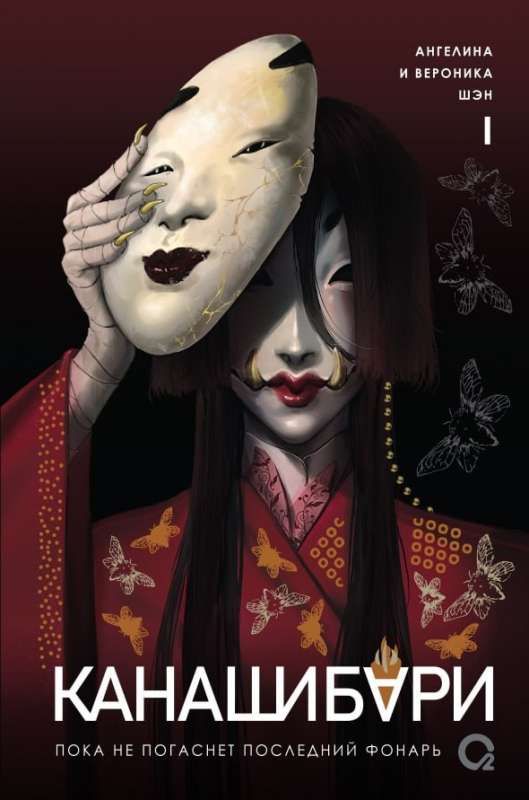
Kanashibari. Until the Last Lantern Goes Out. Volume 1
Ангелина Шэн, Вероника Шэн