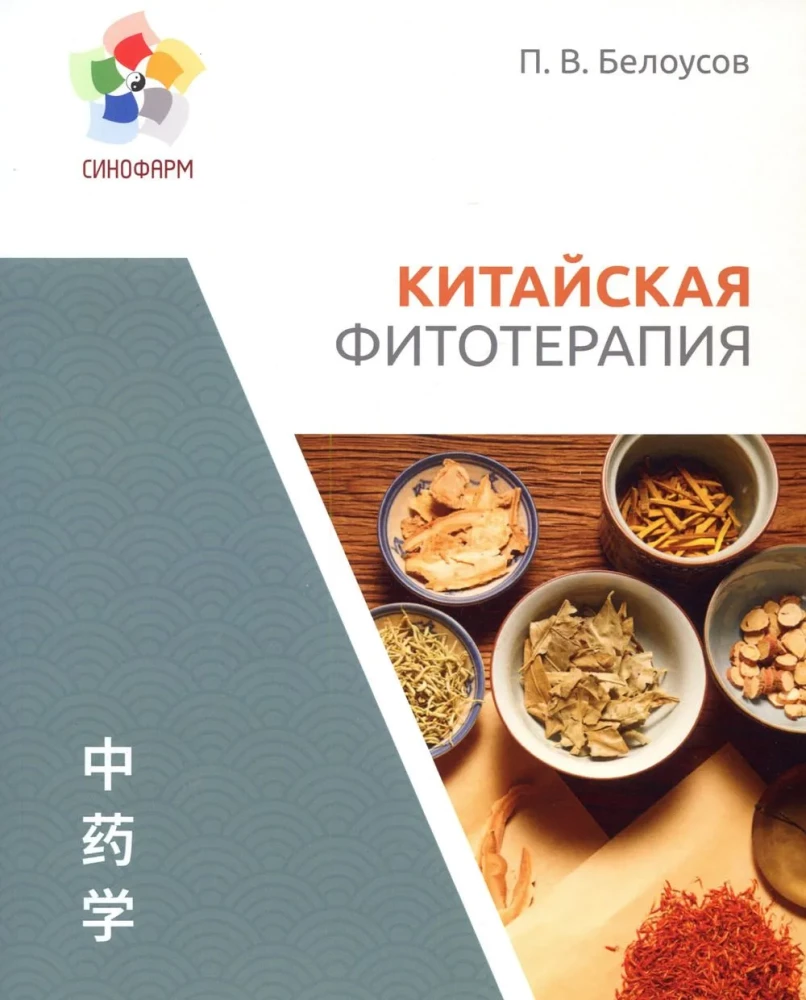
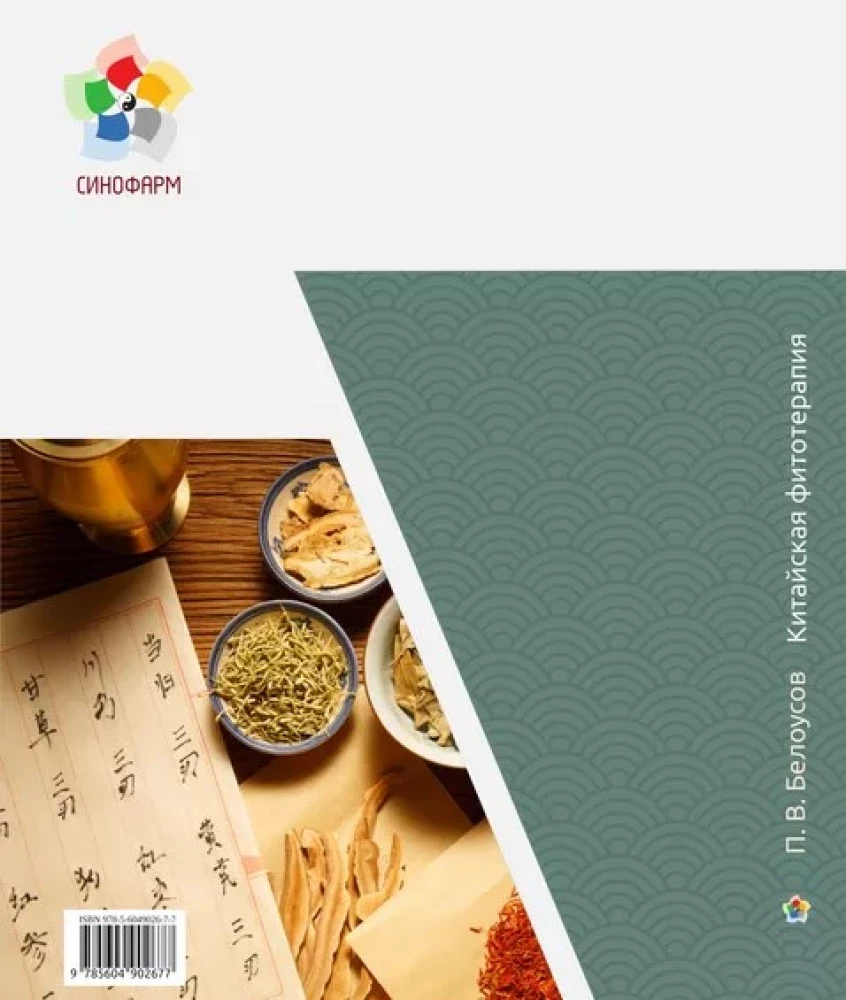
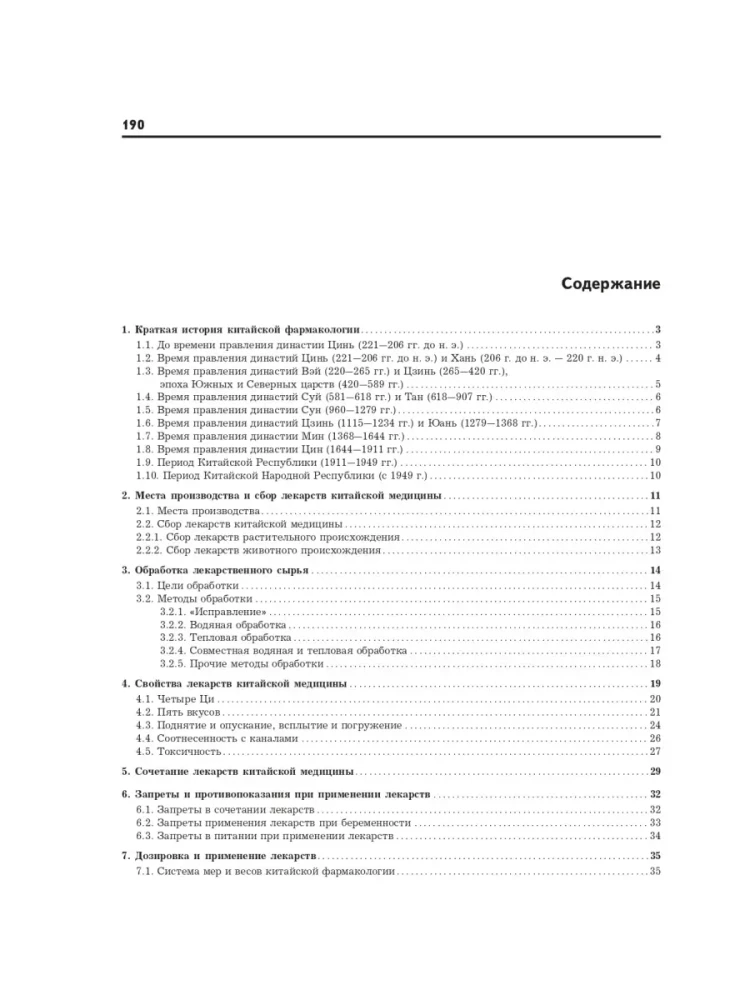
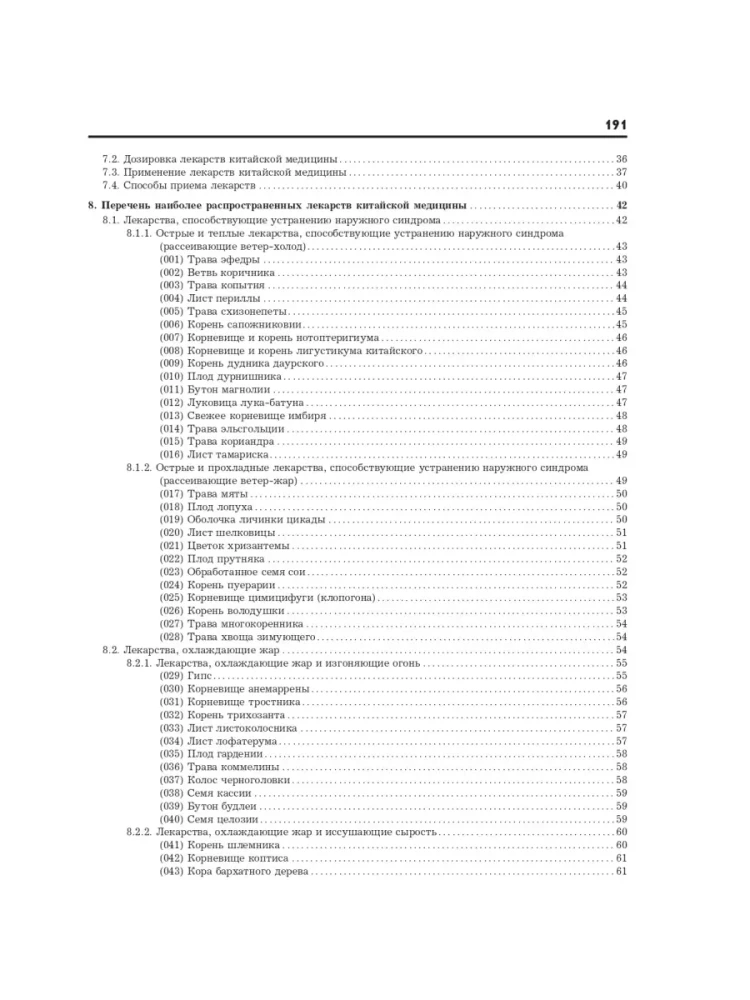
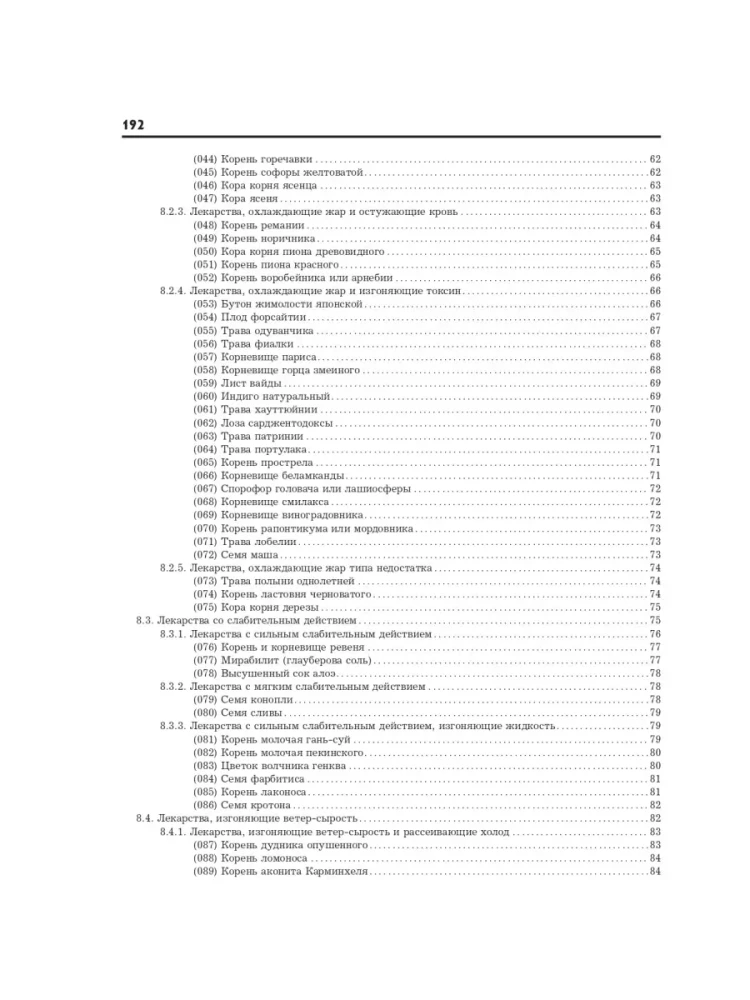
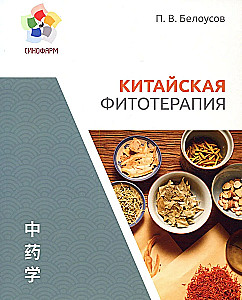
Chinese Phytotherapy
Author: Павел Белоусов
Printhouse: Profit Stail
Series: Traditional Chinese Medicine
Age restrictions: 18+
Year of publication: 2024
ISBN: 9785604902677
Number of pages: 212
Size: 270х220х20 mm
Cover type: soft
Weight: 484 g
ID: 1738330
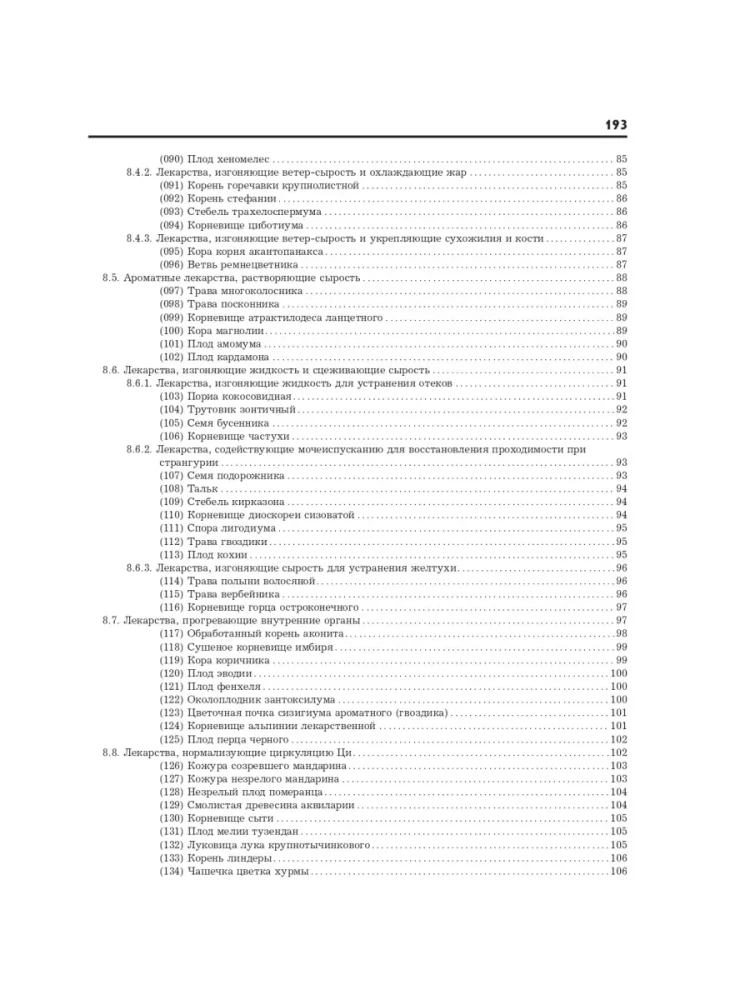
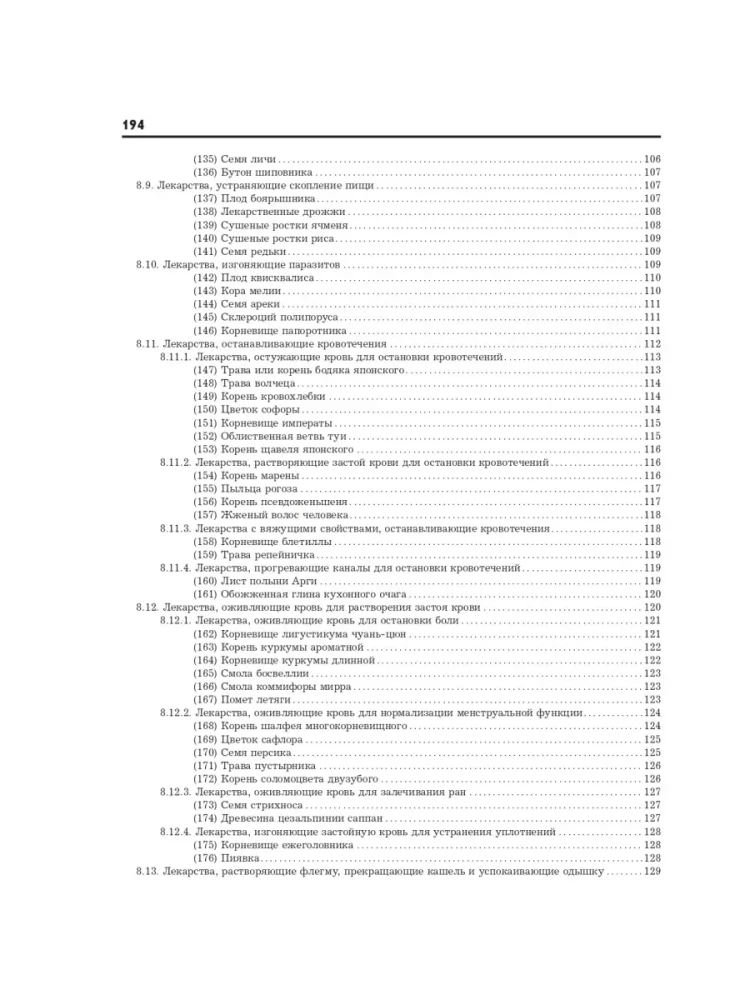
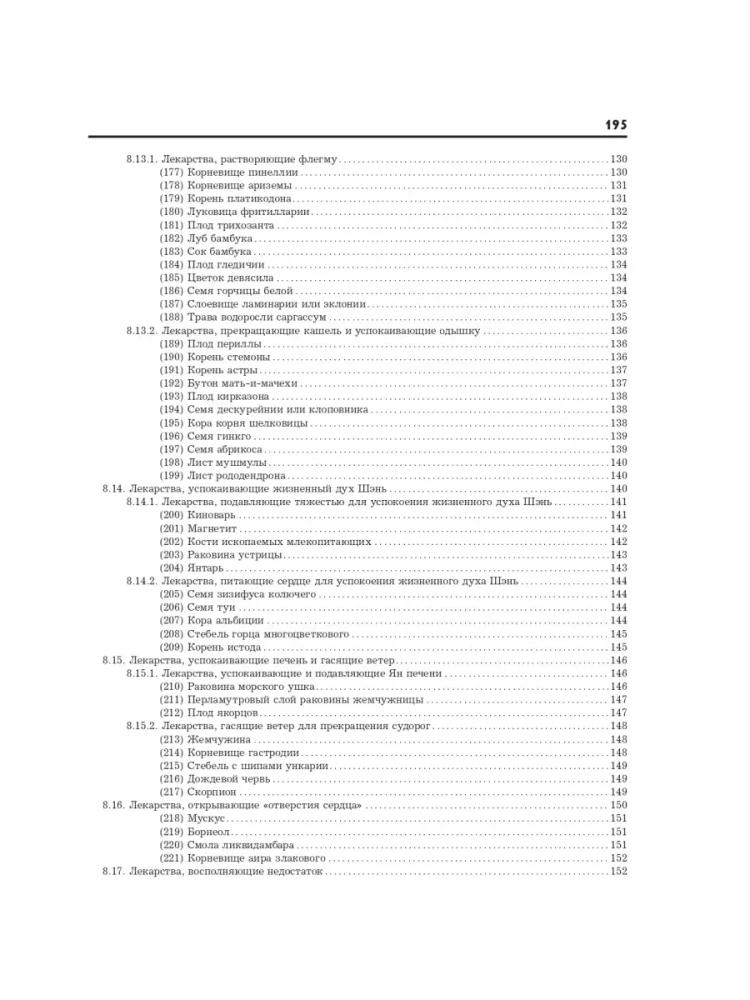
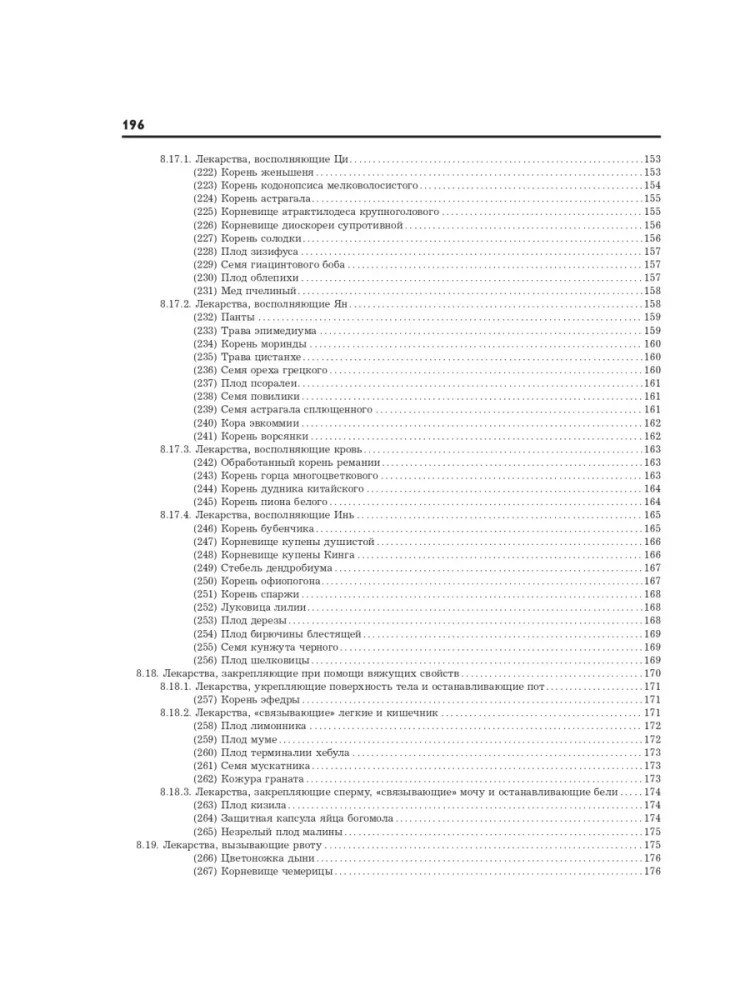
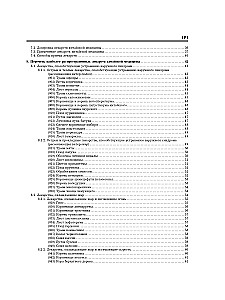
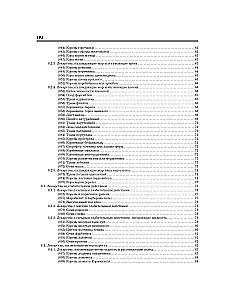
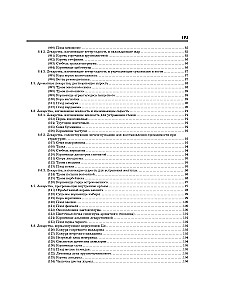
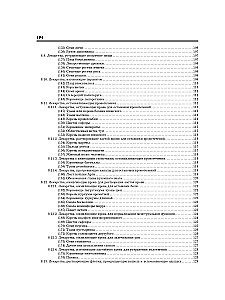
A practical guide to phytotherapy in traditional Chinese medicine.
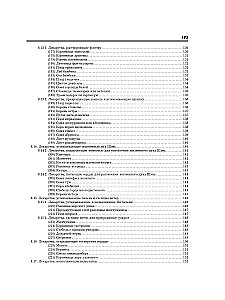
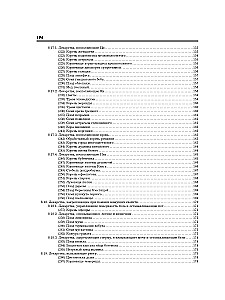
The book discusses medicinal plants, their properties, and their application for maintaining health and treating various conditions.
It is suitable for specialists as well as anyone interested in natural methods of restoring the body.
Since ancient times, agriculture has been the backbone of Chinese civilization, determining many aspects of its development. Unmatched diligence in challenging climatic and historical conditions, a reverent attitude toward the land and the products grown on it have shaped the phenomenal vitality of the Chinese people. Land ownership has always been viewed by the Chinese as the highest value, and the class of peasants has historically occupied a place directly after that of the ruling elite, traditionally considered more socially significant than, for example, the class of artisans and merchants.
Since time immemorial, the plants grown served not only as a source of food for the inhabitants of China, but also helped people get rid of diseases. Through prolonged observation, the healing properties of both edible and inedible parts of these plants were discovered. Over time, the acquired knowledge was generalized and systematized in the classical works of traditional Chinese medicine.
The proposed book addresses the history of cultivation and medical applications of major cultivated plants in China.
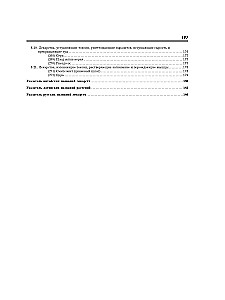
The third volume contains descriptions of fruit crops as well as cultivated mushrooms, which, according to modern science, do not belong to the plant class, but are traditionally regarded by the Chinese as a special type of vegetable. A significant part of the book consists of quotes from ancient sources, the text of which has only historical and cultural value and cannot serve as a guide for treatment.
The reader should also take into account the level of medical and scientific knowledge of the past and exercise extreme caution in efforts to correlate this knowledge with modern scientific ideas about human anatomy and physiology, etiology, and pathogenesis of various diseases.
The book may be useful for specialists in Chinese medicine, nutritionists, as well as anyone interested in Chinese culture, cuisine, health methods, and alternative medicine.
Bestsellers