
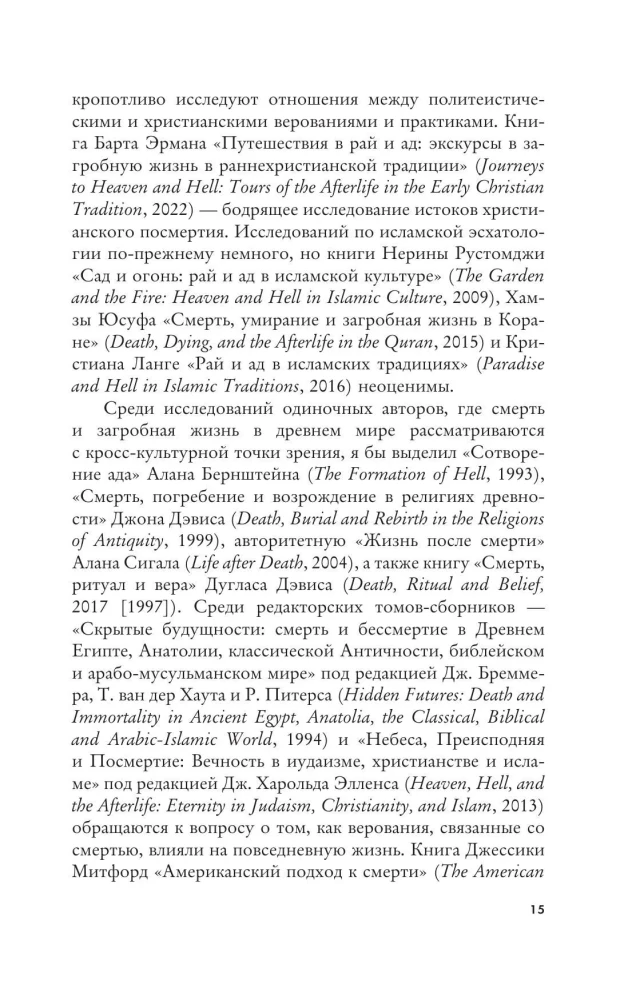

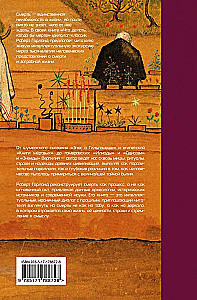
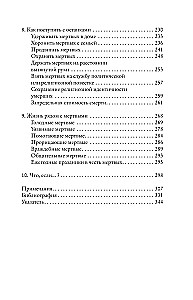
What to Do When You're Dead: Myths and Rituals of the Afterlife from Osiris to Christ
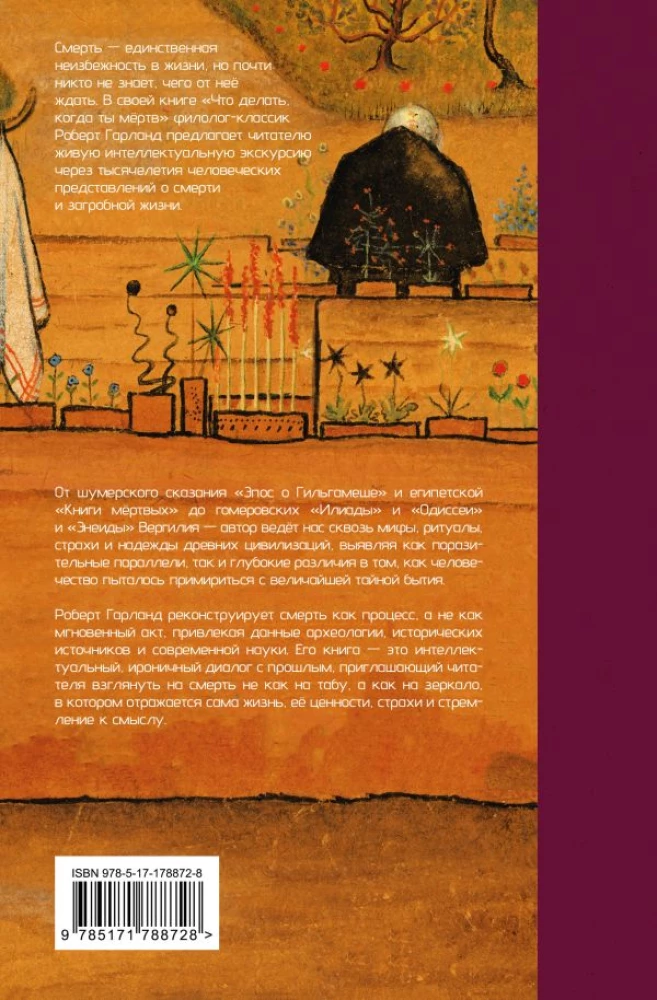
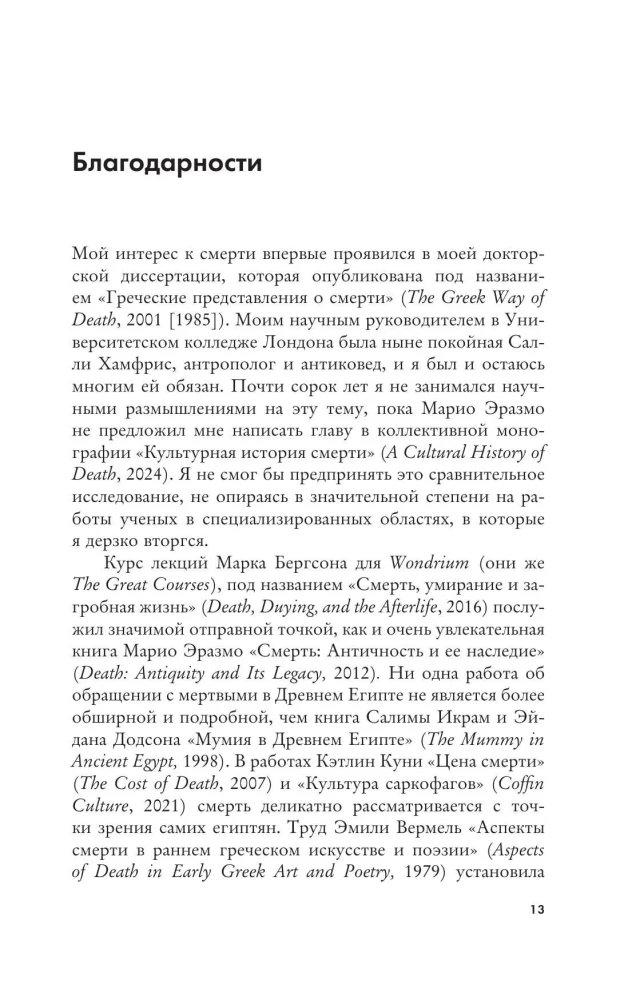
Death is the only inevitability in life, but almost no one knows what to expect from it. In his book "What to Do When You're Dead? Myths and Rituals of the Afterlife from Osiris to Christ," classicist Robert Garland offers...
the reader a lively intellectual tour through thousands of years of human conceptions of death and the afterlife.
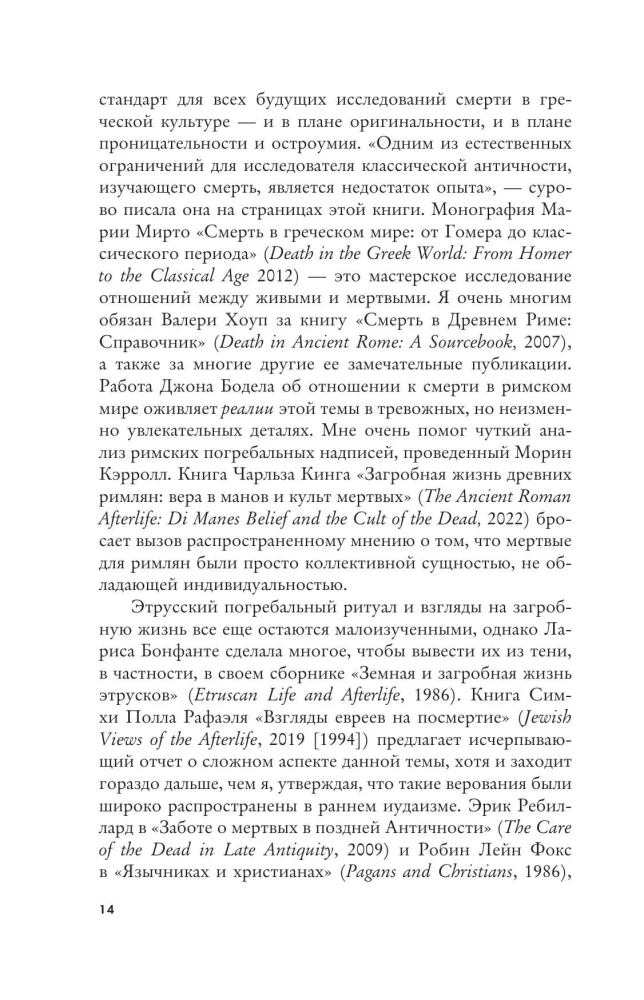
From the Sumerian tale "Epic of Gilgamesh" and the Egyptian "Book of the Dead" to the Homeric "Iliad" and "Odyssey" and Virgil's "Aeneid" — the author guides us through the myths, rituals, fears, and hopes of ancient civilizations, revealing both striking parallels and profound differences in how humanity has attempted to come to terms with the greatest mystery of existence.
Robert Garland reconstructs death as a process, rather than an instantaneous act, drawing on data from archaeology, historical sources, and modern science. His book is an intellectual, ironic dialogue with the past, inviting the reader to view death not as a taboo but as a mirror reflecting life itself, values, fears, and the quest for meaning.
From the Sumerian tale "Epic of Gilgamesh" and the Egyptian "Book of the Dead" to the Homeric "Iliad" and "Odyssey" and Virgil's "Aeneid" — the author guides us through the myths, rituals, fears, and hopes of ancient civilizations, revealing both striking parallels and profound differences in how humanity has attempted to come to terms with the greatest mystery of existence.
Robert Garland reconstructs death as a process, rather than an instantaneous act, drawing on data from archaeology, historical sources, and modern science. His book is an intellectual, ironic dialogue with the past, inviting the reader to view death not as a taboo but as a mirror reflecting life itself, values, fears, and the quest for meaning.
Author: Роберт Гарланд
Printhouse: AST
Series: The Path of History (Ice)
Age restrictions: 18+
Year of publication: 2026
ISBN: 9785171788728
Number of pages: 352
Size: 220х144х19 mm
Cover type: hard
Weight: 473 g
ID: 1737184
Sold out
€ 20.79
Sold out
€ 20.79
Bestsellers





Bestseller
€ 12.19
In stock
Kanashibari. Until the Last Lantern Goes Out. Volume 1
Ангелина Шэн, Вероника Шэн










Publishers "AST" recommends



Bestseller
€ 12.39
In stock
Intensive Korean Language Course for Beginners
Анастасия Погадаева, Чун Ин Сун








Bestseller
€ 33.19
In stock
Sixth Sense. How to Predict Your Future Without Attracting the Attention of Sanitary Workers. Metaphorical Cards
Наталья Краснова