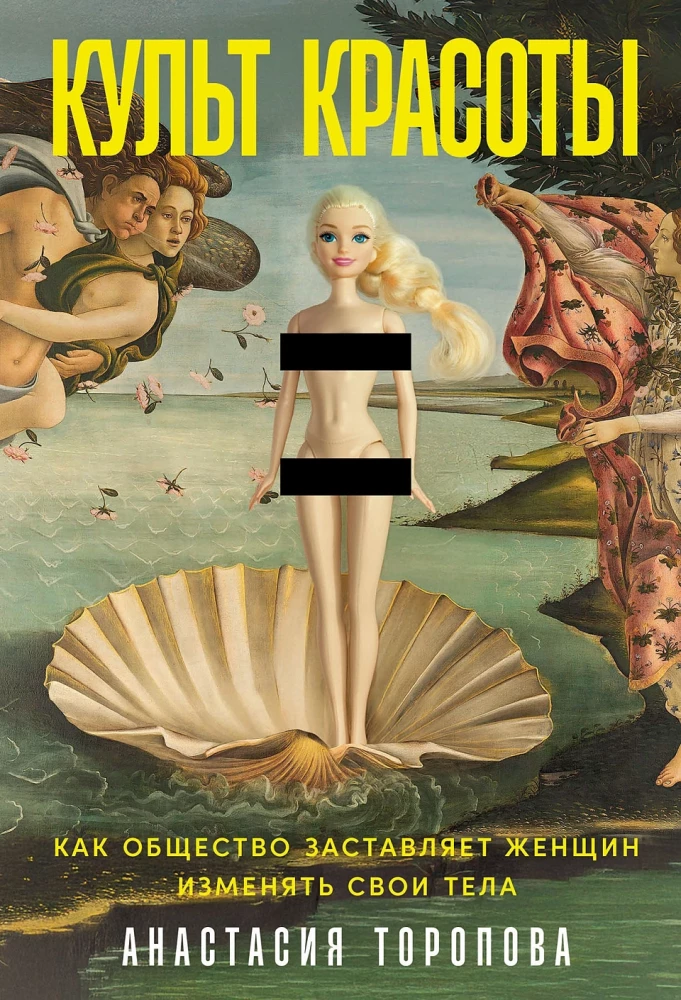
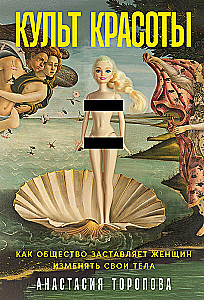
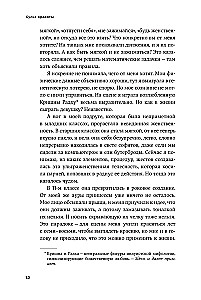
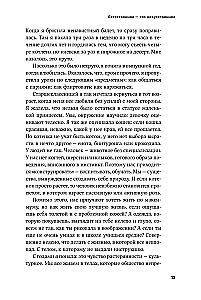
The Cult of Beauty: How Society Pushes Women to Change Their Bodies
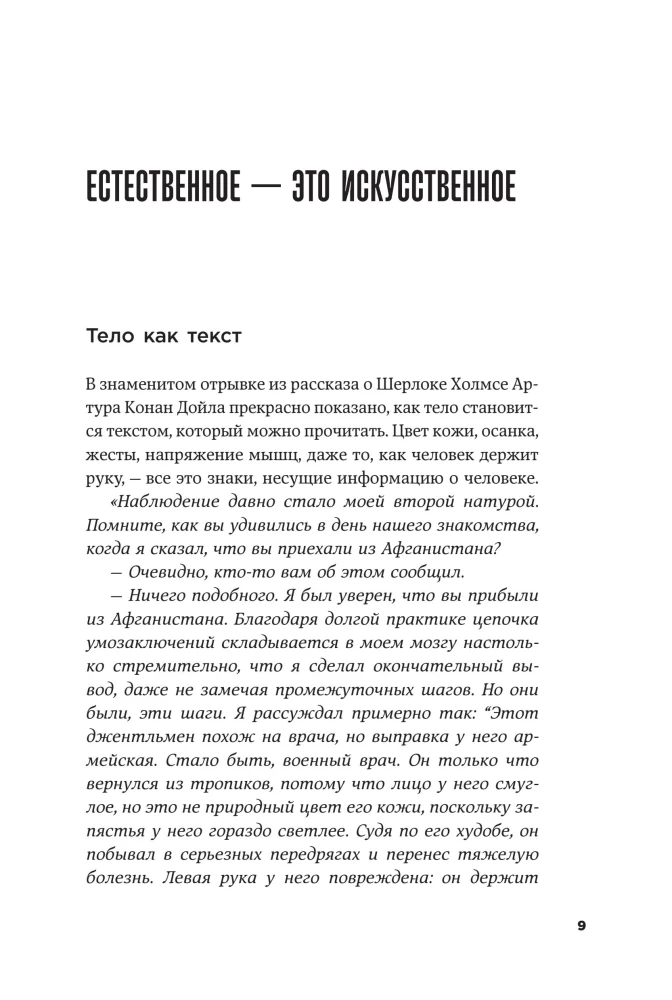
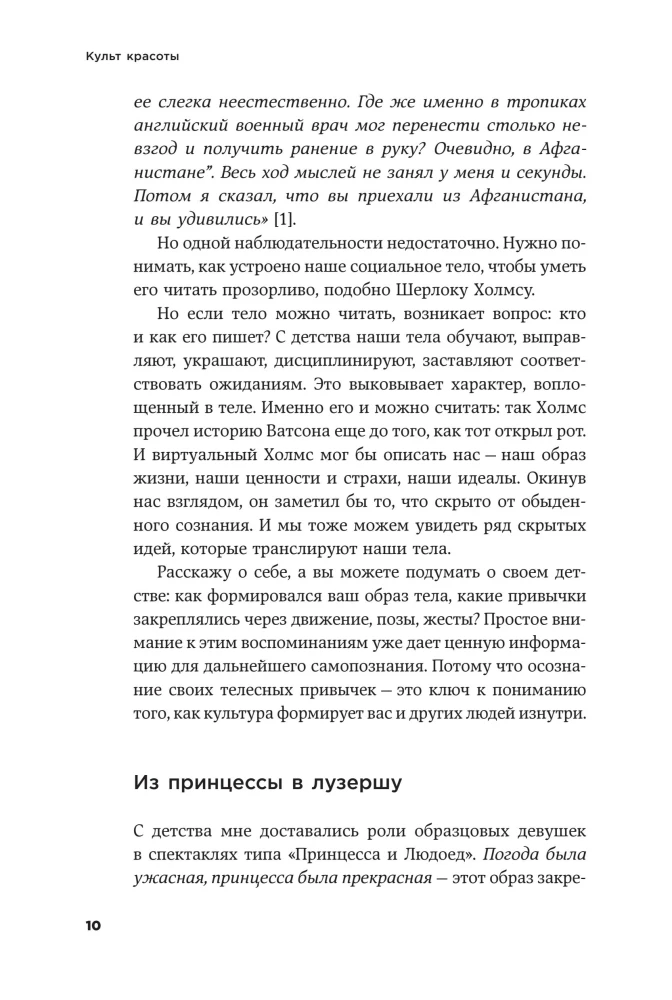
«With such a figure, it's better not to wear that». «Your waist is a problematic area». «She looks good for her age». Women are constantly reminded that there is something wrong with their bodies; it needs to be improved, controlled,...
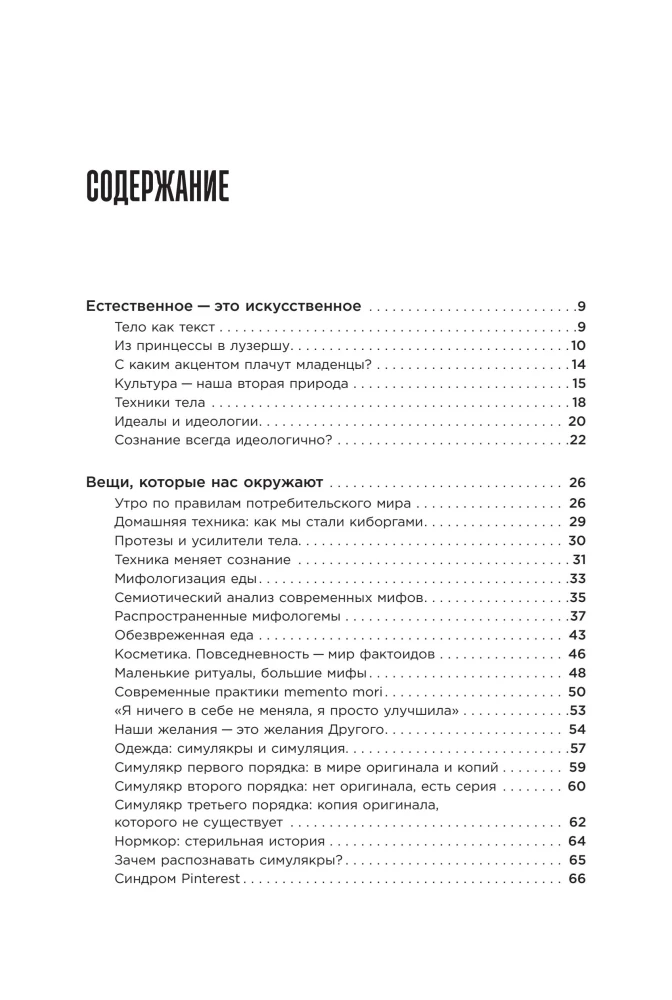
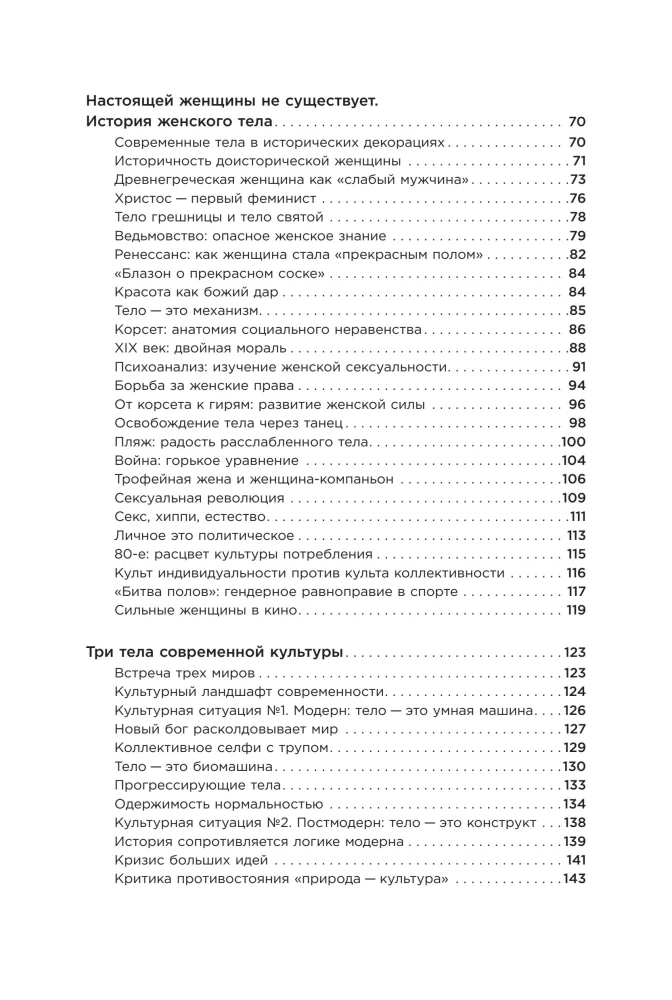
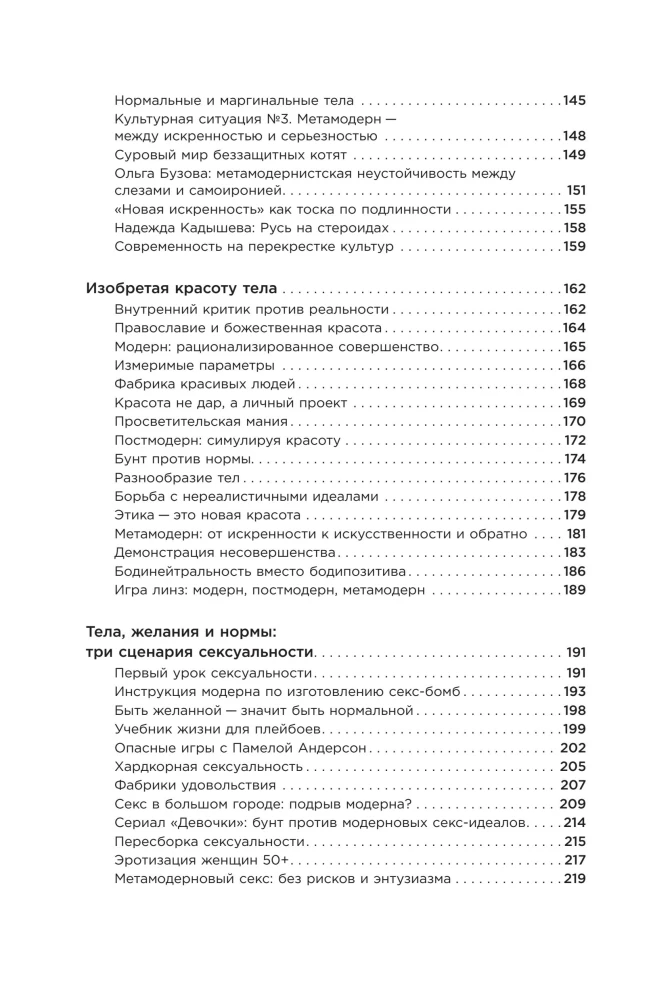
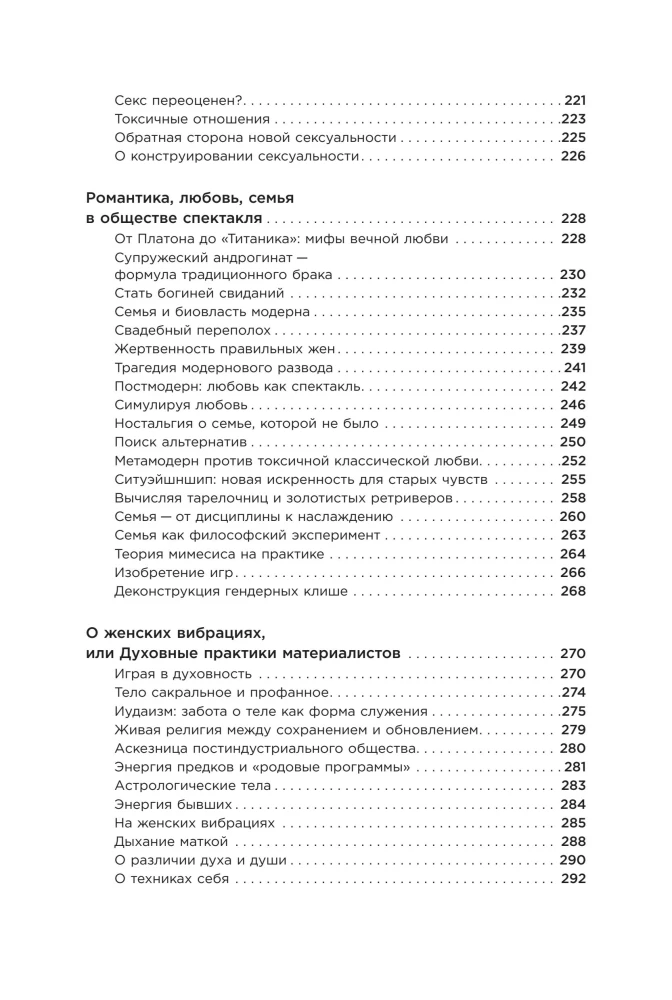
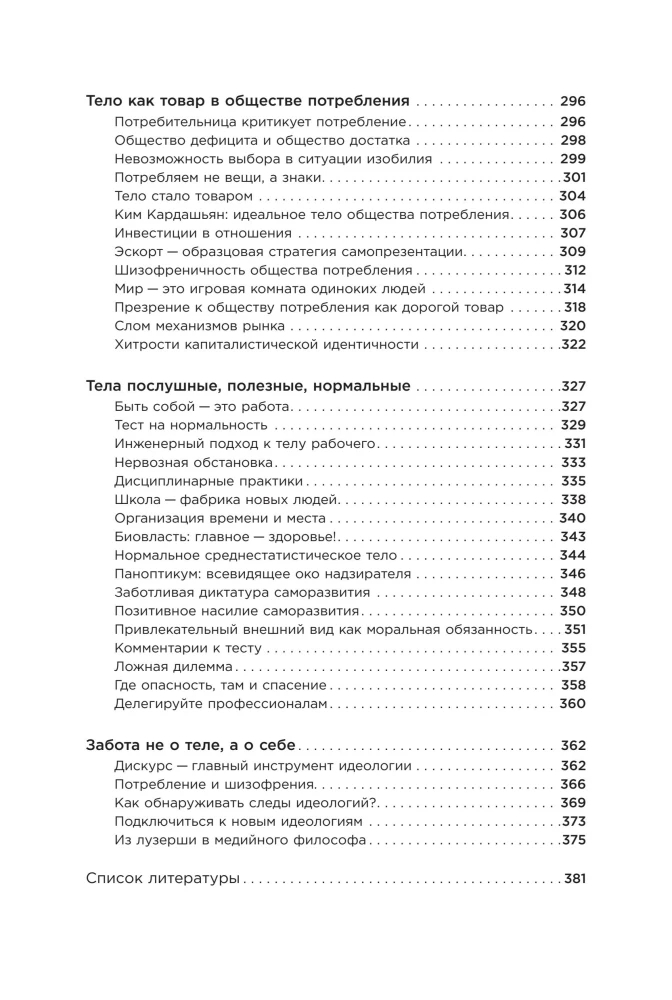
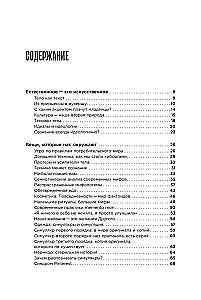
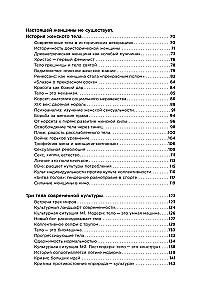
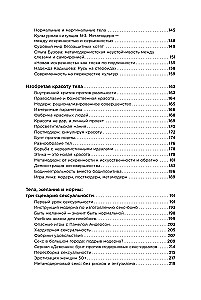
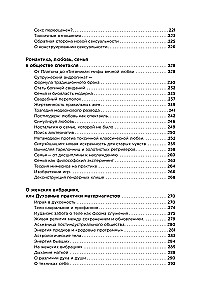
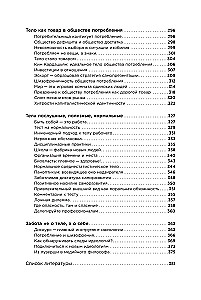
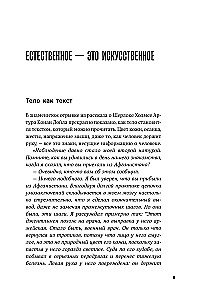
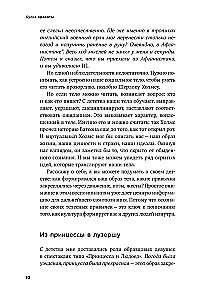
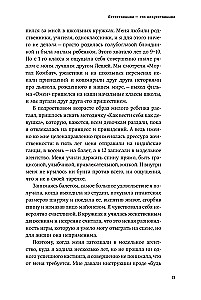
corrected. The ways of walking, sitting, giving birth, even holding a spoon depend on the era, place, and upbringing, but we stubbornly consider our habits natural, and tastes — individual. Philosopher Anastasia Toropova explores how culture, ideology, and economics shape the perception of a normal body: from the ancient Greek woman as «a weak man» and the corset as a tool of social inequality to Kim Kardashian as the ideal body of consumer society. On the pages of her captivating book, David Lynch and Aristotle, Nadezhda Kadysheva and Charli XCX, Olga Buzova and Descartes, the Pinterest syndrome and womb breathing coexist. Analyzing fashion, advertising, spiritual practices, dating, and social media, the author demonstrates how everyday rituals shape our corporeality — and why it is so difficult to distinguish what is ours from what belongs to others in our own body.
Author: Анастасия Торопова
Printhouse: Al'pina Pablisher
Age restrictions: 16+
Year of publication: 2026
ISBN: 9785006307124
Number of pages: 392
Size: 215х146х25 mm
Cover type: hard
Weight: 574 g
ID: 1737083
Available from suppliers
Estimated delivery time – up to 3 weeks
€ 11.89
Available from suppliers
Estimated delivery time – up to 3 weeks
€ 11.89
Bestsellers








€ 7.89
In stock
Choice. On the Freedom and Inner Strength of a Person
Эдит Ева Эгер, Эсме Швалль-Вейганд




€ 6.99
In stock