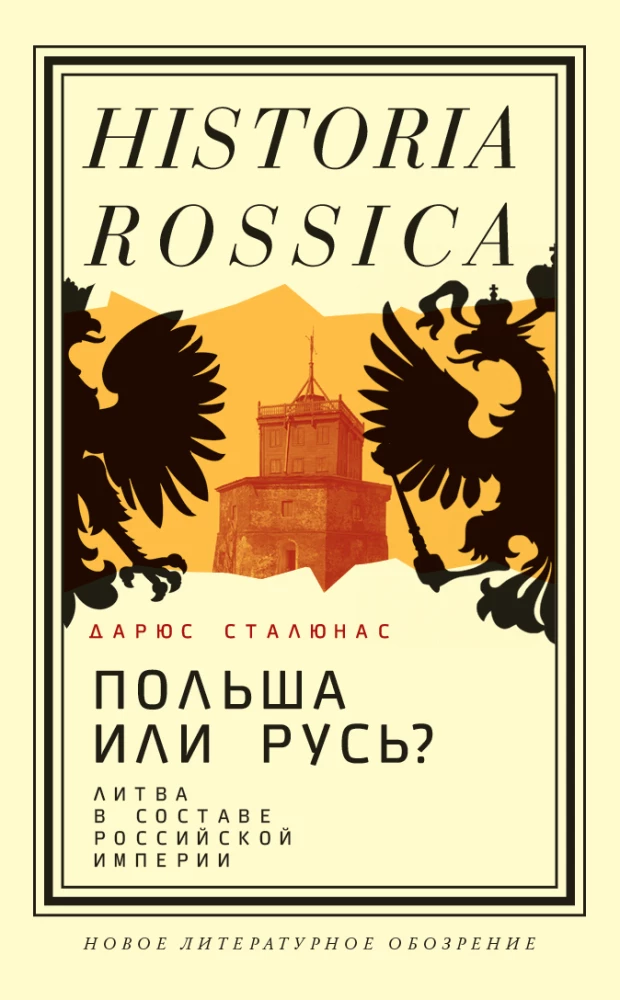
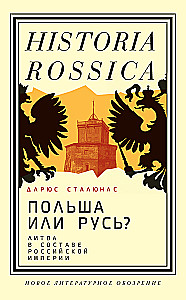
Poland or Rus? Lithuania in the Russian Empire
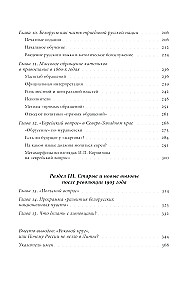
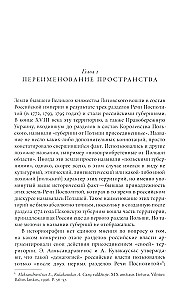
The history of Russia's formation as an empire and the dominance of nationalist discourse within it is clearly reflected in the policies the country pursued regarding its "outskirts." Among them are the lands of the Grand Duchy of Lithuania, referred...
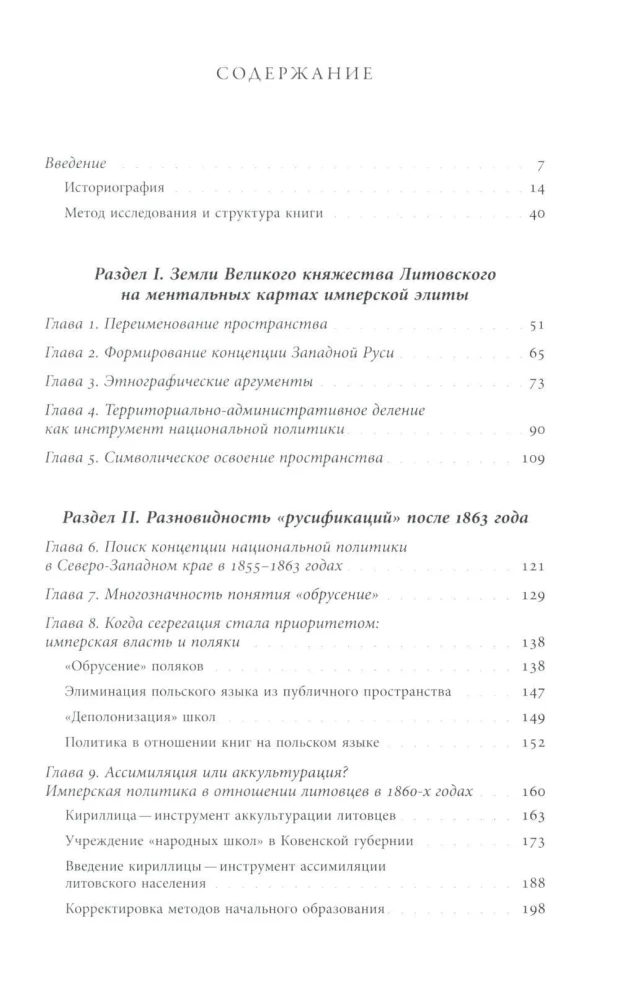
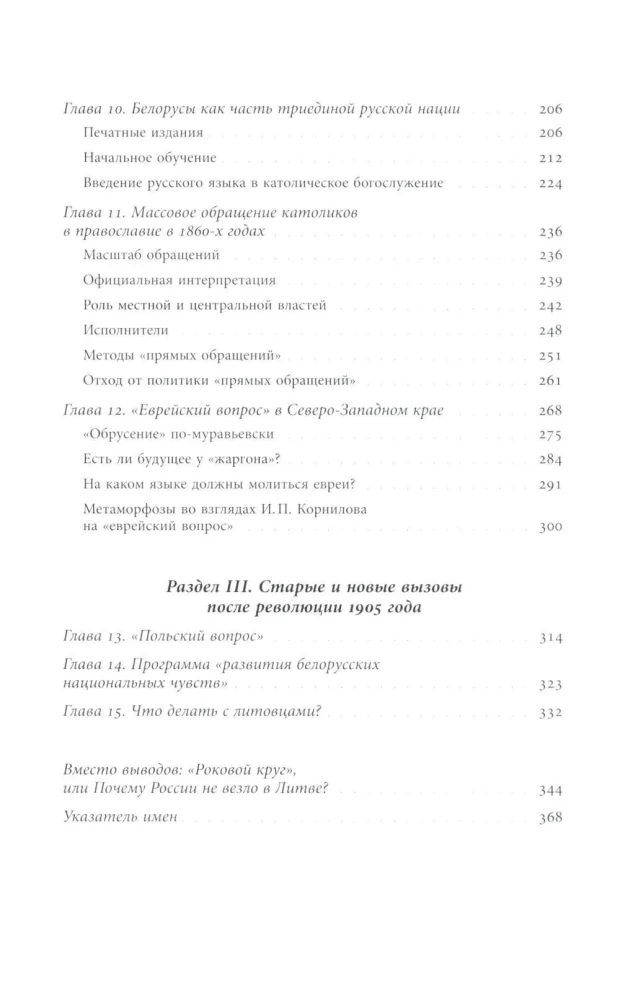
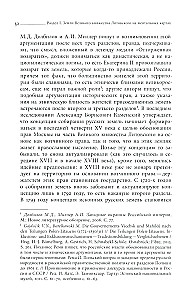
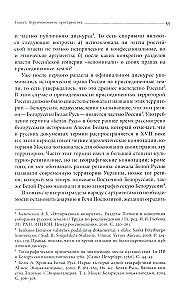
to in the official nomenclature of the 19th century as the Northwest Territory. The state ideology that created an image of these territories as inherently Russian trapped itself in a "discursive trap": the ethnocultural reality of the region was different. Darius Staliunas's book analyzes the national policy towards each of the most numerous ethnic groups in this region — Belarusians, Lithuanians, Jews, and Poles. His research shows that in Lithuania, most measures aimed at "Russification," "correction," "merging," or "closeness" of the non-Russian population were either ineffective or led to completely different outcomes than those hoped for by the authorities. The reasons for these failures were primarily related to the prevailing ideological stereotypes that hindered the perception of the complex configuration of social reality.
Darius Staliunas is a leading researcher at the Lithuanian History Institute
Darius Staliunas is a leading researcher at the Lithuanian History Institute
Author: Дарюс Сталюнас
Printhouse: Novoe literaturnoe obozrenie
Age restrictions: 16+
Year of publication: 2024
ISBN: 9785444822586
Number of pages: 376
Size: 220х145х20 mm
Cover type: hard
Weight: 470 g
ID: 1734383
Sold out
€ 14.99
Sold out
€ 14.99
Bestsellers
€ 13.29
In stock
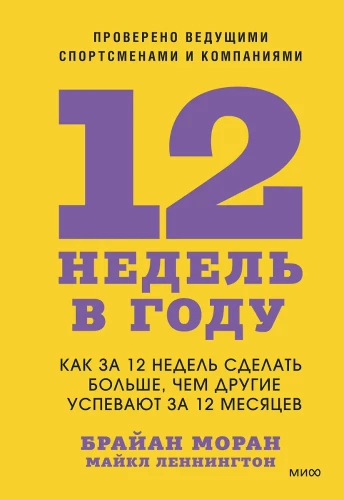
12 Weeks in a Year. How to Achieve More in 12 Weeks Than Others Do in 12 Months
Майкл Леннингтон, Брайан Моран
€ 7.89
In stock
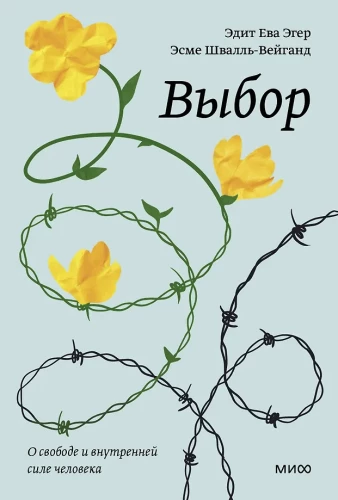
Choice. On the Freedom and Inner Strength of a Person
Эдит Ева Эгер, Эсме Швалль-Вейганд
€ 6.99
In stock
€ 6.99
In stock
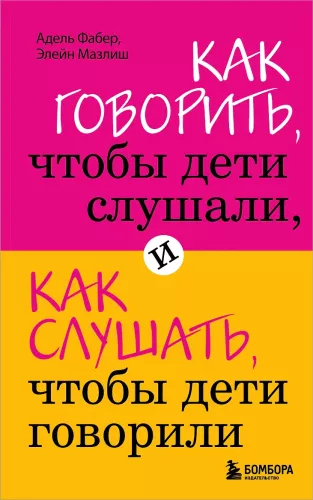
How to Talk So Kids Will Listen, and How to Listen So Kids Will Talk
Элейн Мазлиш, Адель Фабер