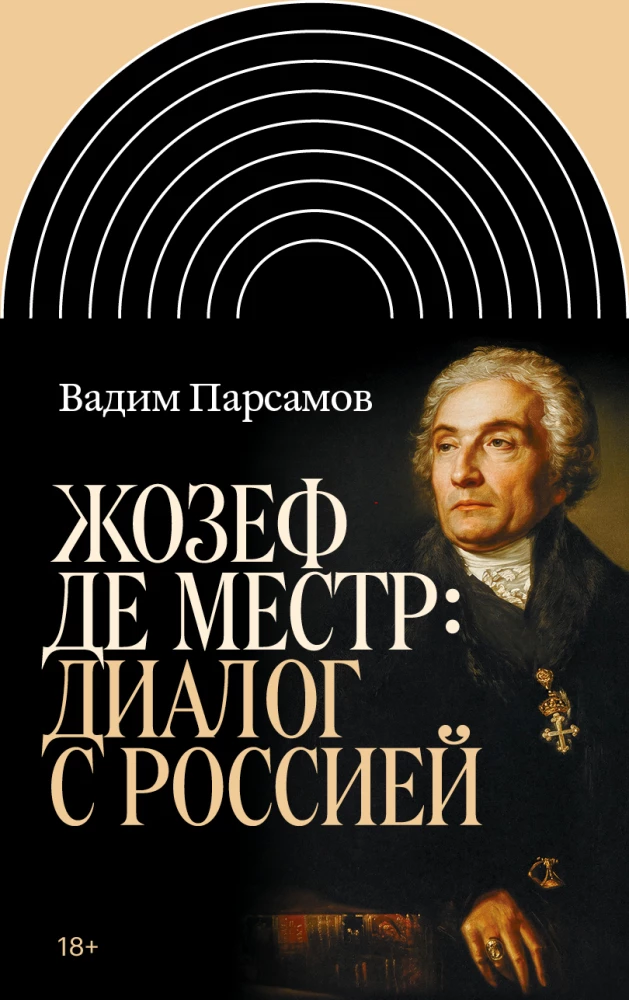
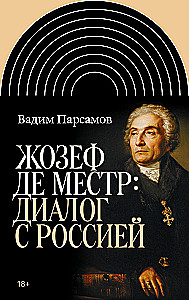
Joseph de Maistre: Dialogue with Russia
Joseph de Maistre, philosopher and politician, envoy of the King of Sardinia at the Russian court (1803–1817), left a significant mark on the intellectual life of Russia. In the monograph by Professor V.S. Parsamov from the National Research University "Higher...
School of Economics" (HSE), the Russian relations of Maistre are explored as an ideological dialogue that stretched throughout the 19th century and continued into the 20th century.
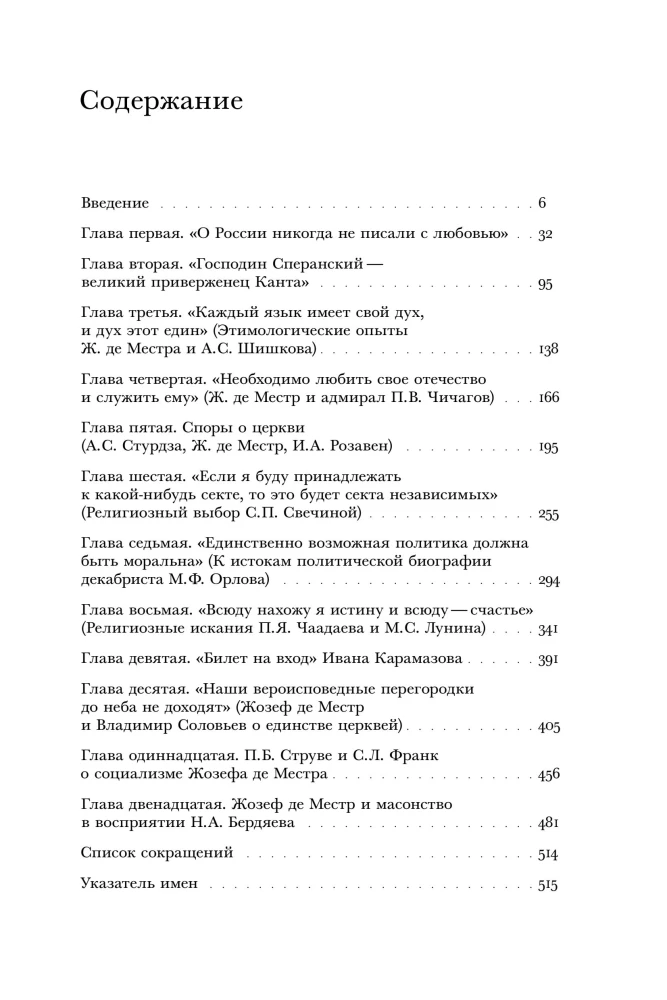
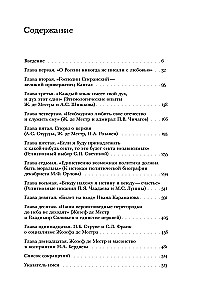
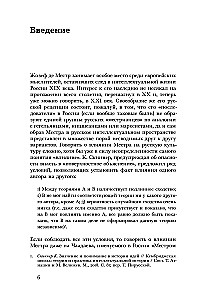
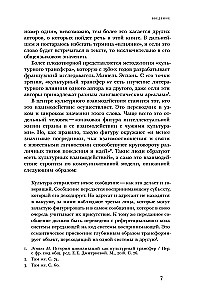
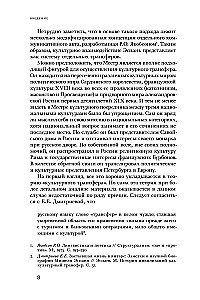
The focus is on two issues: Maistre's perception of contemporary Russian politics and its history, as well as the reception of Maistre's ideas by Russian thinkers from his contemporaries to the philosophers of the Silver Age. The author examines the ideological and personal contacts of Maistre with Alexander I and his circle: A.S. Shishkov, P.V. Chichagov, A.S. Sturdza, S.P. Svechin, P.Ya. Chaadaev, the Decembrists, and others. The dialogue with Maistre was continued by new generations of Russian thinkers. His ideological legacy was complexly transformed into the ideologies of Slavophile thought, and his ideas resonated with Tyutchev, Tolstoy, and Dostoevsky.
In the late 19th – 20th centuries, Maistre attracted the attention of Vladimir Solovyov, Peter Struve, Semyon Frank, and Nikolai Berdyaev.
The focus is on two issues: Maistre's perception of contemporary Russian politics and its history, as well as the reception of Maistre's ideas by Russian thinkers from his contemporaries to the philosophers of the Silver Age. The author examines the ideological and personal contacts of Maistre with Alexander I and his circle: A.S. Shishkov, P.V. Chichagov, A.S. Sturdza, S.P. Svechin, P.Ya. Chaadaev, the Decembrists, and others. The dialogue with Maistre was continued by new generations of Russian thinkers. His ideological legacy was complexly transformed into the ideologies of Slavophile thought, and his ideas resonated with Tyutchev, Tolstoy, and Dostoevsky.
In the late 19th – 20th centuries, Maistre attracted the attention of Vladimir Solovyov, Peter Struve, Semyon Frank, and Nikolai Berdyaev.
Author: Вадим Парсамов
Printhouse: Novoe literaturnoe obozrenie
Series: Intellectual History
Age restrictions: 18+
Year of publication: 2025
ISBN: 9785444827352
Number of pages: 528
Size: 220х150х25 mm
Cover type: hard
Weight: 615 g
ID: 1734360
Sold out
€ 22.69
Sold out
€ 22.69
Bestsellers
€ 13.29
In stock
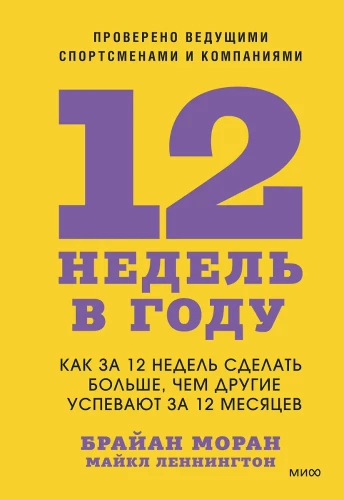
12 Weeks in a Year. How to Achieve More in 12 Weeks Than Others Do in 12 Months
Майкл Леннингтон, Брайан Моран
€ 7.89
In stock
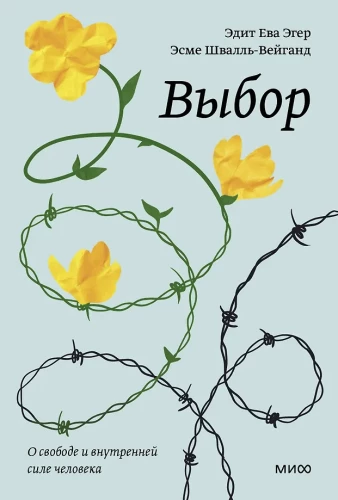
Choice. On the Freedom and Inner Strength of a Person
Эдит Ева Эгер, Эсме Швалль-Вейганд
€ 6.99
In stock
€ 6.99
In stock
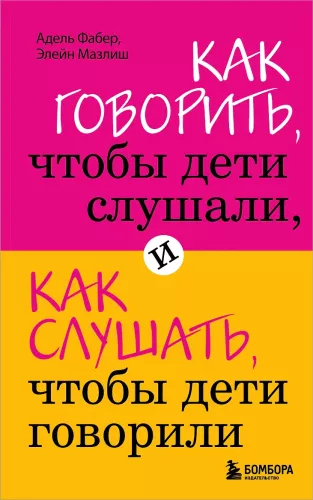
How to Talk So Kids Will Listen, and How to Listen So Kids Will Talk
Элейн Мазлиш, Адель Фабер