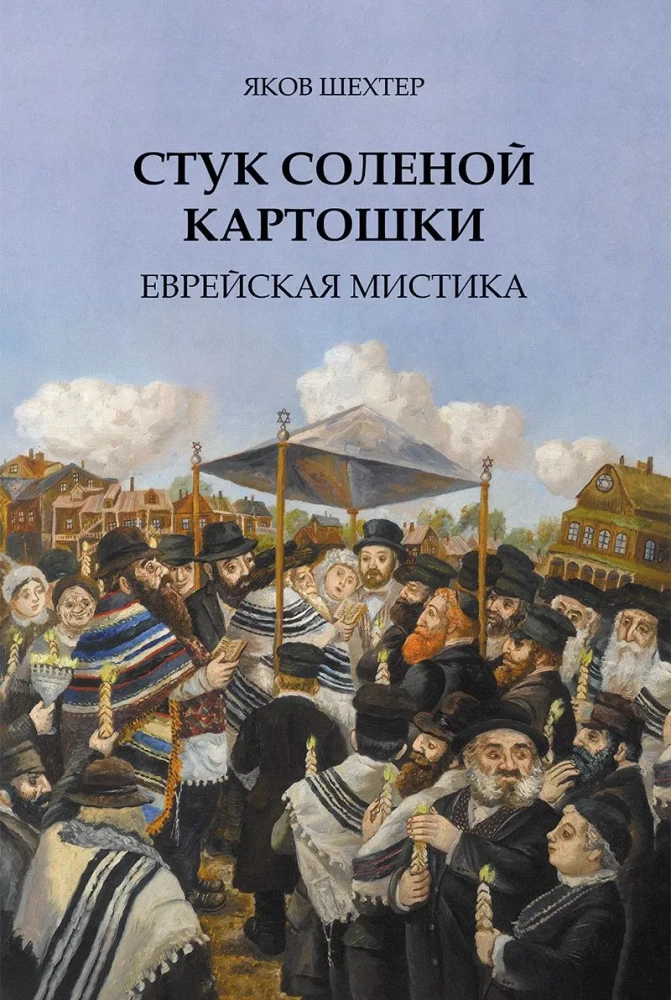

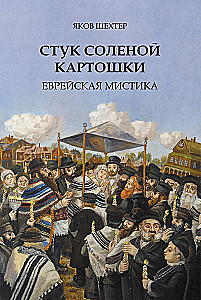
The Knock of Salted Potatoes
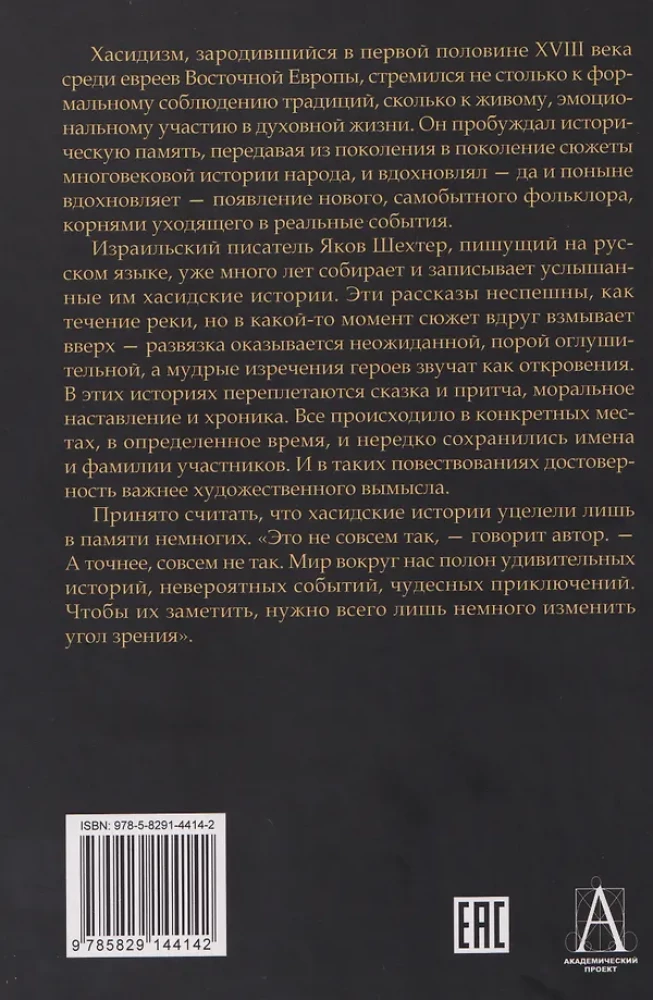
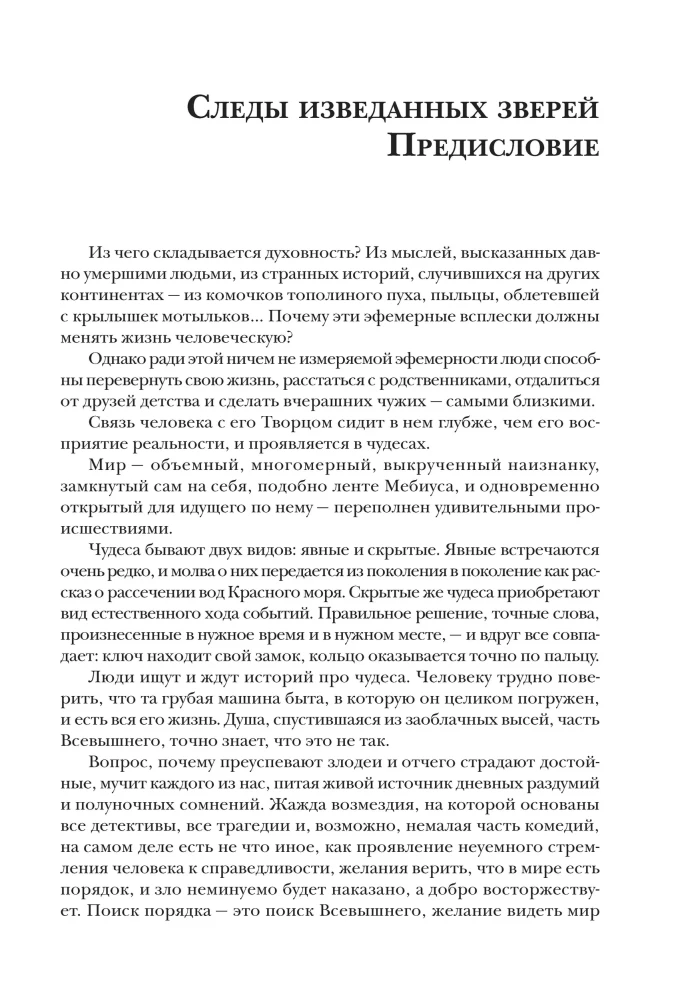
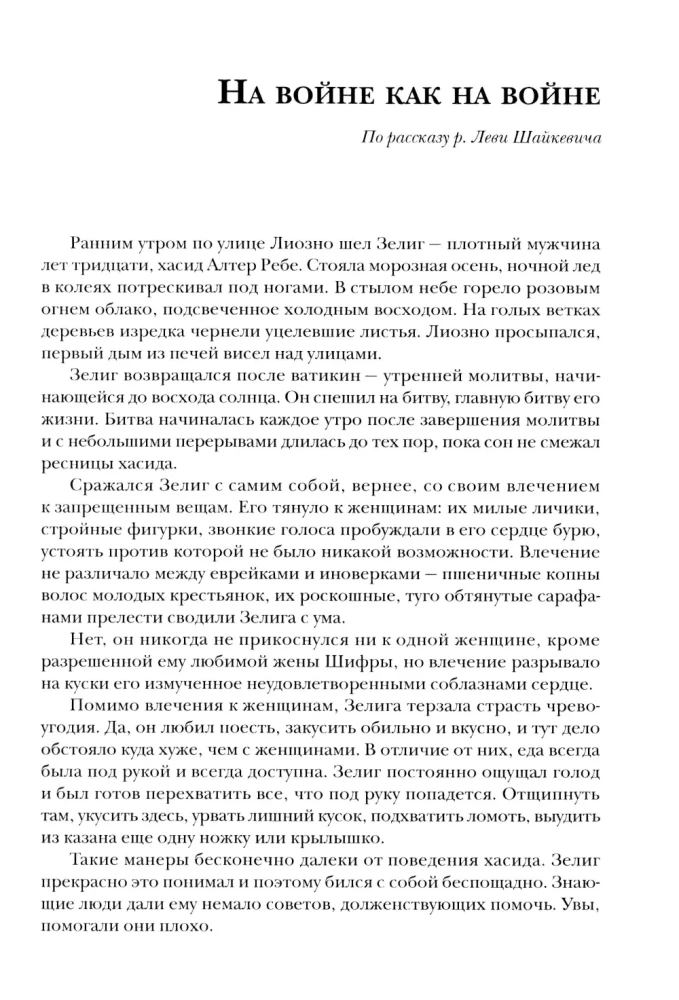
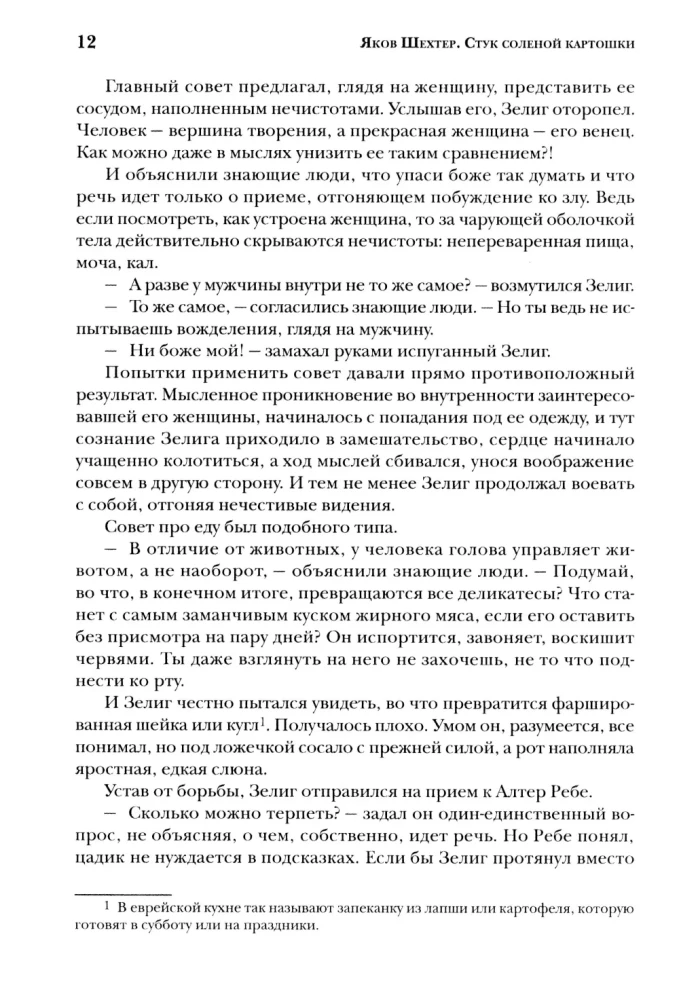
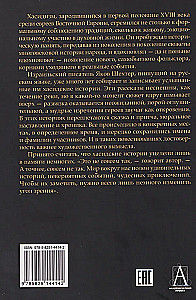
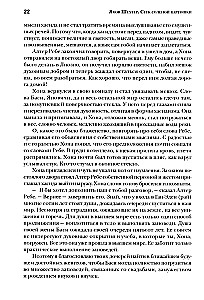
Hasidism, which originated in the first half of the 18th century among the Jews of Eastern Europe, sought not so much formal adherence to traditions as a vivid, emotional participation in spiritual life. It awakened historical memory, passing down through...
generations the narratives of the centuries-old history of the people, and inspired — and still inspires — the emergence of new, original folklore rooted in real events.
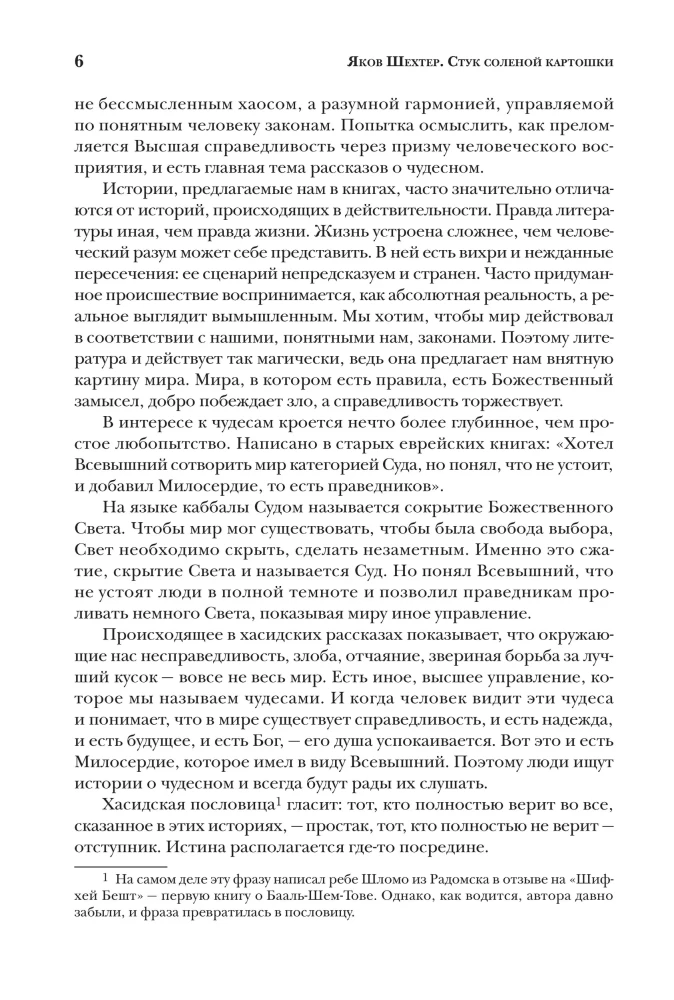
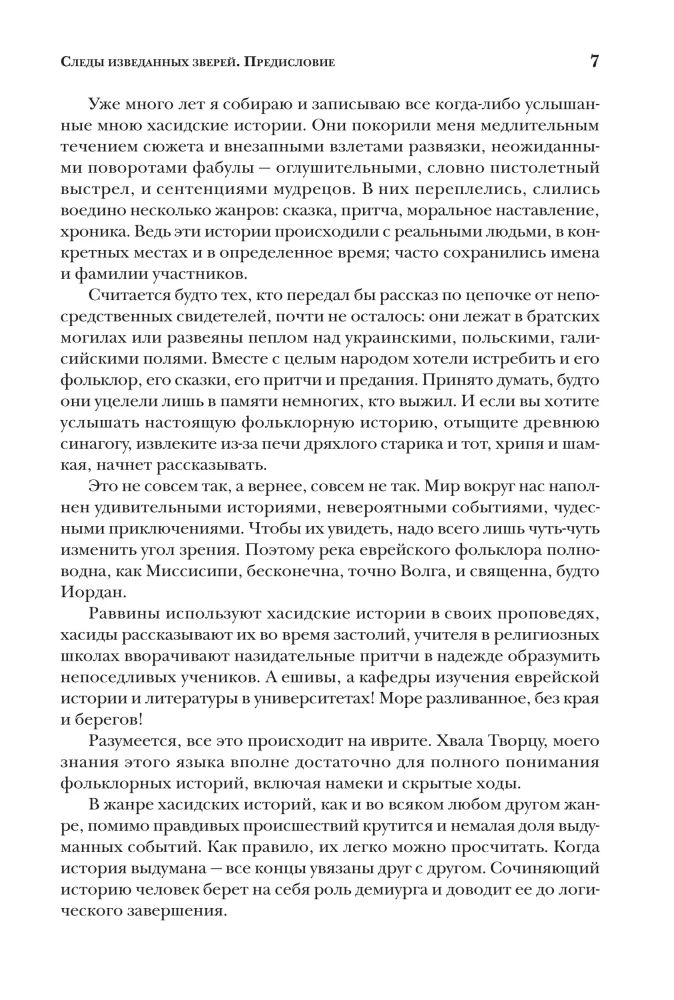
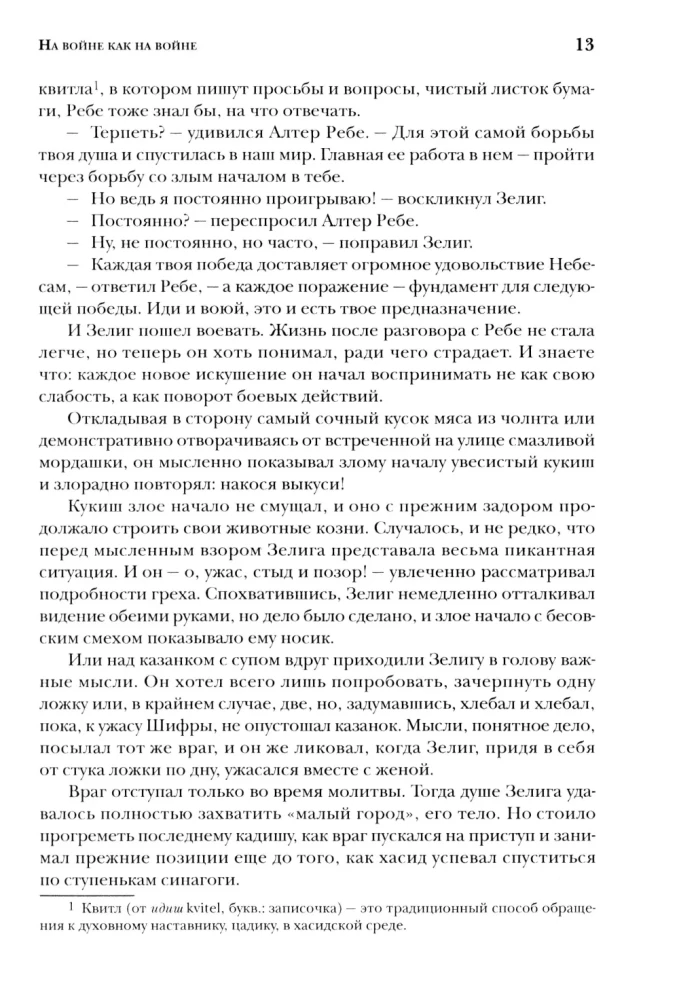
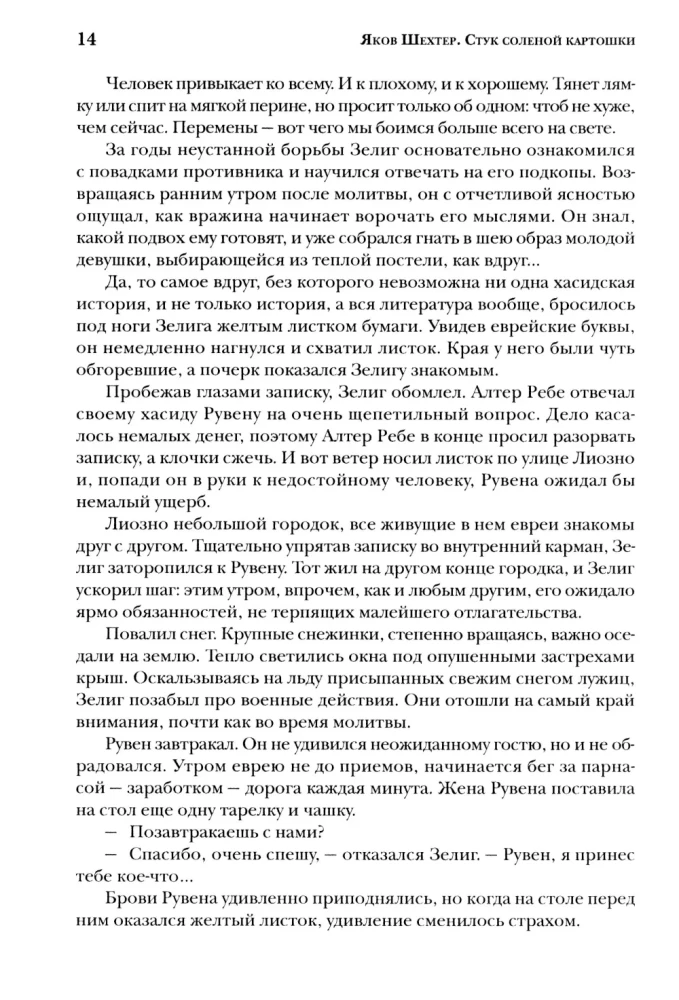
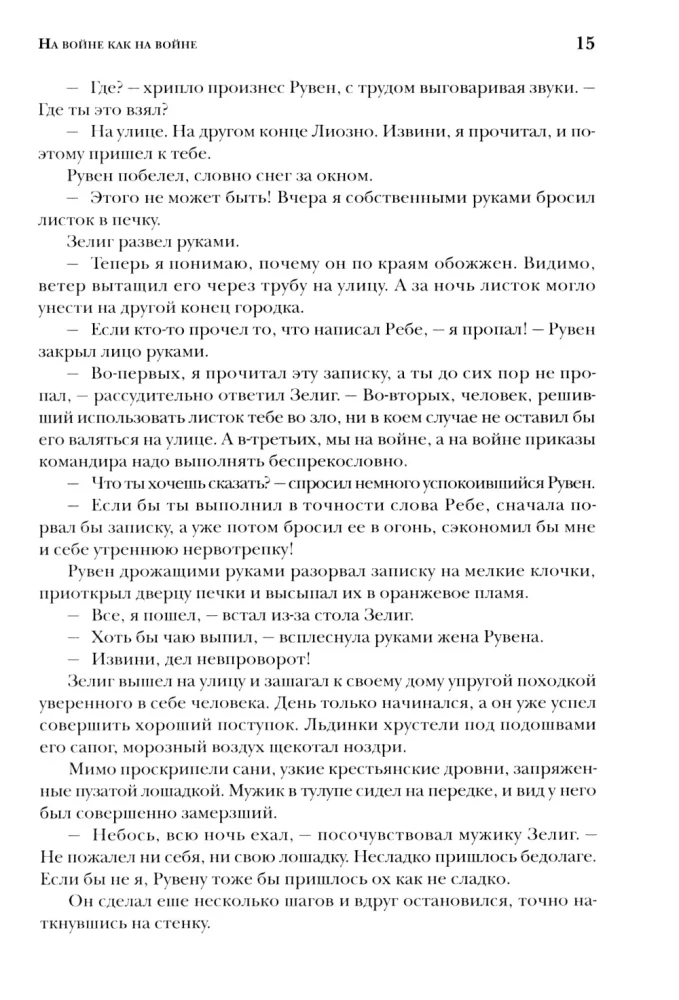
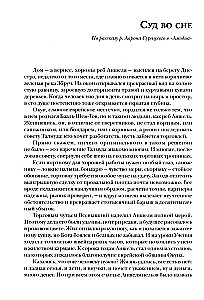
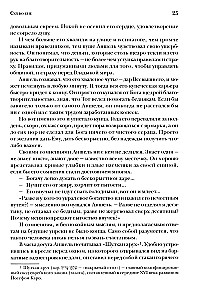
Israeli writer Yakov Shekhter, who writes in Russian, has been collecting and recording Hasidic stories he has heard for many years. These tales are unhurried, like the flow of a river, but at some moment the plot suddenly soars upward — the resolution proves unexpected, sometimes stunning, and the wise sayings of the characters sound like revelations. In these stories, fairy tale and parable, moral instruction and chronicle intertwine. Everything happened in specific places, at a certain time, and often the names and surnames of the participants have been preserved. In such narratives, authenticity is more important than artistic imagination.
It is commonly believed that Hasidic stories have survived only in the memory of a few. “This is not entirely true,” says the author. “To be more precise, it is not true at all. The world around us is full of amazing stories, incredible events, wonderful adventures. To notice them, one merely needs to change their perspective a little.”
The publication is addressed to ethnographers, literary scholars, religious scholars, historians, and a circle of interested readers.
Israeli writer Yakov Shekhter, who writes in Russian, has been collecting and recording Hasidic stories he has heard for many years. These tales are unhurried, like the flow of a river, but at some moment the plot suddenly soars upward — the resolution proves unexpected, sometimes stunning, and the wise sayings of the characters sound like revelations. In these stories, fairy tale and parable, moral instruction and chronicle intertwine. Everything happened in specific places, at a certain time, and often the names and surnames of the participants have been preserved. In such narratives, authenticity is more important than artistic imagination.
It is commonly believed that Hasidic stories have survived only in the memory of a few. “This is not entirely true,” says the author. “To be more precise, it is not true at all. The world around us is full of amazing stories, incredible events, wonderful adventures. To notice them, one merely needs to change their perspective a little.”
The publication is addressed to ethnographers, literary scholars, religious scholars, historians, and a circle of interested readers.
Author: Яков Шехтер
Printhouse: Akademicheskii proekt
Age restrictions: 16+
Year of publication: 2025
ISBN: 9785829144142
Number of pages: 262
Size: 215х150х12 mm
Cover type: hard
Weight: 382 g
ID: 1733444
Sold out
€ 21.29
Sold out
€ 21.29
Bestsellers




Bestseller
€ 12.19
In stock
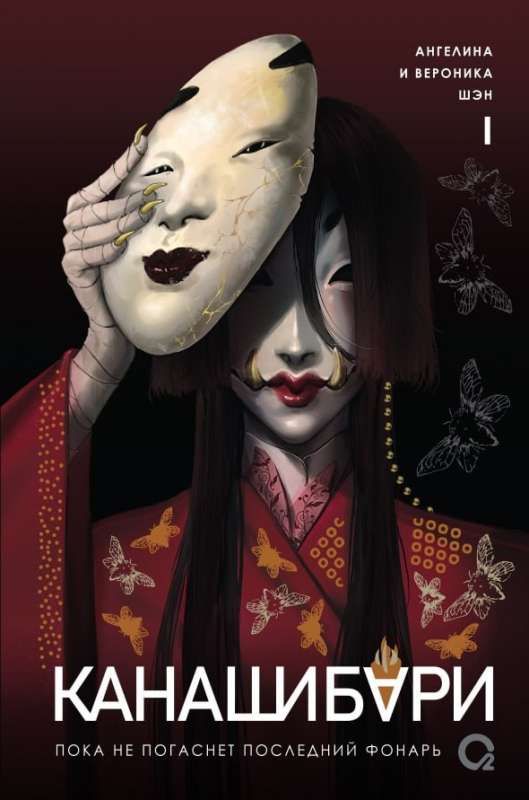
Kanashibari. Until the Last Lantern Goes Out. Volume 1
Ангелина Шэн, Вероника Шэн