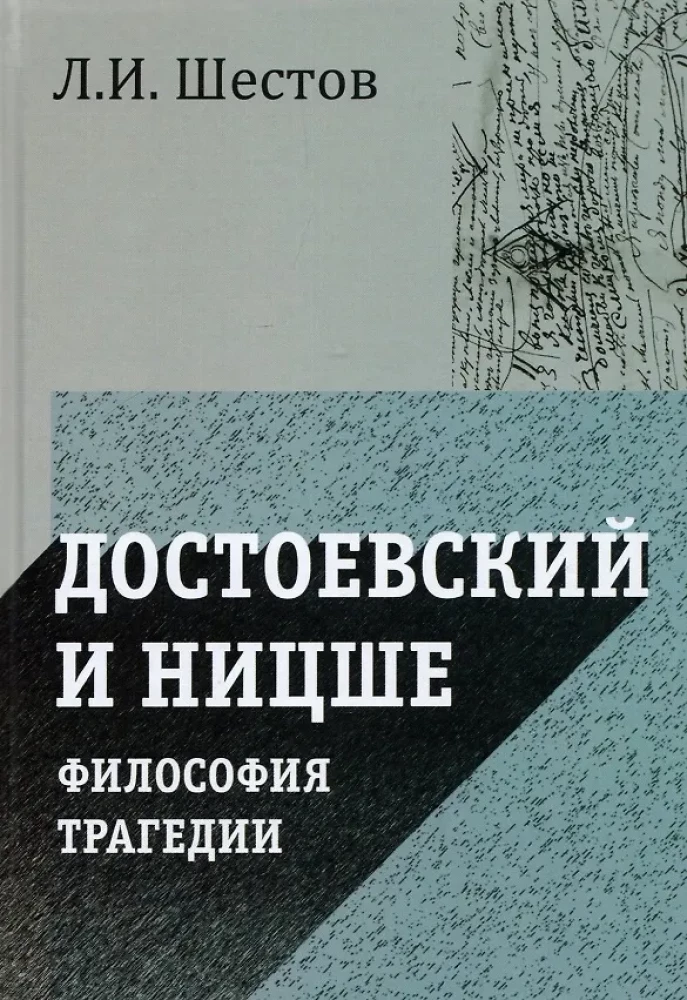

Dostoevsky and Nietzsche. The Philosophy of Tragedy
Author: Лев Шестов
Printhouse: Akademicheskii proekt
Series: Philosophical Technologies: Russian Philosophy
Age restrictions: 16+
Year of publication: 2020
ISBN: 9785902767961
Number of pages: 462
Size: 217х149х24 mm
Cover type: hard
Weight: 580 g
ID: 1733443
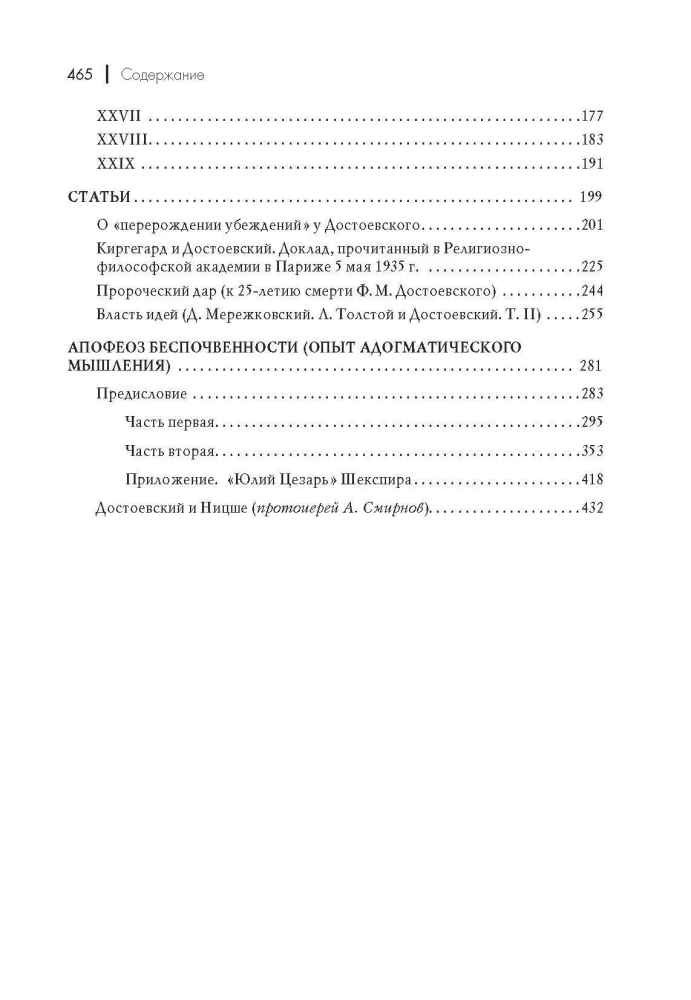
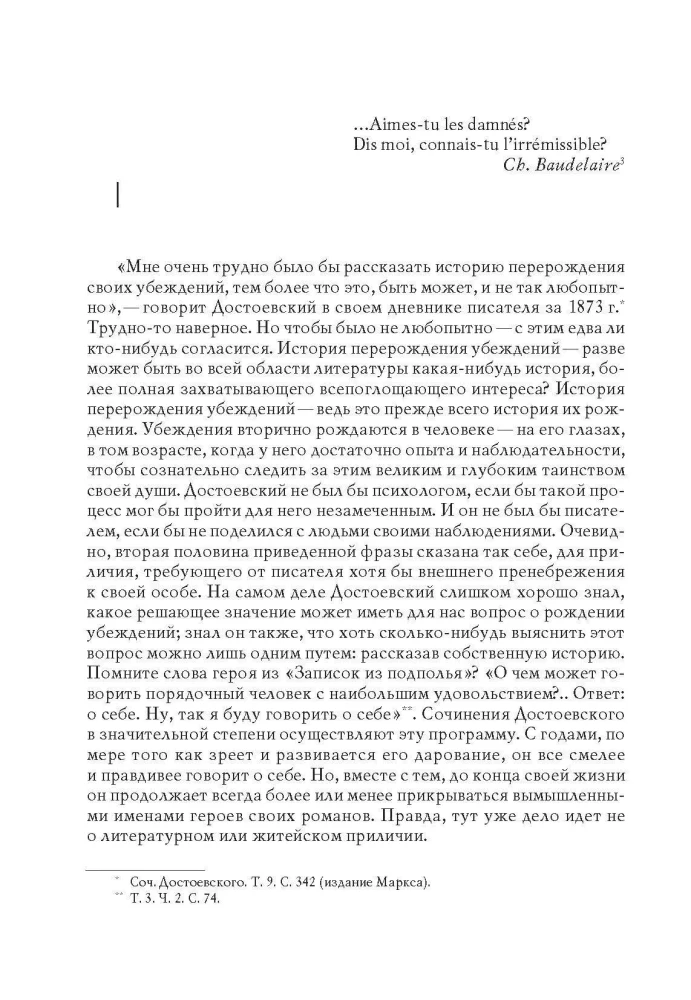
In the book "Dostoevsky and Nietzsche. The Philosophy of Tragedy," L.I. Shestov presents an original concept of "philosophical tragedy," which clearly reflects the ideas of the emerging existential philosophy and European medieval mysticism of that era. The Russian religious philosopher and thinker opposes philosophical, theoretical knowledge to divine revelation, the nature of which is irrational and mysterious, while speaking out against the dictate of reason as a collection of universally known banal truths that suppress the individual personal essence in humans. This philosophical issue is examined by L.I. Shestov through a comparative analysis of the works of the great Russian writer Fyodor Mikhailovich Dostoevsky and the great German philosopher, representative of non-classical philosophy and irrationalism Friedrich Nietzsche. The conclusions and observations made by L.I. Shestov are very interesting and contribute to the formation of a new perspective on the works of F.M. Dostoevsky, helping to reveal the deep spiritual and psychological motives in his literary works.
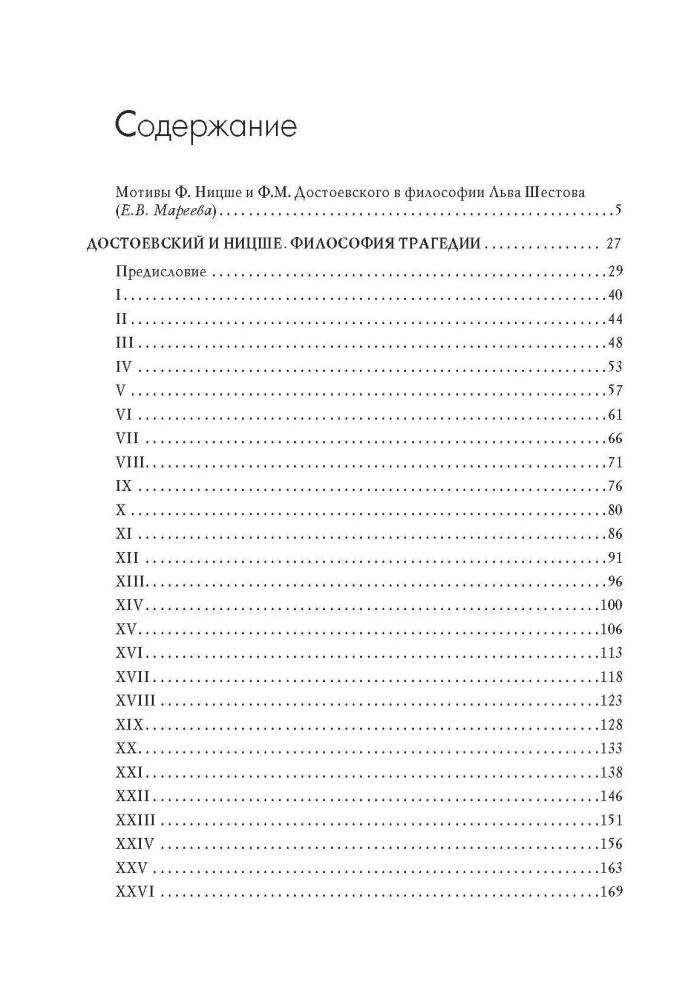
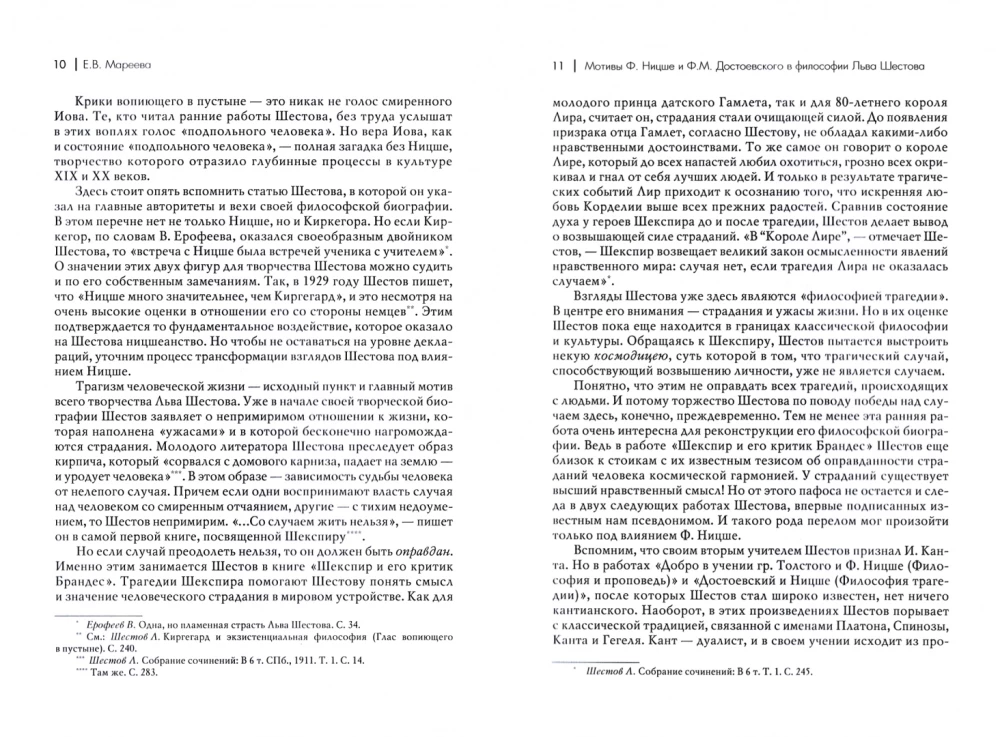
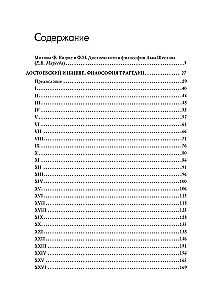
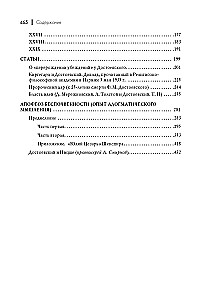
In addition, the edition includes a selection of articles by L.I. Shestov on the works of F.M. Dostoevsky, as well as the philosopher's main work "The Apophysis of Rootlessness." The edition is accompanied by a classic article by the protodeacon A. Smirnov "Dostoevsky and Nietzsche" and an article by the contemporary researcher of L.I. Shestov's work, Doctor of Philosophy E.V. Mareeva "The Motifs of F. Nietzsche and F.M. Dostoevsky in the Philosophy of Lev Shestov."
For students of philosophy, philology, cultural studies, and anyone interested in issues of Russian culture.
Bestsellers