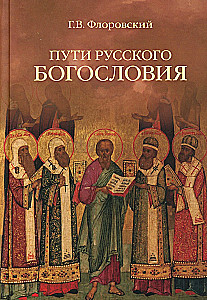
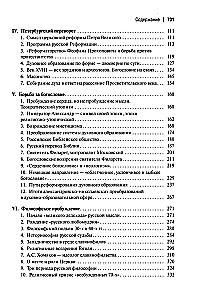
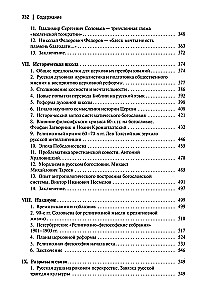
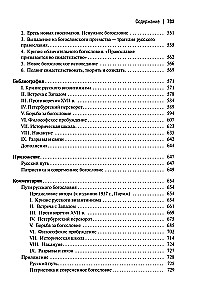
Paths of Russian Theology
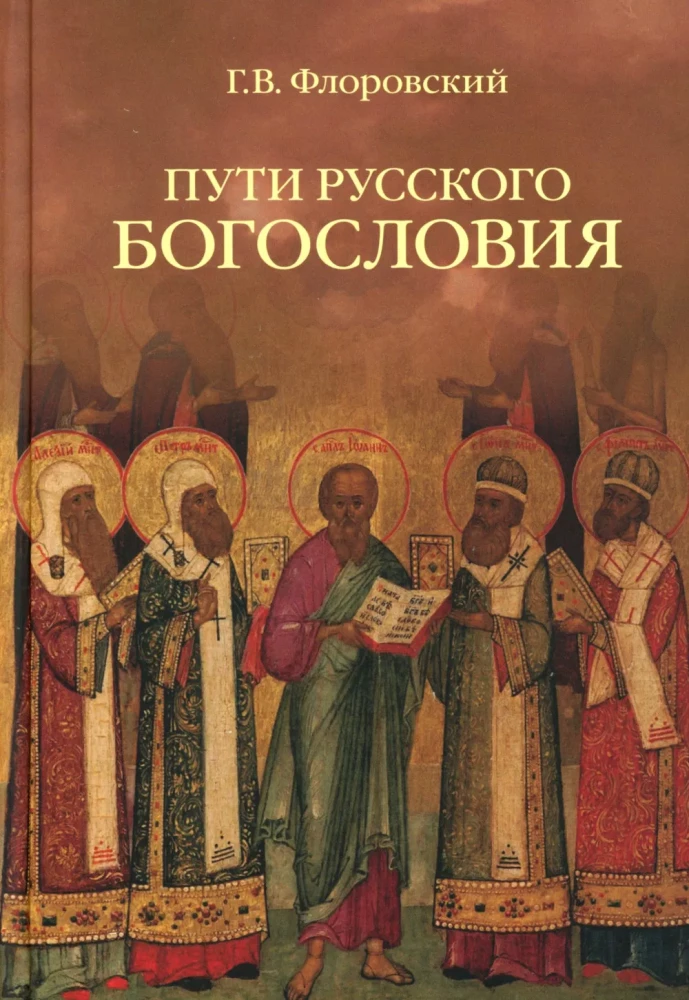
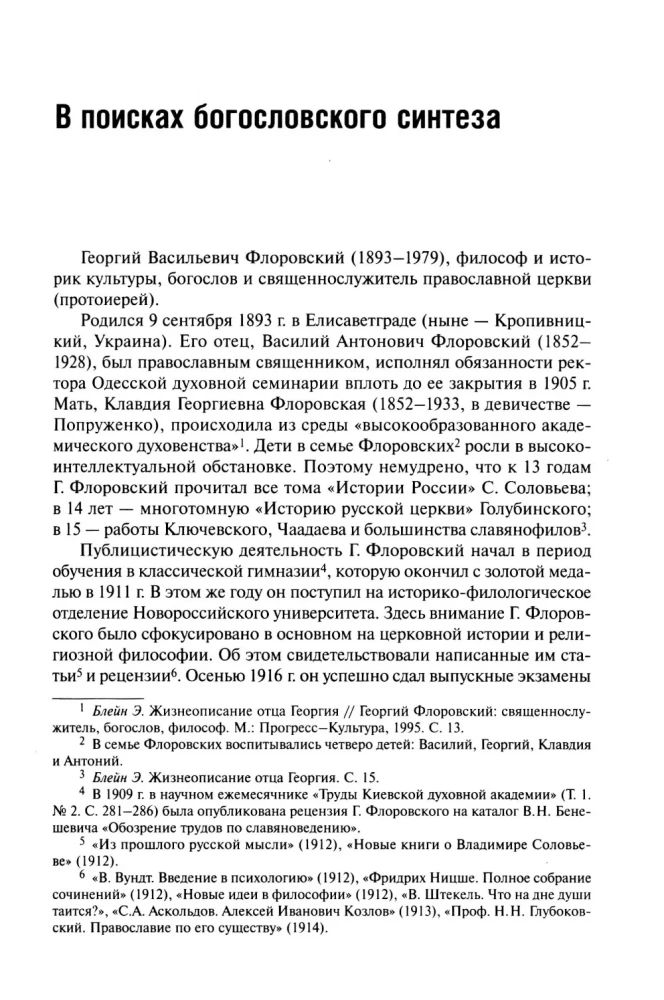
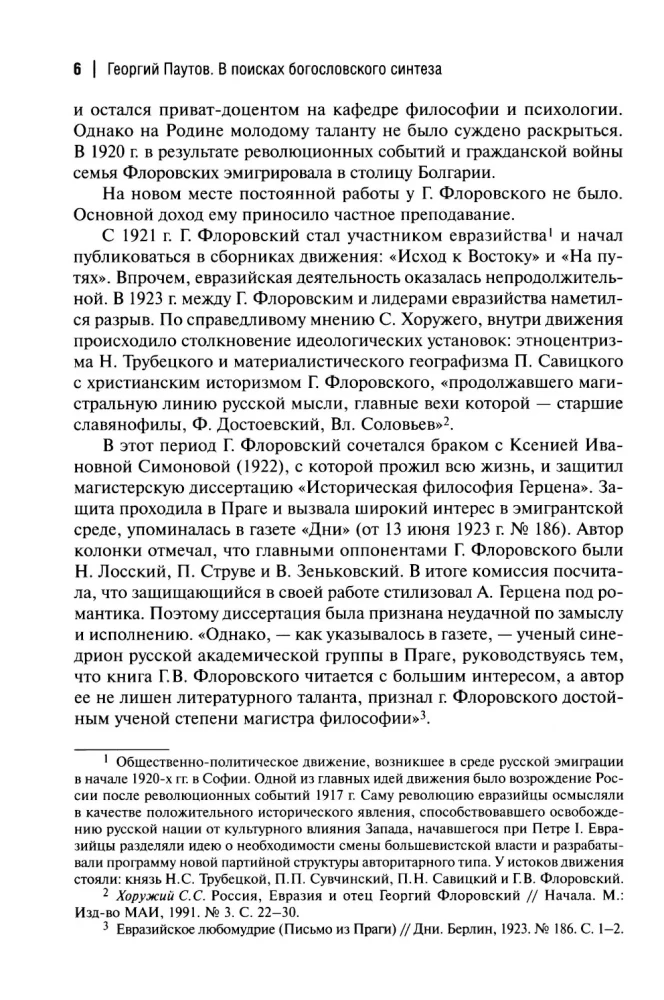
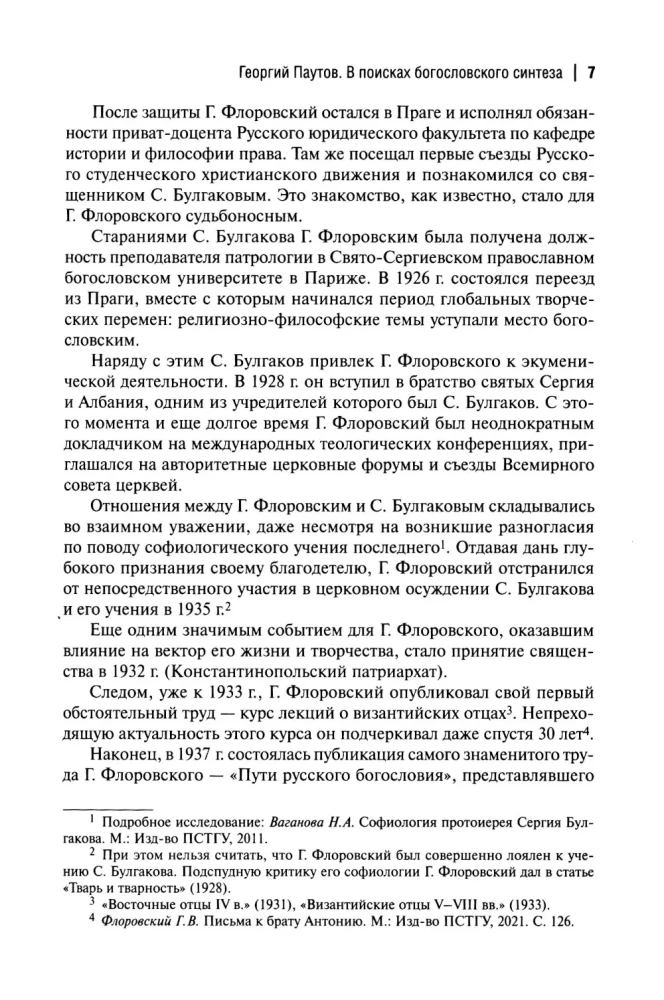
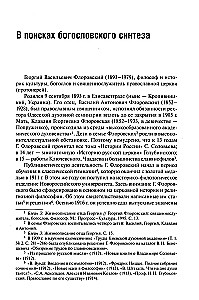
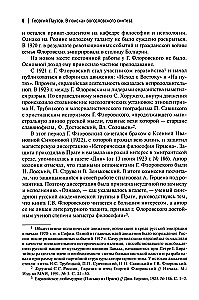
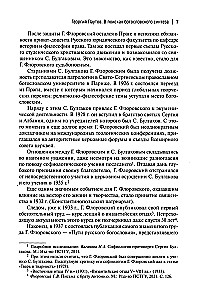
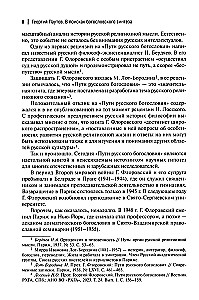
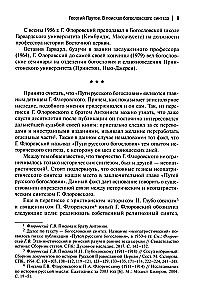
The book "Paths of Russian Theology" by Georgy Vasilyevich Florovsky (1893–1979), an Orthodox clergyman, protopresbyter; a religious thinker, theologian, philosopher, and historian, was written in the pre-war years in Paris and became the culmination of a series of studies, the...
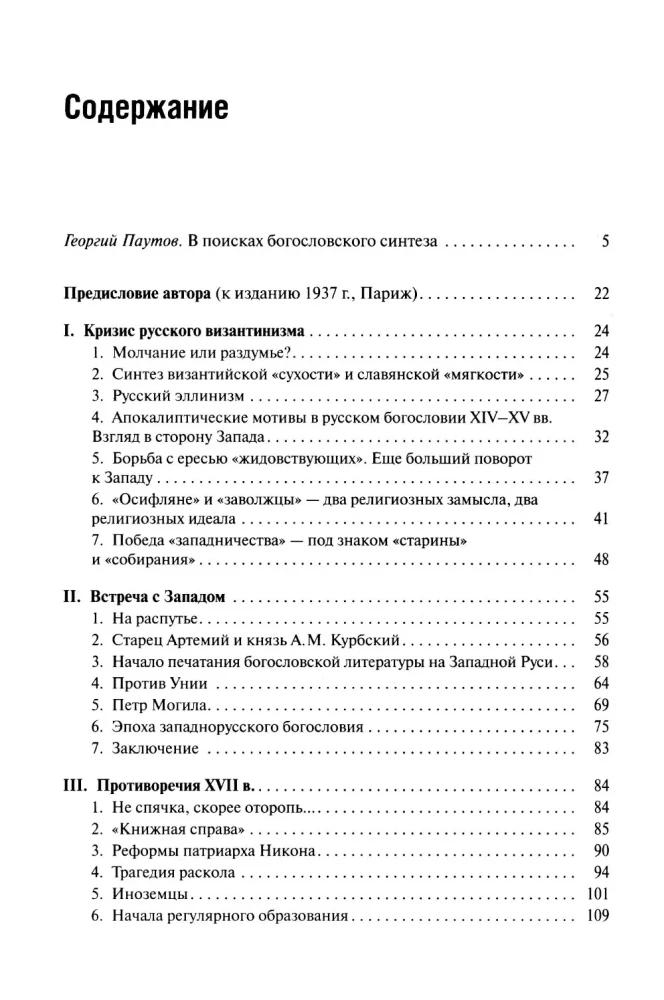
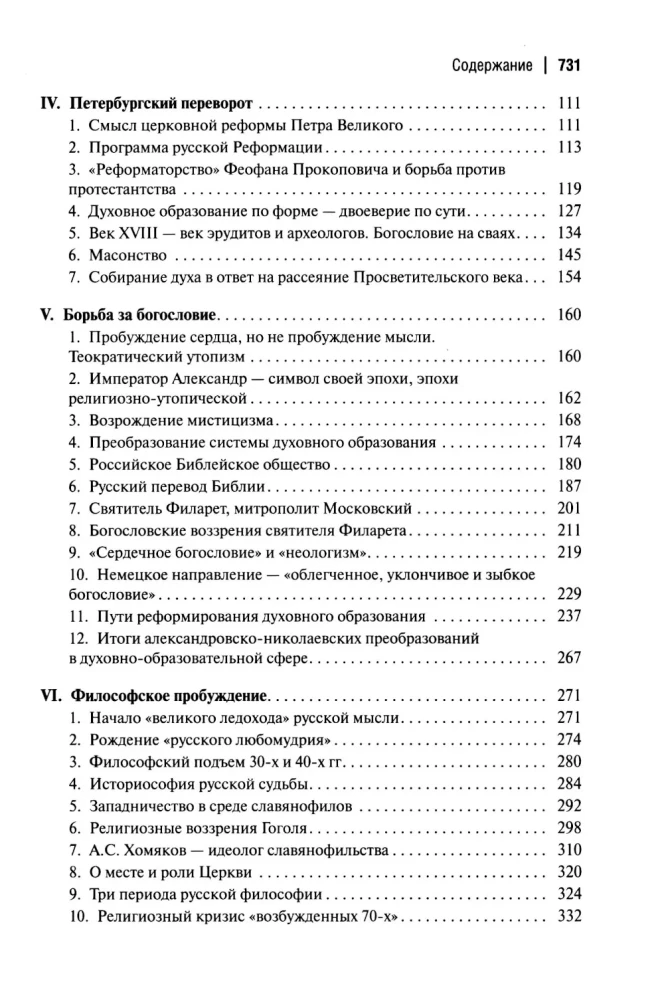
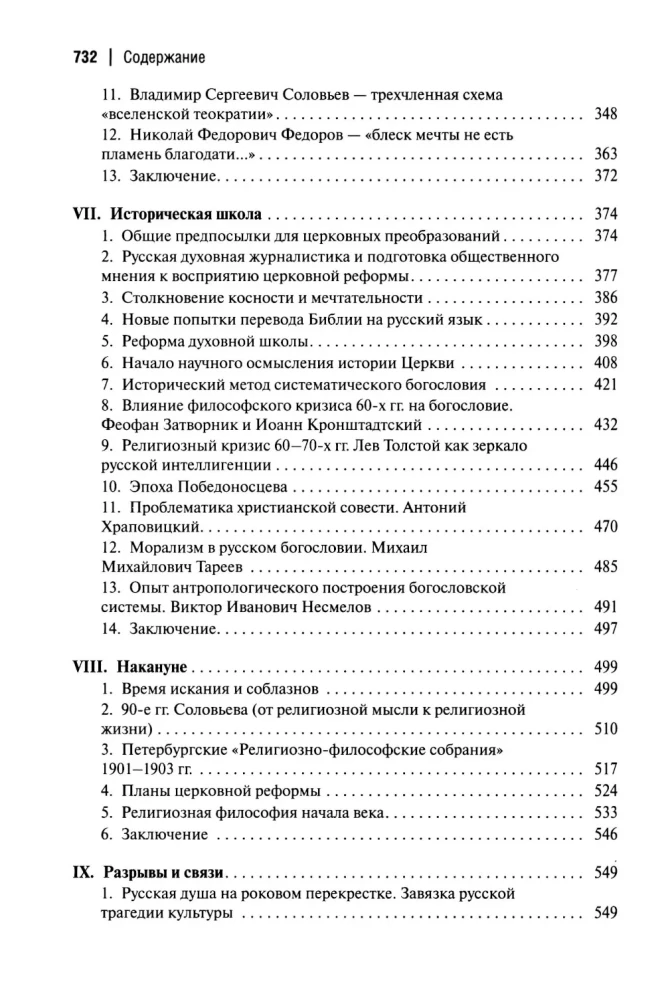
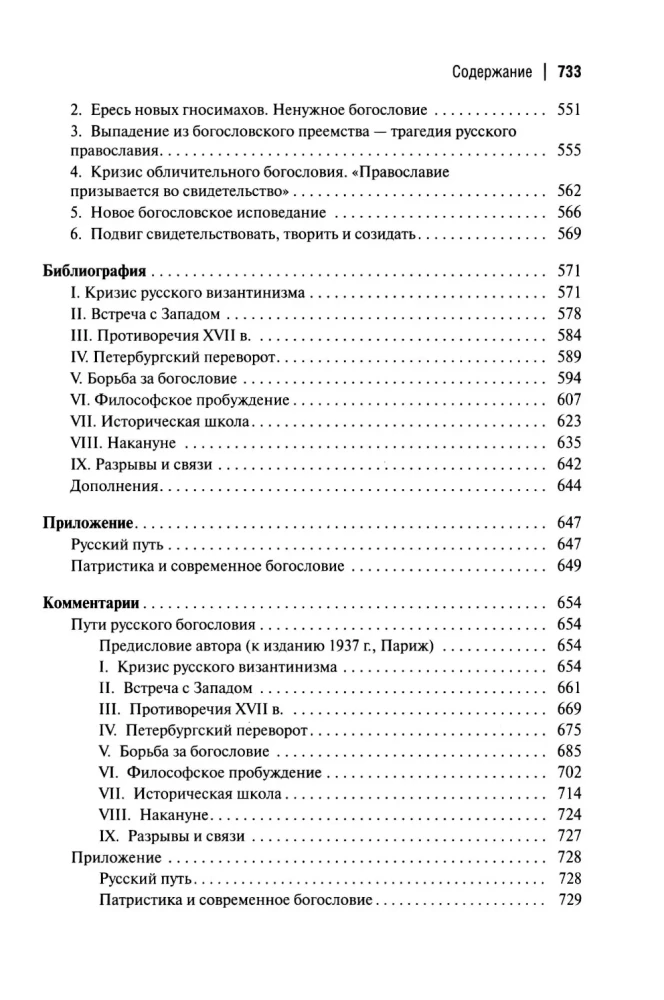
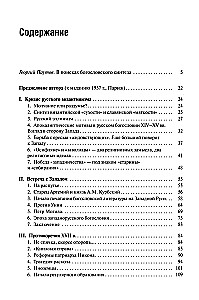
earliest of which shed light on the times of early Christianity. According to N.A. Berdyaev, the title of Florovsky's book could be phrased as "The Wandering of Russian Theology," since among many theologians, for instance, of the 19th century, only a few, including A.S. Khomyakov and Metropolitan Philaret (Drozdov), received a positive review from Florovsky. His main thought was the recognition that the "mental detachment" from patristics and Byzantinism became the main reason for the spiritual failures that occurred in Russian history. Nevertheless, the achievements of Russian theology were somehow linked to a return to patristic roots. Among the criticism, sometimes severe, of a considerable number of historical church and secular figures, G.V. Florovsky notably highlights the positive images of Russian saints. In "Paths of Russian Theology," G.V. Florovsky touches on themes such as the crisis of Russian Byzantinism, "Russian Hellenism," the history of Russian theology from the earliest times of the development of Christian thought in Russia, the opposition to heresies, clashes with Western culture, the situation with the Union, the contradictions of the 17th century, the tragedy of the Russian church schism. The chronological scope of Florovsky's book is quite broad. "Paths of Russian Theology" includes an extensive bibliography compiled by the author himself, left in its original unchanged form in this edition. All texts of this work are provided according to the edition: Florovsky Georgy, Prot. Paths of Russian Theology. Paris, 1937. As an appendix, two previously unknown works of G.V. Florovsky, resonating with "Paths of Russian Theology," are published for the domestic reader. The book is equipped with a specially prepared introductory article and extensive comments.
This publication is necessary for both theologians and philosophers, historians, all specialists in the humanities, and at the same time serves as an interesting educational and enlightening reading for a group of interested readers, who are not indifferent to the formation and development of domestic spiritual traditions.
This publication is necessary for both theologians and philosophers, historians, all specialists in the humanities, and at the same time serves as an interesting educational and enlightening reading for a group of interested readers, who are not indifferent to the formation and development of domestic spiritual traditions.
Author: Георгий Флоровский
Printhouse: Akademicheskii proekt
Series: Philosophical Technologies: Russian Philosophy
Age restrictions: 16+
Year of publication: 2026
ISBN: 9785829143817
Number of pages: 733
Size: 220х148х35 mm
Cover type: hard
Weight: 854 g
ID: 1733436
Sold out
€ 29.99
Sold out
€ 29.99
Bestsellers








Bestseller
€ 12.19
In stock
Kanashibari. Until the Last Lantern Goes Out. Volume 1
Ангелина Шэн, Вероника Шэн