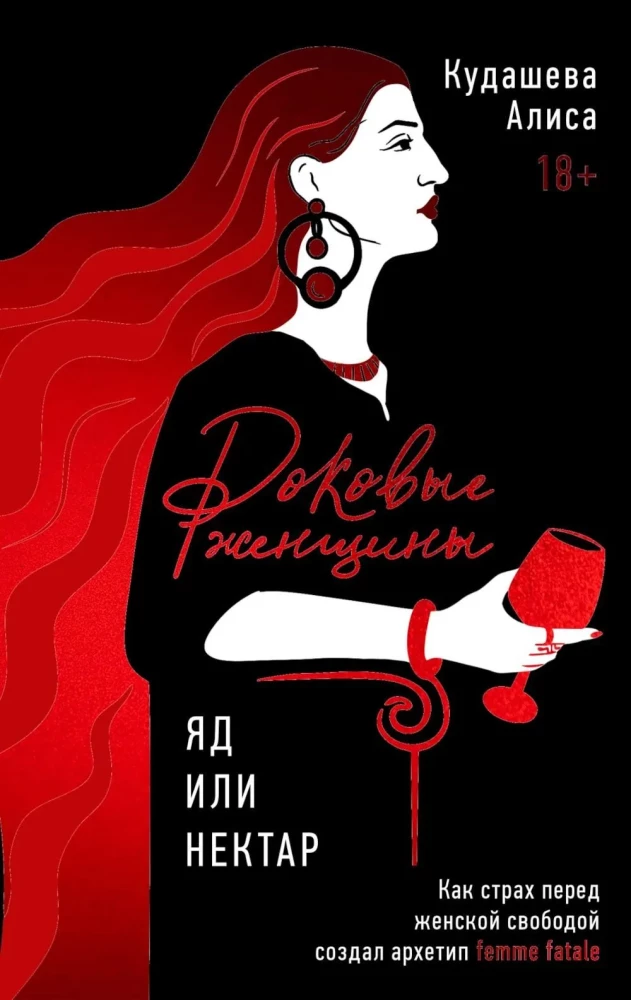
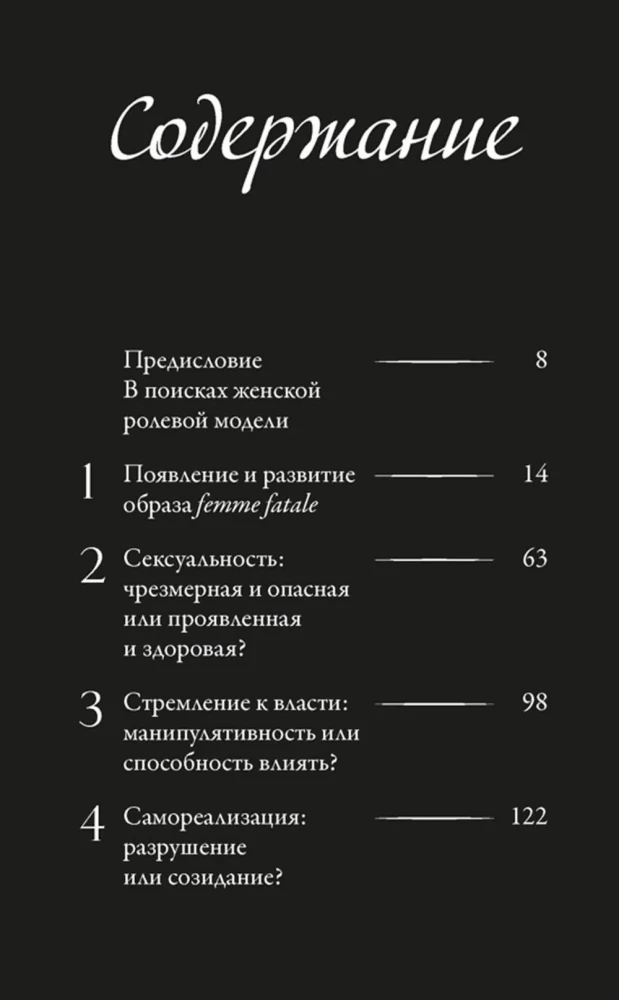
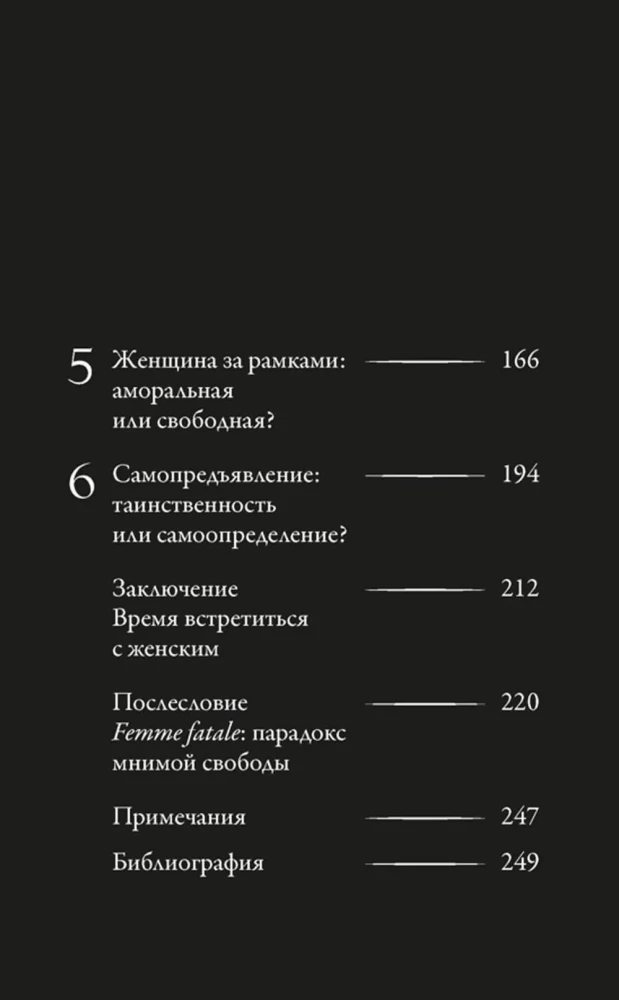

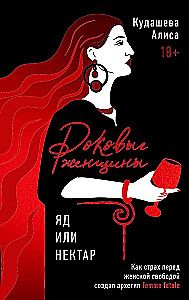

Femme Fatales. Poison or Nectar. How the Fear of Women's Freedom Created the Archetype of Femme Fatale
Author: Алиса Кудашева
Printhouse: Azbuka
Series: Character
Age restrictions: 18+
Year of publication: 2026
ISBN: 9785389269439
Number of pages: 256
Size: 200х130х19 mm
Cover type: hard
Weight: 413 g
ID: 1733323
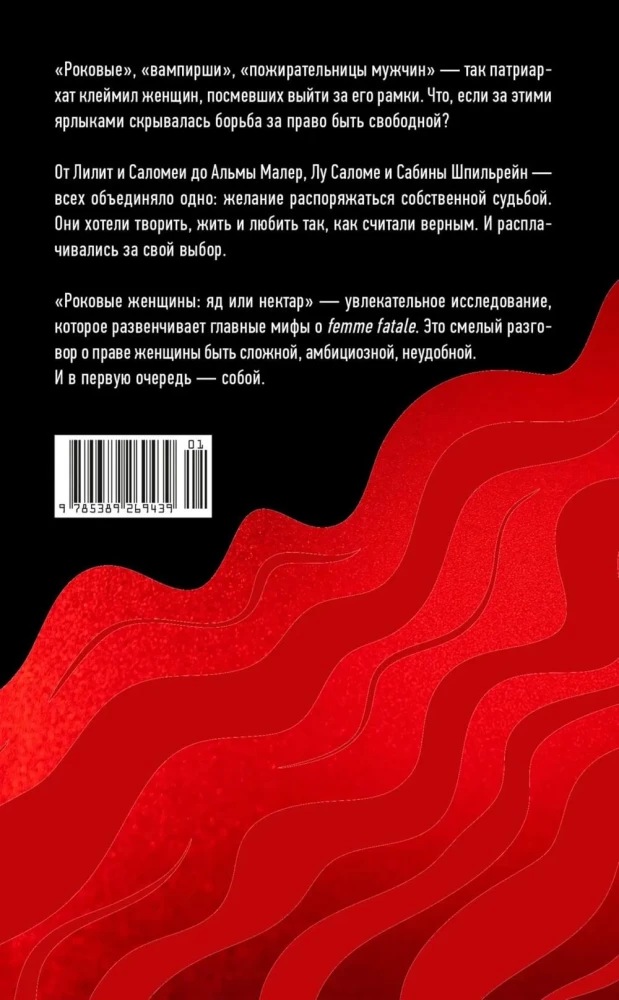
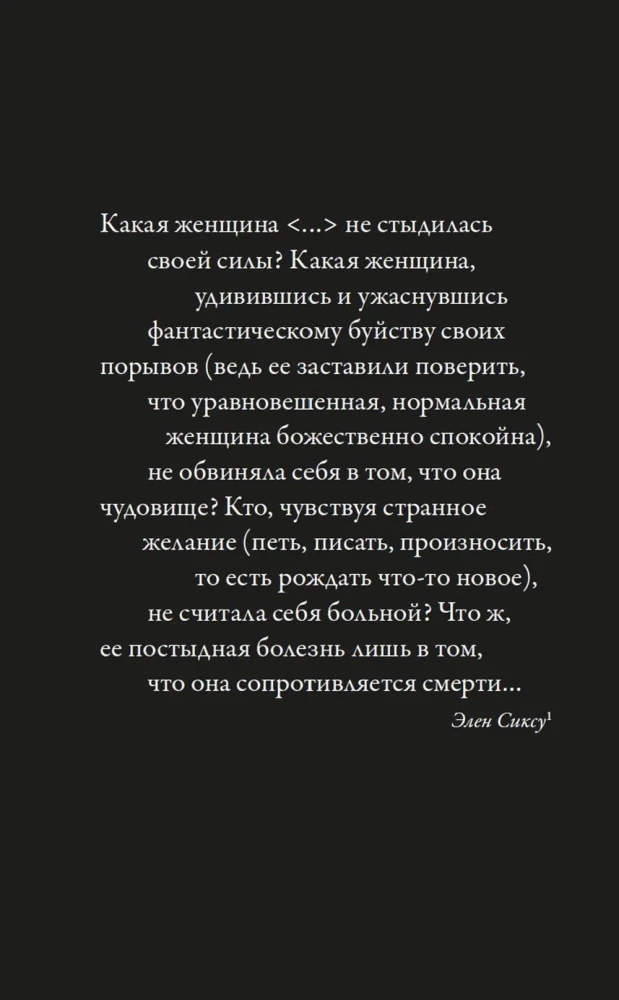
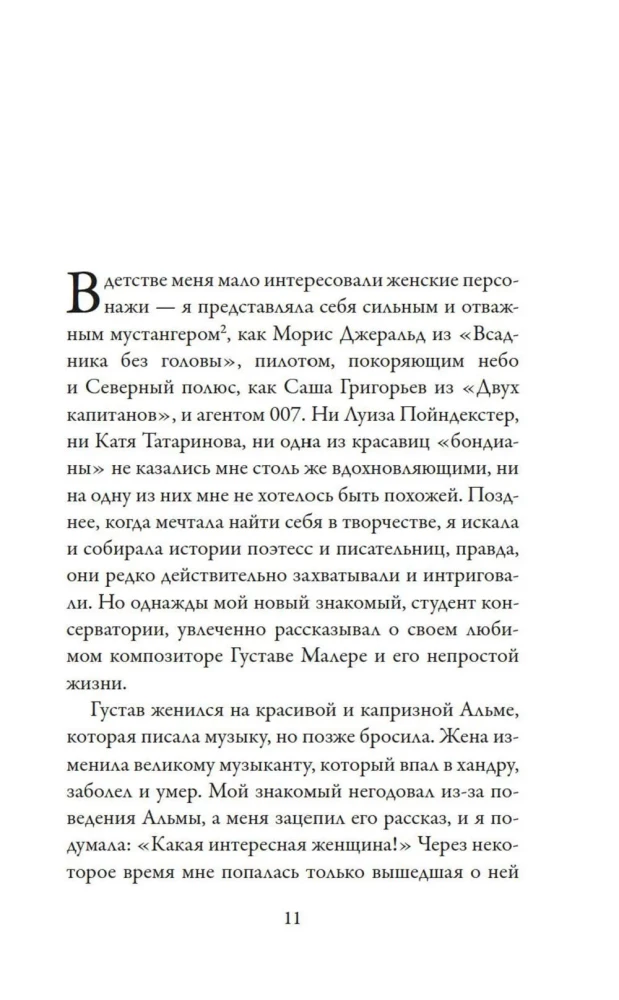
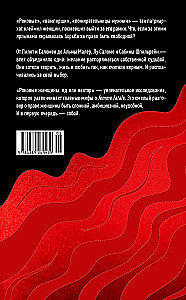
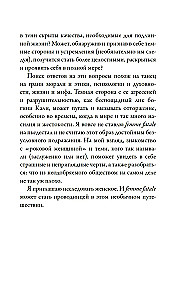
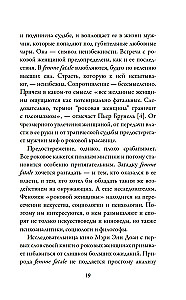
“Femme fatales,” “vampires,” “male-devourers” — this is how patriarchy branded women who dared to step outside its boundaries. But what if behind these labels lay a struggle for the right to be free?
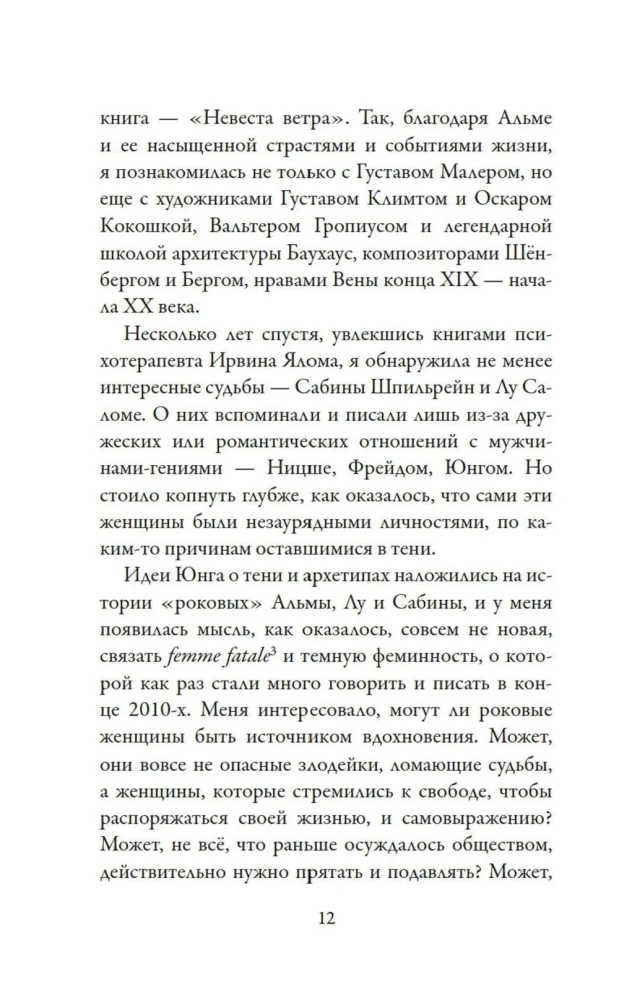
From Lilith and Salome to Alma Mahler, Lou Salomé, and Sabina Spielrein, they all shared one desire: to take control of their own destinies. They wanted to create, live, and love as they saw fit. And they paid the price for their choices.
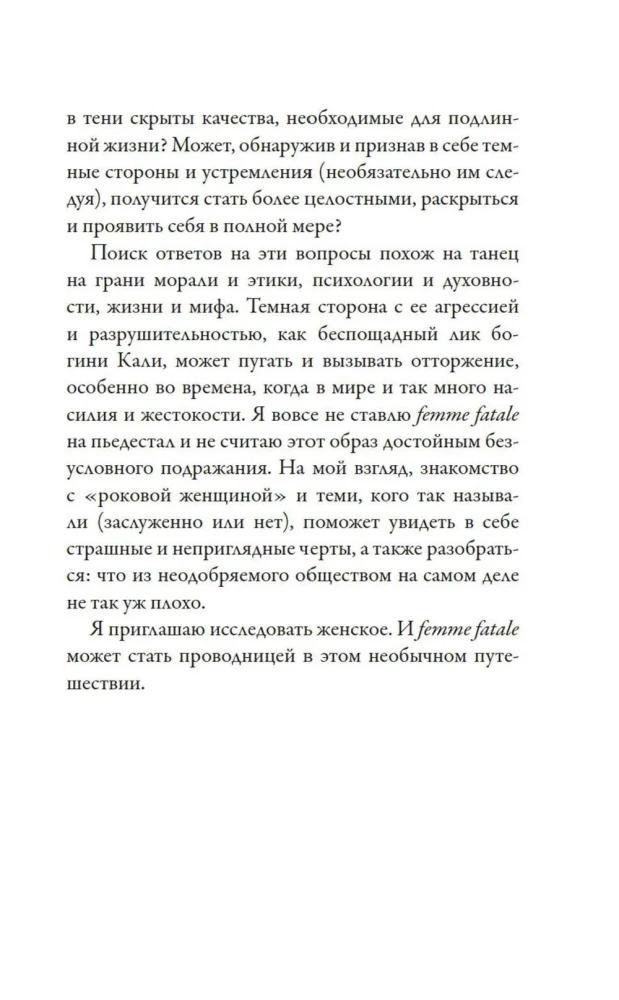
“Femme Fatales: Poison or Nectar” is a fascinating exploration that debunks the main myths surrounding the femme fatale. It is a bold conversation about a woman's right to be complex, ambitious, and uncomfortable. And first and foremost — to be herself.
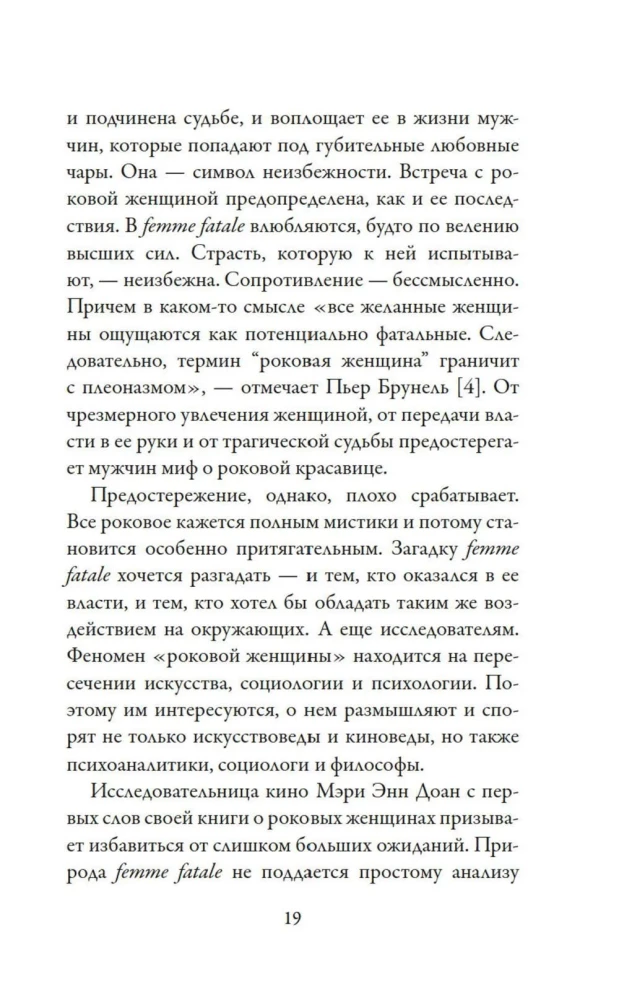
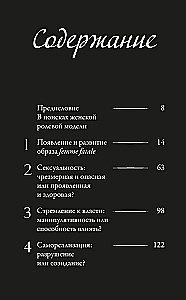
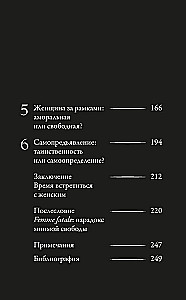
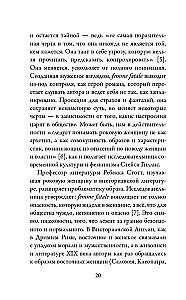
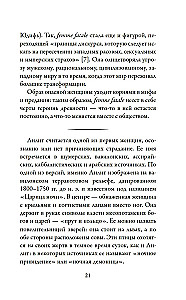
The book constructs a broad panorama of female archetypes, tracing the image's journey from mythology to heroines of cinema. The author shows how the fear of a free woman shaped persistent cultural narratives — and how they continue to influence our perceptions of relationships, power, and desire. This is a conversation about the power of archetypes and why the image of the femme fatale keeps returning to culture.
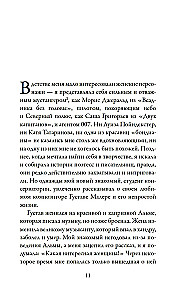
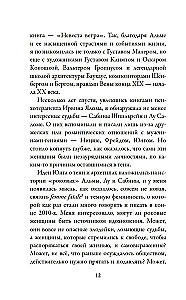
Special attention is given to real biographies: the author explores such historical women as Alma Mahler, Lou Salomé, Mizia Sert, Alexandra Kollontai, Sabina Spielrein, Asmahane, Gala Dali — and the men connected with them: Salvador Dali, Gustav Mahler, Nietzsche, Freud, Jung, Kokoschka, Diaghilev, Rilke, Gropius, thereby linking the exploration of the archetype with living biographies and memoirs, allowing for concrete examples to be seen.
This is not only a work in the fields of feminism and cultural history but also a profound book on psychology for women, touching on themes of personality psychology and relationship psychology. It will be of interest to those who have already studied “Women Who Run with the Wolves,” “Goddesses in Everywoman,” “Circe” by Madeline Miller, “Wild, Free, and Real: The Power of Womanhood,” “The Lonely City” by Olivia Laing, and “Good Girls Go to Heaven, Bad Girls Go Wherever They Want.”
The stylish design makes this gift book a worthy choice for those seeking books about women with aesthetics and depth.
Bestsellers