

I Am Going to Search: True Stories about Russian Maniacs
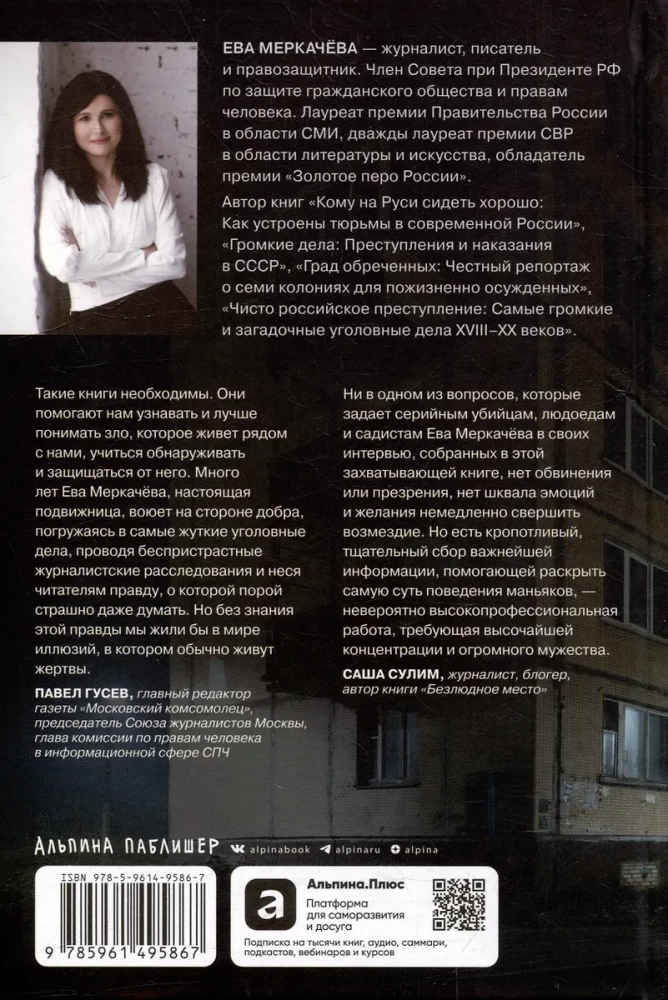
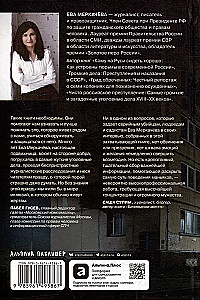
Author: Ева Меркачева
Printhouse: Al'pina Pablisher
Age restrictions: 18+
Year of publication: 2025
ISBN: 9785961495867
Number of pages: 304
Size: 215х145х23 mm
Cover type: hard
Weight: 560 g
ID: 1707217
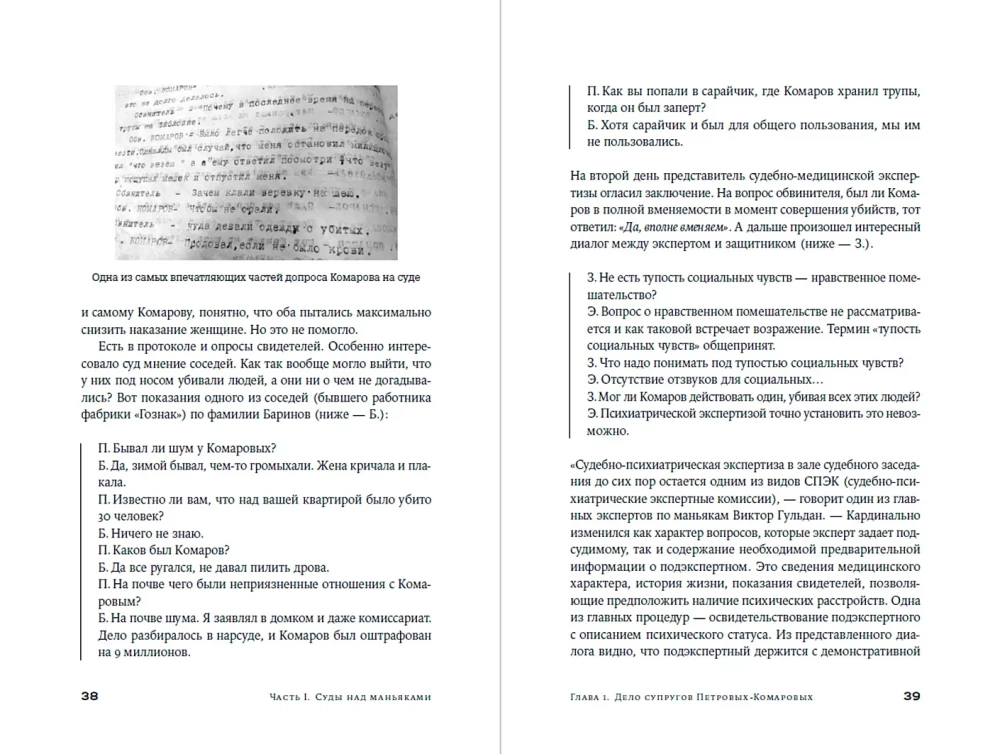
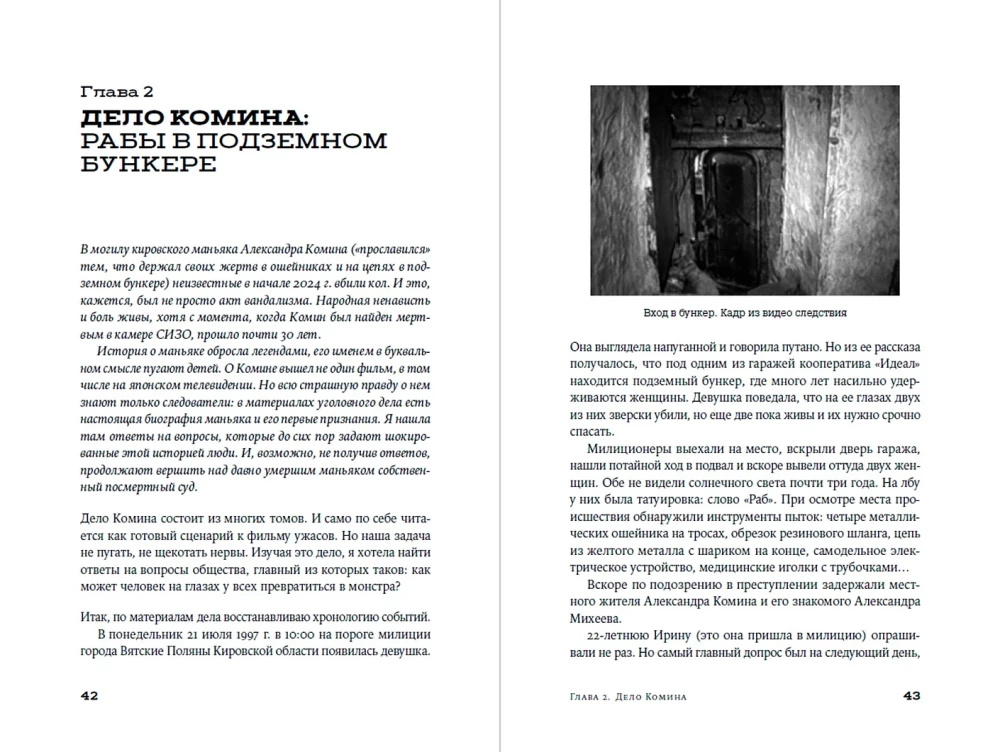
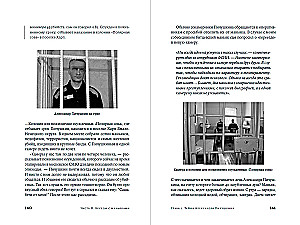
The new book by E.M. Merkacheva is dedicated to one of the most terrifying and repulsive types of crime — serial murders. Almost all the episodes covered in it pertain to the last few decades (only the first chapter discusses events from a century ago). The undeniable merit of the author (a manifestation of the traditional style of E.M. Merkacheva) is the documentary authenticity of the "facts": a large array of criminal cases has been utilized, although, of course, the material is of such a nature that it presupposes readers with strong nerves.
However, the author's goal is not to provide a sensational narrative about the activities of terrifying criminals. E.M. Merkacheva formulates her task as follows: "to help people become more conscious, so as not to join either the ranks of maniacs or the ranks of their victims." To achieve this, it is insufficient just to describe the "practices" of serial killers. One of the emphasized theses in the book is that maniacs are not born; almost all the "characters," before transitioning to serial murders, underwent an internal evolution that those around them did not pay attention to. The author repeatedly emphasizes that, along with unfavorable natural and biographical predispositions, the formation of a maniac is significantly influenced by the indifference of those around them. A maniac is a deviation that is not only anthropological but also, to a large extent, social. This also applies to the fates of those who have served their sentences and been released from prison — many of them, as shown in the book, simply disappeared from the sight of law enforcement agencies and social services, becoming "uncared for" and effectively obtaining the opportunity to continue their crimes.
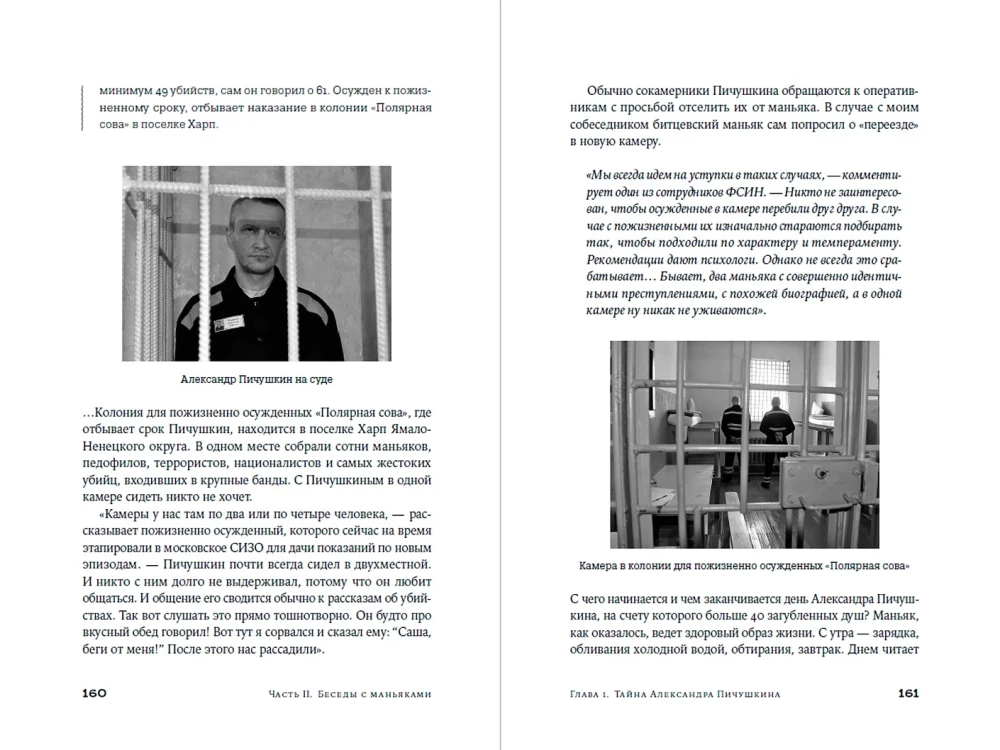
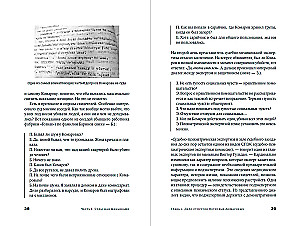
In striving to provide a more in-depth understanding of the personal characteristics of serial killers, the author, in addition to criminal cases, uses comments from psychologists and criminologists. But perhaps the most impressive fragments are the transcripts of conversations that Eva Merkacheva had with her "characters," which make up the second part of the book. They add much to the "external" information about maniacs, bringing new accents. And although it is impossible to vividly present the personality of such a subject, to "immerse" oneself in it, the "closeness" to it can exert a kind of "preventive" impact on the reader. In particular, it helps to feel the important question that always arises in connection with a serial killer: is he healthy, sane, capable of being responsible for his actions — or is it a disease that, unfortunately, is incurable. This issue is largely addressed in the third part.
Bestsellers