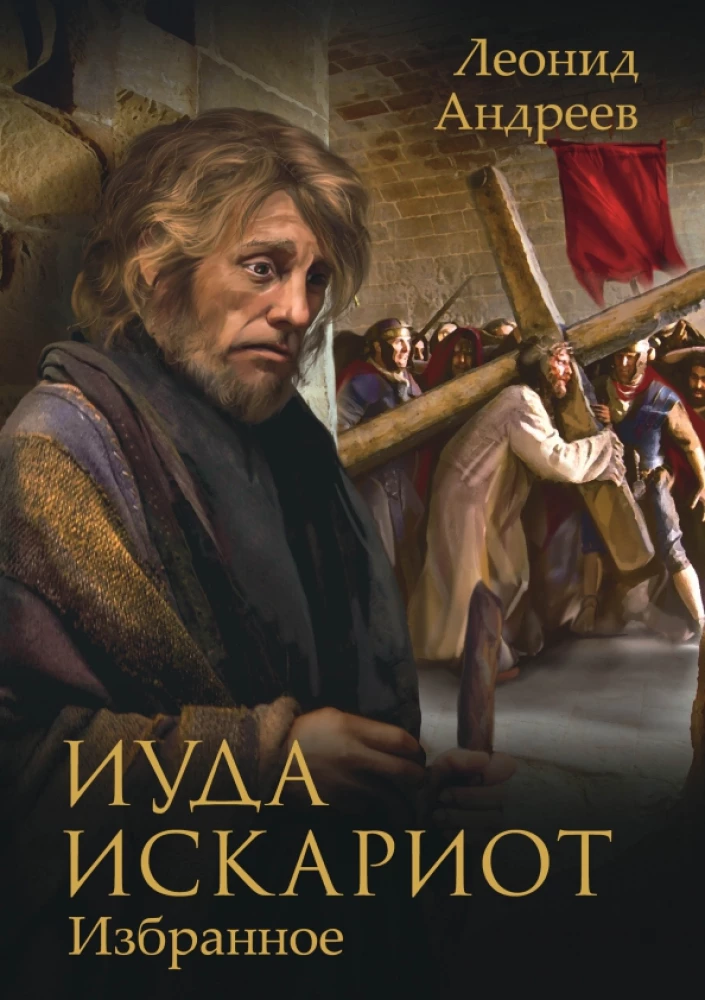
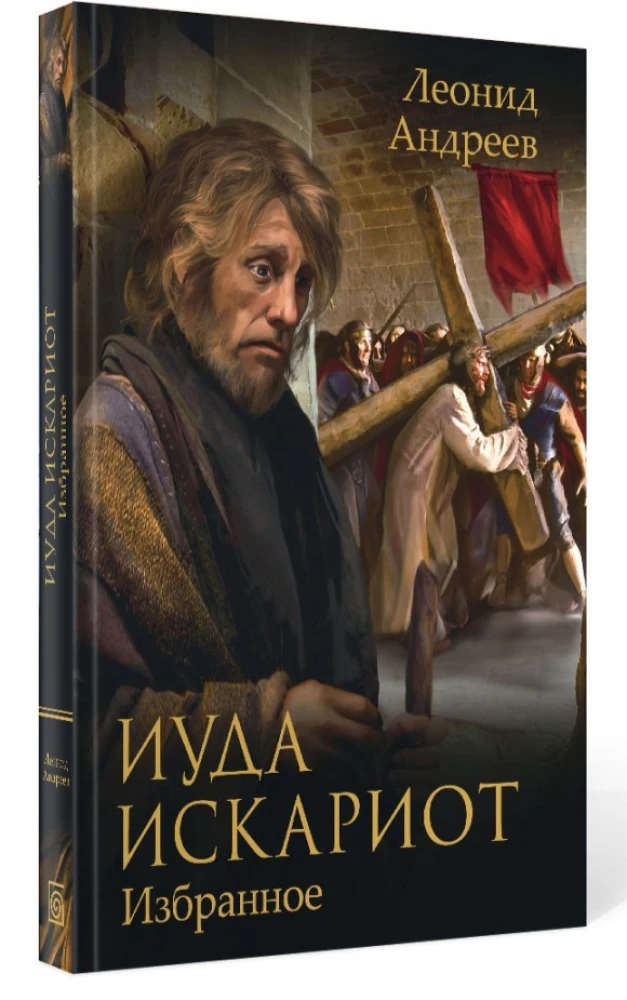
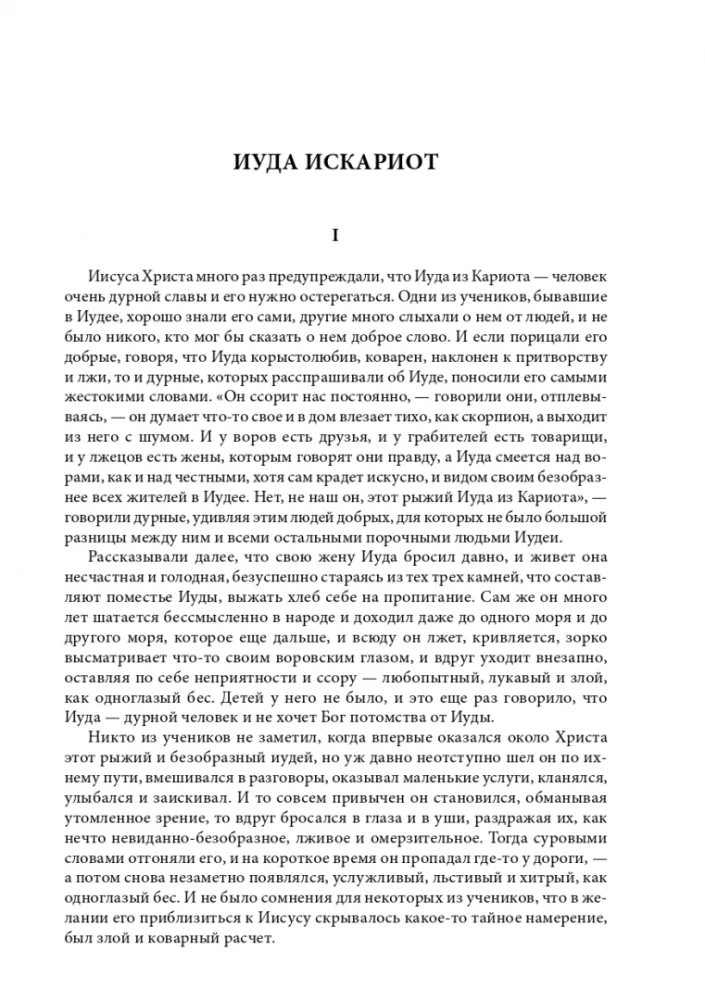
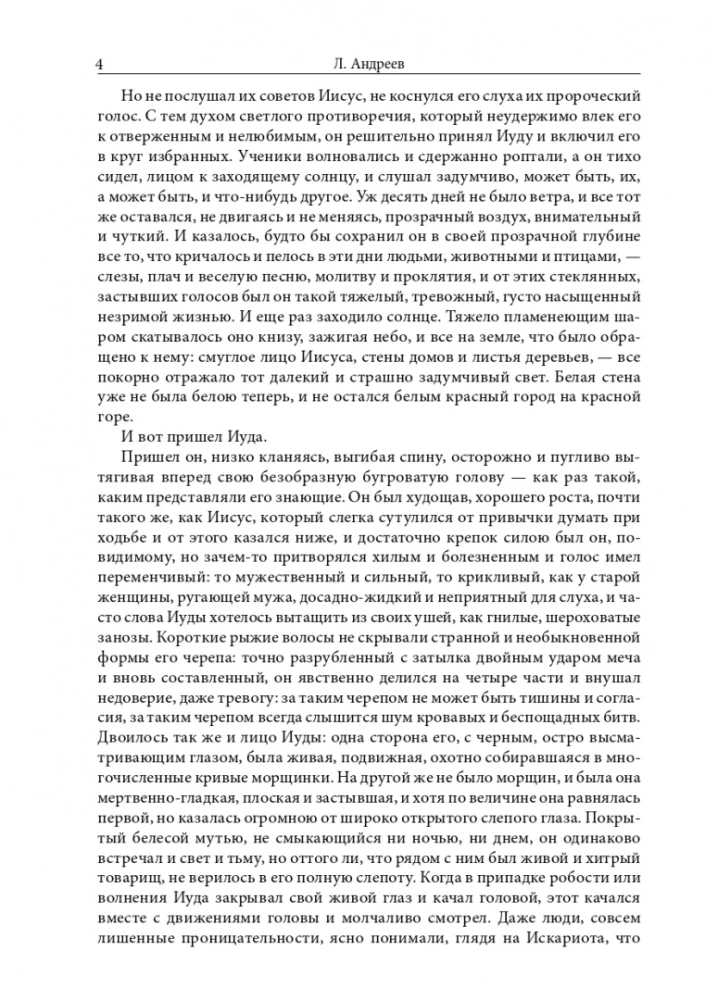
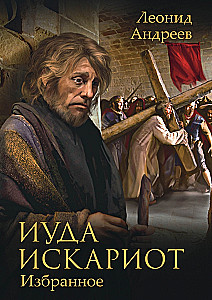
Judas Iscariot
Dante cast him into the last circle of hell, and the Church has been cursing him for two thousand years. Judas Iscariot, son of Simon, is a biblical symbol of betrayal, a great sinner who handed Jesus Christ into the...
hands of executioners and condemned him to the crucifixion. What drove him to such an act? Hate? But he loves Christ and reveres him as a Teacher, and for Christ, he is the beloved disciple. Greed? But Judas didn't even use the money he received for the betrayal, throwing it at the high priests and Pharisees. Heartlessness? But the question remains, who is more heartfelt: the other apostles, who continue to eat and sleep after the Teacher's death, or Judas, who cannot live and kills himself? Was there even betrayal? Perhaps Judas's transgression was necessary for Christ to accept the agonies of the Cross and become the Savior of the world?
The outstanding Russian writer of the Silver Age, Leonid Andreyev (1871-1919), agonizingly reflects on love and hate, suffering and self-sacrifice, the accidental and the inevitable. Other works included in the collection are also permeated with complex philosophical inquiries: the novel "The Diary of Satan" - about the embodiment of the devil in a person, "The Life of Vasily the Philosopher" - about the exhausting struggle of the spirit with the "narrow shackles of the human 'I'", "The Tale of the Seven Hanged" - about the last days of people sentenced to death, with acute existential problems.
The outstanding Russian writer of the Silver Age, Leonid Andreyev (1871-1919), agonizingly reflects on love and hate, suffering and self-sacrifice, the accidental and the inevitable. Other works included in the collection are also permeated with complex philosophical inquiries: the novel "The Diary of Satan" - about the embodiment of the devil in a person, "The Life of Vasily the Philosopher" - about the exhausting struggle of the spirit with the "narrow shackles of the human 'I'", "The Tale of the Seven Hanged" - about the last days of people sentenced to death, with acute existential problems.
Author: Леонид Андреев
Printhouse: Ripol-klassik
Age restrictions: 16+
Year of publication: 2022
ISBN: 9785370050527
Number of pages: 332
Size: 217x153x18 mm
Cover type: hard
Weight: 460 g
ID: 1702079
Sold out
€ 14.79
Sold out
€ 14.79
Bestsellers




Bestseller
€ 12.19
In stock
Kanashibari. Until the Last Lantern Goes Out. Volume 1
Ангелина Шэн, Вероника Шэн