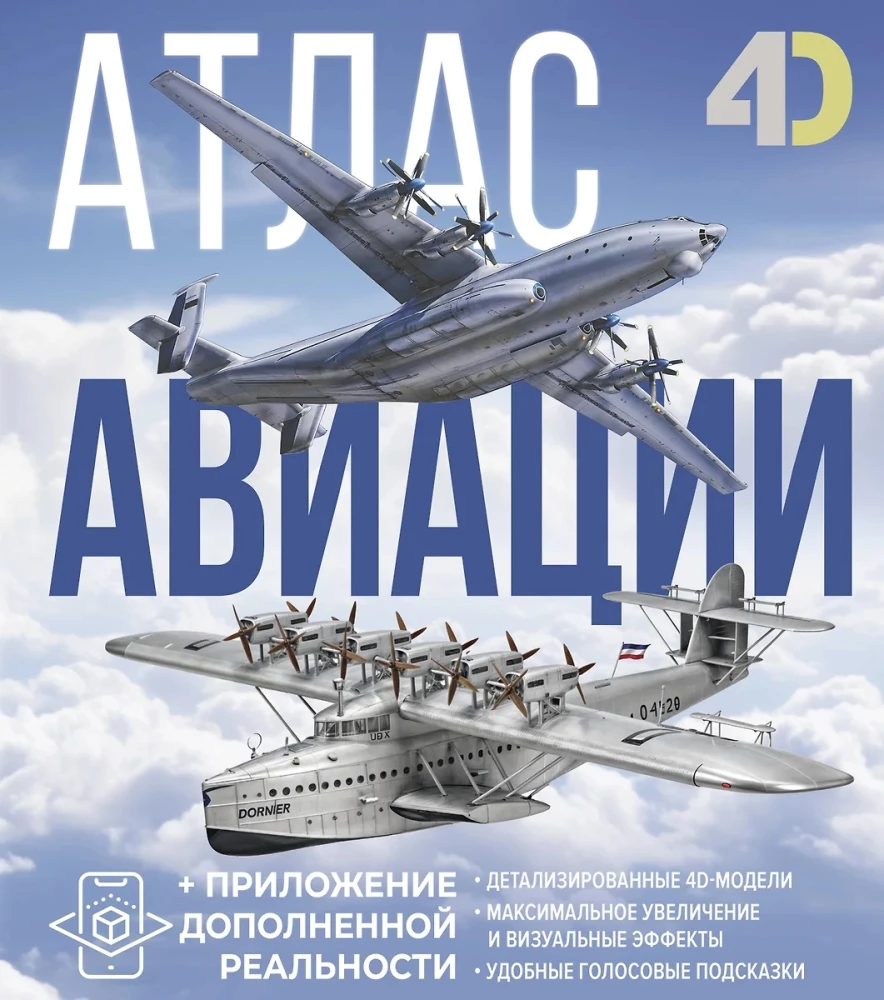
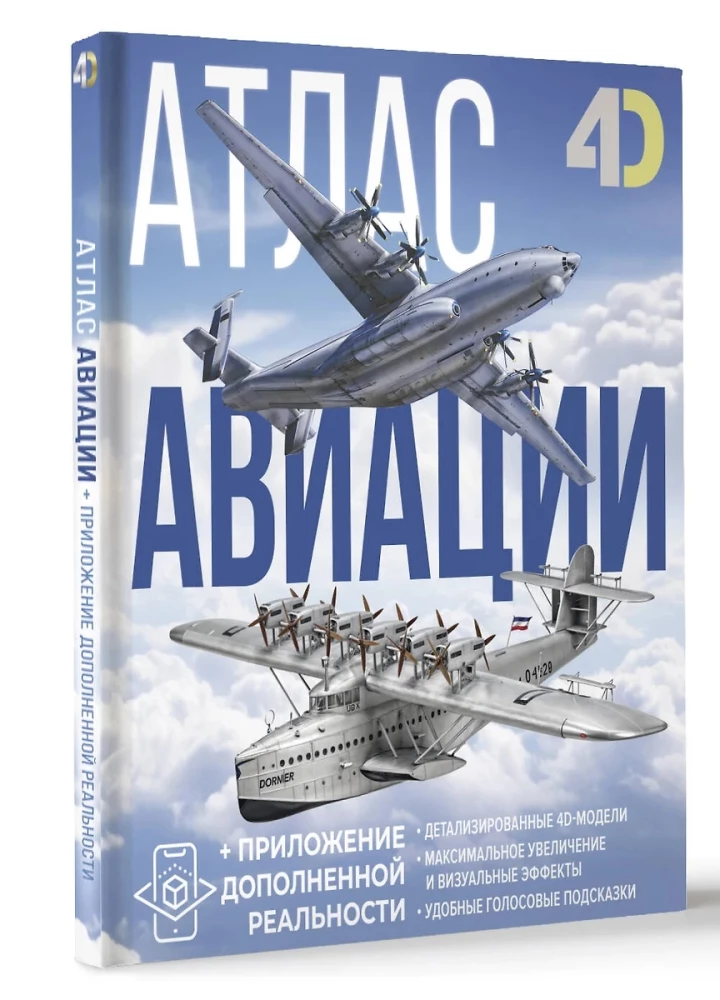
Atlas of Aviation with Augmented Reality
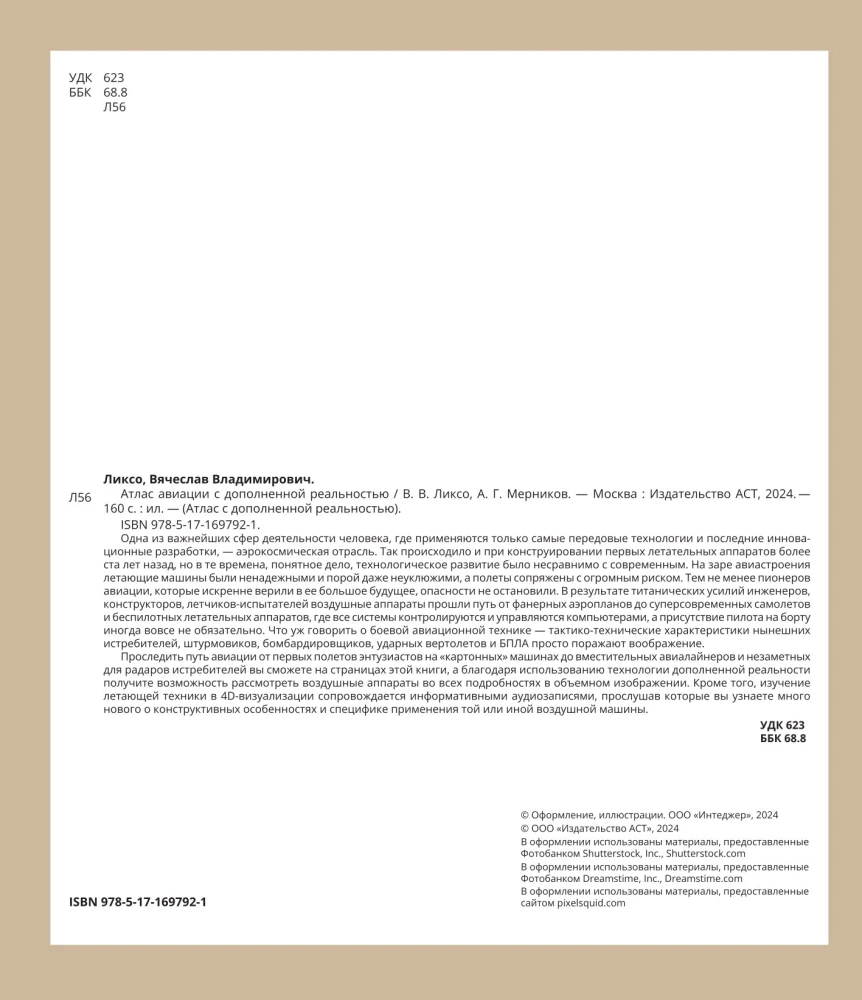
One of the most important fields of human activity, where only the most advanced technologies and the latest innovative developments are applied, is the aerospace industry. This was also the case in the design of the first flying machines over...
a hundred years ago, but at that time, obviously, technological development was incomparable to that of today. In the early days of aviation, flying machines were unreliable and sometimes even clumsy, and flights were associated with enormous risks. Nevertheless, the pioneers of aviation, who sincerely believed in its great future, were not deterred by these dangers.
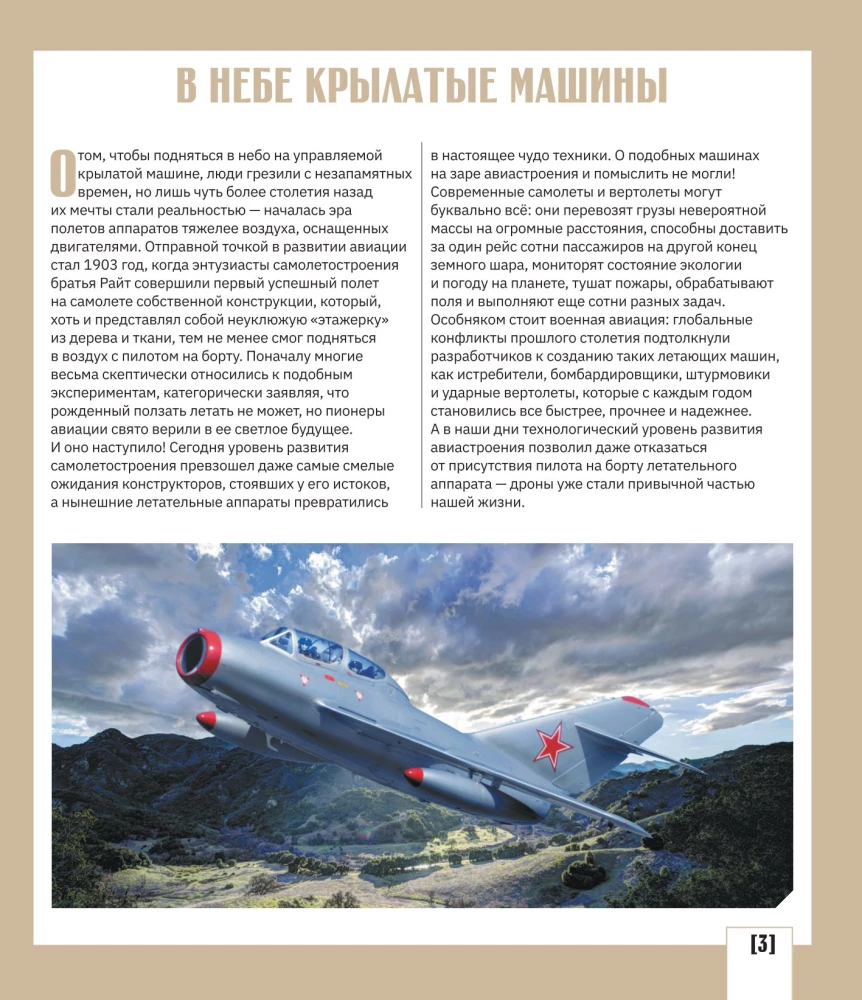
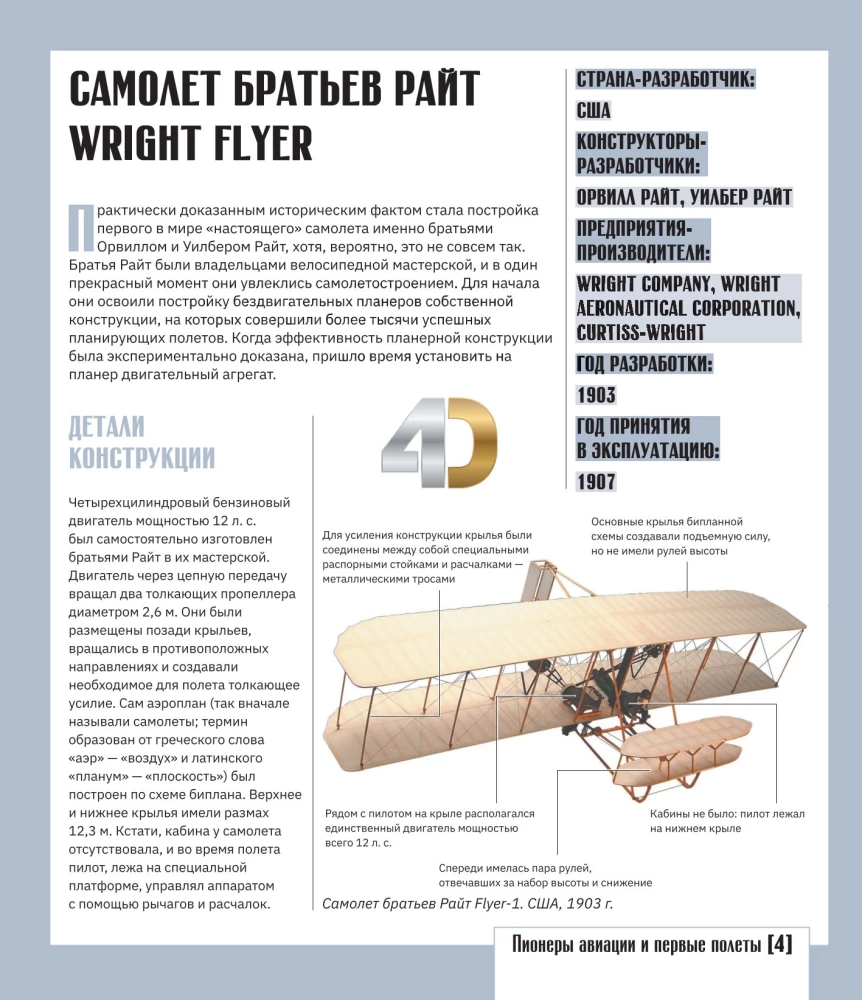
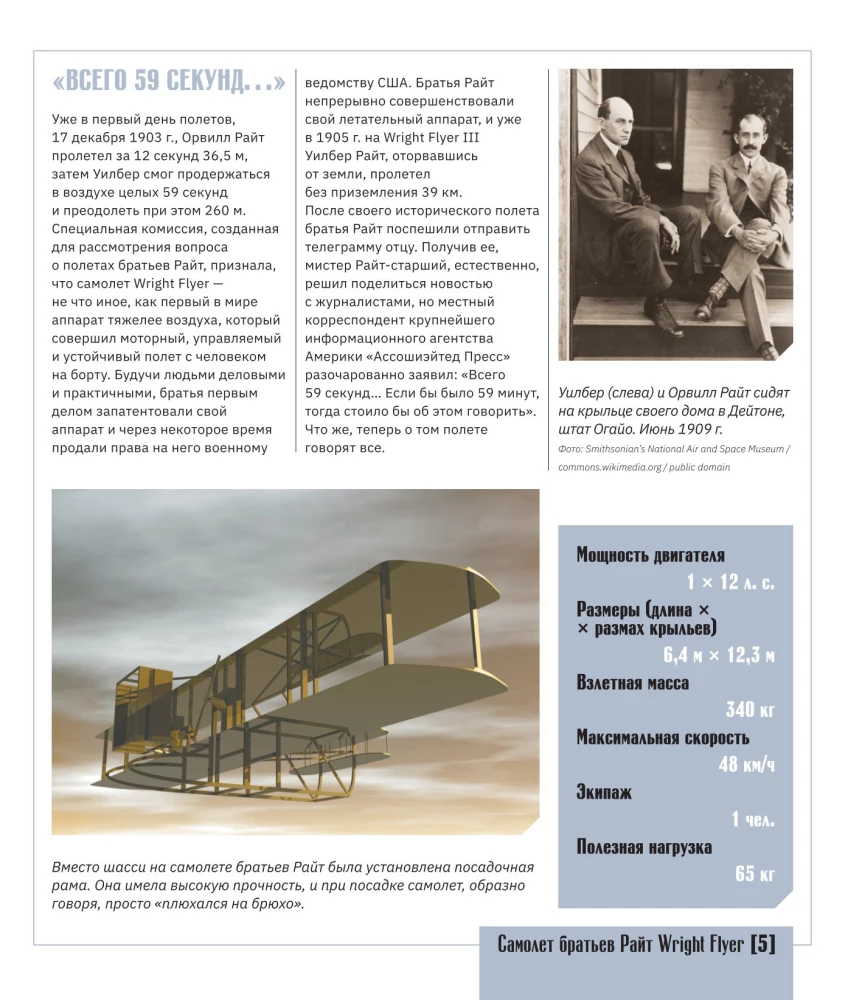
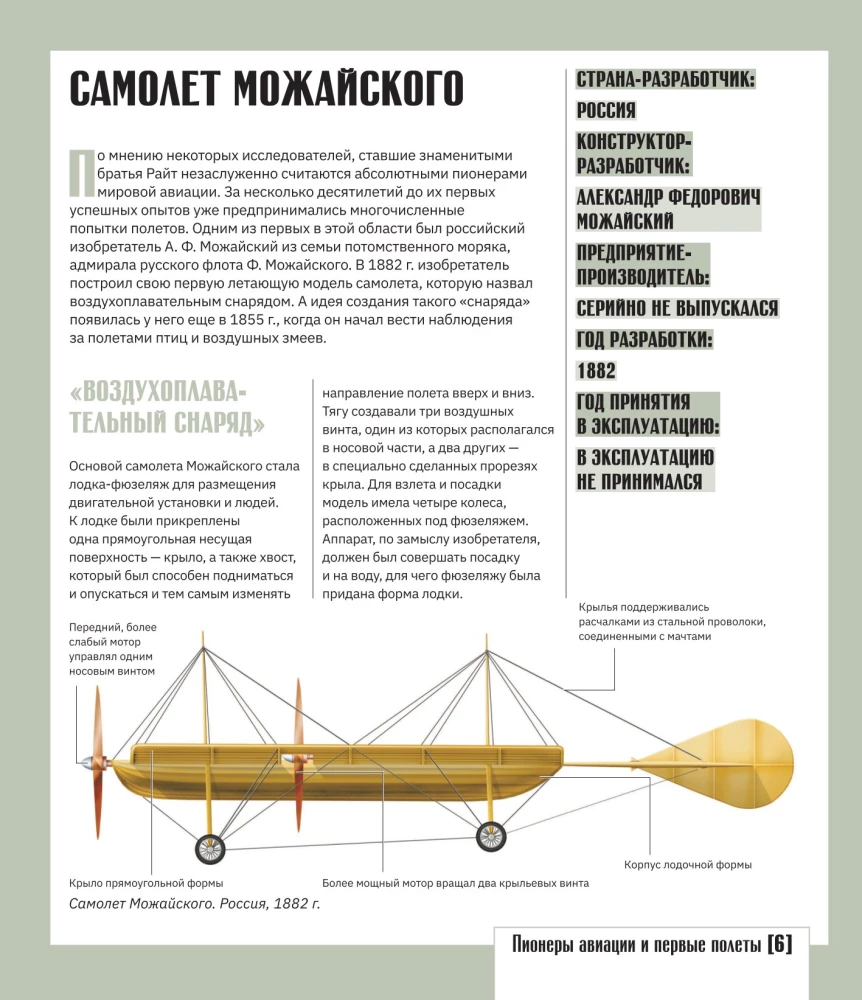
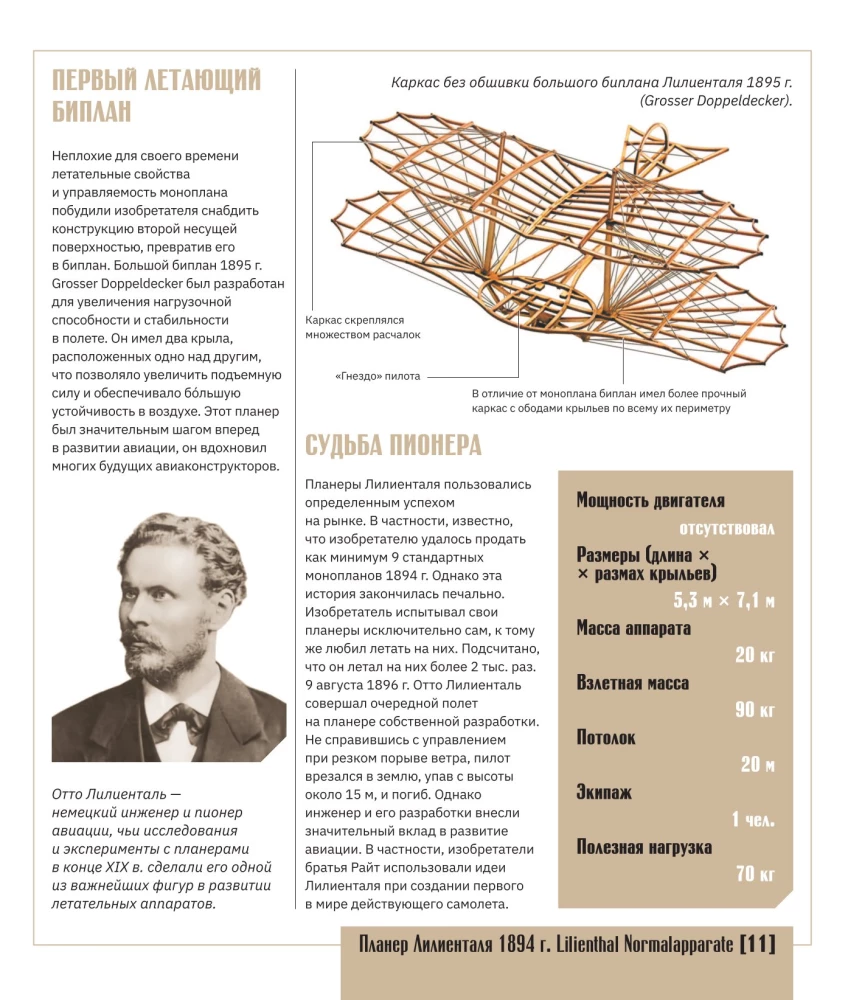
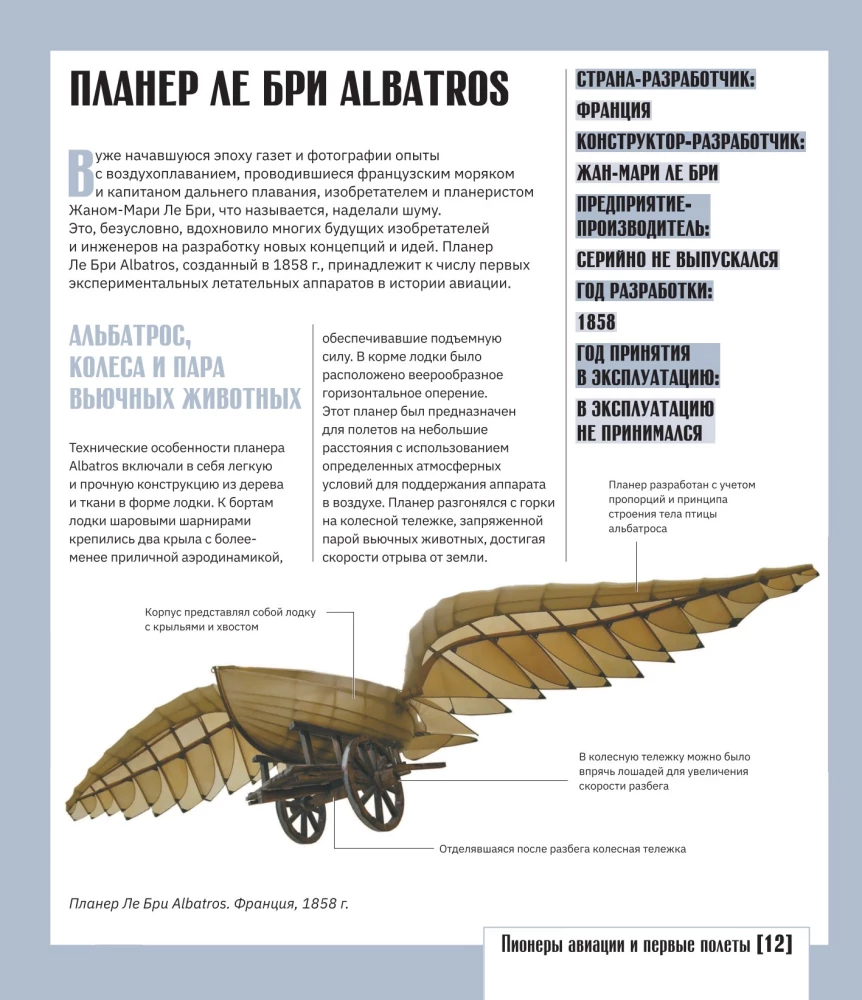
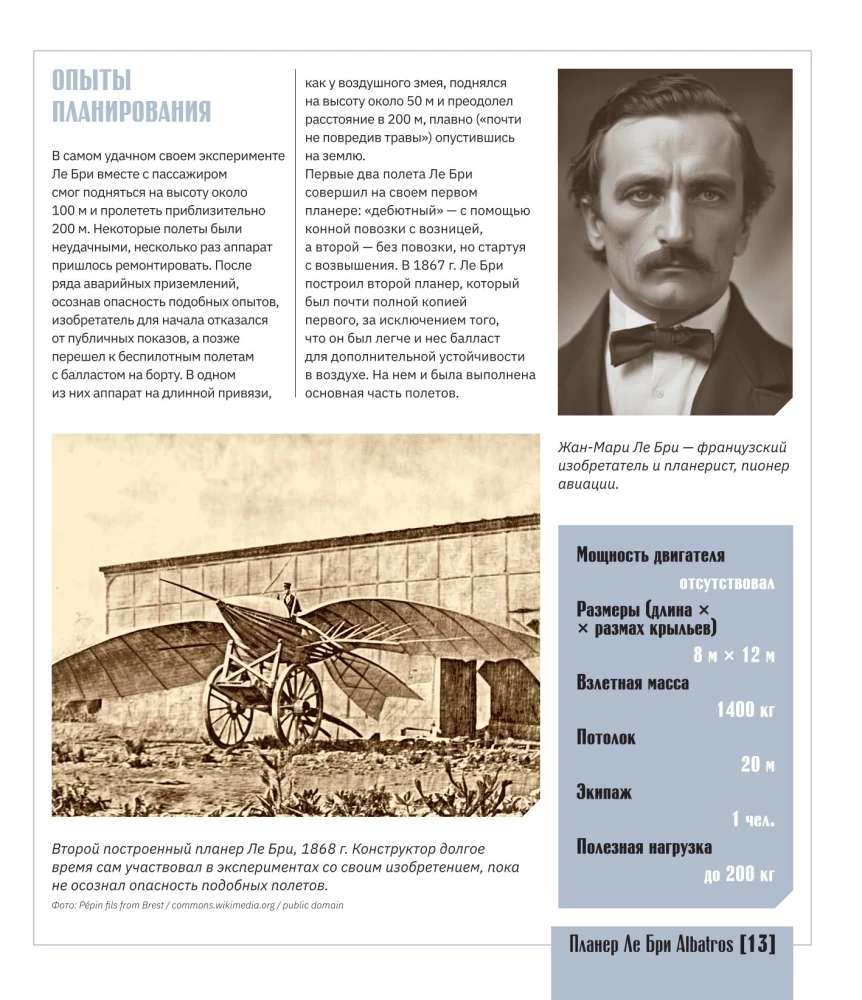
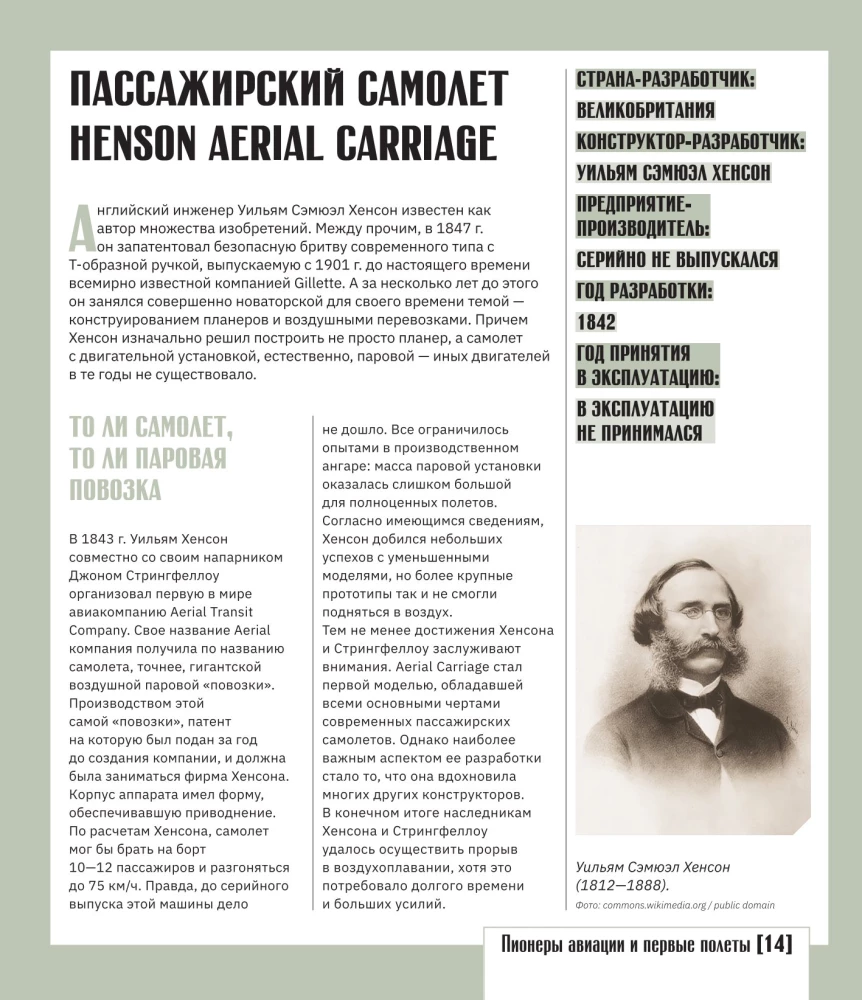
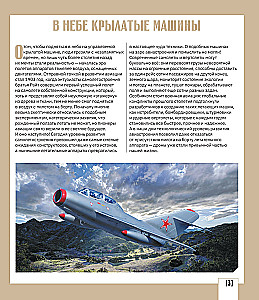
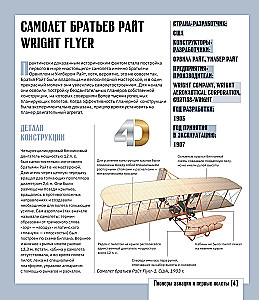
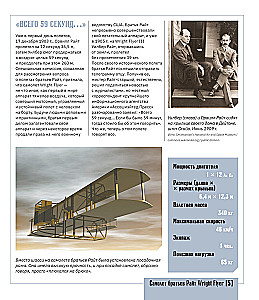
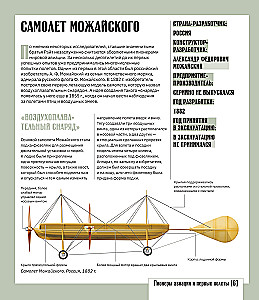
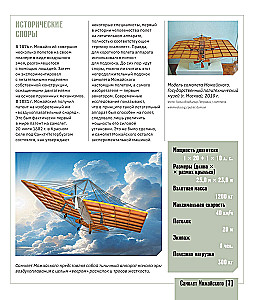
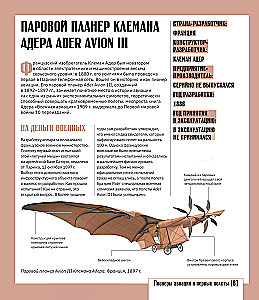
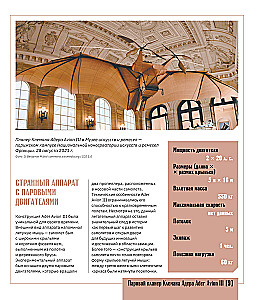
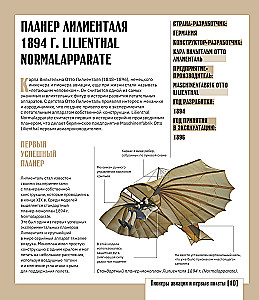
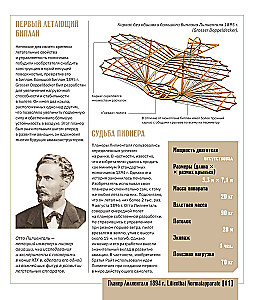
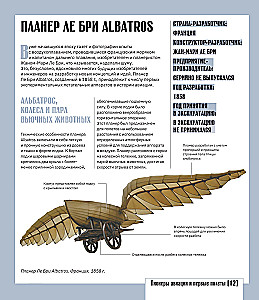
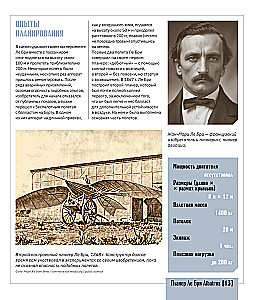
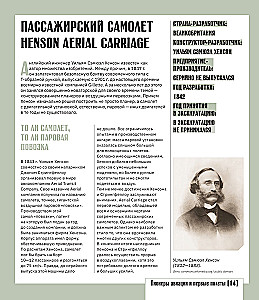
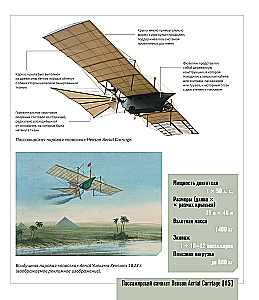
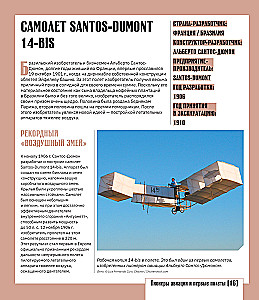
As a result of the titanic efforts of engineers, designers, and test pilots, flying apparatuses evolved from plywood airplanes to ultra-modern aircraft and drones, where all systems are controlled and managed by computers, and the presence of a pilot on board is sometimes not even necessary. Not to mention combat aviation technology — the tactical and technical characteristics of today's fighters, attack aircraft, bombers, attack helicopters, and UAVs are simply astonishing. You can trace the path of aviation from the first flights of enthusiasts in "cardboard" machines to spacious airliners and stealth radar-fitted fighters on the pages of this book, and by using augmented reality technology, you will have the opportunity to examine flying apparatuses in all details in a three-dimensional image.
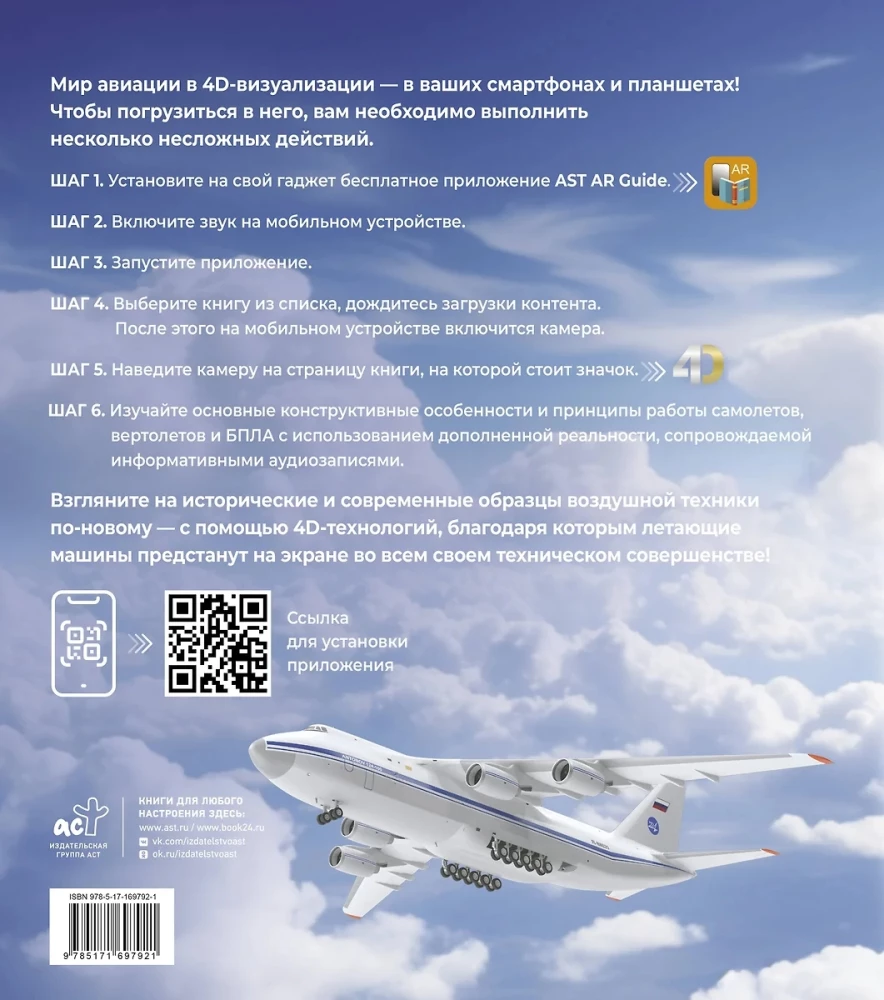
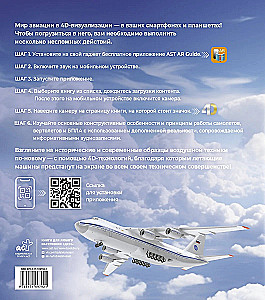
In addition, the study of flying technology in 4D visualization is accompanied by informative audio recordings, listening to which you will learn a lot of new information about the design features and specific applications of each flying machine.
As a result of the titanic efforts of engineers, designers, and test pilots, flying apparatuses evolved from plywood airplanes to ultra-modern aircraft and drones, where all systems are controlled and managed by computers, and the presence of a pilot on board is sometimes not even necessary. Not to mention combat aviation technology — the tactical and technical characteristics of today's fighters, attack aircraft, bombers, attack helicopters, and UAVs are simply astonishing. You can trace the path of aviation from the first flights of enthusiasts in "cardboard" machines to spacious airliners and stealth radar-fitted fighters on the pages of this book, and by using augmented reality technology, you will have the opportunity to examine flying apparatuses in all details in a three-dimensional image.
In addition, the study of flying technology in 4D visualization is accompanied by informative audio recordings, listening to which you will learn a lot of new information about the design features and specific applications of each flying machine.
Author: Андрей Мерников, Вячеслав Ликсо
Printhouse: AST
Series: Atlas with Augmented Reality
Age restrictions: 16+
Year of publication: 2025
ISBN: 9785171697921
Number of pages: 160
Size: 288x252x18 mm
Cover type: hard
Weight: 1040 g
ID: 1701440
Sold out
€ 35.99
Sold out
€ 35.99
Bestsellers





€ 13.29
In stock
12 Weeks in a Year. How to Achieve More in 12 Weeks Than Others Do in 12 Months
Майкл Леннингтон, Брайан Моран


€ 7.89
In stock
Choice. On the Freedom and Inner Strength of a Person
Эдит Ева Эгер, Эсме Швалль-Вейганд





€ 6.99
In stock



Publishers "AST" recommends









Bestseller
€ 16.49
In stock
Roman Popes. People in White: From Pius IX to Present Day
Максим Ткаченко







Bestseller
€ 33.19
In stock
Sixth Sense. How to Predict Your Future Without Attracting the Attention of Sanitary Workers. Metaphorical Cards
Наталья Краснова