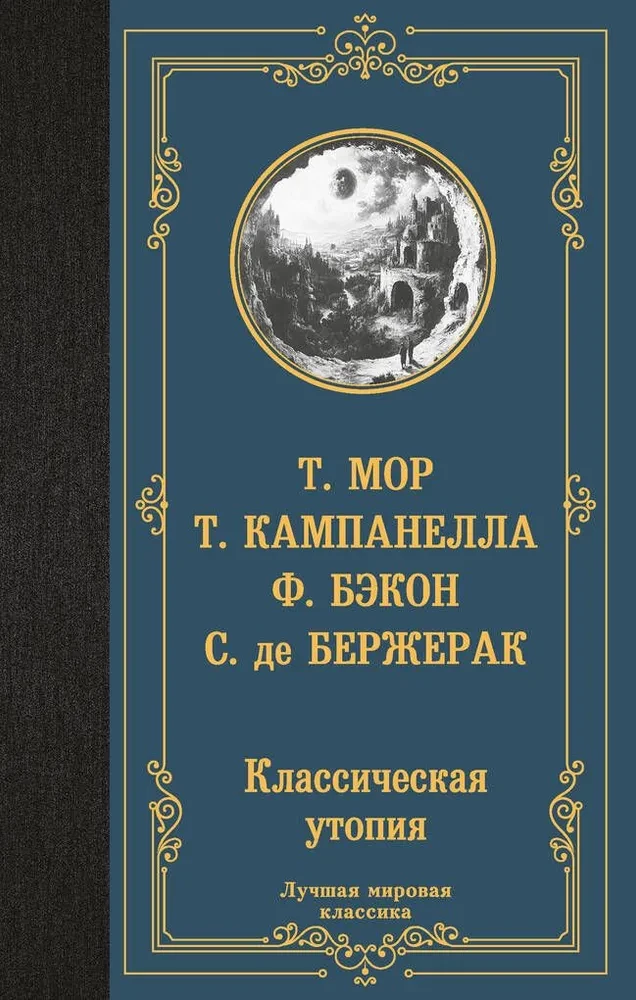
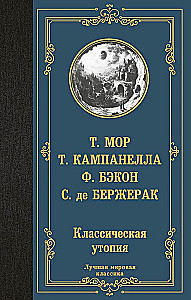
Classical Utopia
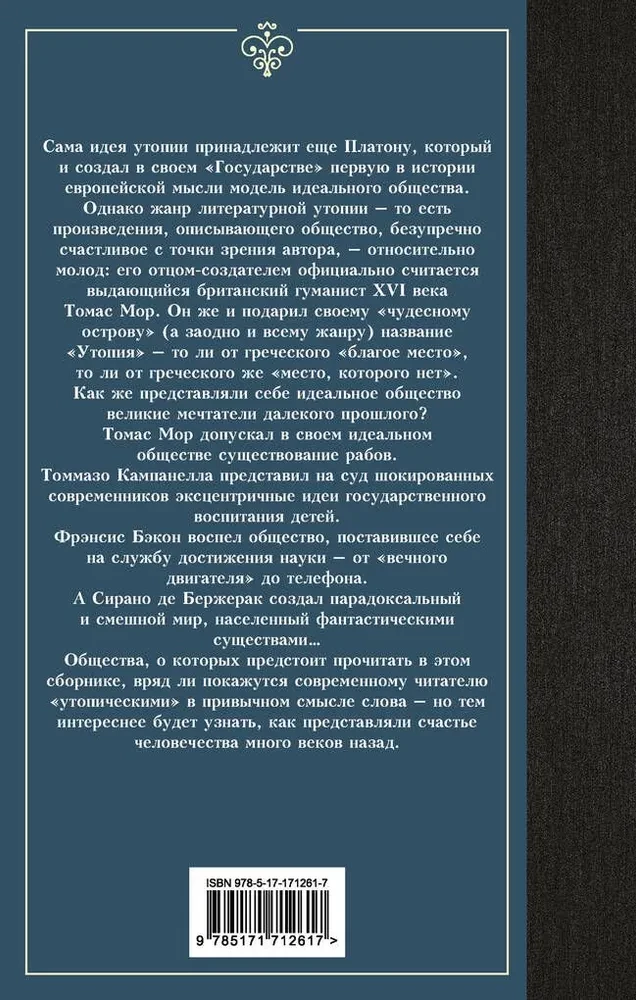
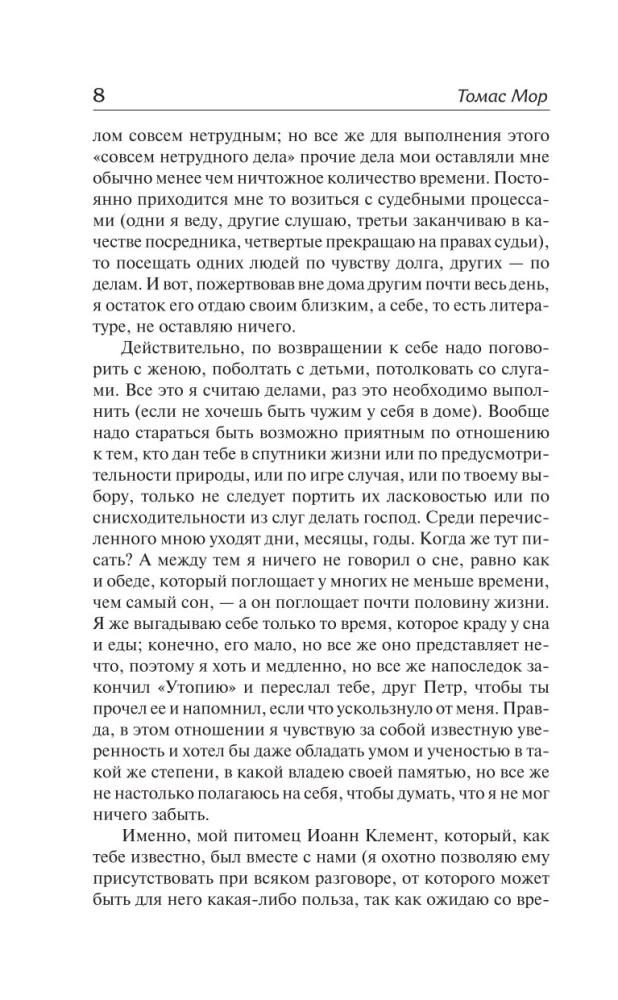
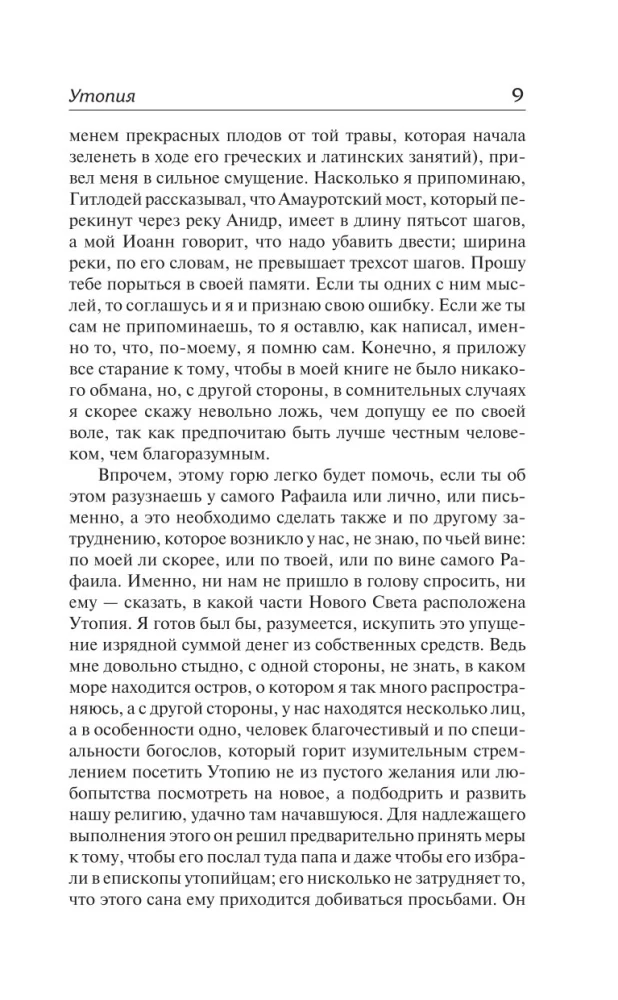
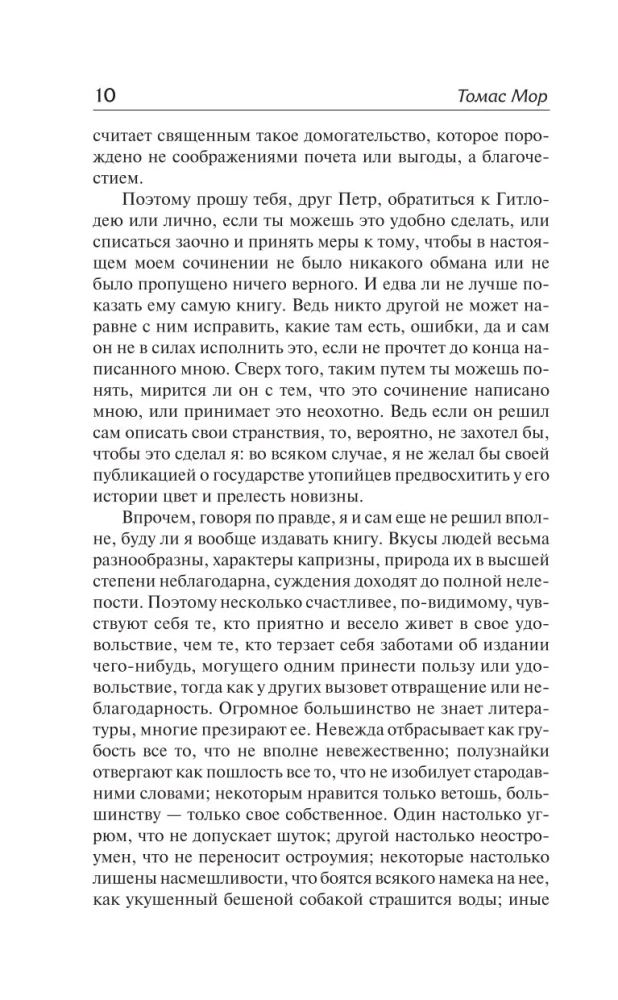
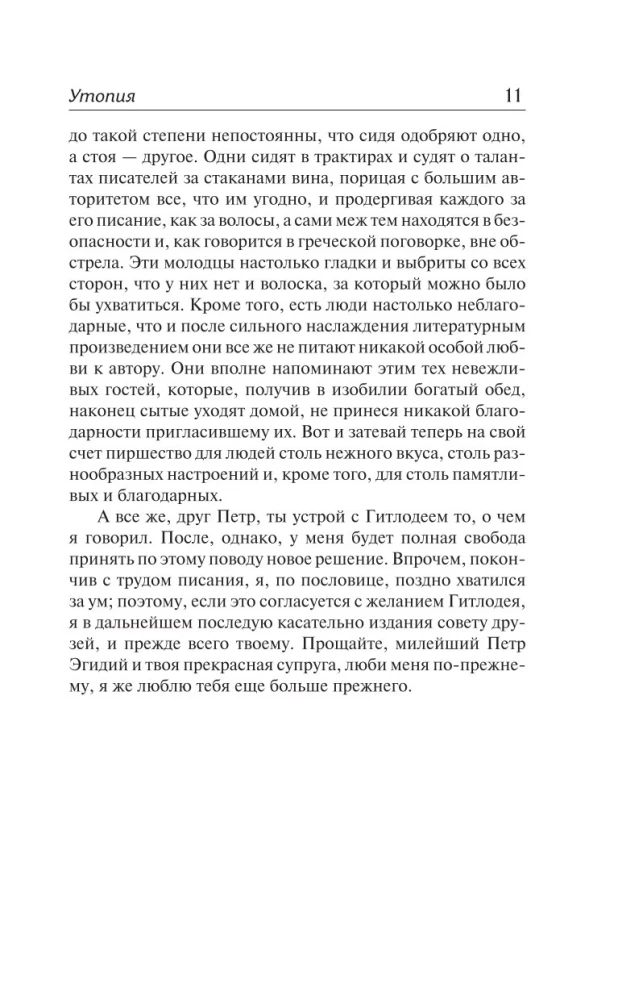
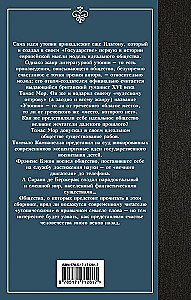
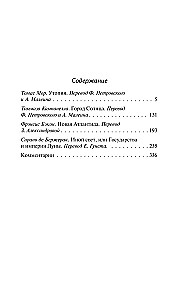
The very idea of utopia belongs to Plato, who created in his "Republic" the first model of an ideal society in the history of European thought. However, the genre of literary utopia – that is, a work describing a society...
perfectly happy from the author's point of view – is relatively young: its official father-creator is the outstanding British humanist of the 16th century, Thomas More. He also gifted his "wonderful island" (and the entire genre) the name "Utopia" – either from the Greek "good place" or from the Greek "place that does not exist."
How did the great dreamers of the distant past envision the ideal society?
Thomas More allowed the existence of slaves in his ideal society.
Tommaso Campanella presented eccentric ideas for state education of children to the shocked contemporaries.
Francis Bacon praised a society that put the achievements of science – from the "perpetual motion machine" to the telephone – at its service.
And Cyrano de Bergerac created a paradoxical and comical world inhabited by fantastic beings…
The societies that you will read about in this collection are unlikely to seem "utopian" in the usual sense of the word to the modern reader – but it will be all the more interesting to find out how happiness for humanity was envisioned many centuries ago.
How did the great dreamers of the distant past envision the ideal society?
Thomas More allowed the existence of slaves in his ideal society.
Tommaso Campanella presented eccentric ideas for state education of children to the shocked contemporaries.
Francis Bacon praised a society that put the achievements of science – from the "perpetual motion machine" to the telephone – at its service.
And Cyrano de Bergerac created a paradoxical and comical world inhabited by fantastic beings…
The societies that you will read about in this collection are unlikely to seem "utopian" in the usual sense of the word to the modern reader – but it will be all the more interesting to find out how happiness for humanity was envisioned many centuries ago.
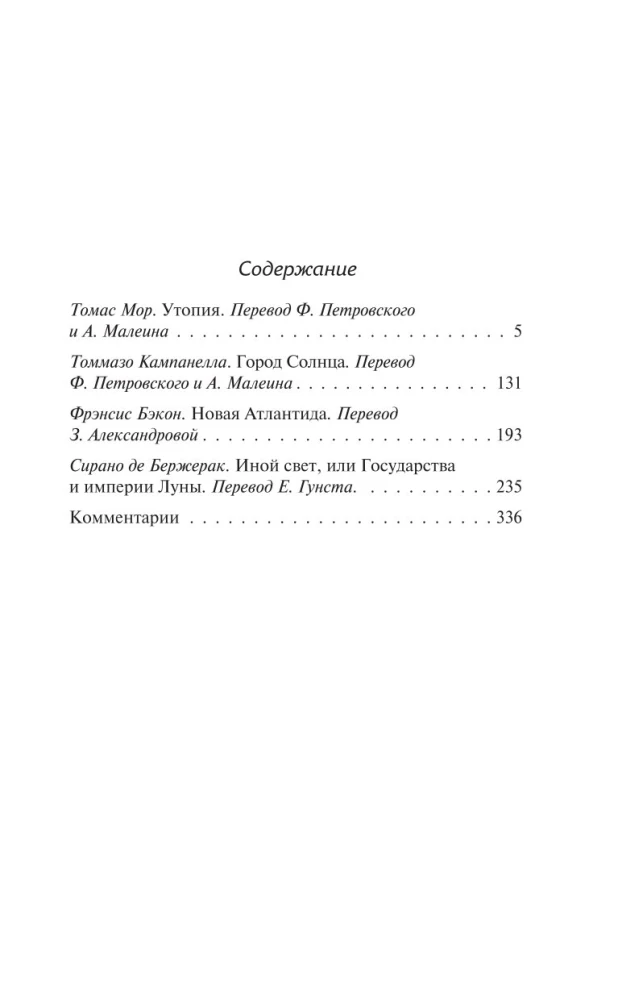
Author: Томас Мор, Томаззо Кампанелла, Фрэнсис Бэкон, Сирано де Бержерак
Printhouse: AST
Series: The Best World Classics
Age restrictions: 16+
Year of publication: 2024
ISBN: 9785171712617
Number of pages: 384
Size: 207x137x28 mm
Cover type: hard
Weight: 317 g
ID: 1698658
In stock
€ 5.29
Will be delivered to United States on 9 July (Th):
By courier
from € 38.94
Bestsellers















Publishers "AST" recommends



Bestseller
€ 12.39
In stock
Intensive Korean Language Course for Beginners
Анастасия Погадаева, Чун Ин Сун