


Huns. Huns in China
The history of nomadic peoples is a central theme in the early scientific work of Lev Gumilev. Being an expert in the East, he set the task of proving that the history of steppe nomads is no less interesting and...
exciting than the history of the ancient Greeks, Franks, or Crusaders. In the book about the Hunnic state, an incredible rise of the nomadic ethnos of the Huns in the 7th century BC is traced, which later grew into a complex of ethnic groups and a superethnos. The Huns were the first to unite the vast steppe expanses of Eurasia into a single state from the Yellow Sea to Lake Balhash, which was done a second time by the ancient Turks (the Great Turkic Kaganate), and then by the Mongols (the empire of Genghis Khan). The process was completed by the Russians, who created a vast empire from the Baltic Sea to the Pacific Ocean. But the Huns were the first.
Based on detailed Chinese chronicles, the author describes the twists and turns of Hunnic history and investigates how a small people managed to make such a grand leap, where their strength came from, how the Huns interacted with other peoples, subduing some by force, inviting others to cooperate, while resisting their eternal enemy - China.
In the book "Huns in China", it is shown how a small steppe people exhausted their strength in numerous wars and by the 5th century were absorbed by China, unable to withstand the allure of Chinese culture. As a result, only one small group of Huns remained, which migrated far to the west in the 2nd century, where, having mixed with the Ugric peoples, they formed a new nation known in Europe as the Huns.
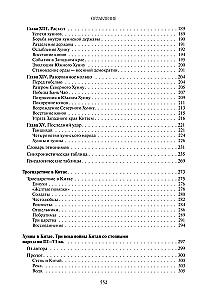
Additionally, the book includes the text of the chapter "The Three Kingdoms in China", which was not included in the first Soviet edition of the book "Huns in China".
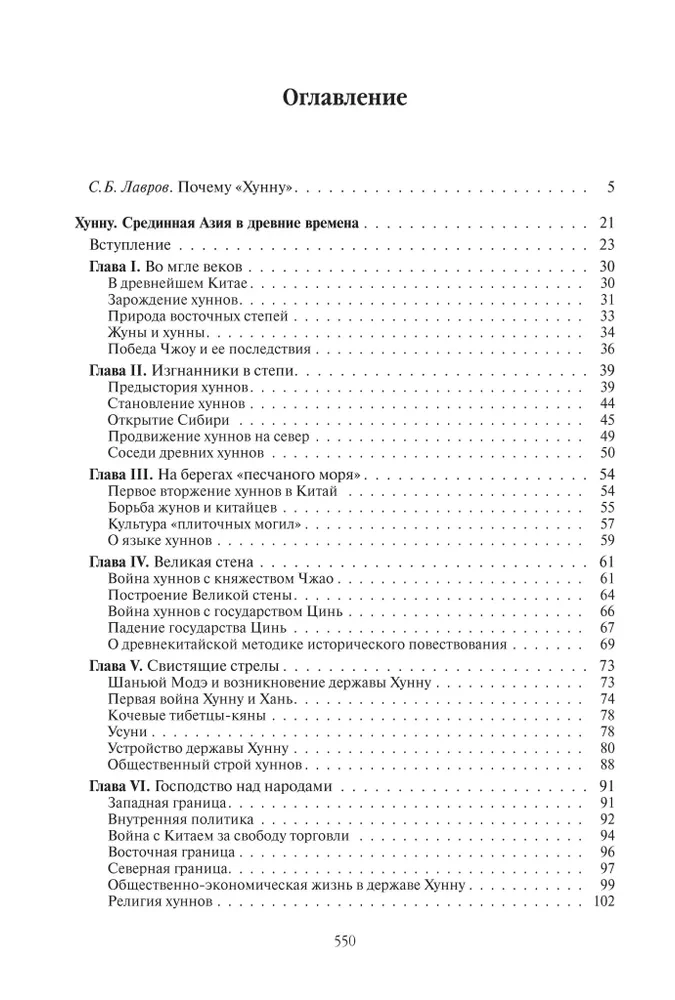
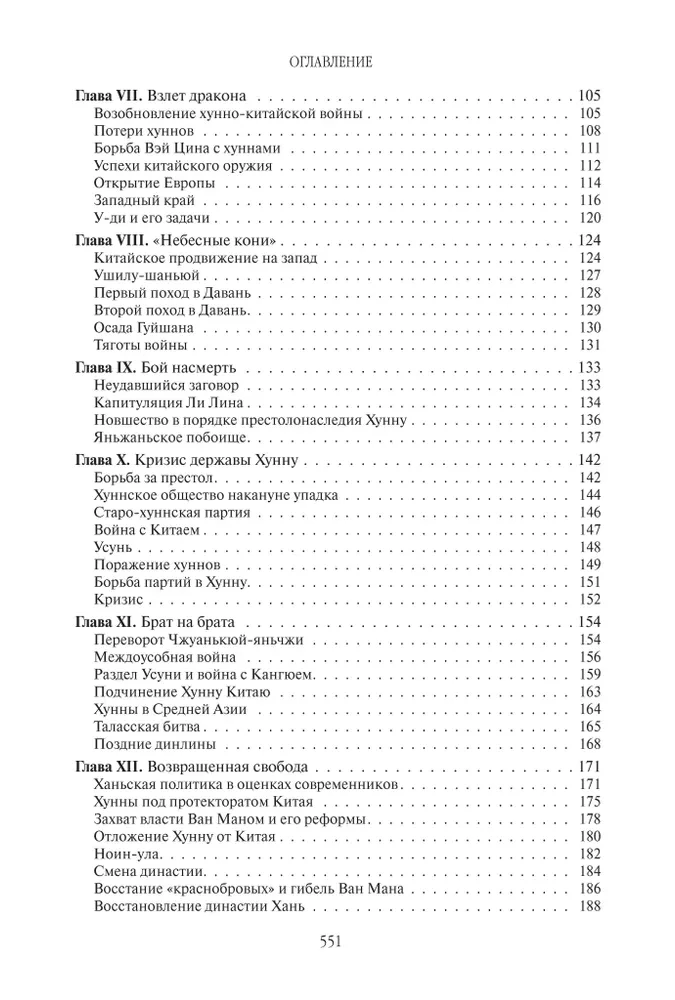
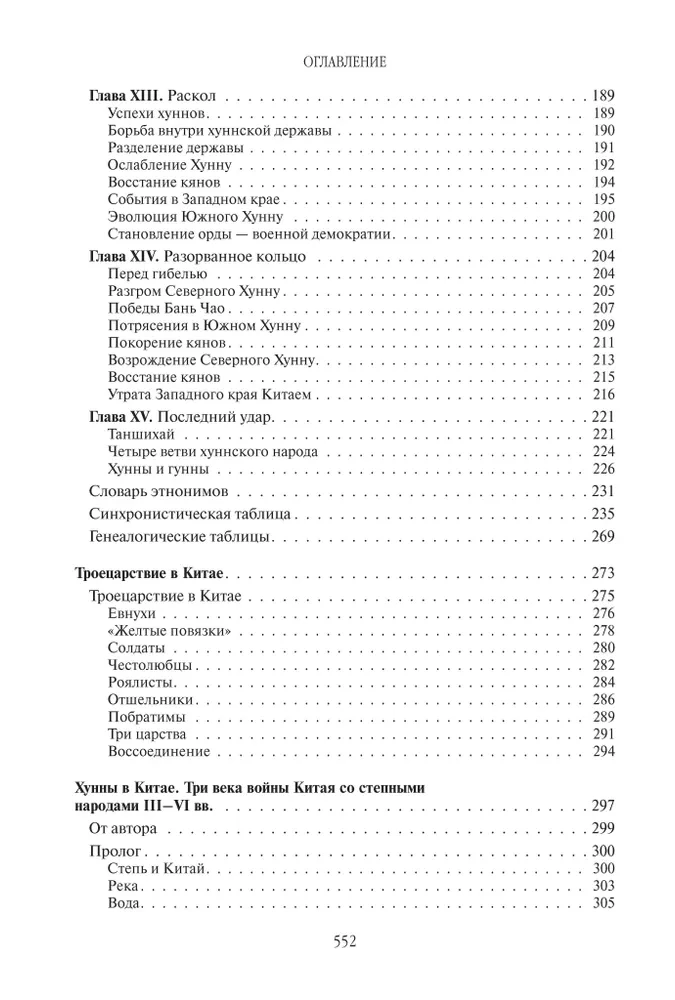
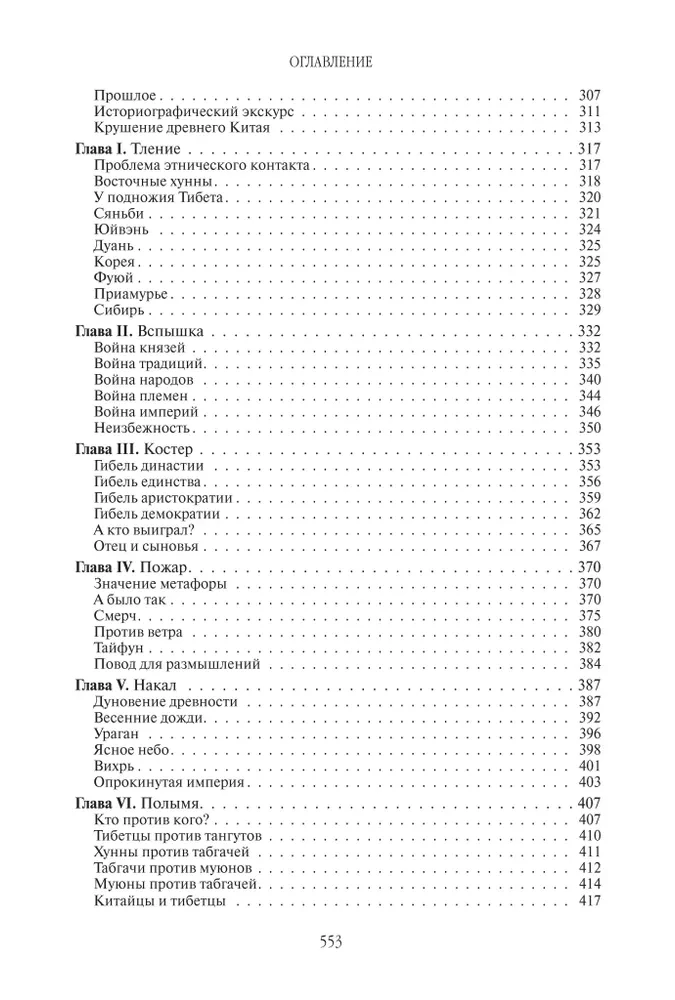
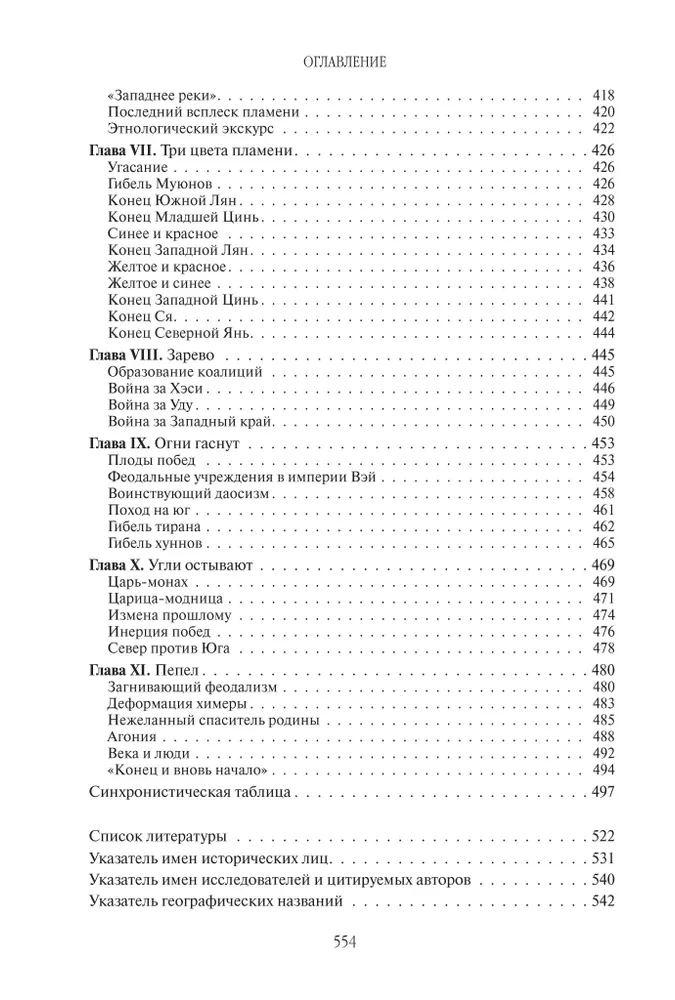
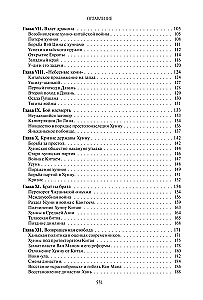
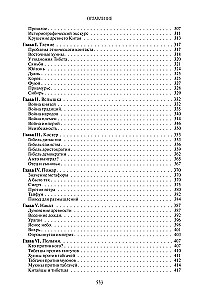
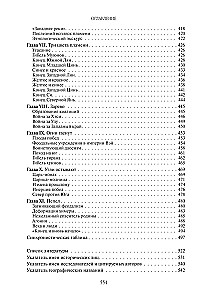
The author of the introductory article to the book by L.N. Gumilev "Huns. Huns in China" is Doctor of Geographical Sciences, Professor S.B. Lavrov. The book is equipped with a synchronistic table, a bibliography, an index of historical figures, an index of researchers and cited authors, and an index of geographical names .
Based on detailed Chinese chronicles, the author describes the twists and turns of Hunnic history and investigates how a small people managed to make such a grand leap, where their strength came from, how the Huns interacted with other peoples, subduing some by force, inviting others to cooperate, while resisting their eternal enemy - China.
In the book "Huns in China", it is shown how a small steppe people exhausted their strength in numerous wars and by the 5th century were absorbed by China, unable to withstand the allure of Chinese culture. As a result, only one small group of Huns remained, which migrated far to the west in the 2nd century, where, having mixed with the Ugric peoples, they formed a new nation known in Europe as the Huns.
Additionally, the book includes the text of the chapter "The Three Kingdoms in China", which was not included in the first Soviet edition of the book "Huns in China".
The author of the introductory article to the book by L.N. Gumilev "Huns. Huns in China" is Doctor of Geographical Sciences, Professor S.B. Lavrov. The book is equipped with a synchronistic table, a bibliography, an index of historical figures, an index of researchers and cited authors, and an index of geographical names .
Author: Лев Гумилев
Printhouse: Akademicheskii proekt
Age restrictions: 16+
Year of publication: 2025
ISBN: 9785829143244
Number of pages: 554
Size: 220х155х27 mm
Cover type: hard
Weight: 690 g
ID: 1698610
In stock
€ 22.99
Will be delivered to United States on 7 July (Tu):
By courier
from € 38.94
Bestsellers











€ 5.19
In stock

€ 9.29
In stock
Choice. On the Freedom and Inner Strength of a Person
Эдит Ева Эгер, Эсме Швалль-Вейганд