


What the Photograph Remains Silent About: How Modern Postmortems Help Us Live
What do you imagine when you hear "post-mortem photography"? Scary pictures of dressed-up corpses from the Victorian era? Or accidentally found cards from rural funerals? Each of us has encountered this phenomenon, often questioning: why is this even necessary? The...
author of this book, Lisa Svetlova, not only discusses the history of post-mortem photography but also its present, explaining how through such practices we learn not to fear death, but to accept it and come to terms with the loss of loved ones.
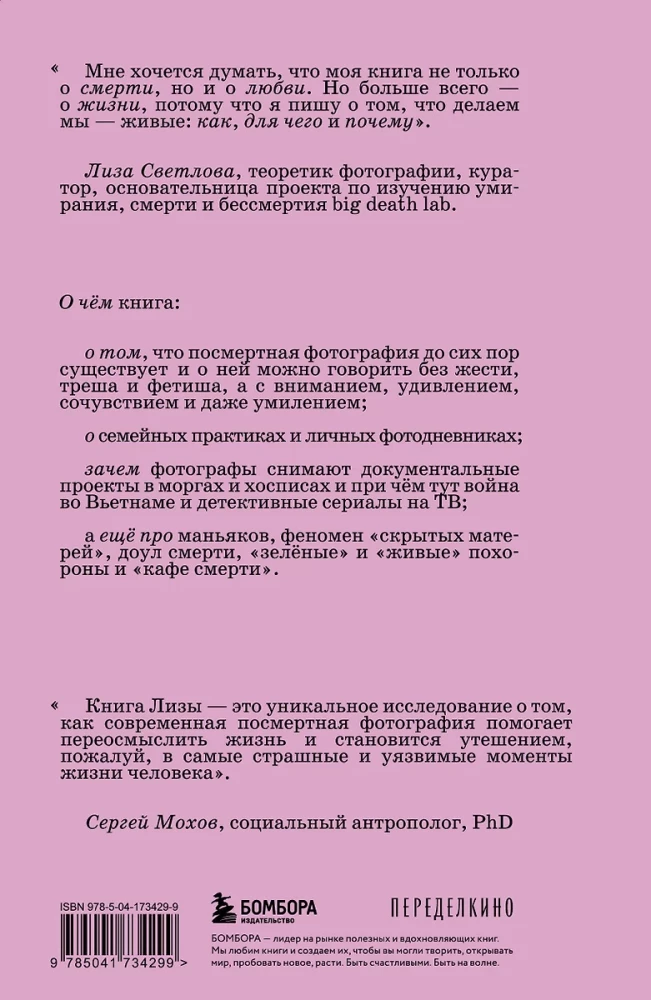
What this book is about:
- that modern postmortems exist, and they can be discussed without gore, trash, and fetishism, but with attention, amazement, empathy, and even endearment;
- about family practices, personal photo diaries, postmortem blogs, and how they help cope with the departure of a loved one;
- about how the fashion industry aestheticizes the image of death and why decay, illness, and the departure of "superheroes" help accept one's own old age and finitude;
- why photographers are shooting documentary projects in morgues and hospices and what the Vietnam War and detective series on TV have to do with it;
- and also about maniacs, the phenomenon of "hidden mothers", death doulas, "green" and "living" funerals, and "death cafes".
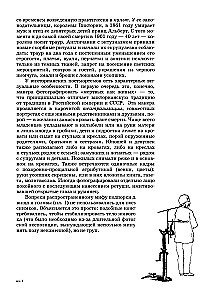
In the book, you will find not only all the relevant research but also self-help instructions for coping with the loss of loved ones and personal stories and global experiences of researchers and photographers involved in postmortems. Some of the photographs inside are provided by the author herself, while others were sent by people who shared their experiences of grieving.
About the author: Lisa Svetlova, photography theorist, curator, founder of the project studying dying, death, and immortality big death lab
What this book is about:
- that modern postmortems exist, and they can be discussed without gore, trash, and fetishism, but with attention, amazement, empathy, and even endearment;
- about family practices, personal photo diaries, postmortem blogs, and how they help cope with the departure of a loved one;
- about how the fashion industry aestheticizes the image of death and why decay, illness, and the departure of "superheroes" help accept one's own old age and finitude;
- why photographers are shooting documentary projects in morgues and hospices and what the Vietnam War and detective series on TV have to do with it;
- and also about maniacs, the phenomenon of "hidden mothers", death doulas, "green" and "living" funerals, and "death cafes".
In the book, you will find not only all the relevant research but also self-help instructions for coping with the loss of loved ones and personal stories and global experiences of researchers and photographers involved in postmortems. Some of the photographs inside are provided by the author herself, while others were sent by people who shared their experiences of grieving.
About the author: Lisa Svetlova, photography theorist, curator, founder of the project studying dying, death, and immortality big death lab
Author: Лиза Светлова
Printhouse: Eksmo
Series: Visual Code: Social Narratives in Stories and Photographs
Age restrictions: 18+
Year of publication: 2024
ISBN: 9785041734299
Number of pages: 144
Size: 200x145x11 mm
Cover type: мягкая
Weight: 222 g
ID: 1695437
In stock
€ 10.59
Will be delivered to United States on 22 July (We):
By courier
from € 38.94
Bestsellers




€ 5.19
In stock

€ 7.59
In stock
Choice. On the Freedom and Inner Strength of a Person
Эдит Ева Эгер, Эсме Швалль-Вейганд
€ 14.09
In stock
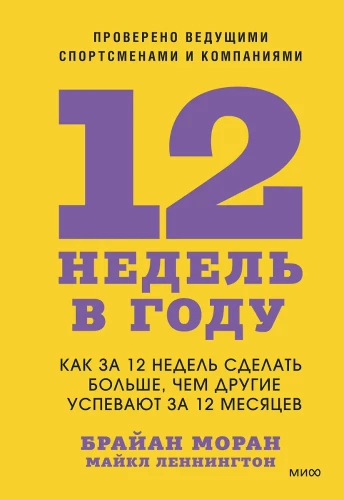
12 Weeks in a Year. How to Achieve More in 12 Weeks Than Others Do in 12 Months
Майкл Леннингтон, Брайан Моран