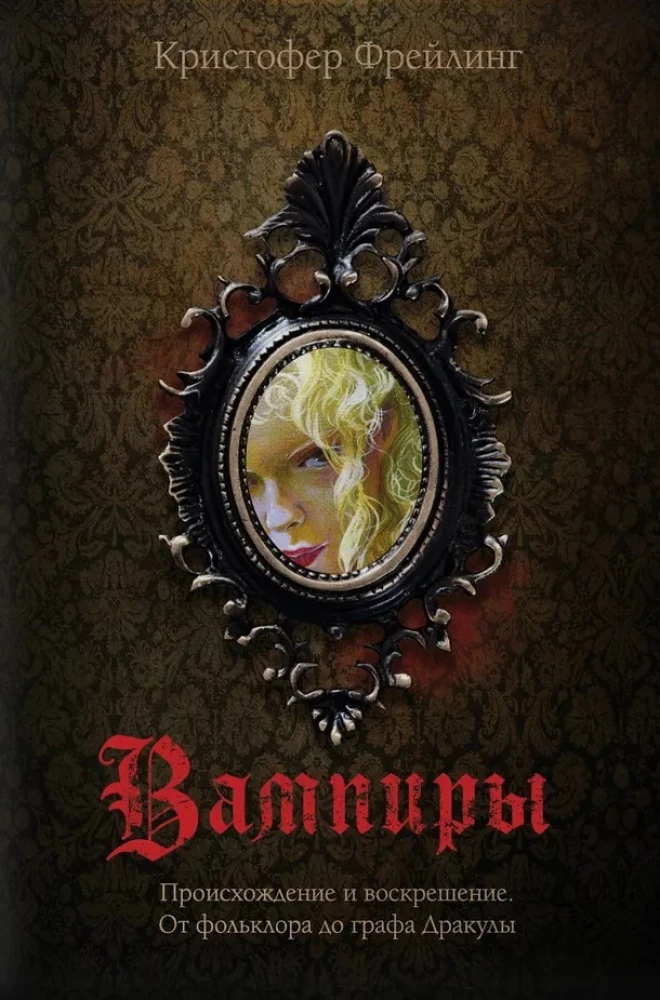
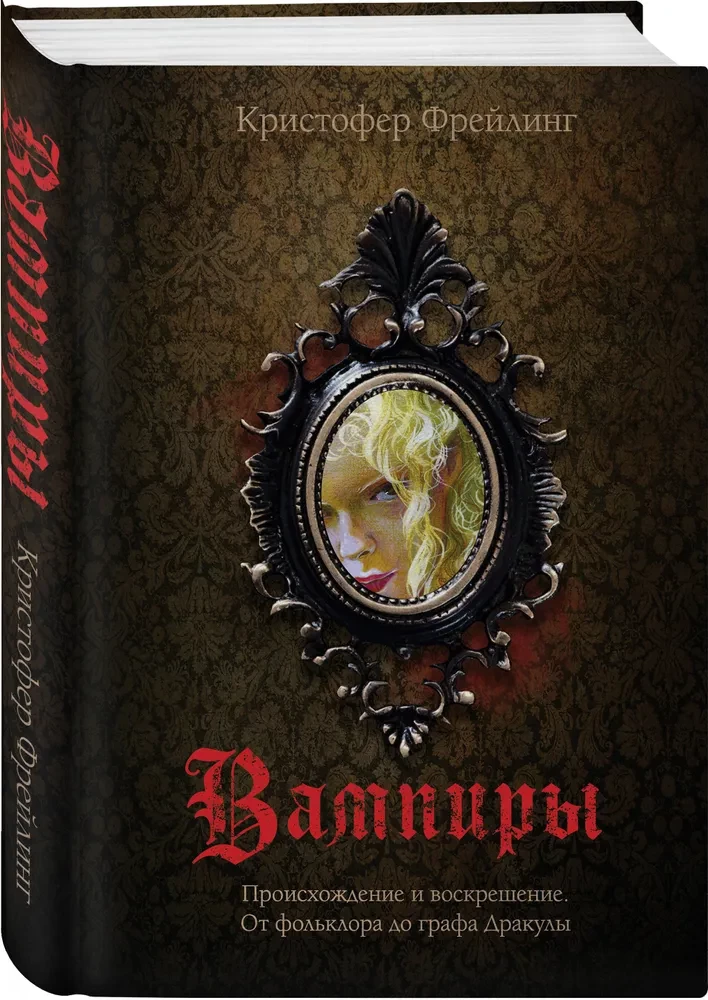
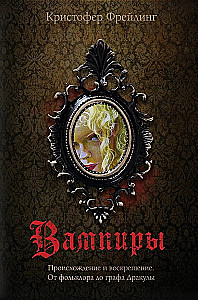
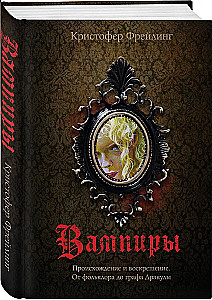
Vampires. Origin and Resurrection. From Folklore to Count Dracula
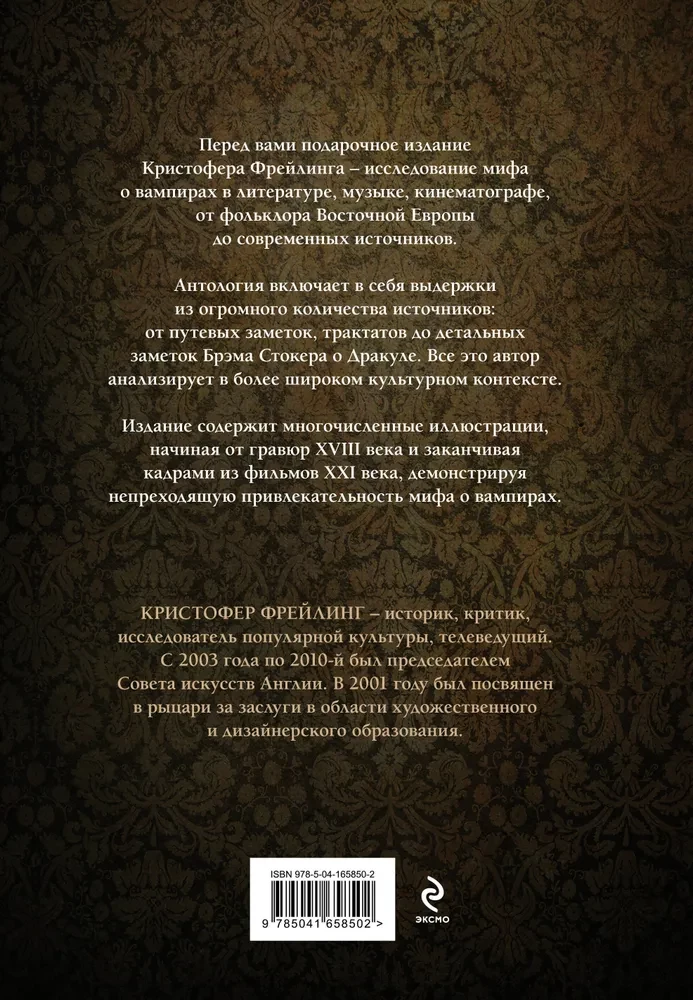
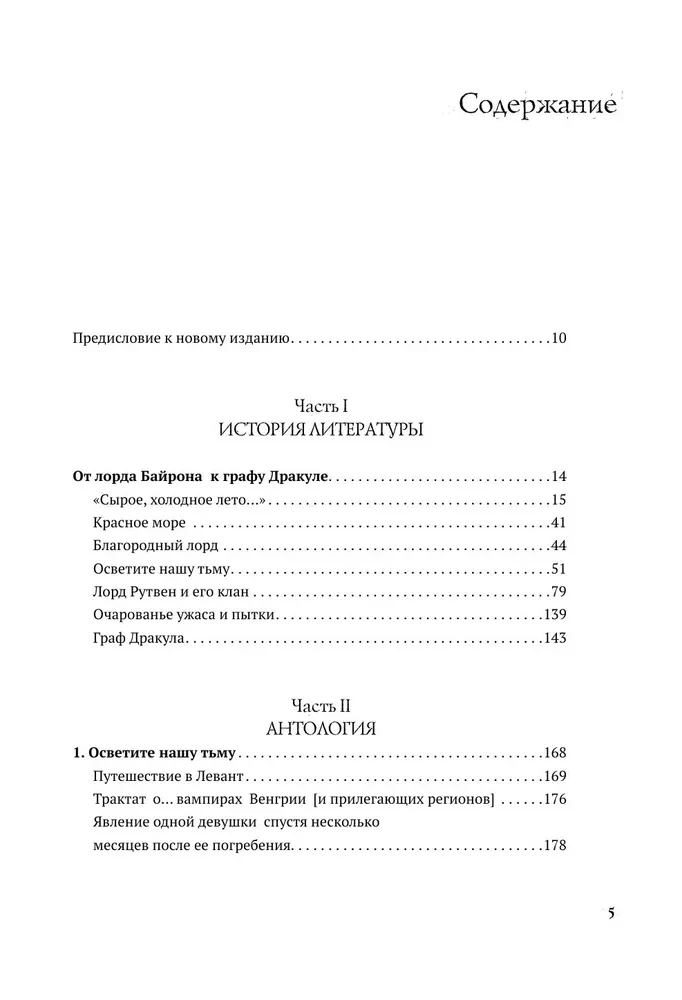
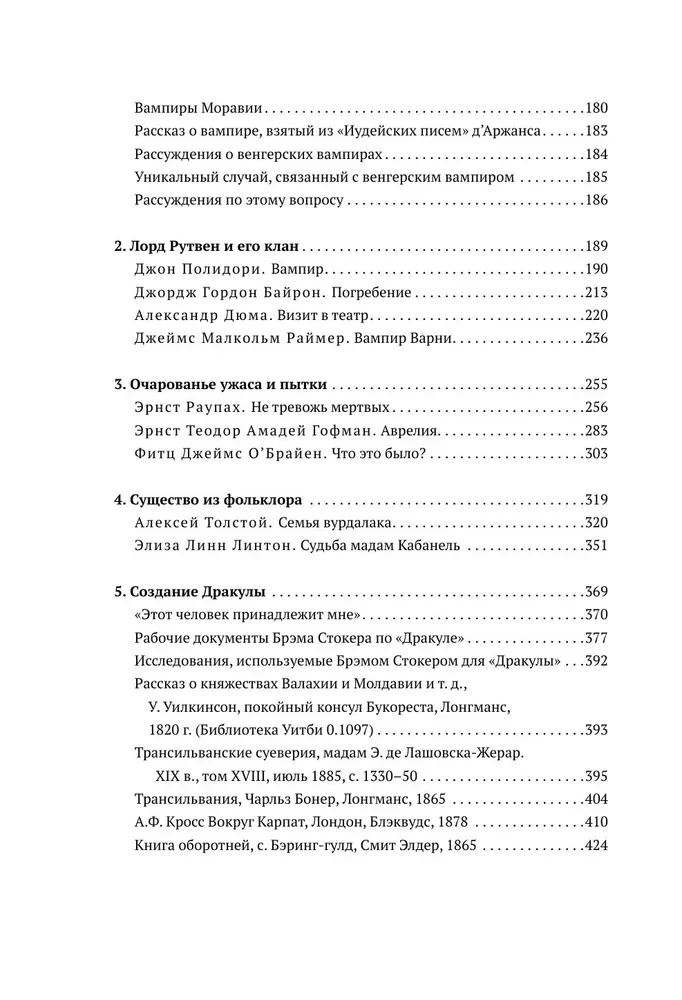
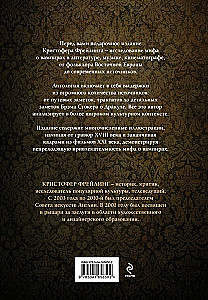
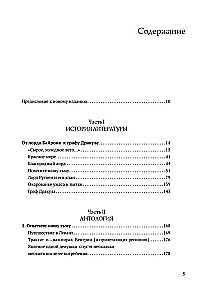
The history of vampires traces back to the Eastern European villages of the 18th century, when rumors of bodies rising from the dead swept across Europe and caused mass hysteria. From the earliest stories of vampirism, Christopher Frayling explores how...
and why vampires became one of the most enduring figures in mass culture history. How peasant vampires, described by Joseph Pitton de Tournefort and Dom Augustin Calmet, that is, folkloric vampires that attacked sheep and cows, transformed into aristocratic anti-hero villains of the romantics.
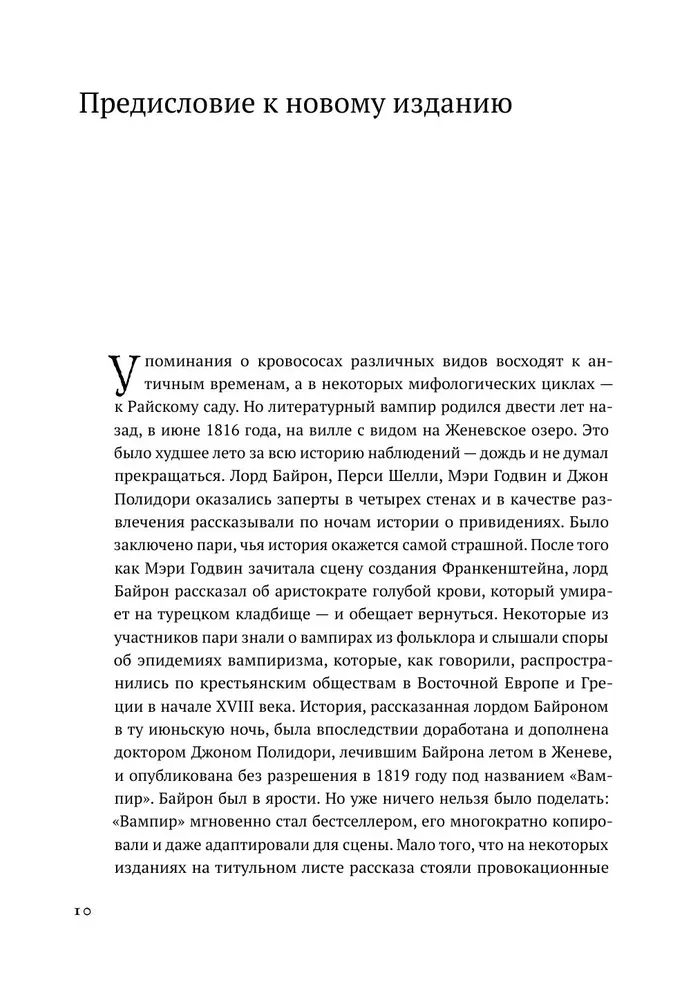
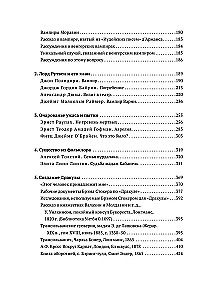
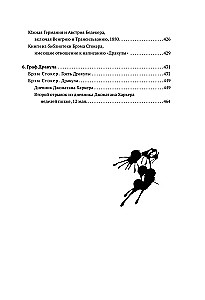
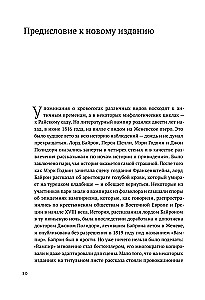
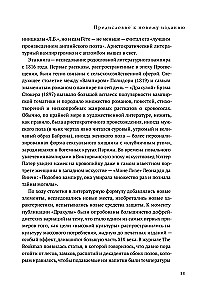
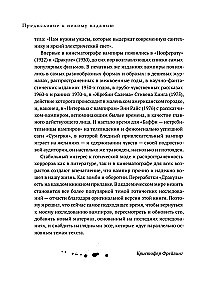
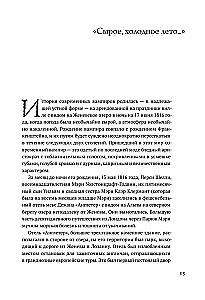
He traces the lineage of the literary vampire back to 1816: the story of modern vampires was born – in the proper oral form – at a rented villa overlooking Lake Geneva on the night of June 17, 1816, when the weather was unusually damp and the atmosphere unusually heated. That day at Villa Diodati gathered Lord Byron, John Polidori, Percy Shelley, Mary Shelley, to tell invented ghost stories, but as a result that evening saw the emergence of the literary vampire and Frankenstein. The author then discusses the works that were written between Polidori's "The Vampire" (1819) and perhaps the most famous vampire of all time, Stoker's "Dracula" (1897).
The author of the book, Sir Christopher Frayling, is a cultural historian, author of numerous publications on various topics, from xenophobia to westerns. He also served as rector of the Royal College of Arts in London from 1996 to 2009, where he remains an honorary professor of cultural history to this day.
He traces the lineage of the literary vampire back to 1816: the story of modern vampires was born – in the proper oral form – at a rented villa overlooking Lake Geneva on the night of June 17, 1816, when the weather was unusually damp and the atmosphere unusually heated. That day at Villa Diodati gathered Lord Byron, John Polidori, Percy Shelley, Mary Shelley, to tell invented ghost stories, but as a result that evening saw the emergence of the literary vampire and Frankenstein. The author then discusses the works that were written between Polidori's "The Vampire" (1819) and perhaps the most famous vampire of all time, Stoker's "Dracula" (1897).
The author of the book, Sir Christopher Frayling, is a cultural historian, author of numerous publications on various topics, from xenophobia to westerns. He also served as rector of the Royal College of Arts in London from 1996 to 2009, where he remains an honorary professor of cultural history to this day.
Author: Кристофер Фрейлинг
Printhouse: Eksmo
Series: Gift Edition. Famous Classics with Illustrations
Age restrictions: 16+
Year of publication: 2024
ISBN: 9785041658502
Number of pages: 480
Size: 242x172x34 mm
Cover type: твердая
Weight: 940 g
ID: 1690754
Sold out
€ 23.29
Sold out
€ 23.29
Bestsellers


€ 5.19
In stock

€ 9.29
In stock
Choice. On the Freedom and Inner Strength of a Person
Эдит Ева Эгер, Эсме Швалль-Вейганд
Publishers "Eksmo" recommends






Bestseller
€ 14.29
In stock
Stroke, Love, Praise. An Engaging Guide to Raising a Dog
Анастасия Бобкова