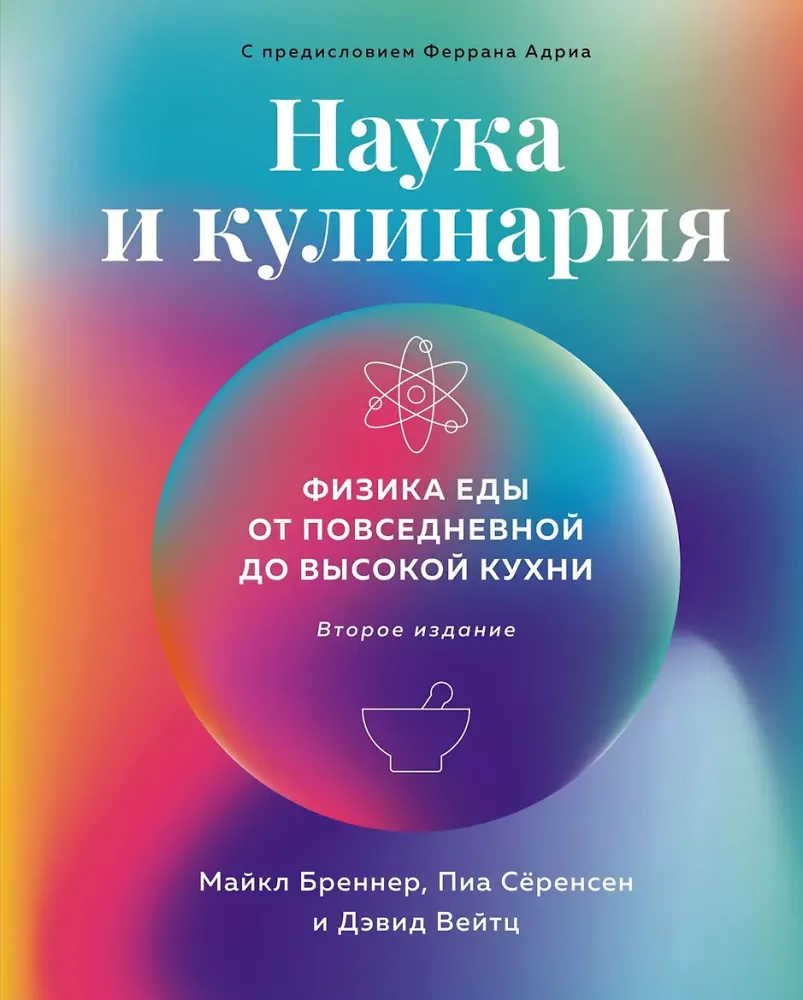
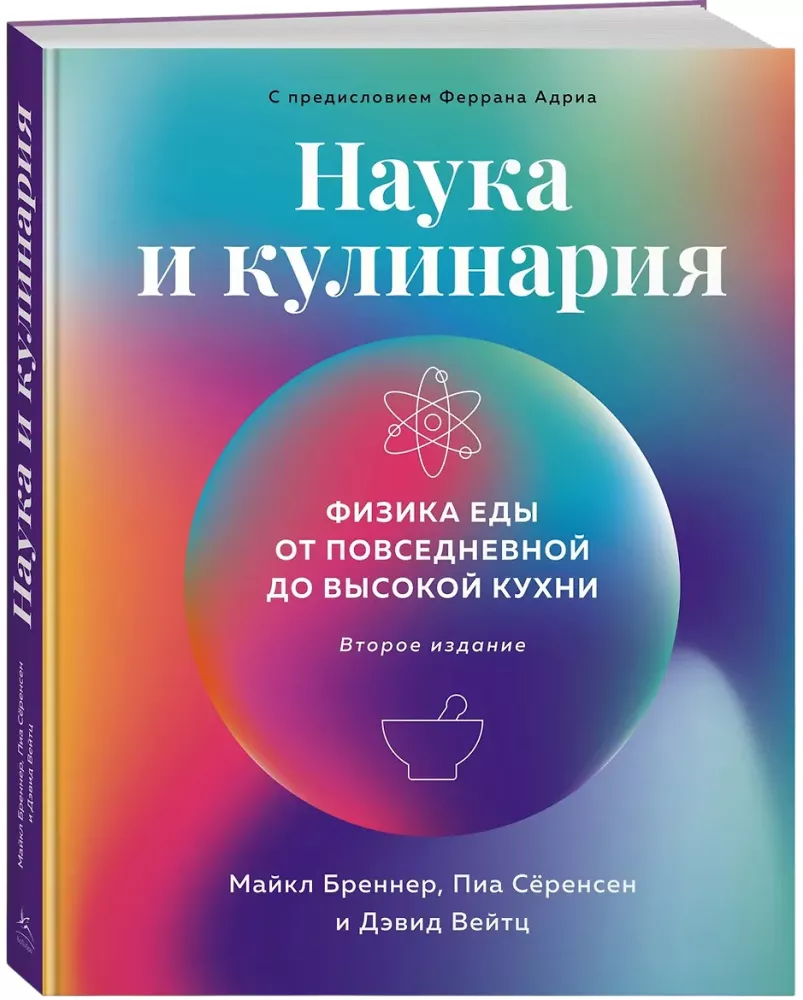
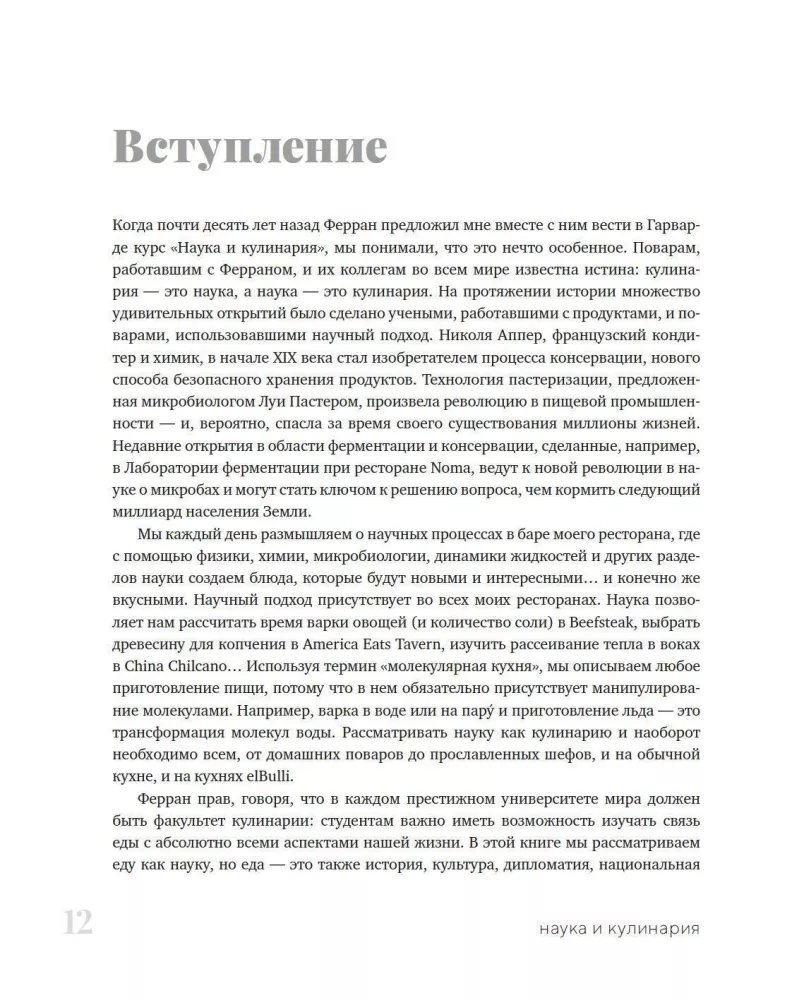
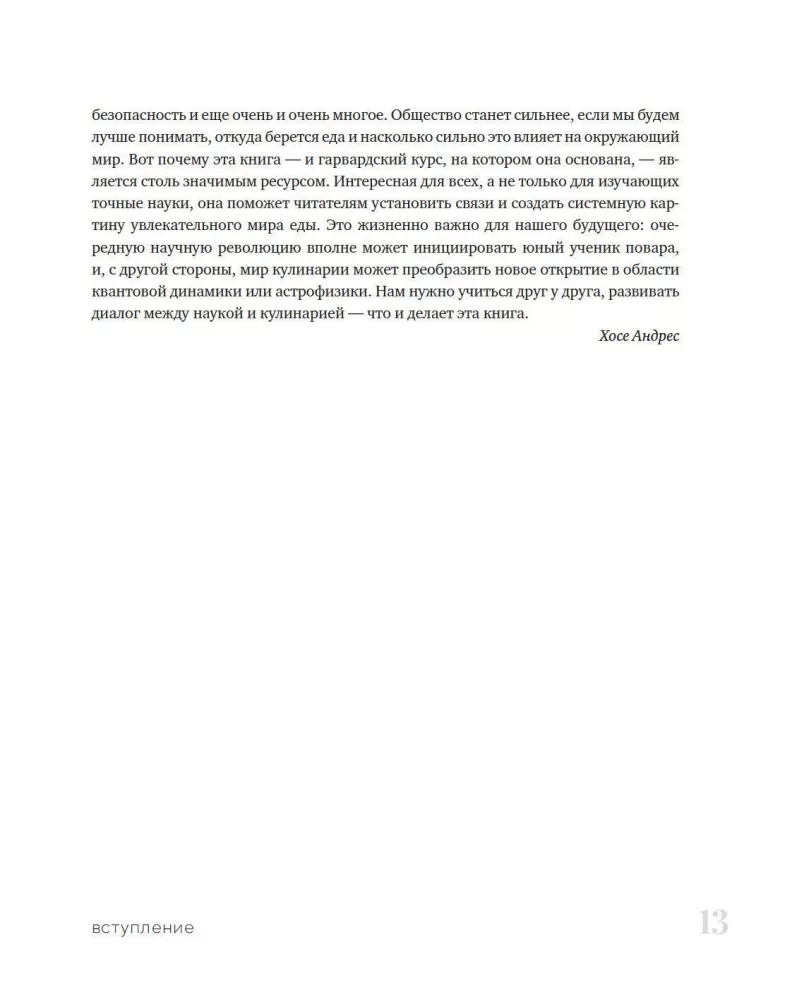
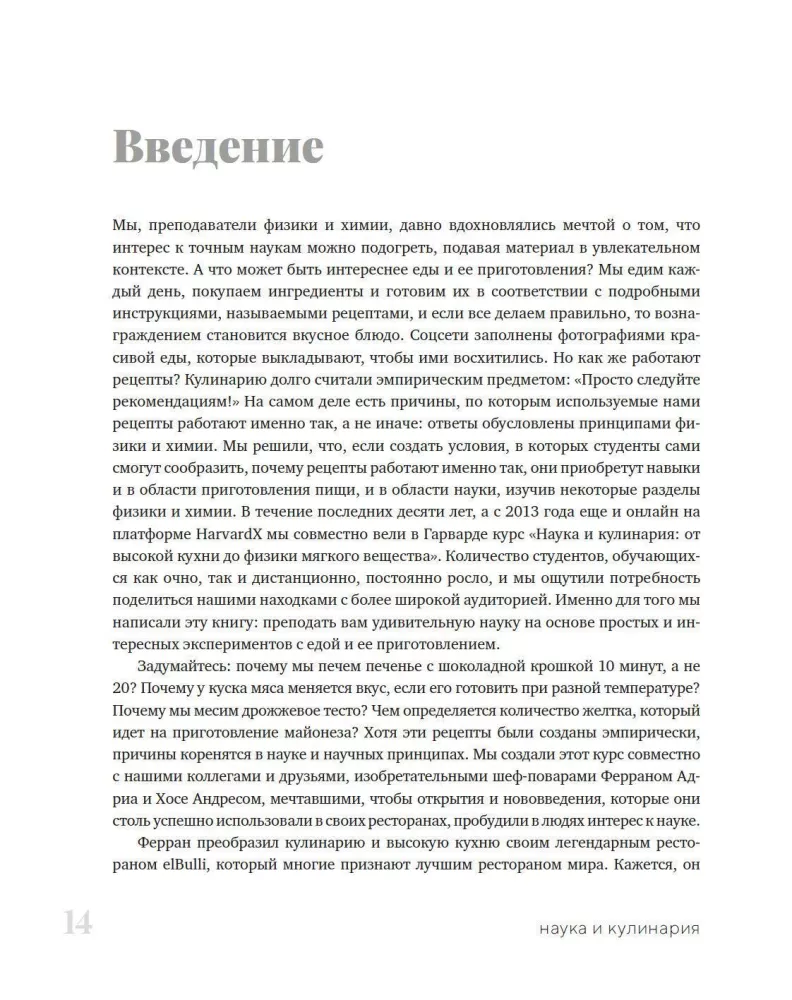
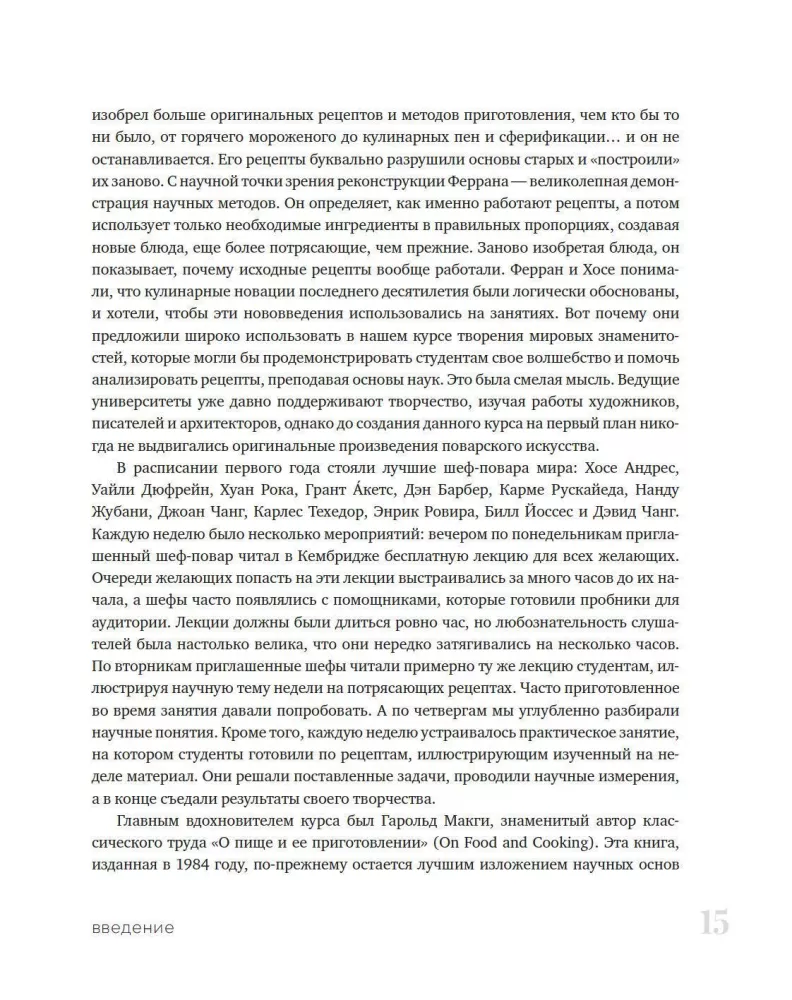
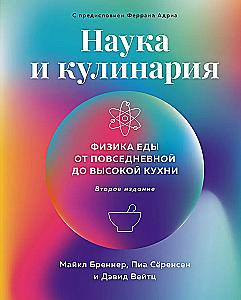
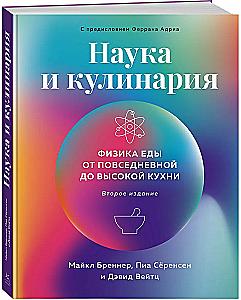
Science and Cuisine: The Physics of Food. From Everyday to Haute Cuisine
Every time you step into the kitchen to prepare something, you become not just a cook, a professional or an amateur, but also an experimenter, changing the physicochemical properties of food. After all, all the main processes of culinary food...
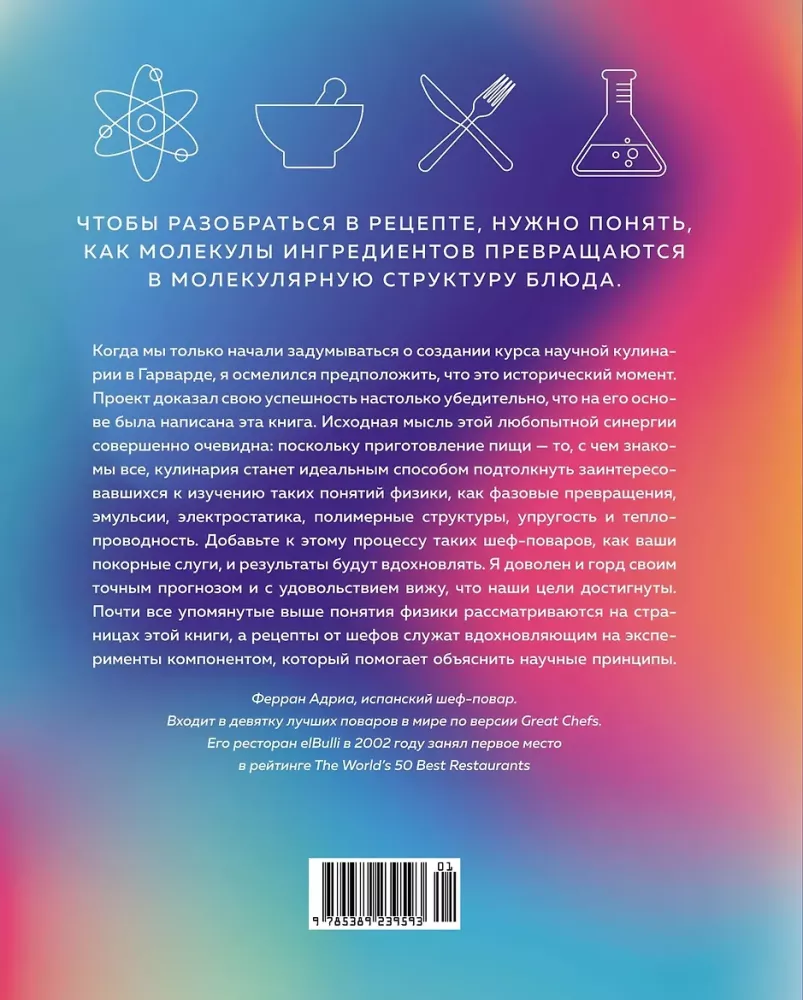
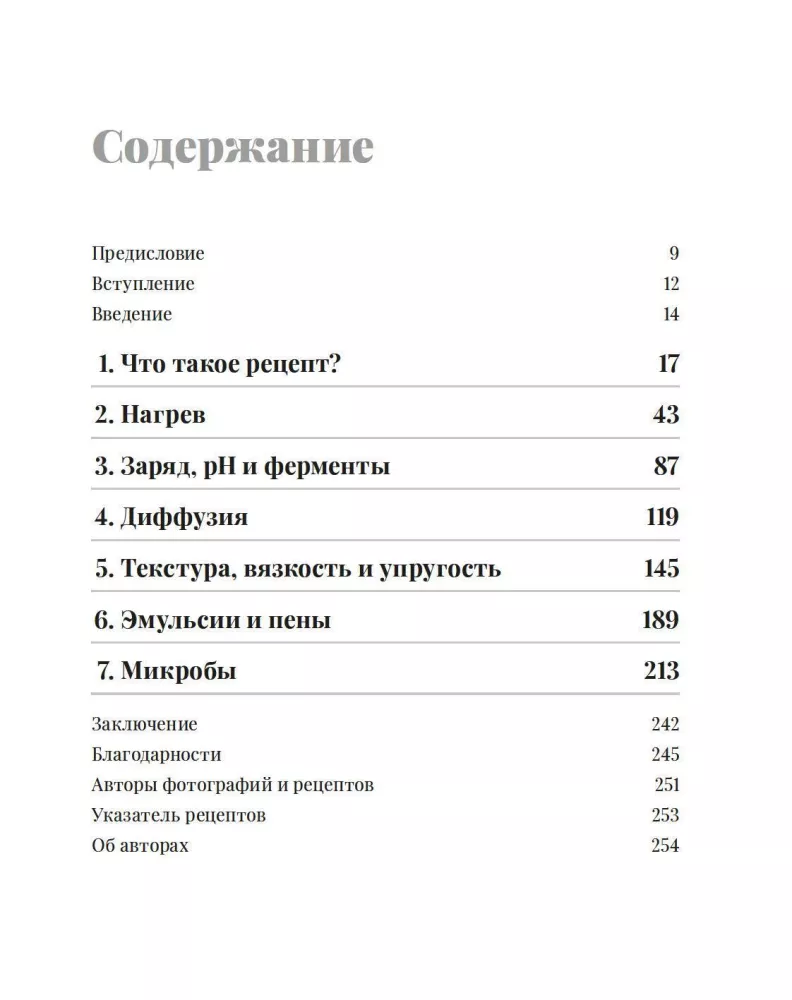
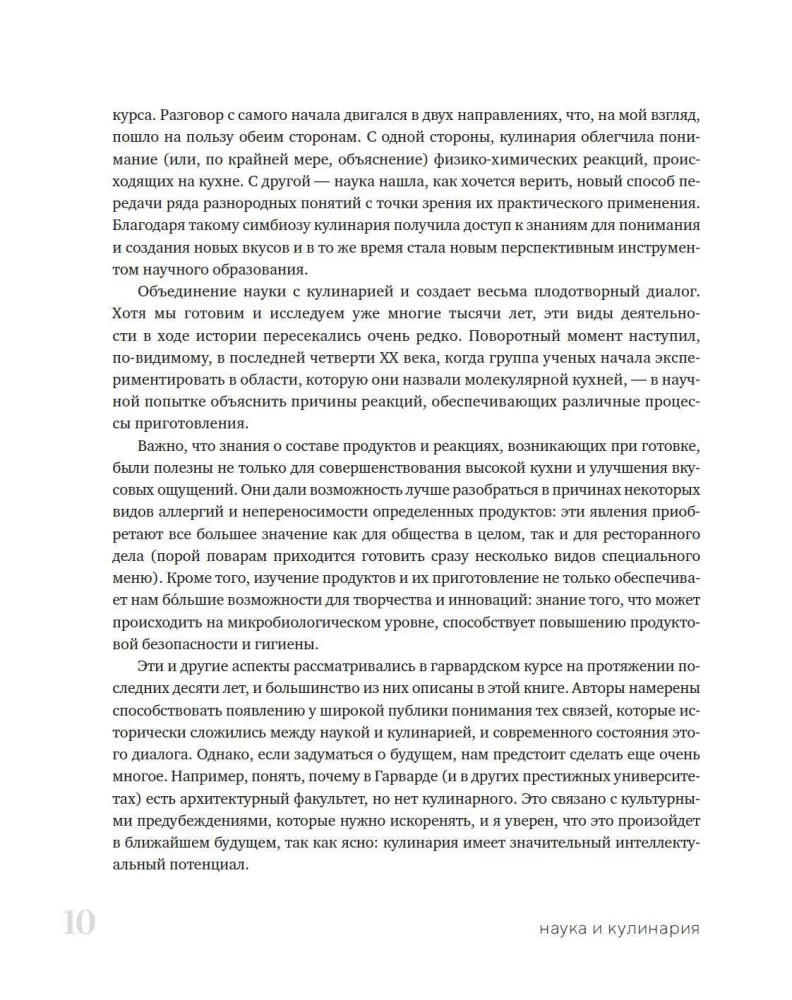
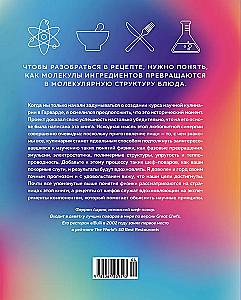
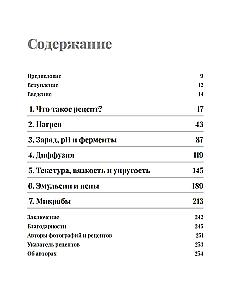
processing, whether boiling, frying, baking, canning, fermenting, and others, have a scientific explanation, and the concept of "tasty" is not just an expression of emotions but an assessment of the balance of a dish and how correctly, skillfully, and thoroughly its components are processed at the macro and micro levels. And for the most curious practitioners, those who like to dig to the essence, there is a great opportunity to enhance their theoretical training and confirm that cooking is not just a science, but an exact science. Heating, fermentation, diffusion, phase transitions, emulsification, electrostatics, denaturation, pH transformations… What exactly happens to what you cook in a pot, on a pan, in an oven or in a fermentation vat is interestingly and accessibly described in the second edition of a book by esteemed Harvard scientists who pay attention not only to traditional, mass-produced, but also to innovative products and materials present in the modern kitchen (foams, emulsions, gels, and others).
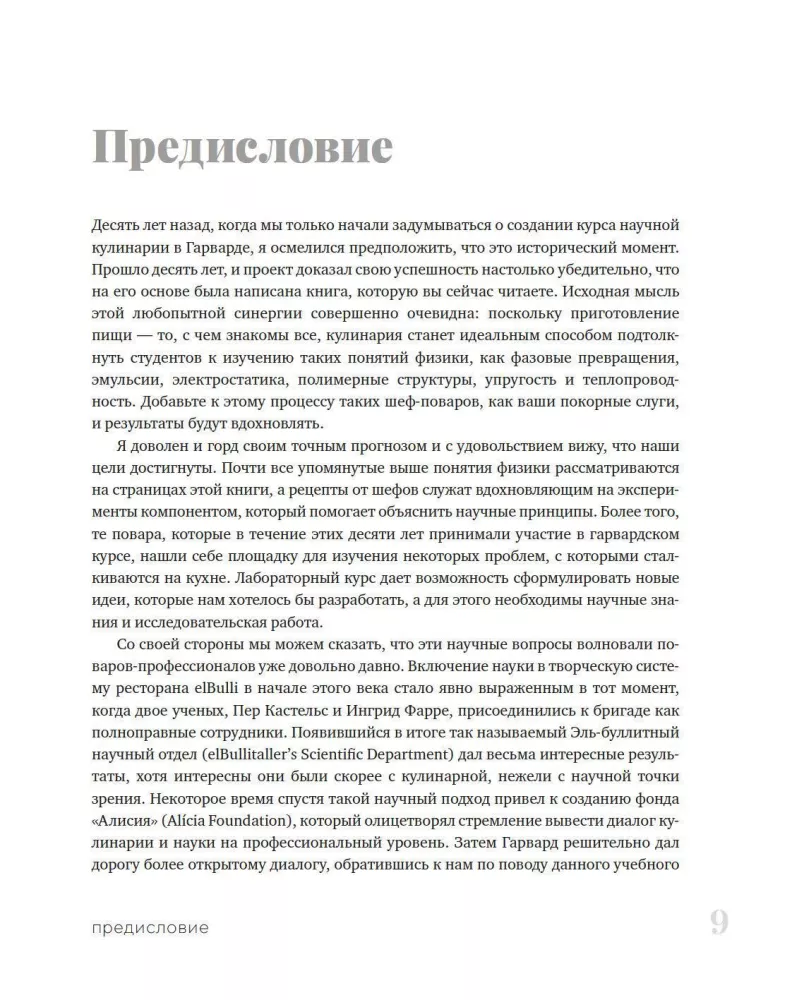
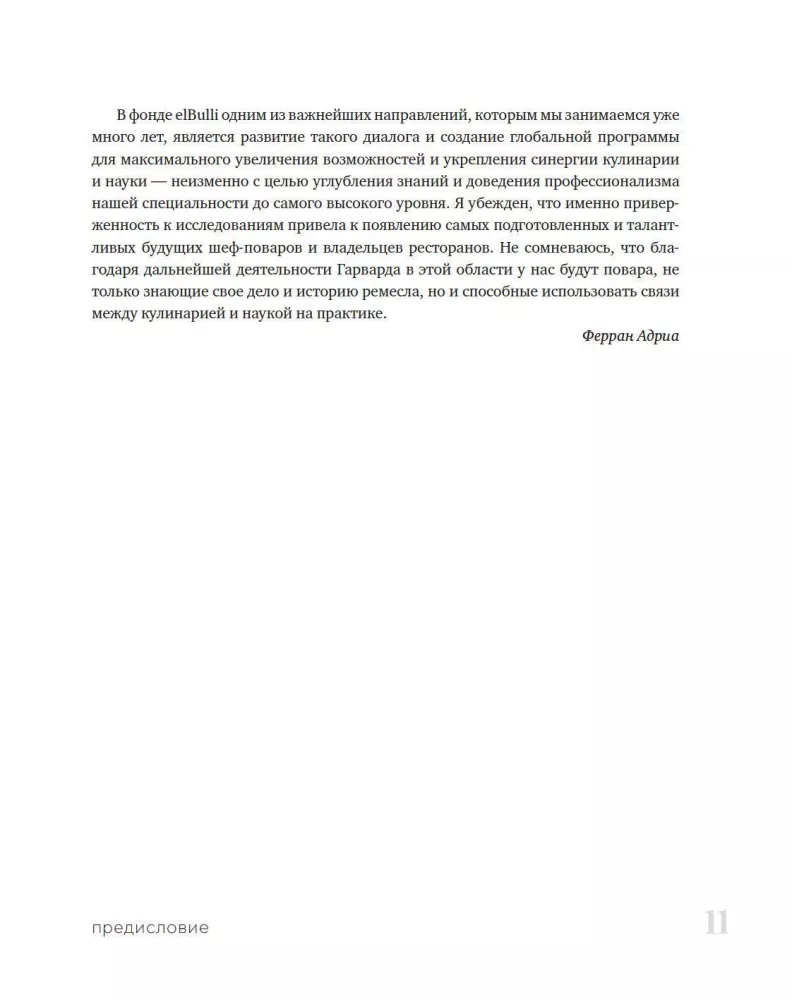
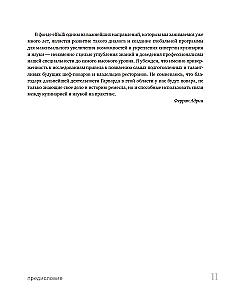
"In this book, we look at food as a science, but food is also history, culture, diplomacy, national security, and much, much more… Interesting for everyone, not just those studying the exact sciences, this book will help readers establish connections and create a systemic picture of the fascinating world of food."
José Andrés, American chef. Winner of the "Chef of the Year 2009" award, "Outstanding Chef" by the James Beard Foundation and the "Man of the Year 2009" award by GQ magazine
"In this book, we look at food as a science, but food is also history, culture, diplomacy, national security, and much, much more… Interesting for everyone, not just those studying the exact sciences, this book will help readers establish connections and create a systemic picture of the fascinating world of food."
José Andrés, American chef. Winner of the "Chef of the Year 2009" award, "Outstanding Chef" by the James Beard Foundation and the "Man of the Year 2009" award by GQ magazine
Author: Майкл Бреннер, Пиа Сёренсен, Дэвид Вейтц
Printhouse: Azbuka
Series: Haute Cuisine
Age restrictions: 16+
Year of publication: 2023
ISBN: 9785389239593
Number of pages: 256
Size: 237x192x20 mm
Cover type: hard
Weight: 686 g
ID: 1669753
In stock
€ 18.09
Will be delivered to United States on 28 September (Mo):
By courier
from € 38.94
Bestsellers




€ 13.29
In stock
12 Weeks in a Year. How to Achieve More in 12 Weeks Than Others Do in 12 Months
Майкл Леннингтон, Брайан Моран


€ 7.89
In stock
Choice. On the Freedom and Inner Strength of a Person
Эдит Ева Эгер, Эсме Швалль-Вейганд


€ 5.29
In stock
€ 14.99
In stock
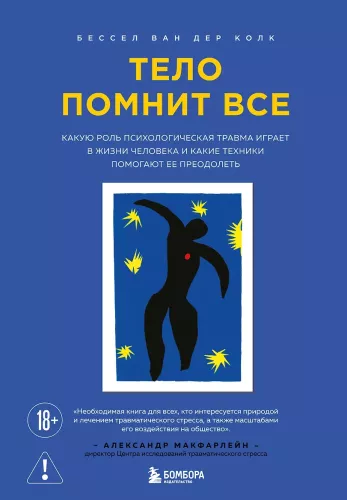
The Body Remembers Everything: The Role of Psychological Trauma in a Person's Life and Techniques to Overcome It
Бессел ван дер Колк

€ 6.99
In stock