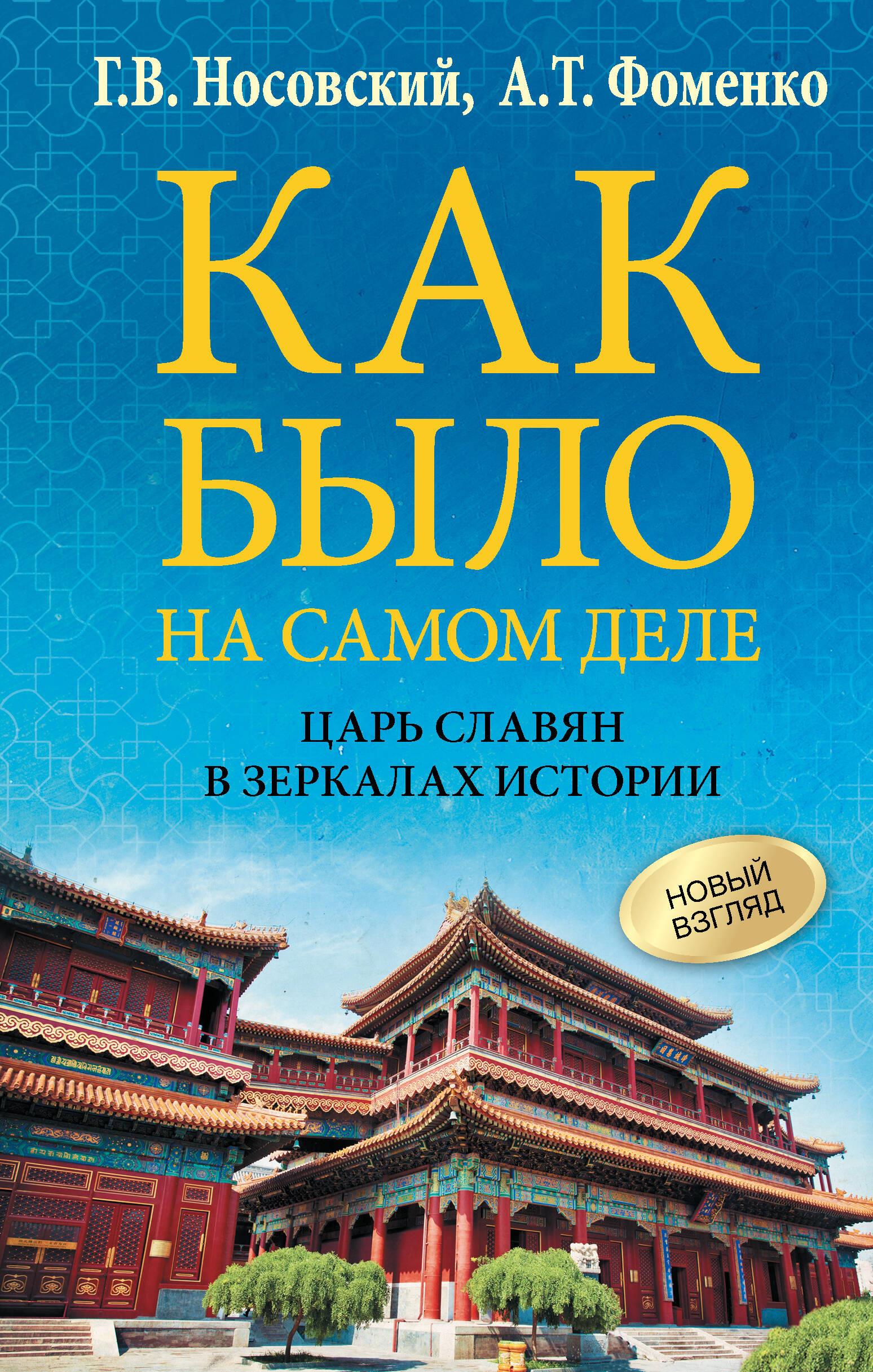
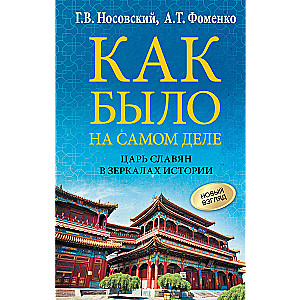
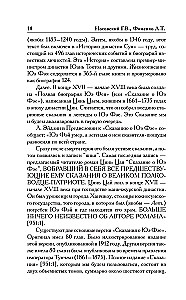
How It Really Was. The Tsar of Slavs in the Mirrors of History
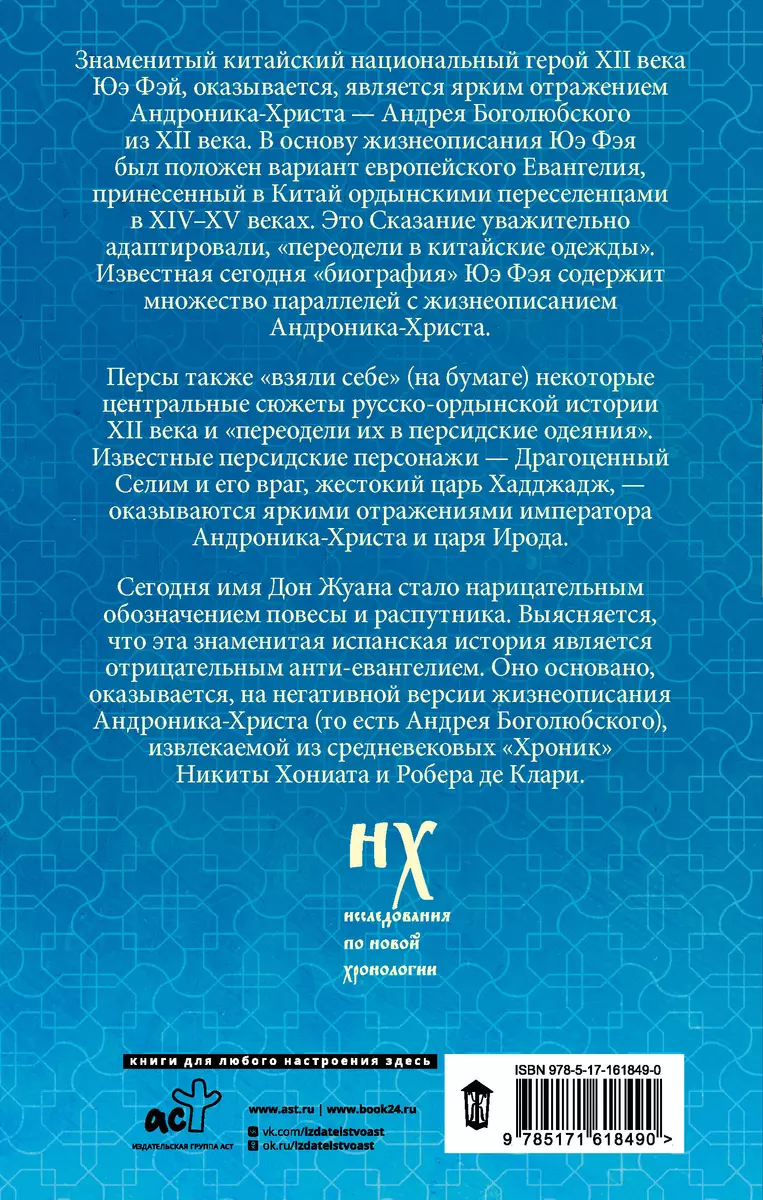
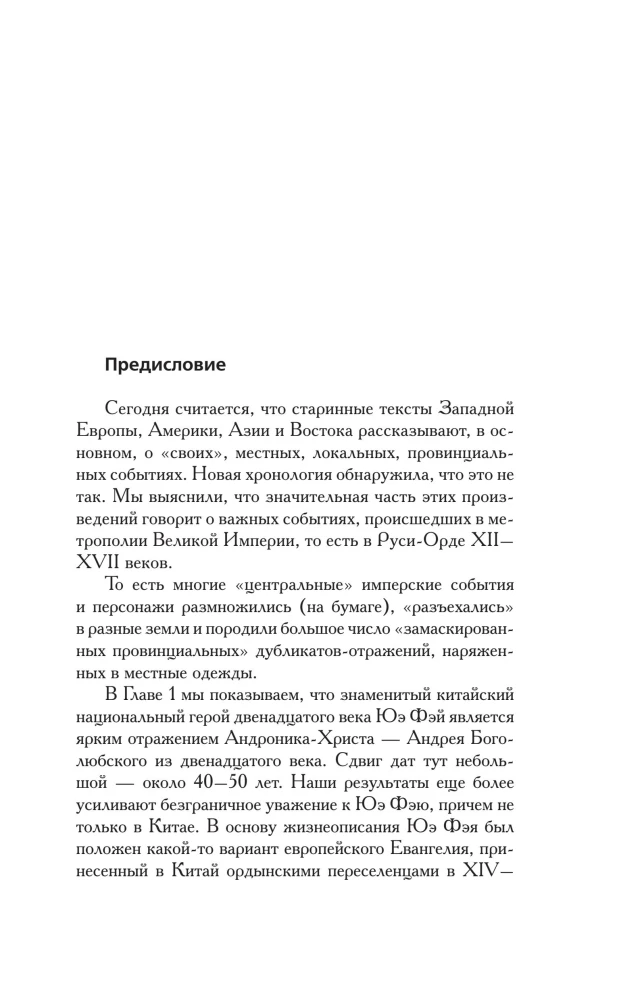
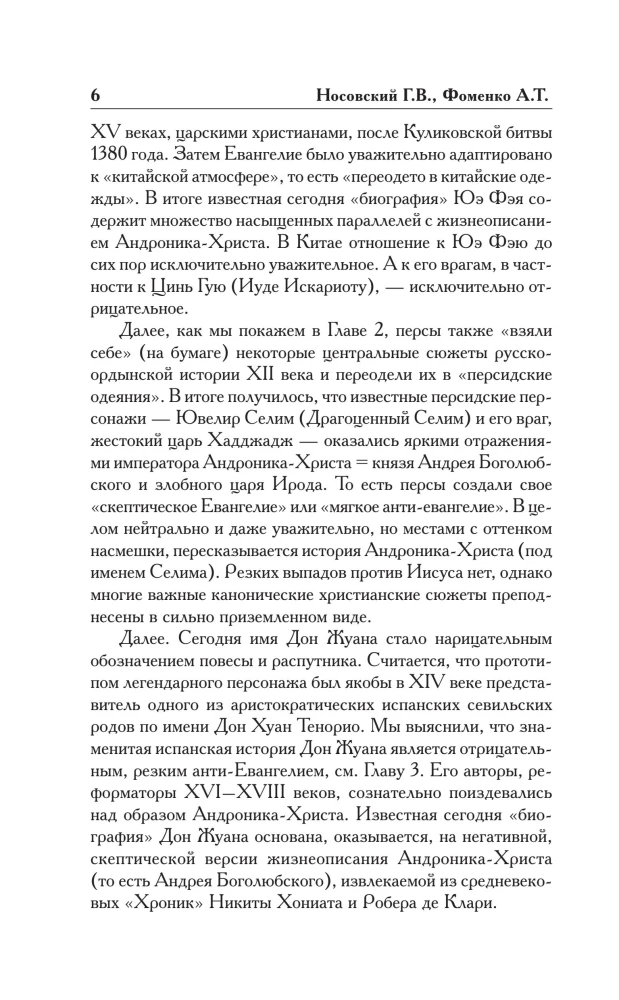
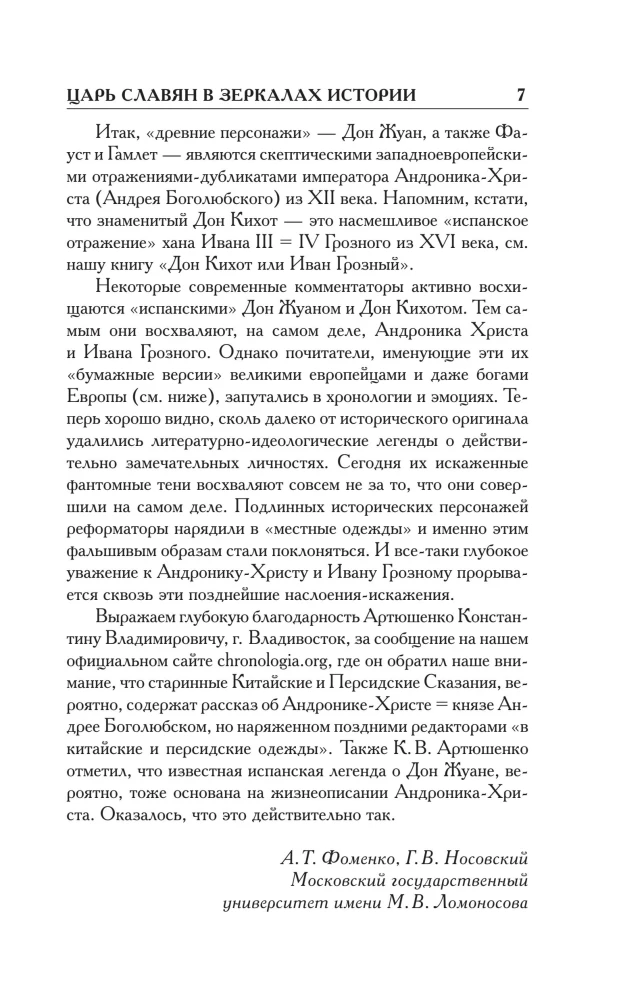
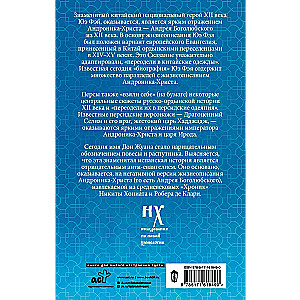
The famous Chinese national hero of the 12th century, Yue Fei, turns out to be a vivid reflection of Andronicus-Christ – Andrew Bogolyubskiy of the 12th century. The biography of Yue Fei is based on a European Gospel variant brought...
to China by the Mongol settlers in the 14th-15th centuries. This narrative was respectfully adapted and "dressed in Chinese clothes." The well-known "biography" of Yue Fei contains numerous parallels with the biography of Andronicus-Christ. The Persians also "took for themselves" (on paper) some central plots of the Russian-Mongol history of the 12th century and "dressed them in Persian garments." The famous Persian characters – the Precious Selim and his enemy, the cruel king Hajjaj, turn out to be vivid reflections of Emperor Andronicus-Christ and King Herod. Today, the name Don Juan has become a common term for a libertine and debauchee. It turns out that this famous Spanish story is a negative anti-gospel. It is based, apparently, on a negative version of the biography of Andronicus-Christ (i.e., Andrew Bogolyubskiy), extracted from the medieval "Chronicles" of Niketas Choniates and Robert de Clari.
Author: Анатолий Фоменко, Глеб Носовский
Printhouse: AST
Series: How It Really Was
Age restrictions: 16+
Year of publication: 2024
ISBN: 9785171618490
Number of pages: 512
Size: 208x136x36 mm
Cover type: hard
Weight: 378 g
ID: 1665656
Sold out
€ 10.49
Sold out
€ 10.49
Bestsellers





€ 13.29
In stock
12 Weeks in a Year. How to Achieve More in 12 Weeks Than Others Do in 12 Months
Майкл Леннингтон, Брайан Моран

€ 7.89
In stock
Choice. On the Freedom and Inner Strength of a Person
Эдит Ева Эгер, Эсме Швалль-Вейганд

€ 14.99
In stock
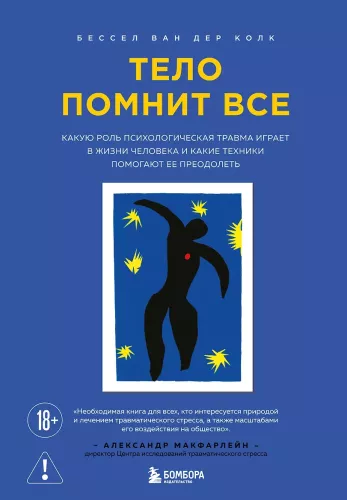
The Body Remembers Everything: The Role of Psychological Trauma in a Person's Life and Techniques to Overcome It
Бессел ван дер Колк