
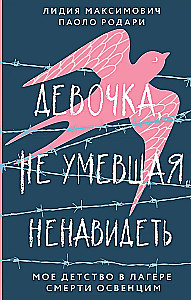

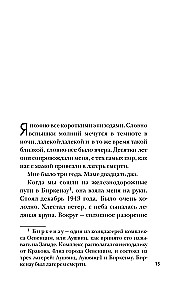
The Girl Who Could Not Hate. My Childhood in the Auschwitz Death Camp
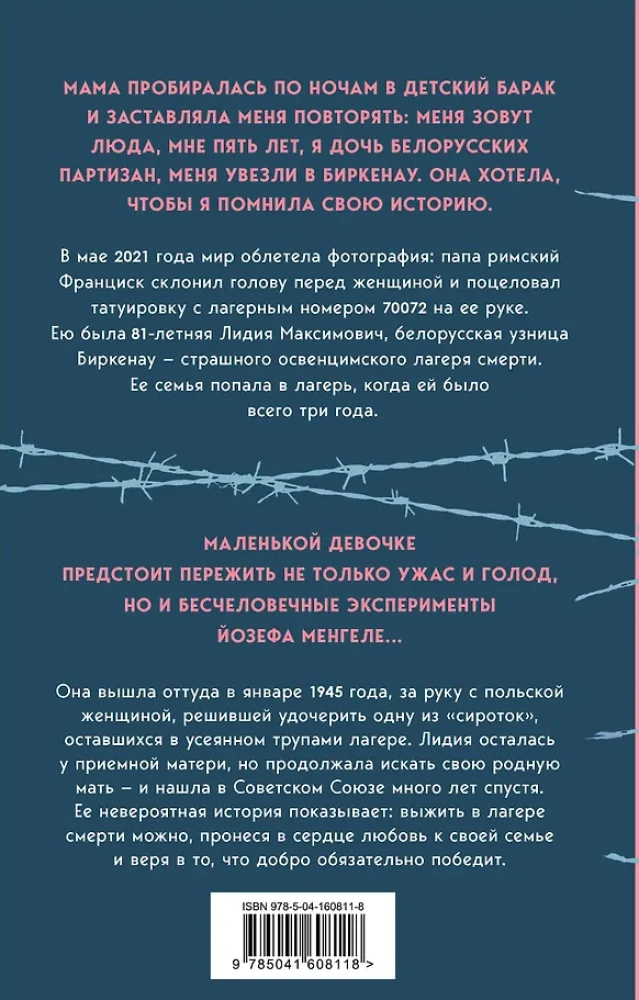
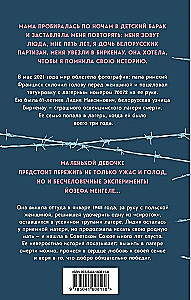
My mother used to sneak into the children’s barrack at night and made me repeat: my name is Lyudmila, I am five years old, I am the daughter of Belarusian partisans, I was taken to Birkenau. She wanted me to...
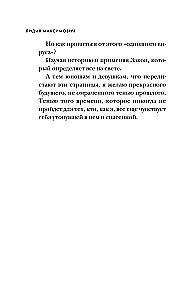
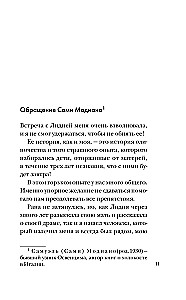
remember my story. In May 2021, a photograph circulated the world: Pope Francis bowed his head before a Holocaust survivor and kissed the tattoo with the camp number on her arm. This woman was 81-year-old Lydia Maximovich, a Belarusian prisoner of Birkenau—the most terrible Auschwitz death camp. Her family, who had gone into the partisans, ended up in the camp when she was only three years old. The Belarusian forests became the last light Lydia saw before descending into the camp's darkness. The little girl was to endure not only the separation from her mother, hunger, and the terror of imminent death, but also the inhumane experiments of Joseph Mengele... She came out of there in January 1945, holding hands with a Polish woman who decided to adopt one of the "orphans" freezing in the corpse-laden camp. Lydia stayed with her adoptive mother but never forgot her real mother, never stopped looking for her throughout her life—and found her in the Soviet Union many years later. Her incredible story shows: it is possible to survive in inhumane conditions, only by carrying love for your family in your heart and believing that good will surely prevail.
Author: Лев Максимович, Паоло Родари
Printhouse: Eksmo
Series: Phoenix. Stories of the Strong in Spirit
Age restrictions: 16+
Year of publication: 2022
ISBN: 9785041608118
Number of pages: 224
Size: 208х135х23 mm
Cover type: hard
Weight: 270 g
ID: 1269226
Sold out
€ 9.19
Sold out
€ 9.19
Bestsellers

€ 13.29
In stock
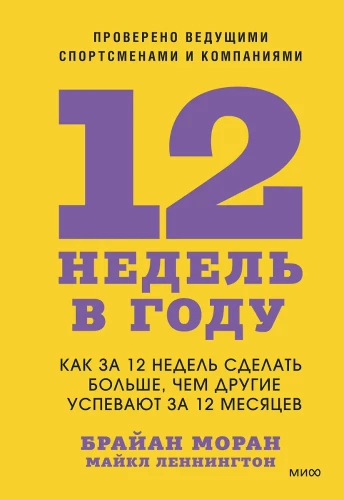
12 Weeks in a Year. How to Achieve More in 12 Weeks Than Others Do in 12 Months
Майкл Леннингтон, Брайан Моран
€ 7.89
In stock
Choice. On the Freedom and Inner Strength of a Person
Эдит Ева Эгер, Эсме Швалль-Вейганд
€ 6.99
In stock
Publishers "Eksmo" recommends

Bestseller
€ 15.19
In stock
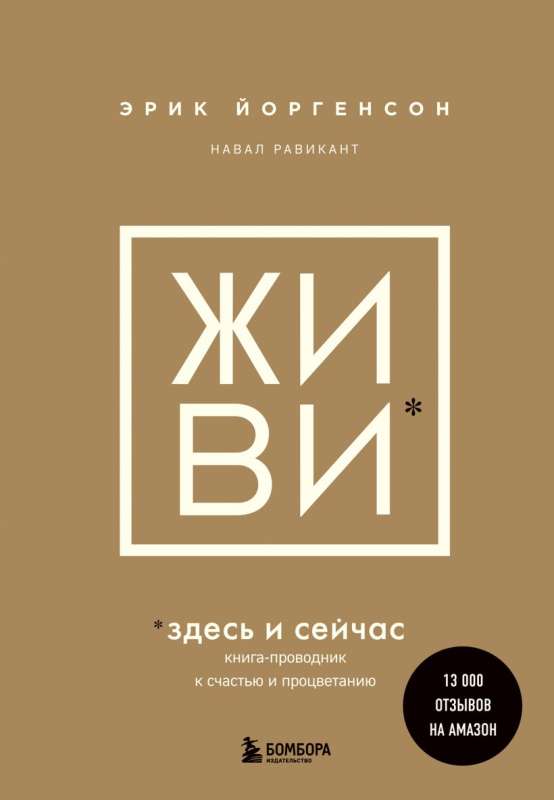
LIVE here and now. A guidebook to happiness and prosperity
РАВИКАНТ Н., ЙОРГЕНСОН Э.