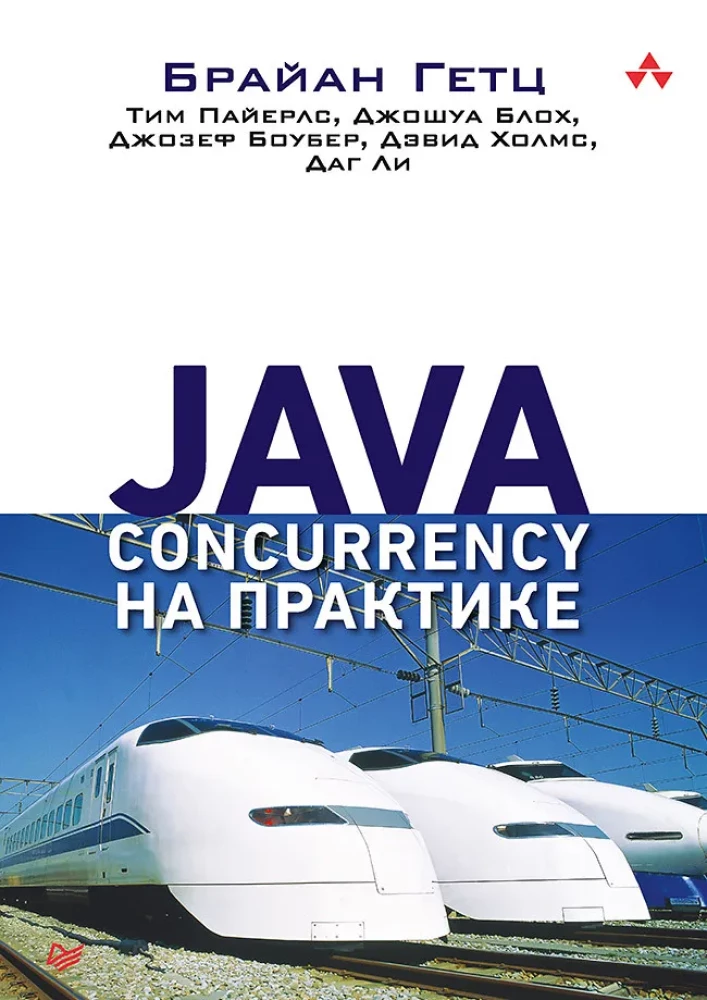
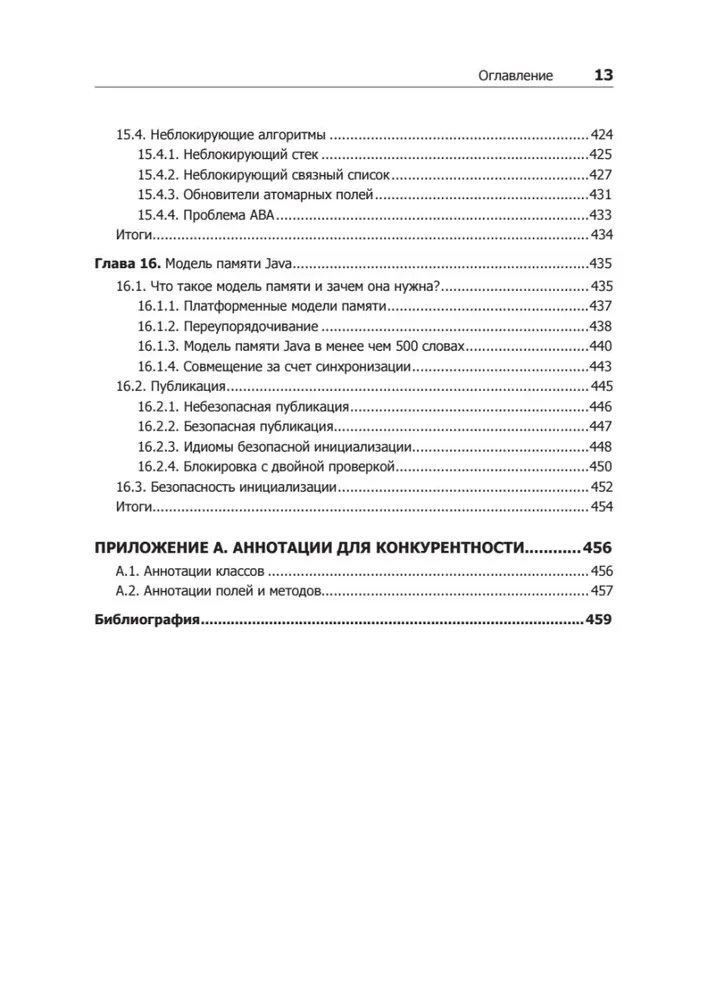


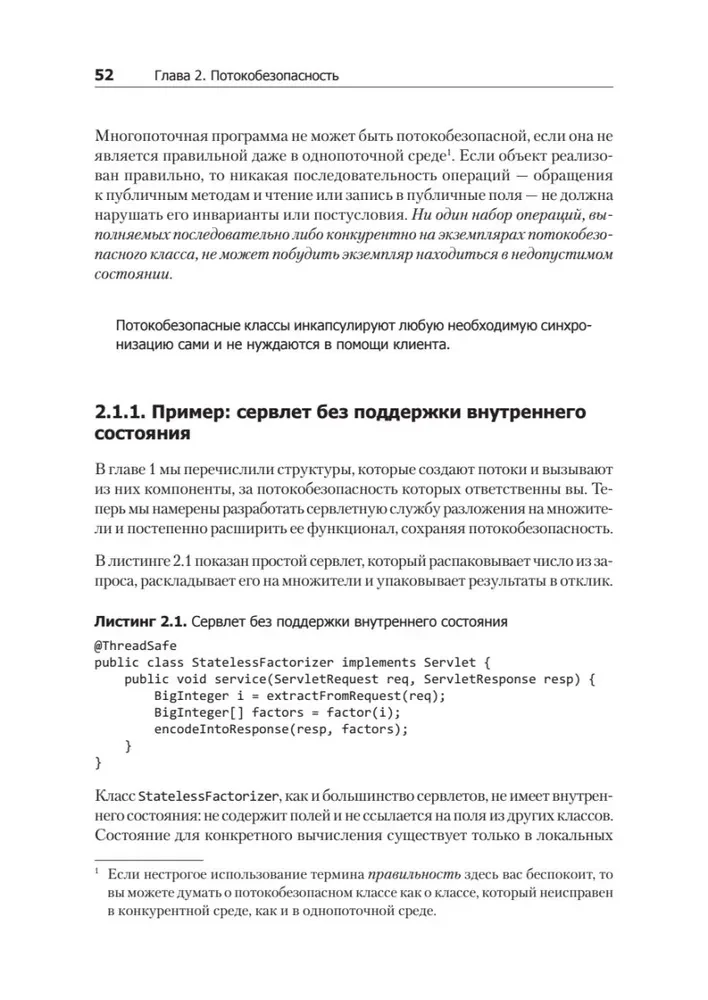
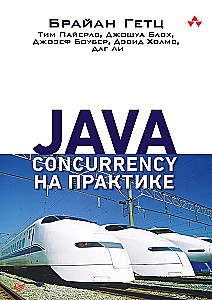
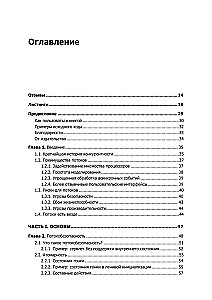

Java Concurrency in Practice
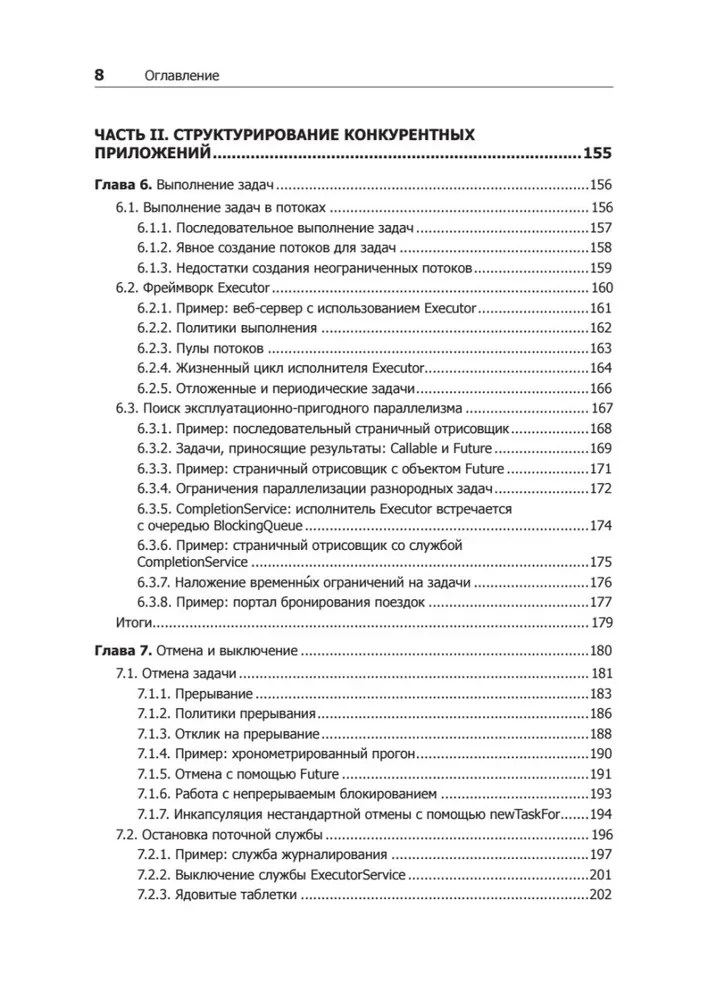
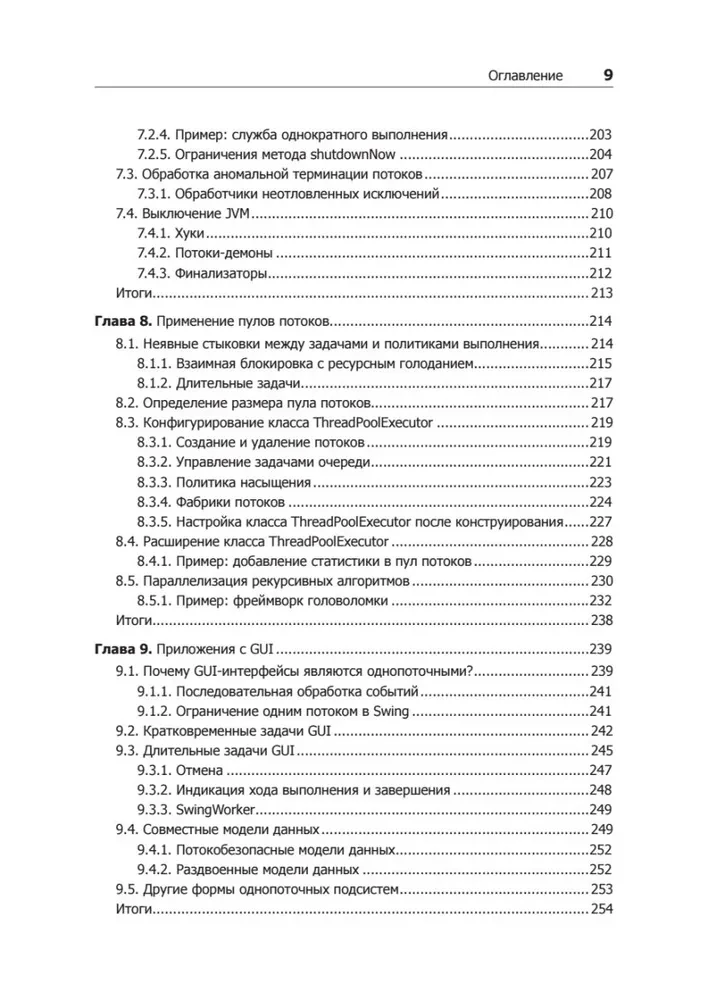
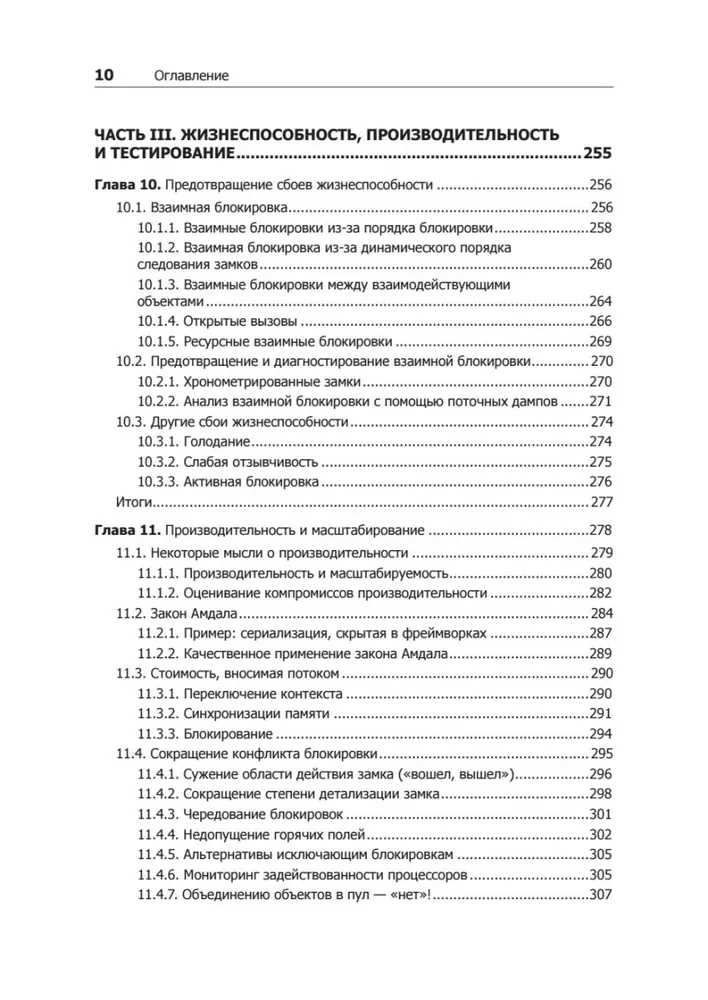
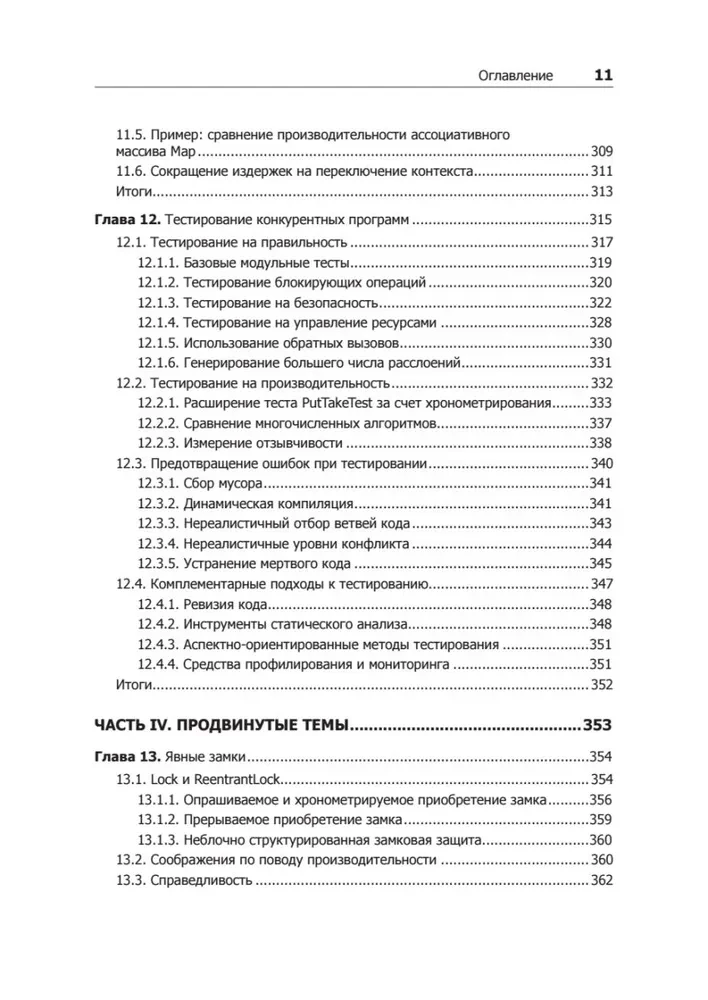
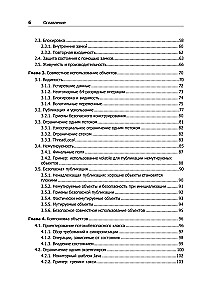
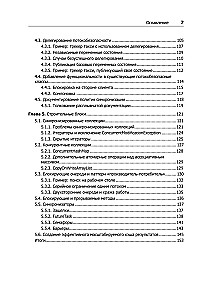
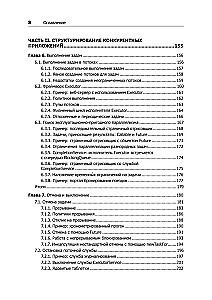
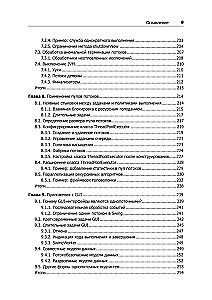
Threads are a fundamental part of the Java platform. Multi-core processors are a commonplace reality, and effective use of parallelism has become necessary for creating any high-performance application. The improved Java Virtual Machine, support for high-performance classes, and a rich...
set of building blocks for parallelization tasks have been a breakthrough in the development of parallel applications. In "Java Concurrency in Practice," the very creators of this breakthrough technology explain not only the principles of operation but also discuss design patterns.
It is easy to create a concurrent program that seems to work. However, developing, testing, and debugging multithreaded programs poses many challenges. The code stops working precisely when it matters most—under heavy load. In "Java Concurrency in Practice," you will find both theory and practical methods for creating reliable, scalable, and maintainable parallel applications. The authors do not provide a list of APIs and parallelism mechanisms; instead, they introduce design rules, patterns, and models that are independent of the Java version and have remained relevant and effective for many years.
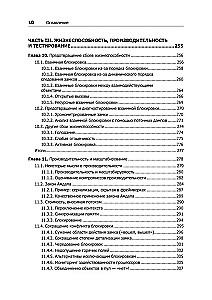
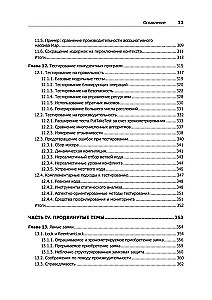
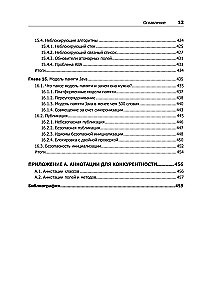
This book covers the following topics:
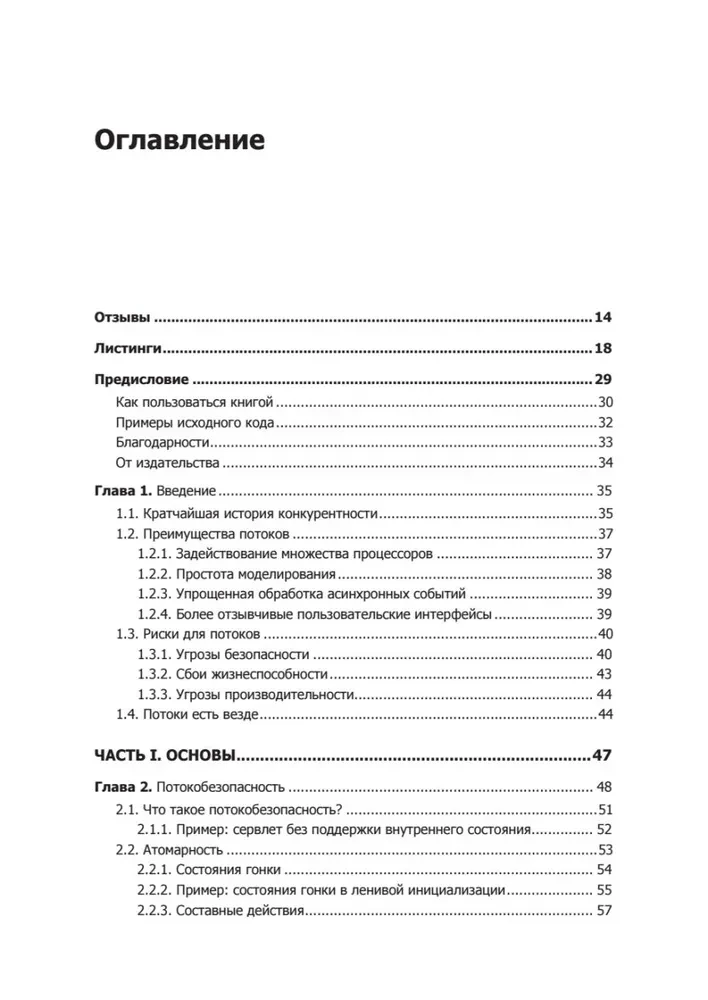
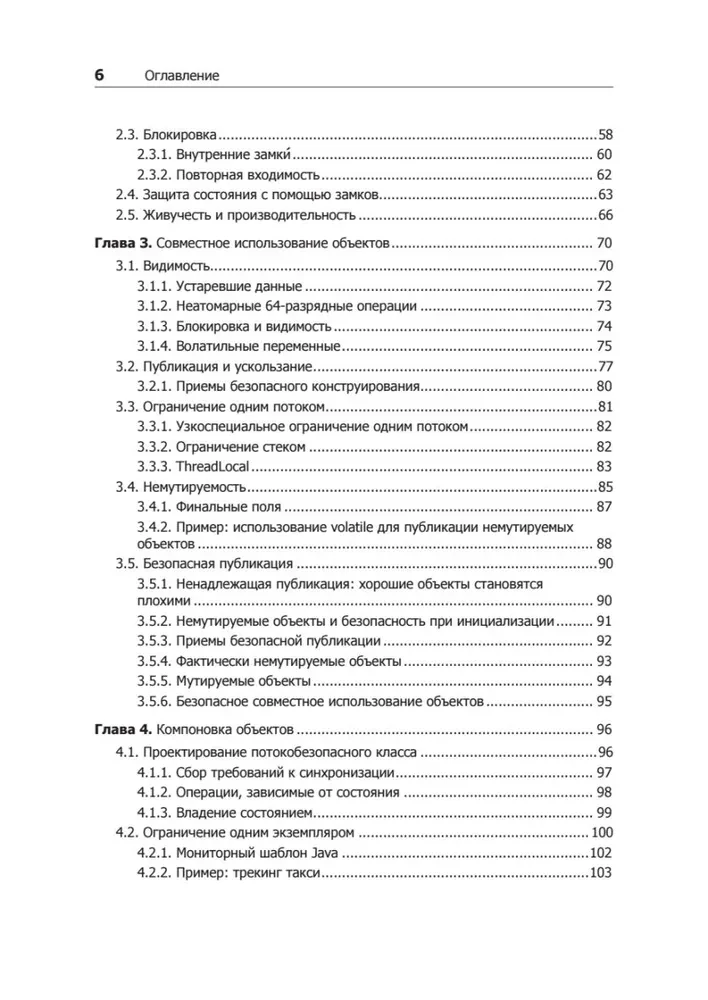
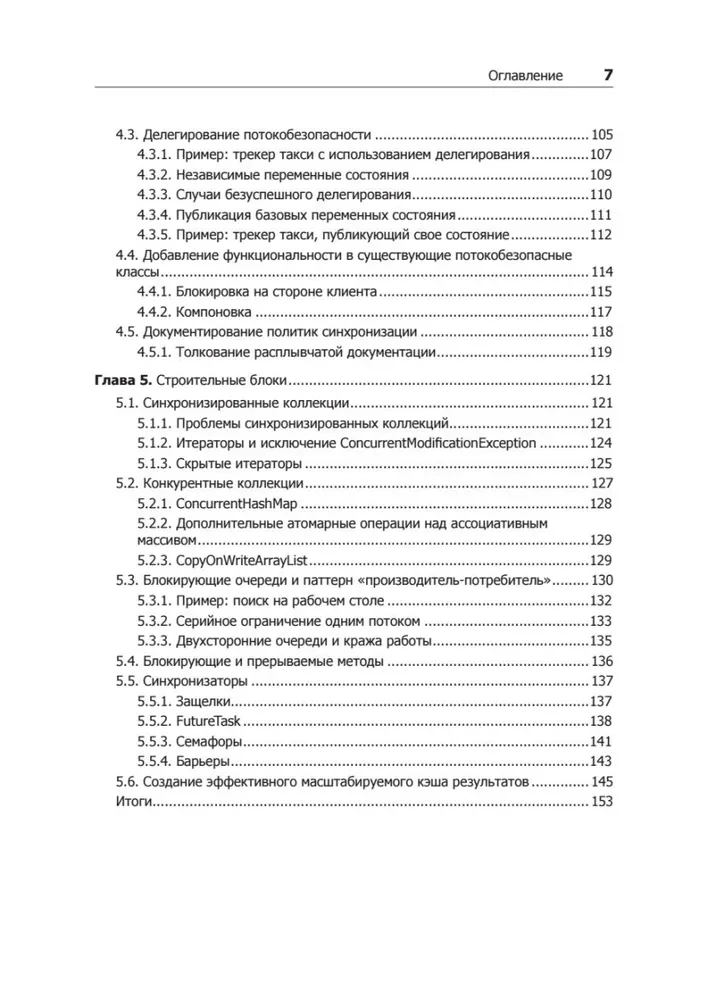
- Basic concepts of parallelism and thread safety
- Methods for building and composing multithreaded classes
- Using parallelism blocks in java.util.concurrent
- Performance optimization: what can be done and what should not be attempted
- Testing parallel programs
- Atomic variables, non-blocking algorithms, and the Java memory model
It is easy to create a concurrent program that seems to work. However, developing, testing, and debugging multithreaded programs poses many challenges. The code stops working precisely when it matters most—under heavy load. In "Java Concurrency in Practice," you will find both theory and practical methods for creating reliable, scalable, and maintainable parallel applications. The authors do not provide a list of APIs and parallelism mechanisms; instead, they introduce design rules, patterns, and models that are independent of the Java version and have remained relevant and effective for many years.
This book covers the following topics:
- Basic concepts of parallelism and thread safety
- Methods for building and composing multithreaded classes
- Using parallelism blocks in java.util.concurrent
- Performance optimization: what can be done and what should not be attempted
- Testing parallel programs
- Atomic variables, non-blocking algorithms, and the Java memory model
Author: Брайан Гетц, Тим Пайерлс, Джошуа Блох, Джозеф Боубер, Дэвид Холмс, Даг Ли
Printhouse: piter
Series: For Professionals
Age restrictions: 16+
Year of publication: 2025
ISBN: 9785446113149
Number of pages: 464
Size: 233x165x21 mm
Cover type: soft
Weight: 605 g
ID: 861730
In stock
€ 23.89
Will be delivered to United States on 28 July (Tu):
By courier
from € 38.94
Bestsellers









€ 5.19
In stock



€ 7.99
In stock
Choice. On the Freedom and Inner Strength of a Person
Эдит Ева Эгер, Эсме Швалль-Вейганд

€ 15.99
In stock
12 Weeks in a Year. How to Achieve More in 12 Weeks Than Others Do in 12 Months
Майкл Леннингтон, Брайан Моран