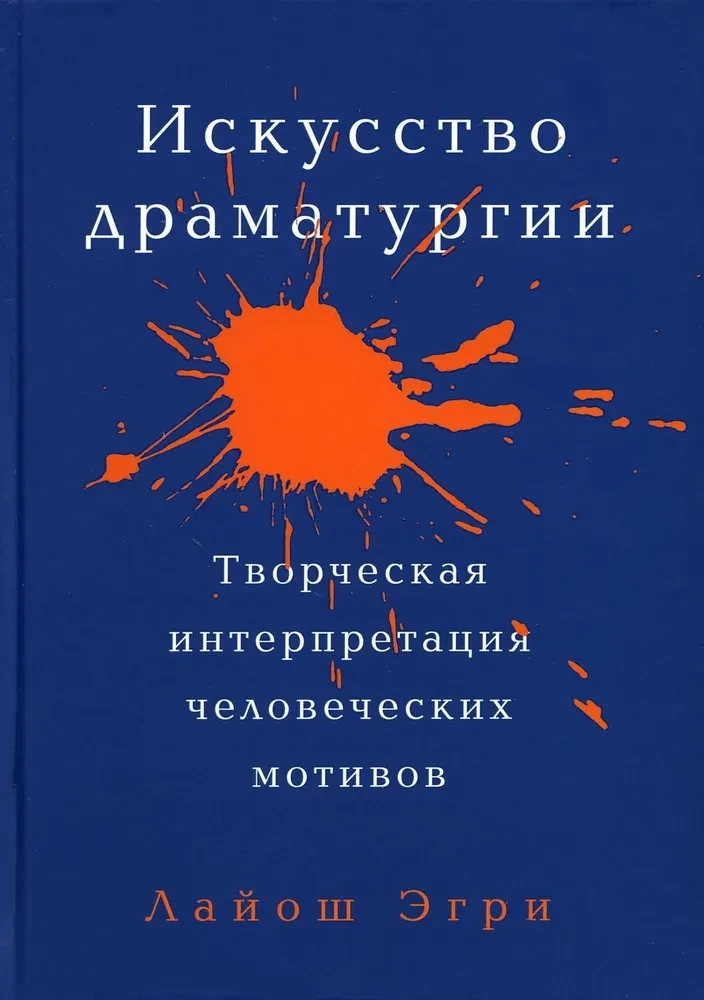
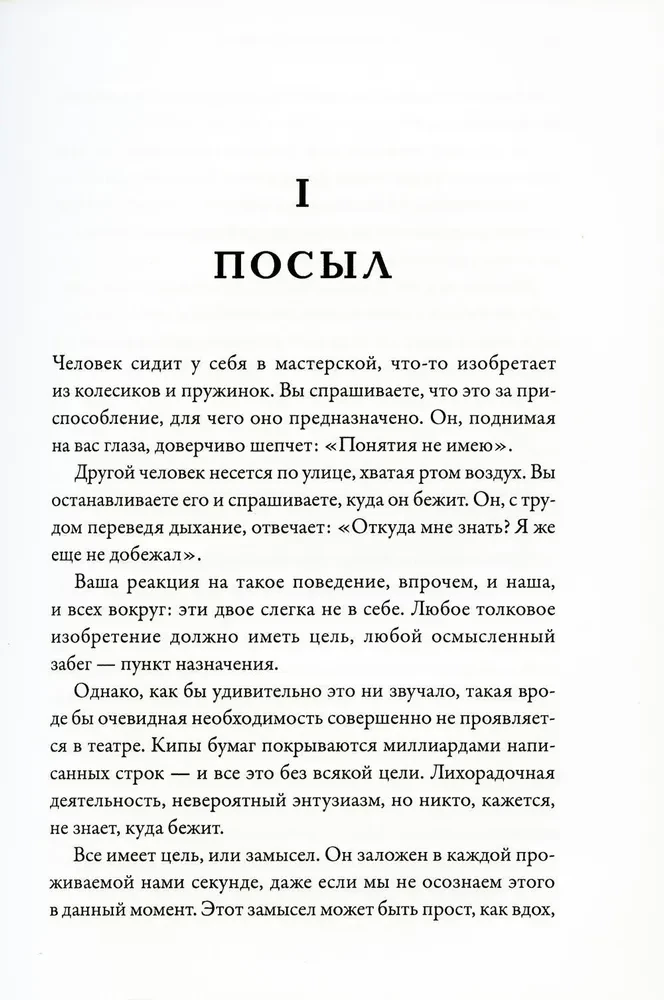
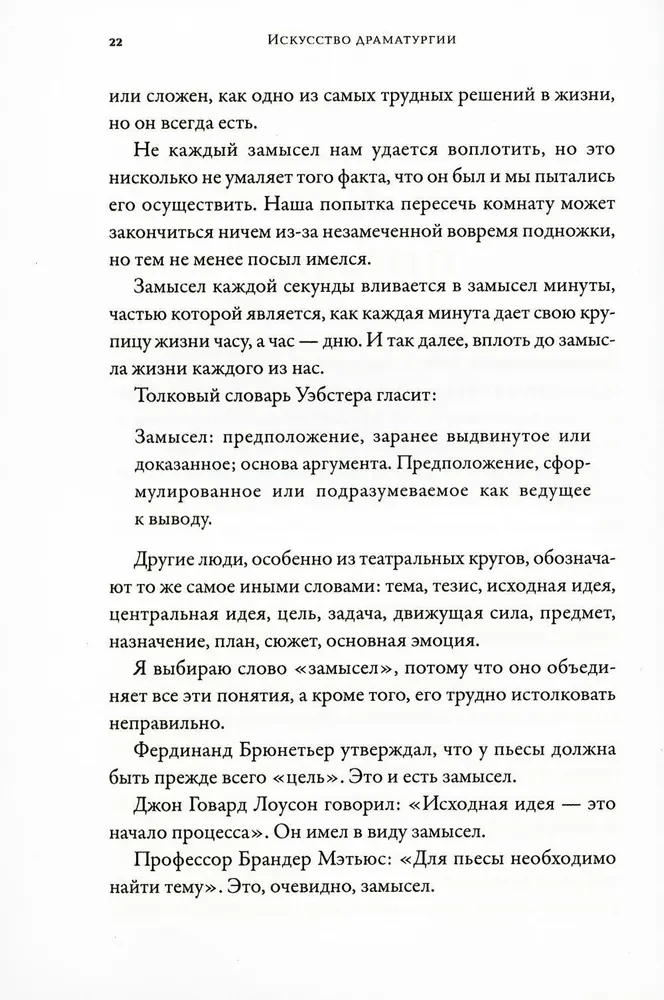
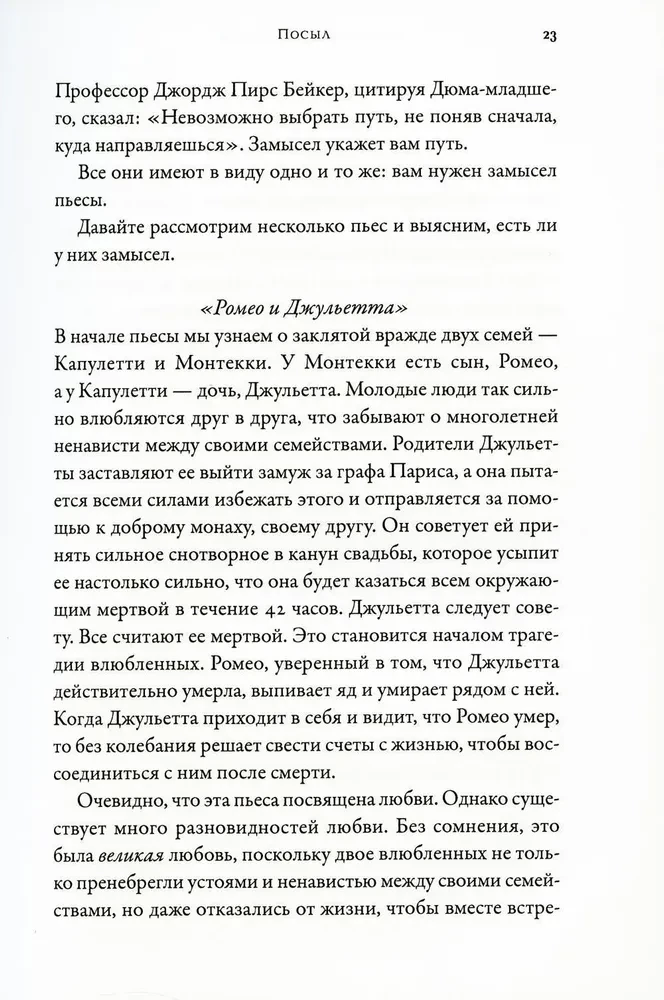
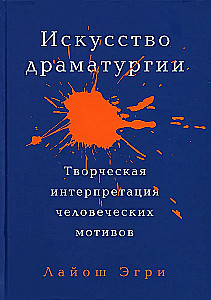
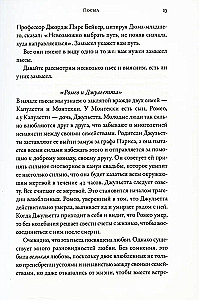
The Art of Dramaturgy. Creative Interpretation of Human Motives
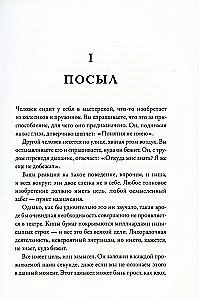
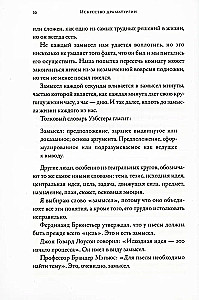
Of the hundreds of "how-to guides" that have appeared in recent years, very few have attempted to analyze the secrets of playwriting. The book you are holding is dedicated to this very subject, and the principles it offers are so...
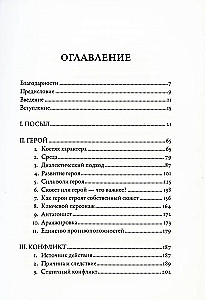
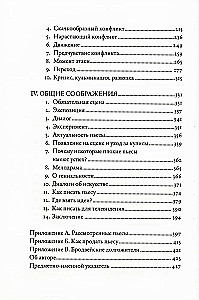
effective that they are equally applicable to stories, novels, and teleplays. Lajos Egri explores the play in motion as if from within, starting with the heart of any drama – its characters. It is people – their characters and relationships – that drive the plot and give it life. A good playwright’s work is always based on an understanding of the motives behind human actions. Why do people act one way rather than another? What transforms a coward into a hero, and what makes a hero a coward? What predetermined the tragic fate of Shakespeare's hero Romeo? Why is Nora forced to leave her husband at the end of the play "A Doll's House"? These are just a few of the intriguing questions that Egri asks. He explains how important it is for the author to formulate the main idea – a thesis that reveals itself in the character’s behavior – and to build the dramatic conflict based on that behavior. The concept, the hero, the conflict – this is Egri's alphabet. His book is a direct examination of the problem of recreating the truth of life in a literary work, written in a simple and understandable language.
Author: Лайош Эгри
Printhouse: Al'pina Pablisher
Age restrictions: 0+
Year of publication: 2023
ISBN: 9785001392279
Number of pages: 430
Size: 215х151х25 mm
Cover type: hard
Weight: 660 g
ID: 566952
Available from suppliers
Estimated delivery time – up to 3 weeks
€ 16.09
Available from suppliers
Estimated delivery time – up to 3 weeks
€ 16.09
Bestsellers






€ 13.29
In stock
12 Weeks in a Year. How to Achieve More in 12 Weeks Than Others Do in 12 Months
Майкл Леннингтон, Брайан Моран


€ 7.89
In stock
Choice. On the Freedom and Inner Strength of a Person
Эдит Ева Эгер, Эсме Швалль-Вейганд



€ 6.99
In stock