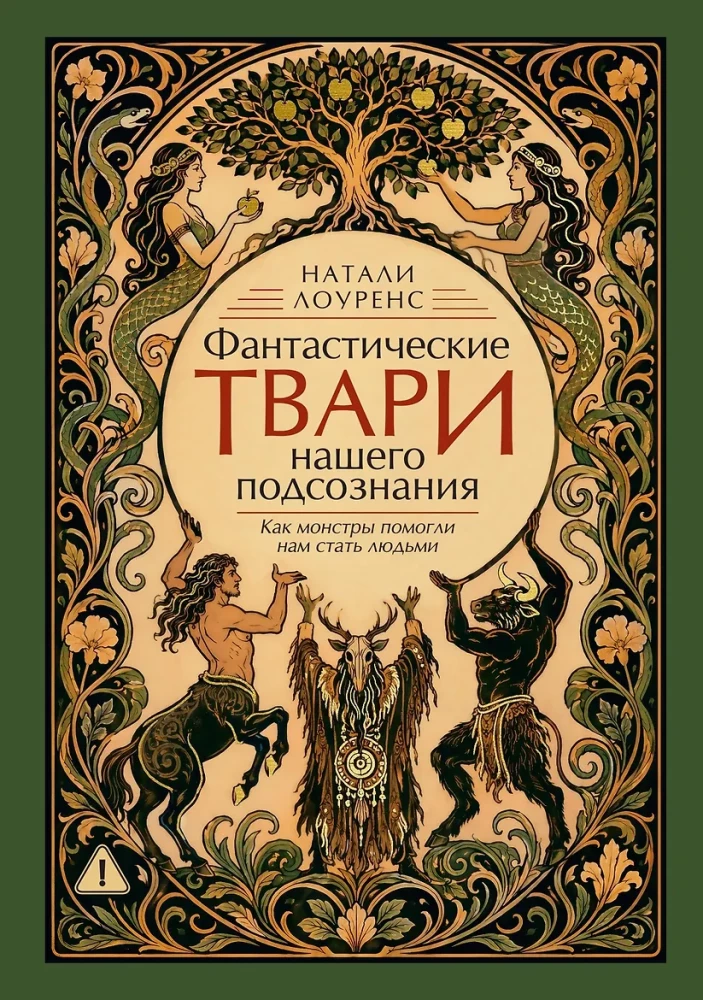
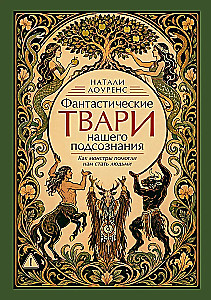
Fantastic Beasts of Our Subconscious. How Monsters Helped Us Become Human
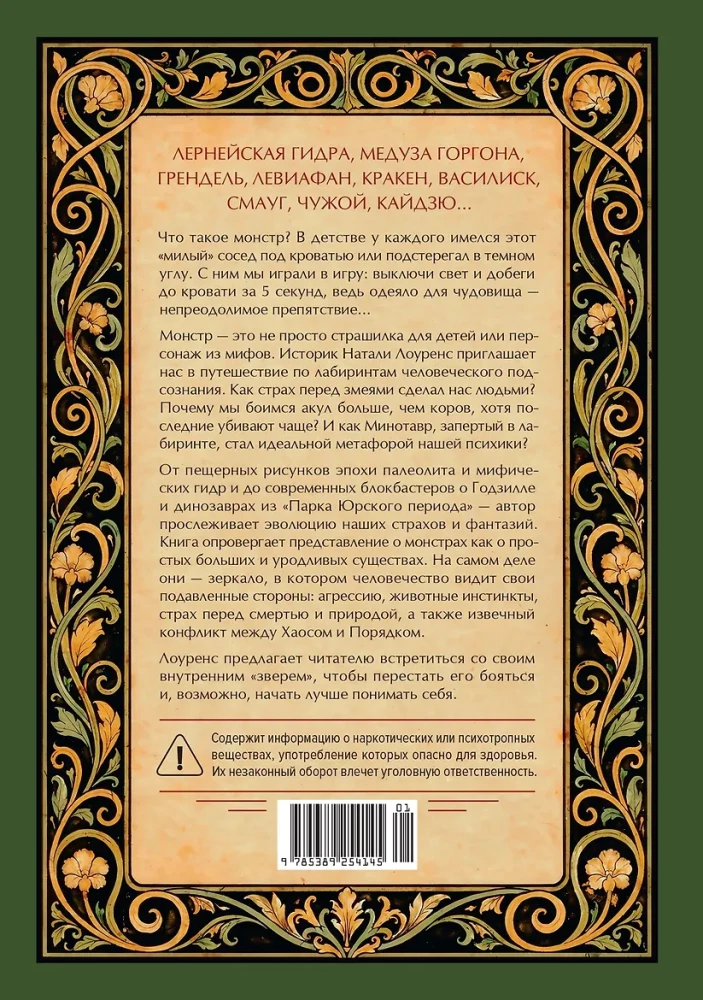
For everyone who has ever feared the dark and pondered why we so eagerly watch horror films and recount ancient tales of dragons.
Monsters have always been with us because they are us. Or, more precisely, what we refuse to acknowledge... about ourselves.
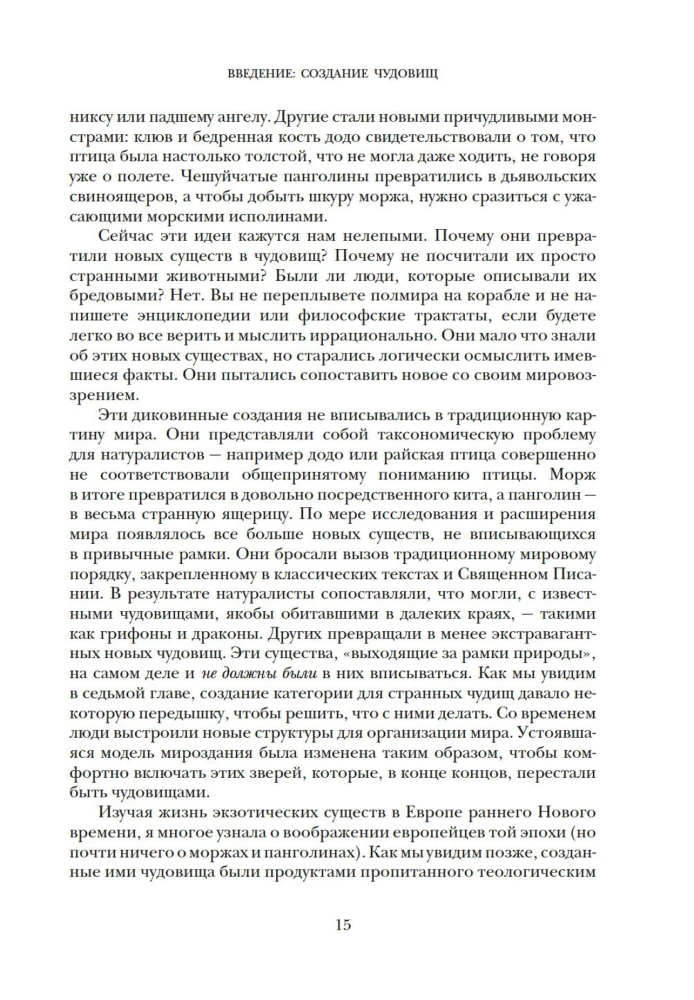
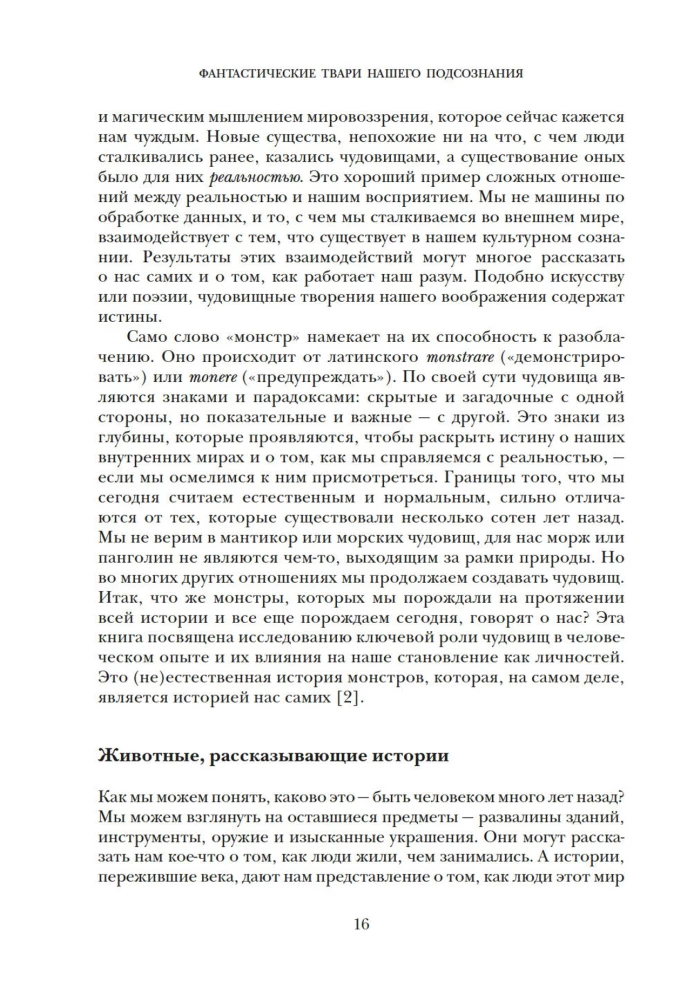
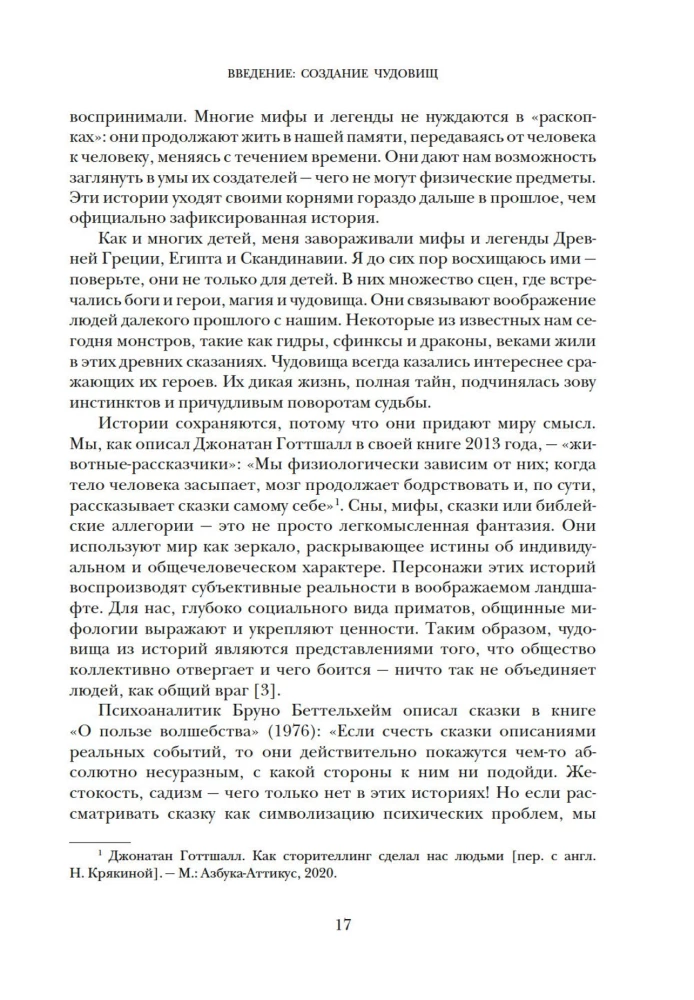
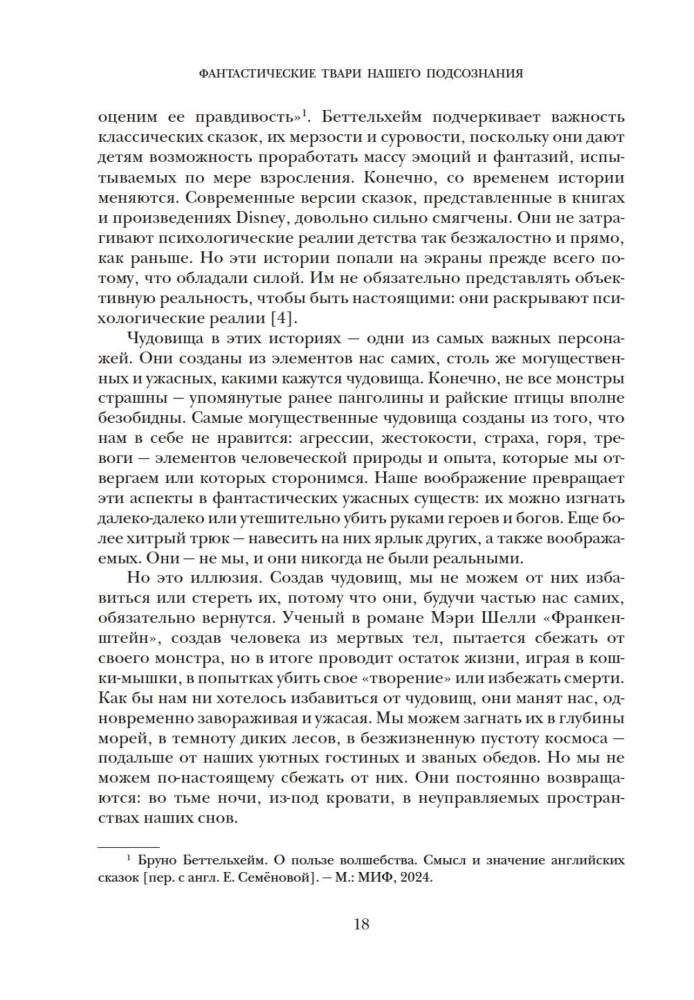
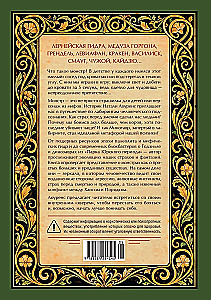
Drawing on extensive material—from the "Epic of Gilgamesh" and "Beowulf" to psychoanalysis and evolutionary biology—historian Natalie Lawrence explores iconic images. The horned shaman, wendigo, echidna, dragon, dinosaur, minotaur, and Medusa Gorgon emerge not just as characters in horror stories, but as archetypes through which we learned to cope with chaos, define the boundaries of "us" and "them," and negotiate with the "beast" within. We learn how the perception of monsters has evolved alongside science: why in the 17th century scientists mistook pangolin specimens for devils, how fertility goddesses were associated with snakes, and how the wild Grendel from ancient English epic transformed into an ecological guardian in modern literature. The author shows how imagination helps humanity cope with the horrors of reality. From primal fear of the wilderness to the atomic bomb—we always envision our nightmares as something scaled and fanged.
Author: Натали Лоуренс
Printhouse: Azbuka
Series: Popular Psychology for Business and Life
Age restrictions: 16+
Year of publication: 2026
ISBN: 9785389254145
Number of pages: 272
Size: 240х170х15 mm
Cover type: hard
Weight: 574 g
ID: 1744886
In stock
€ 18.49
Will be delivered to United States on 6 October (Tu):
By courier
from € 38.94
Bestsellers
€ 7.89
In stock
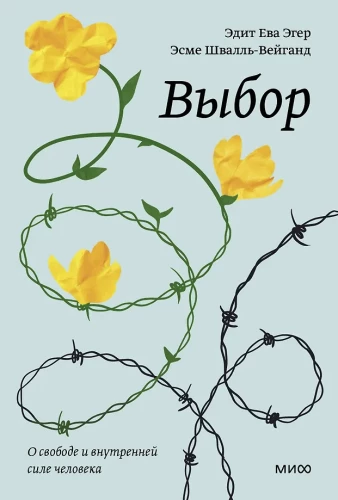
Choice. On the Freedom and Inner Strength of a Person
Эдит Ева Эгер, Эсме Швалль-Вейганд

€ 6.99
In stock

€ 6.99
In stock
How to Talk So Kids Will Listen, and How to Listen So Kids Will Talk
Элейн Мазлиш, Адель Фабер