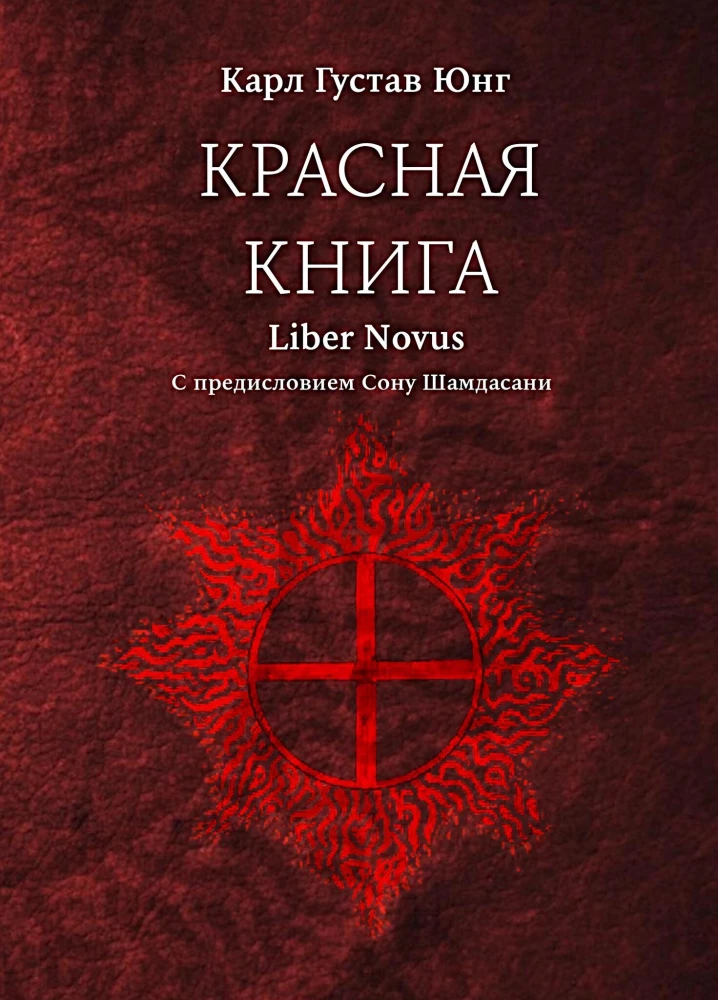
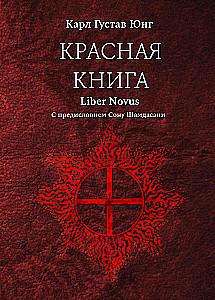
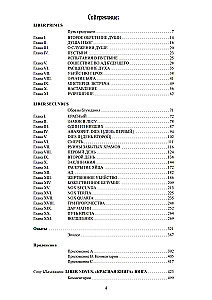
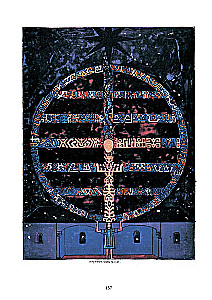
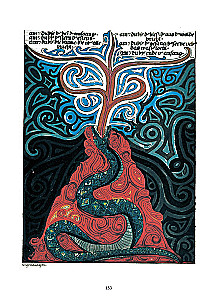
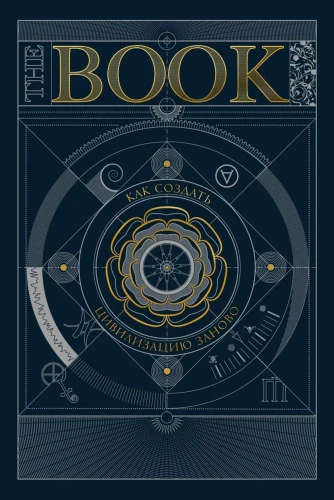
The Red Book. New Edition from the German Language
The legendary "Red Book," or Liber Novus ("New Book"), by Carl Gustav Jung, which first saw the light only in our century, is one of the most important documents of the intellectual and spiritual culture of the 20th century. For...
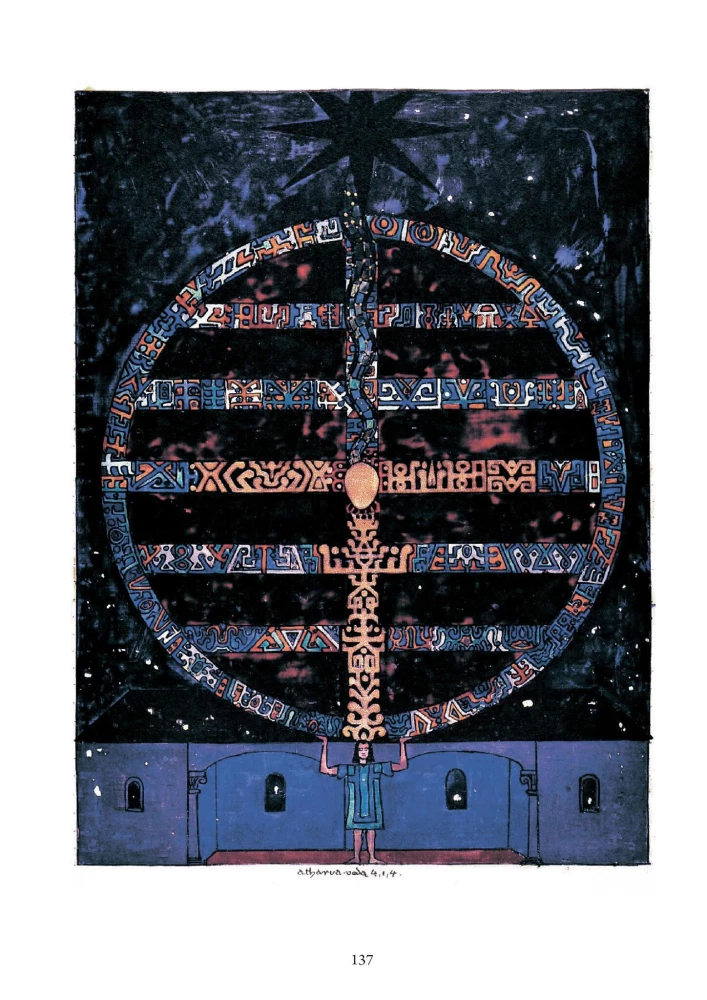
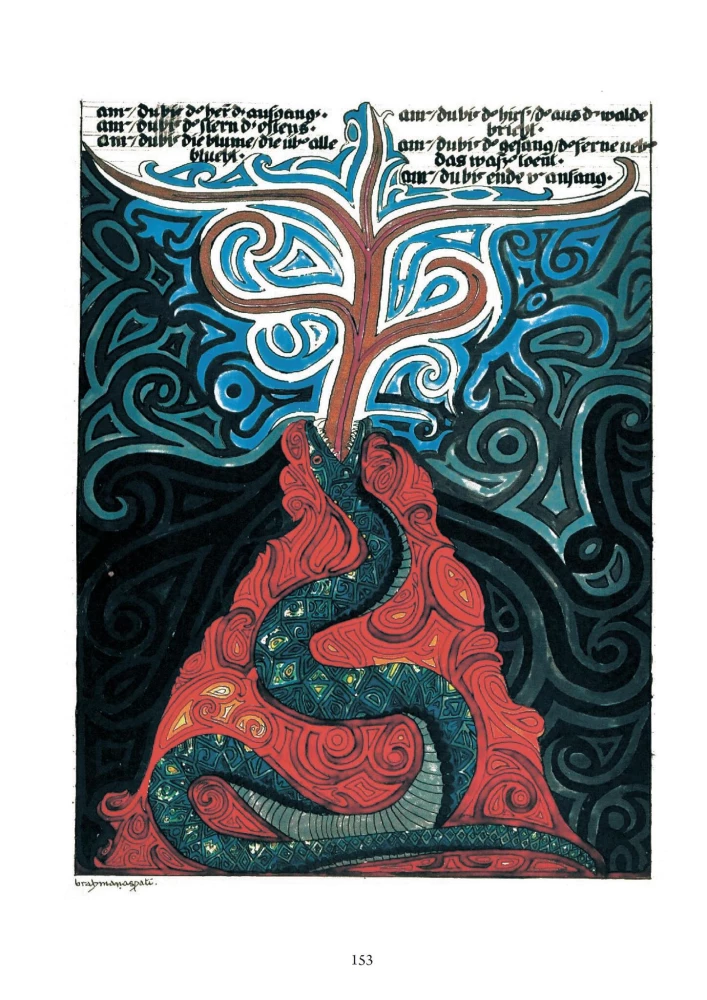
16 years, Jung recorded in it the events of his inner life, through which the unconscious nature of human psyche and culture was revealed to him: his dreams, visions induced by the method of "active imagination," as well as the experience of their interpretation, in which the place of "interpretation" is taken by experience, "interpretation" is abolished in favor of spiritual testimony, and "research" is carried out through contemplation of images and poetic myth-making.
The text, from which everything that subsequently acquired academic form and is still widely known as depth psychology and Jungian cultural studies, begins, presents the reader with a true picture of the path Jung took into the "secret of secrets" of his own soul, and the true face of Jung the thinker – a modern psychologist and a timeless mystagogue, an outstanding scholar and a transcendent scientist of the spirit, a meticulous researcher and an insightful poet of the soul.
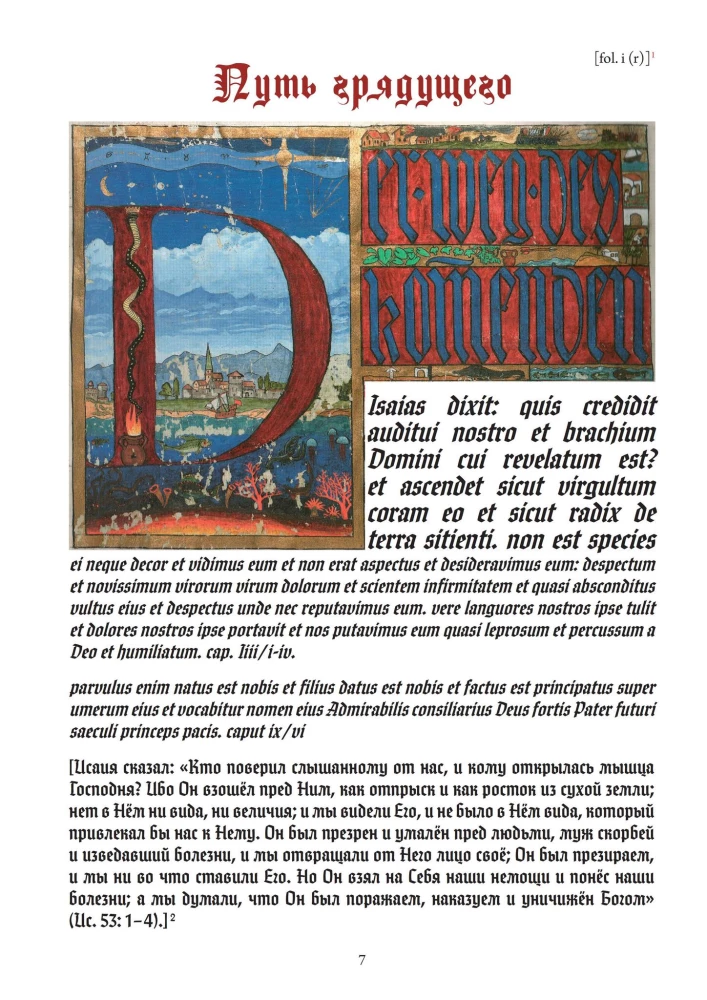
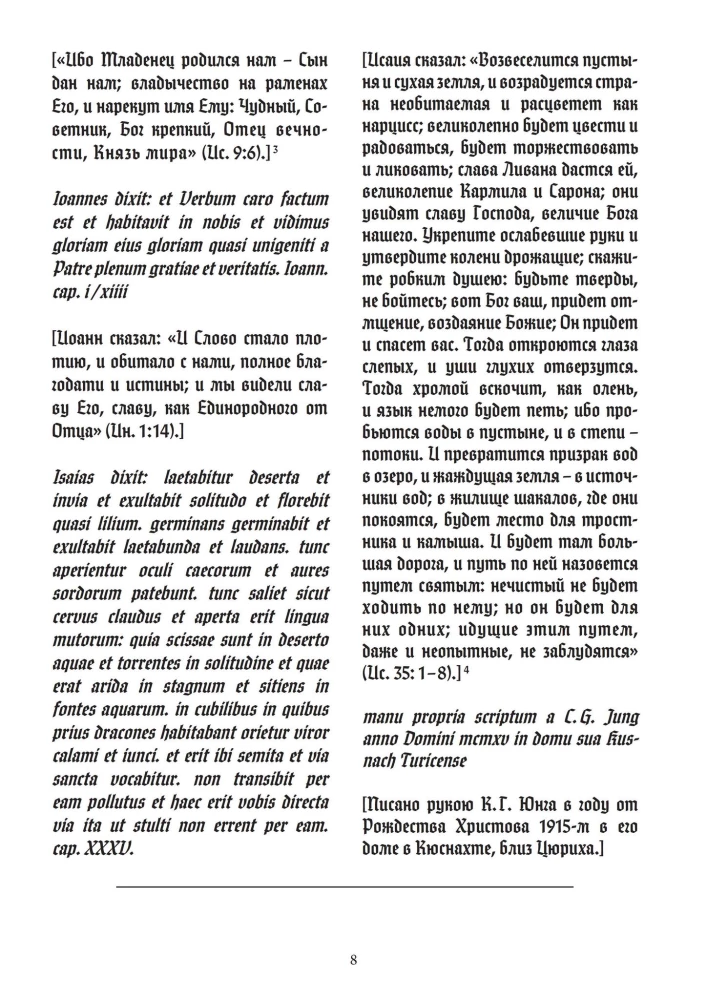
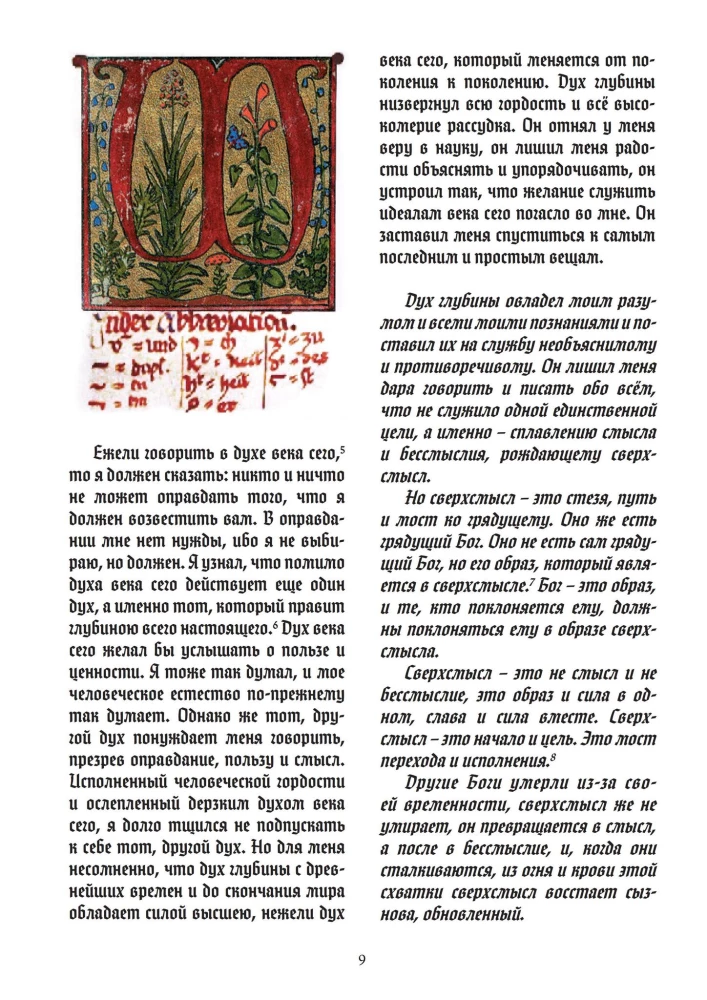
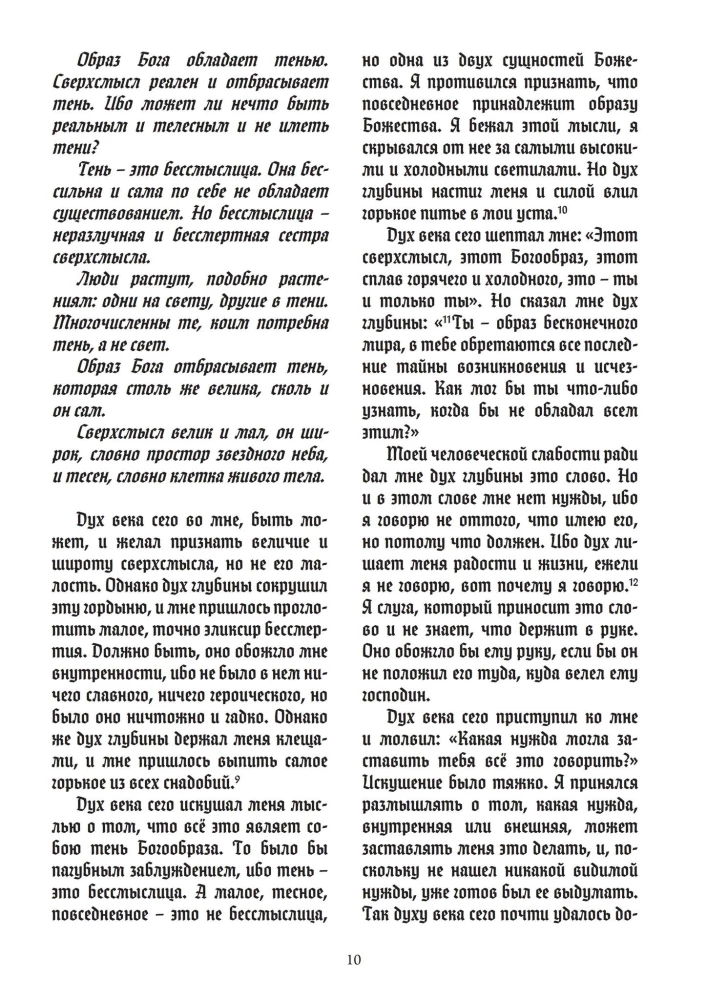
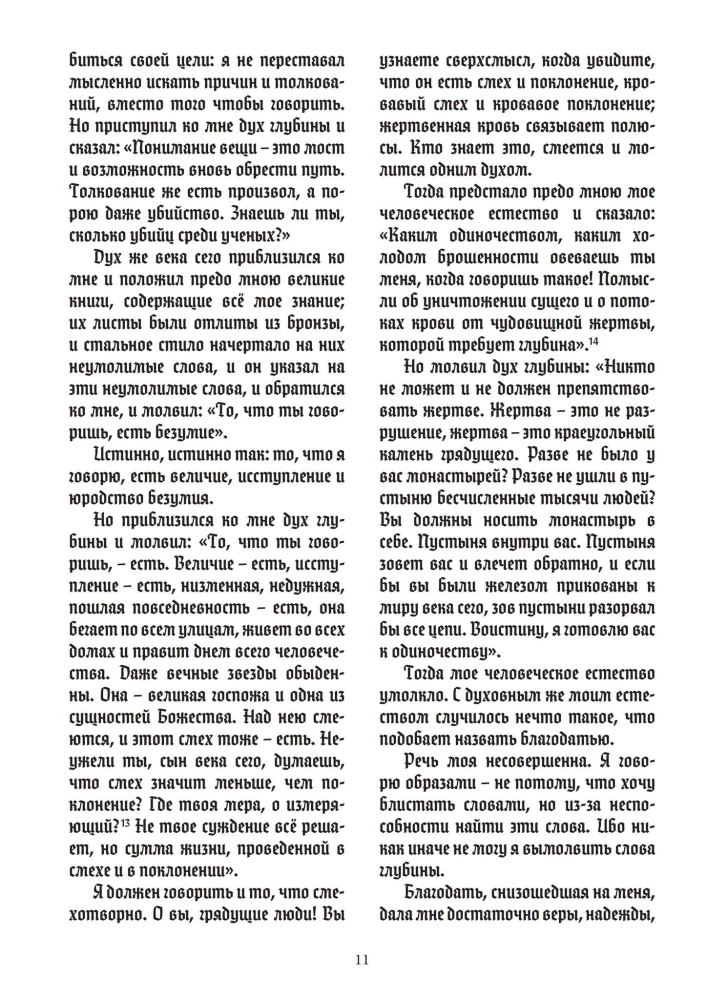
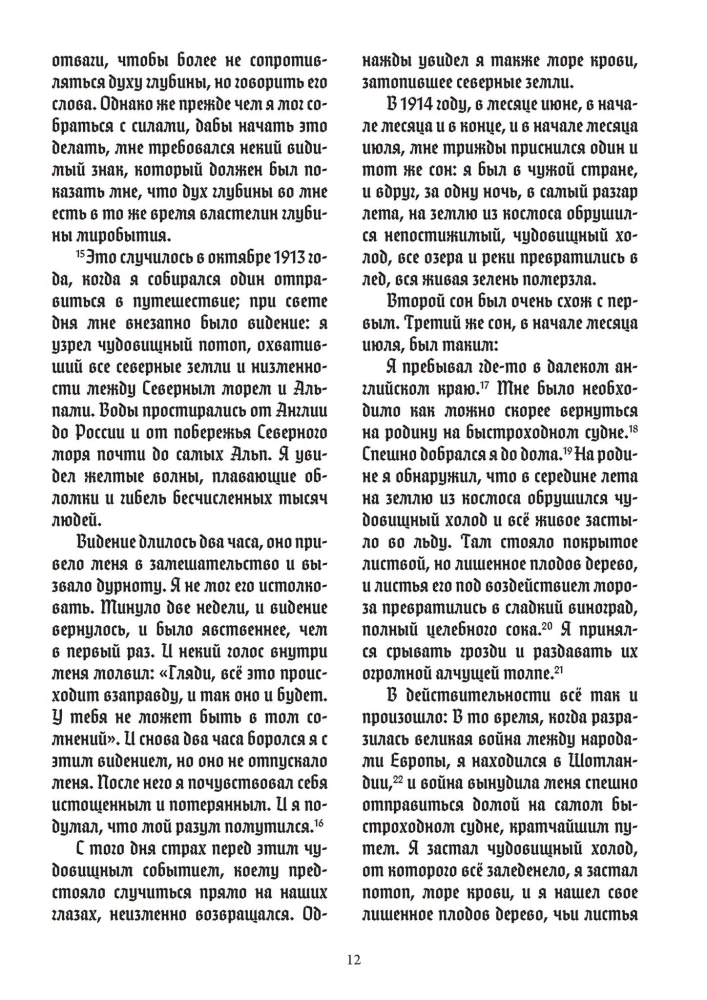
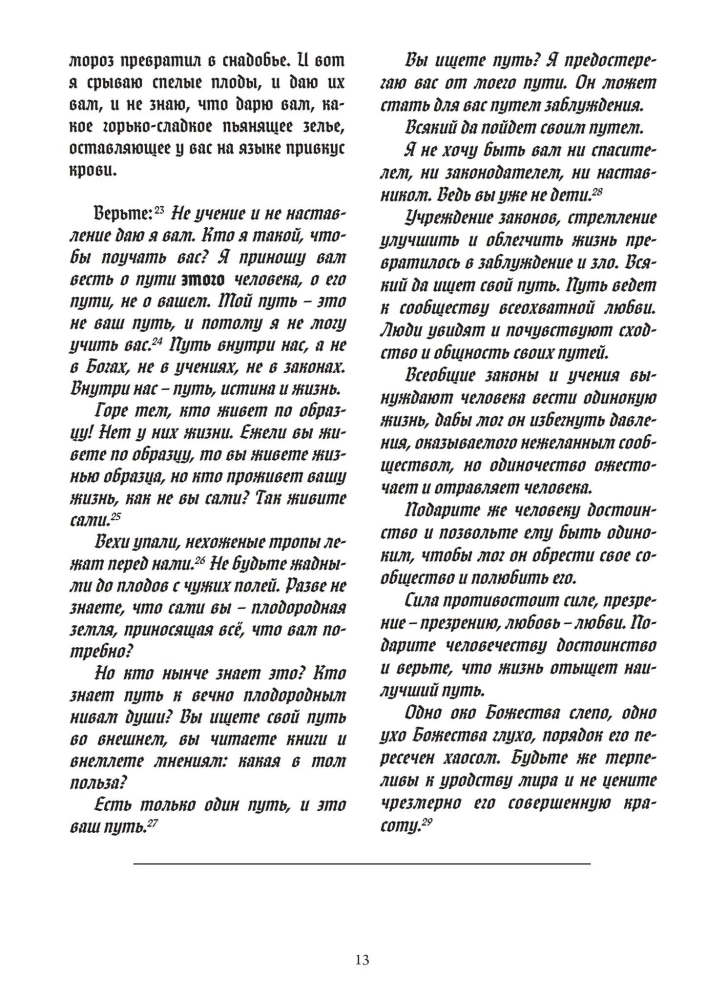
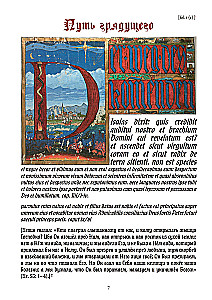
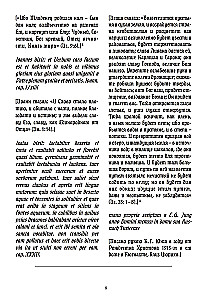
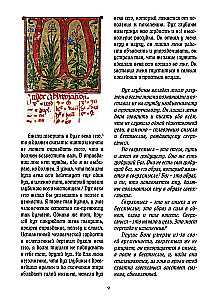
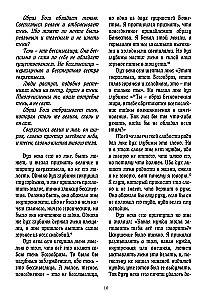
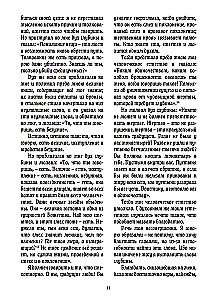
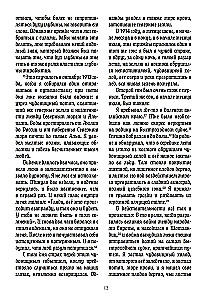
One of the main tasks of the new translation of the "Red Book," made for the first time from the German original, is to provide an idea of what the manuscript, executed in Gothic script in the manner of a medieval manuscript, looks like and how it reads, and how Jung's prophetic speech sounds, truly poetically utilizing the resources of the German language, whose grammar, syntax, and stylistics still retain deeply archaic features, providing an expressiveness that many modern languages lack.
At the same time, the foundation of all translational decisions lies in the striving for the utmost possible accuracy in reproducing Jung's inner experience through the means of the Russian language.
The edition is accompanied by an article and comments by Sonu Shamdasani, the translation of which is published in a new scientific edition.
The text, from which everything that subsequently acquired academic form and is still widely known as depth psychology and Jungian cultural studies, begins, presents the reader with a true picture of the path Jung took into the "secret of secrets" of his own soul, and the true face of Jung the thinker – a modern psychologist and a timeless mystagogue, an outstanding scholar and a transcendent scientist of the spirit, a meticulous researcher and an insightful poet of the soul.
One of the main tasks of the new translation of the "Red Book," made for the first time from the German original, is to provide an idea of what the manuscript, executed in Gothic script in the manner of a medieval manuscript, looks like and how it reads, and how Jung's prophetic speech sounds, truly poetically utilizing the resources of the German language, whose grammar, syntax, and stylistics still retain deeply archaic features, providing an expressiveness that many modern languages lack.
At the same time, the foundation of all translational decisions lies in the striving for the utmost possible accuracy in reproducing Jung's inner experience through the means of the Russian language.
The edition is accompanied by an article and comments by Sonu Shamdasani, the translation of which is published in a new scientific edition.
Author: Карл Юнг
Printhouse: KASTALIIa
Age restrictions: 16+
Year of publication: 2025
ISBN: 9785907969049
Number of pages: 604
Size: 297х210х38 mm
Cover type: hard
Weight: 1640 g
ID: 1744236
Sold out
€ 74.09
Sold out
€ 74.09
Bestsellers

€ 7.89
In stock
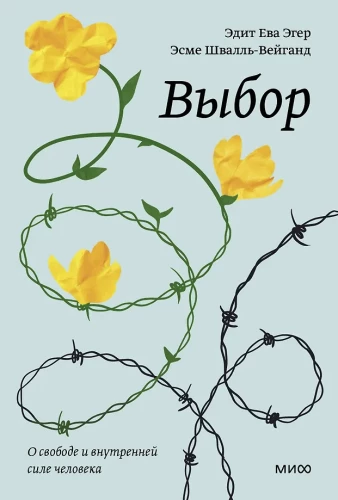
Choice. On the Freedom and Inner Strength of a Person
Эдит Ева Эгер, Эсме Швалль-Вейганд
€ 14.99
In stock
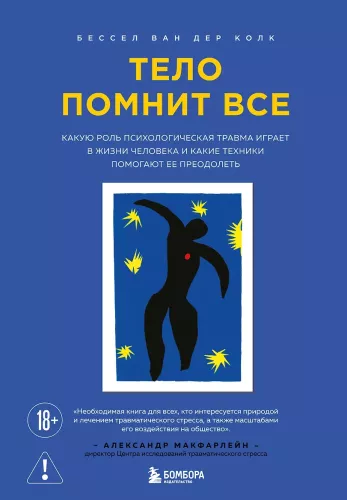
The Body Remembers Everything: The Role of Psychological Trauma in a Person's Life and Techniques to Overcome It
Бессел ван дер Колк


€ 6.99
In stock
€ 5.29
In stock