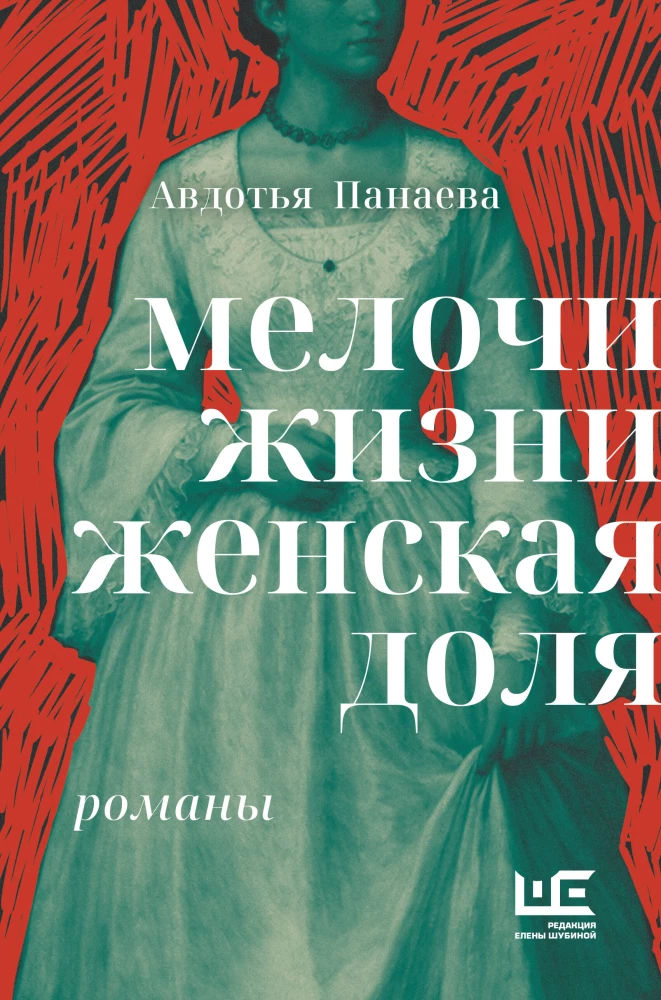
Trivialities of Life. Women's Fate
Author: Авдотья Панаева
Printhouse: AST
Series: Objects of Cult
Age restrictions: 16+
Year of publication: 2026
ISBN: 9785171778576
Number of pages: 704
Size: 219х150х41 mm
Cover type: hard
Weight: 757 g
ID: 1742270
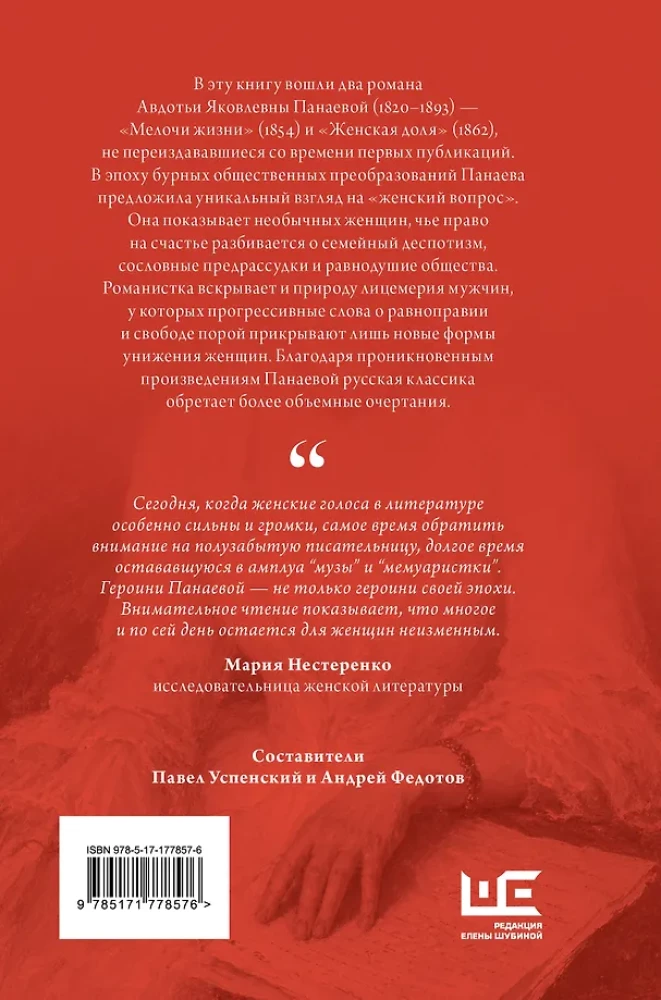
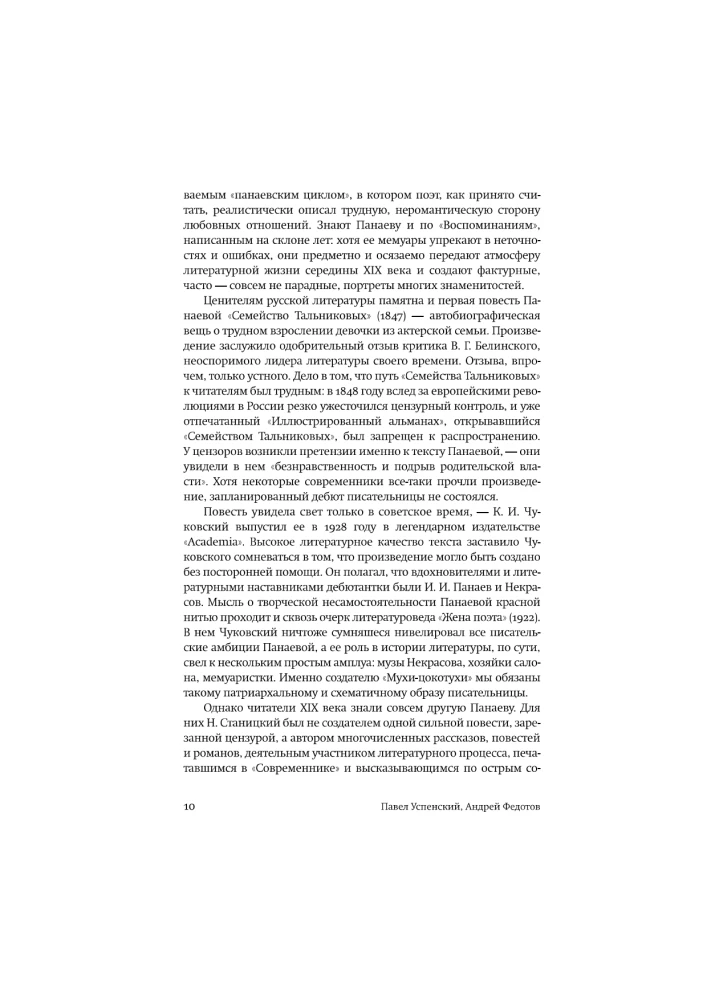
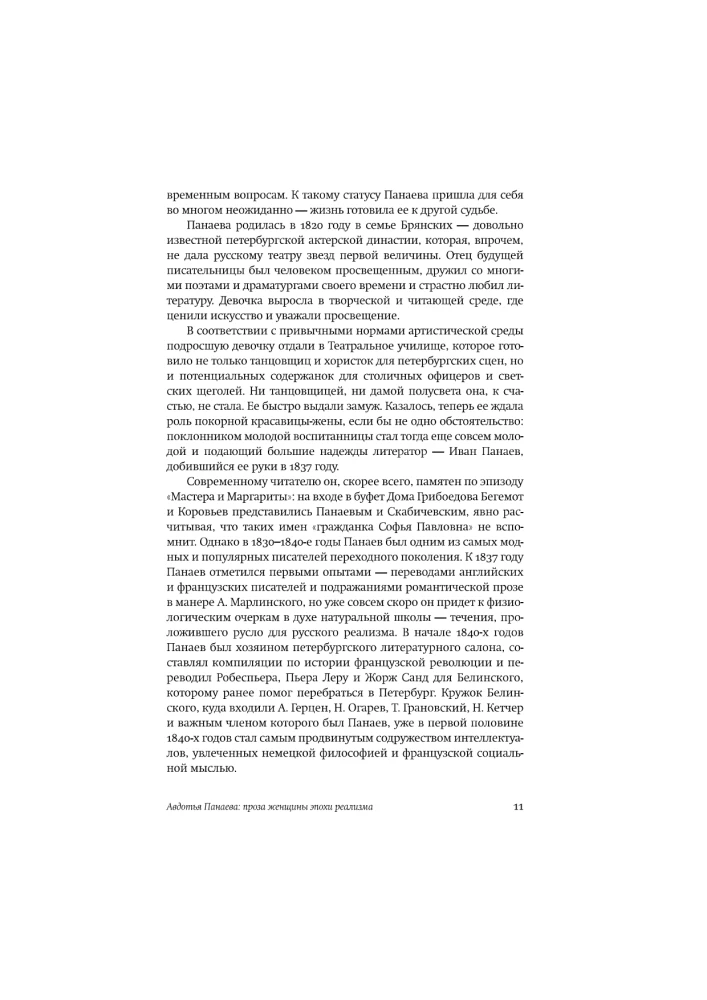
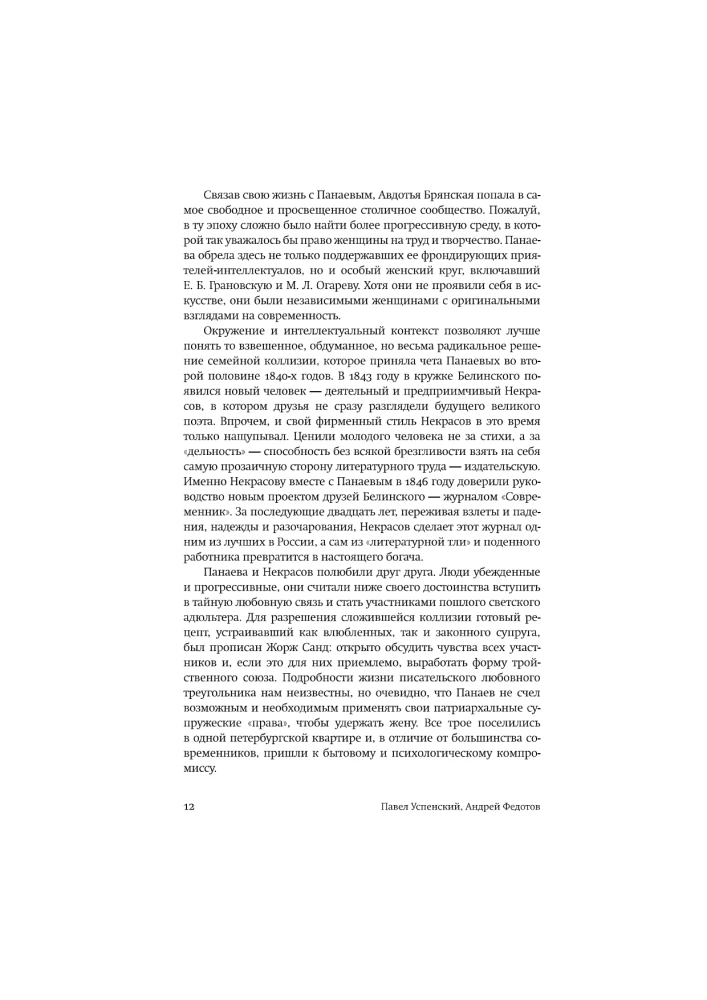
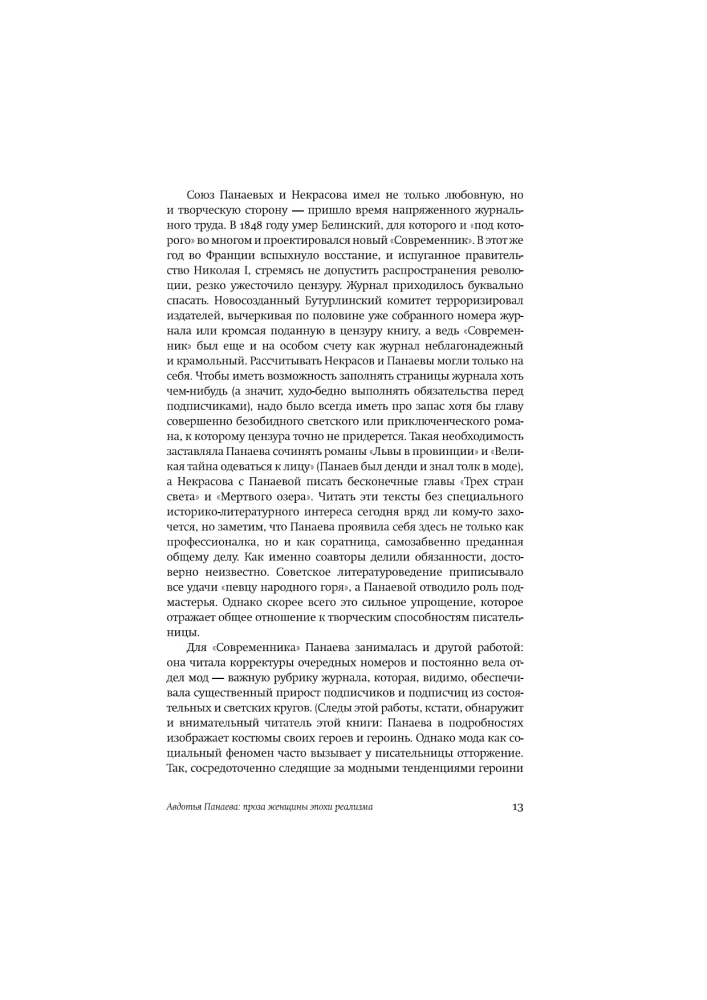
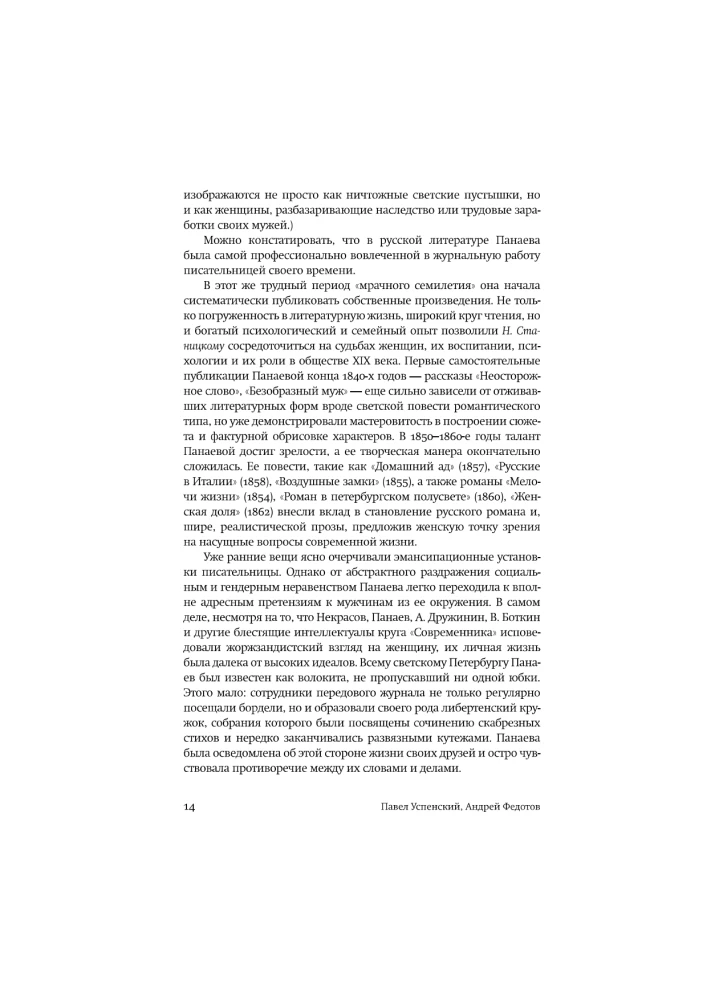
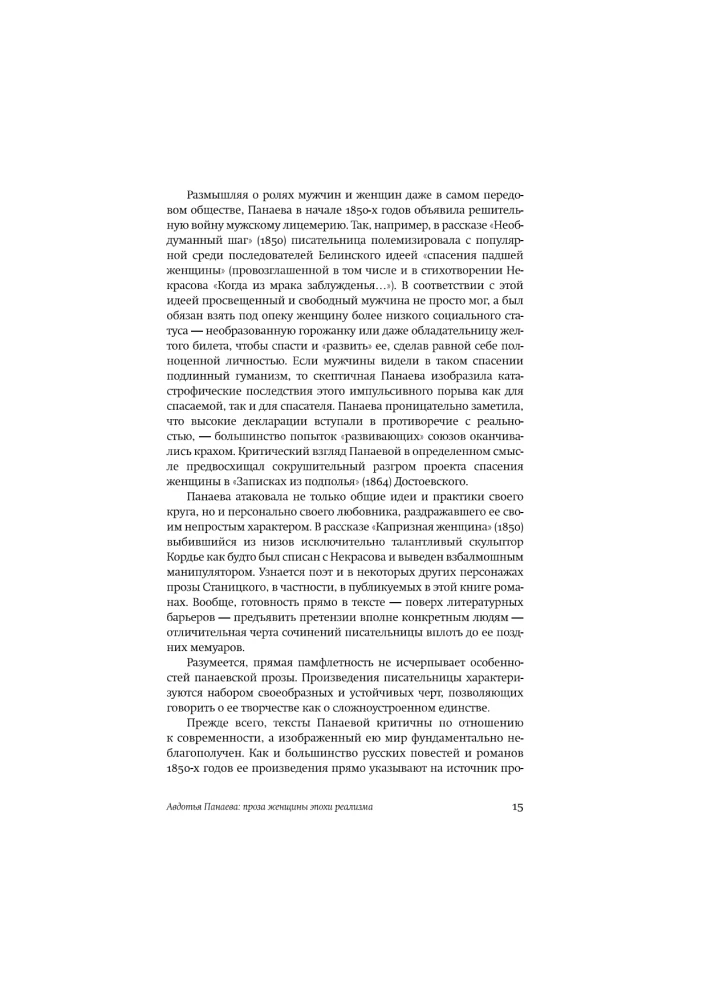
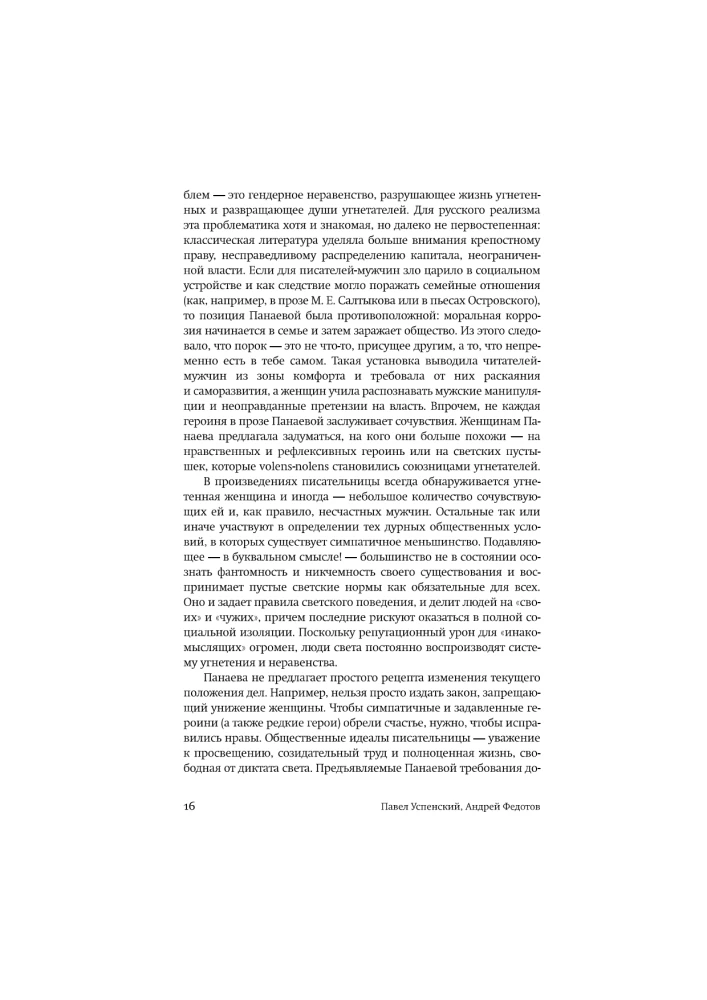
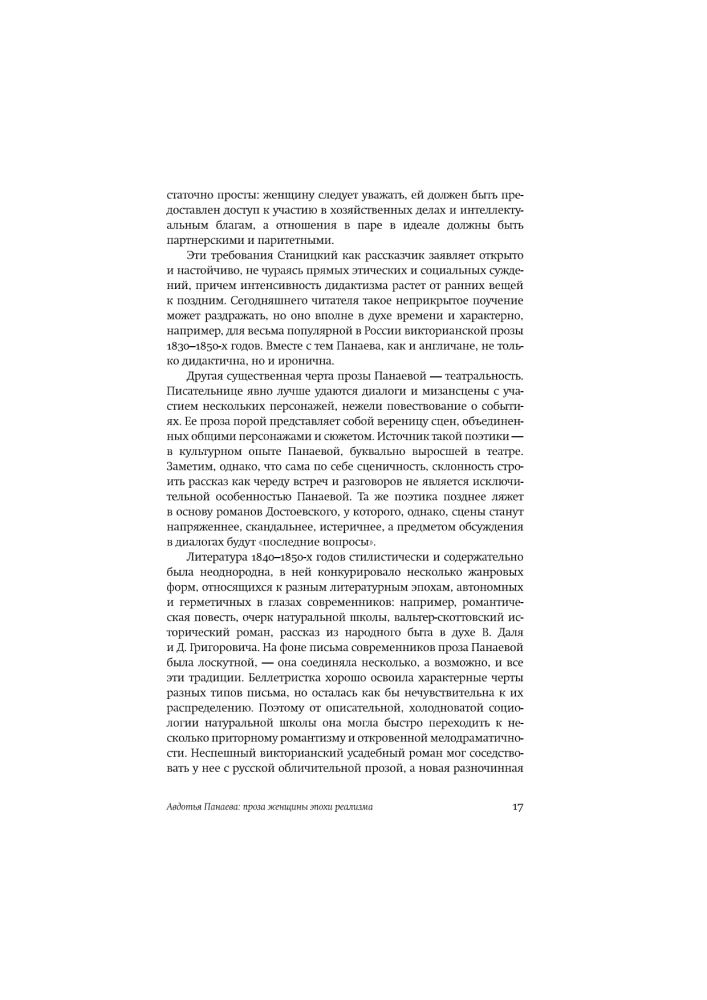
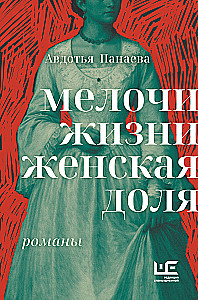
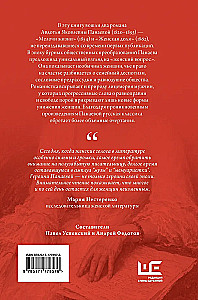
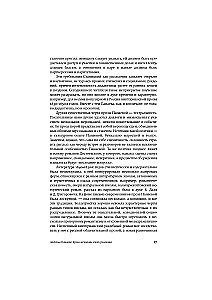
«Trivialities of Life. Women's Fate» — is a socio-domestic novel about women who try to break free from the dependence imposed by marriage, upbringing, and class rules. The book occupies an important place in 19th-century Russian literature: Avdotya Panayeva writes about women's unfreedom not abstractly, but through everyday life, family decisions, and the cost of independence. In this sense, her prose resonates with the texts of Alexander Herzen and Ivan Turgenev, where personal history becomes a conversation about the structure of society.
There is no abstract journalism here. Instead, it provides an accurate view of life in St. Petersburg, the habits of the aristocratic and diverse milieu, and how society shapes a woman's destiny even before she has the chance to make her own choices. The novels included in the book are still read today as a conversation about freedom, labor, and the right of a person to manage their life.
About the book
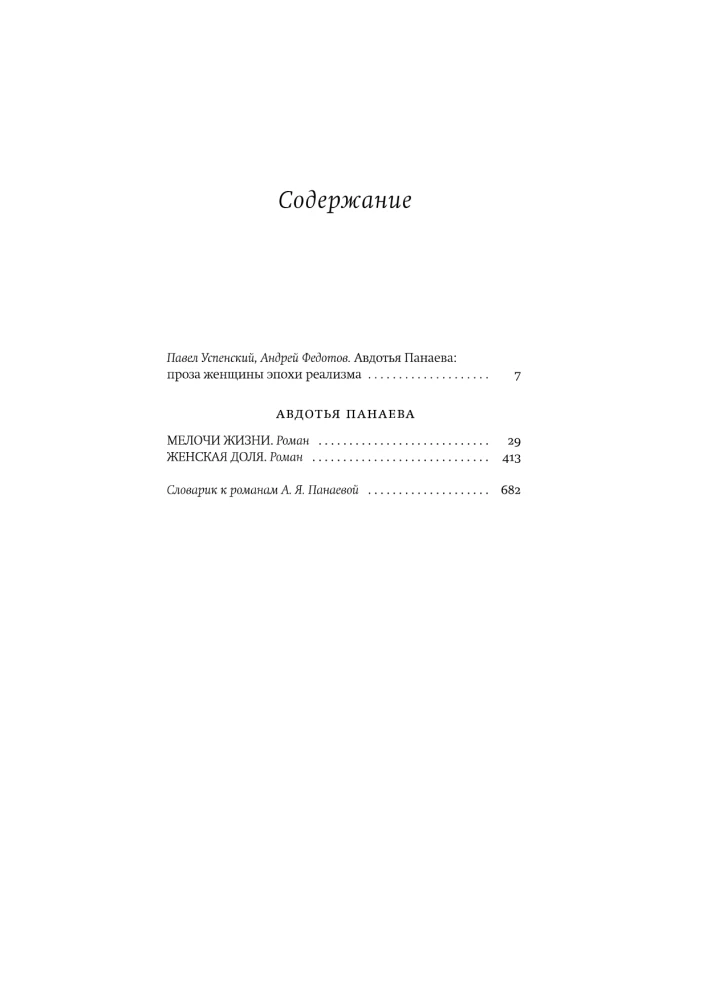
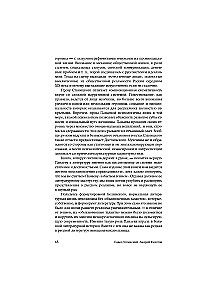
Under one cover, two novels from the mid-19th century are collected — «Trivialities of Life» and «Women's Fate». In the first, the story revolves around a gradual internal transformation: the heroine comes to the realization that she can no longer live by someone else's rules and begins to seek support in work, responsibility, and personal decision. In the second, the focus is on women of high society who find themselves in unfree marriages and in a state of moral and economic dependence.
Both works are united by an interest in how family structure, secular education, and class boundaries deprive a person of independence. The text combines domestic accuracy, social conflict, and careful attention to internal changes.
About the author:
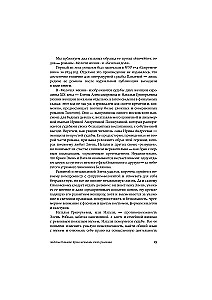
Avdotya Yakovlevna Panayeva — a Russian writer and memoirist, born and living in St. Petersburg. She grew up in a family of actors from the Alexandrinsky Theatre, studied at a theatrical school, and was associated with the circle of the magazine «Sovremennik», where she interacted with notable writers of her time.
In addition to the novels «Trivialities of Life» and «Women's Fate», she is known for her stories:
«Steppe Young Lady»
«Domestic Hell»
«Dreamer»
«Memoirs» — an important source for the history of the literary environment of the 19th century.
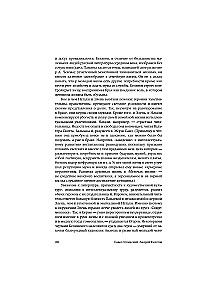
Her prose focuses on family relationships, the status of women, and the mores of St. Petersburg society.
Bestsellers









Publishers "AST" recommends