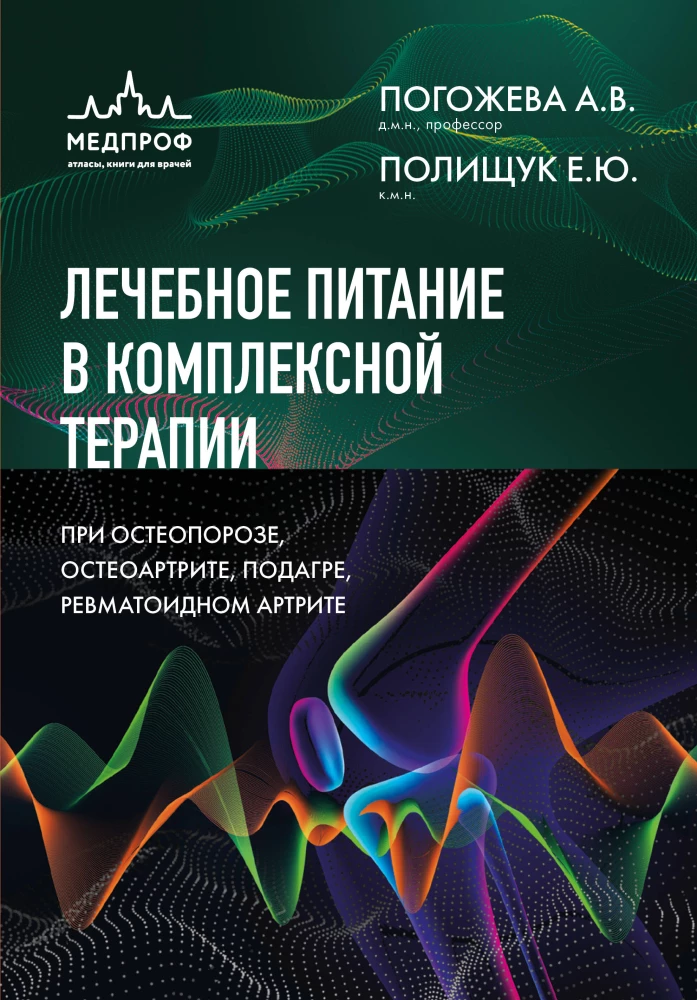
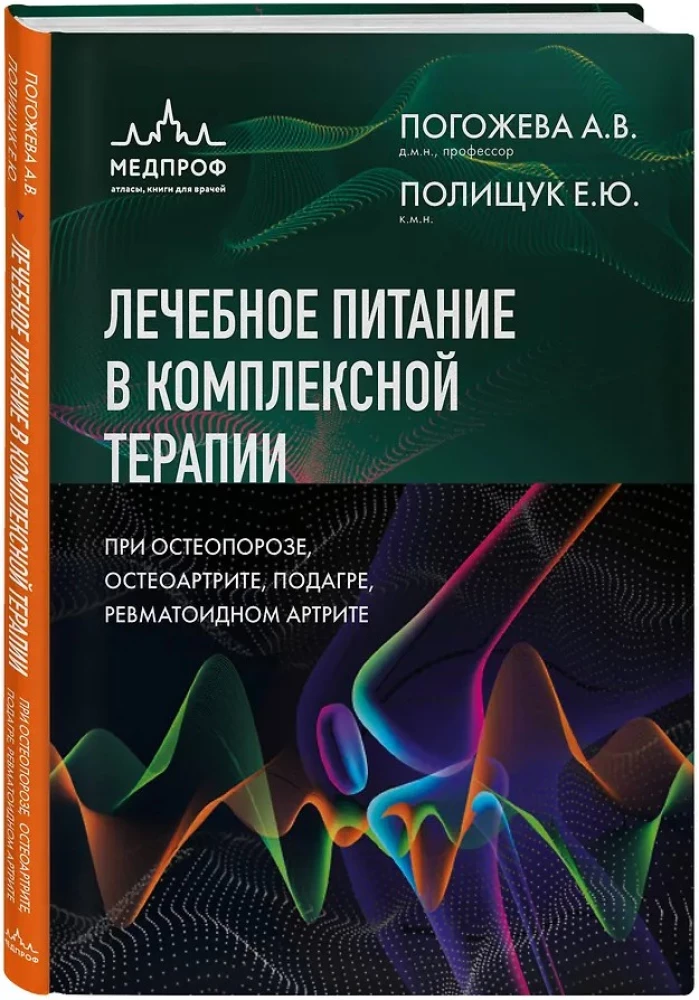
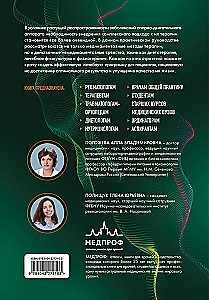
Therapeutic Nutrition in Comprehensive Therapy for Osteoporosis, Osteoarthritis, Gout, Rheumatoid Arthritis
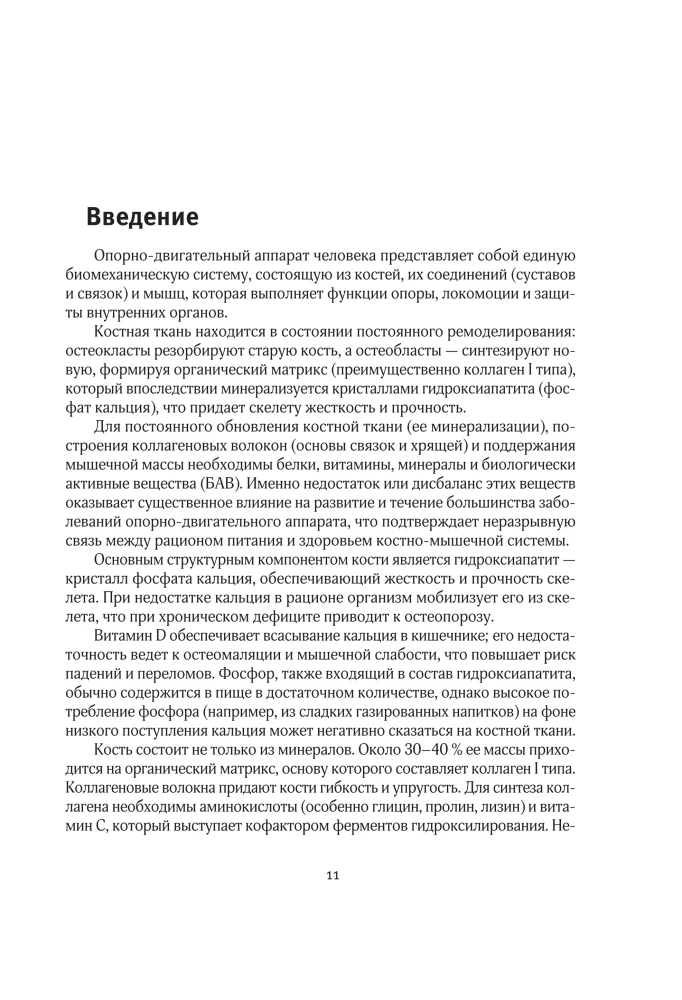
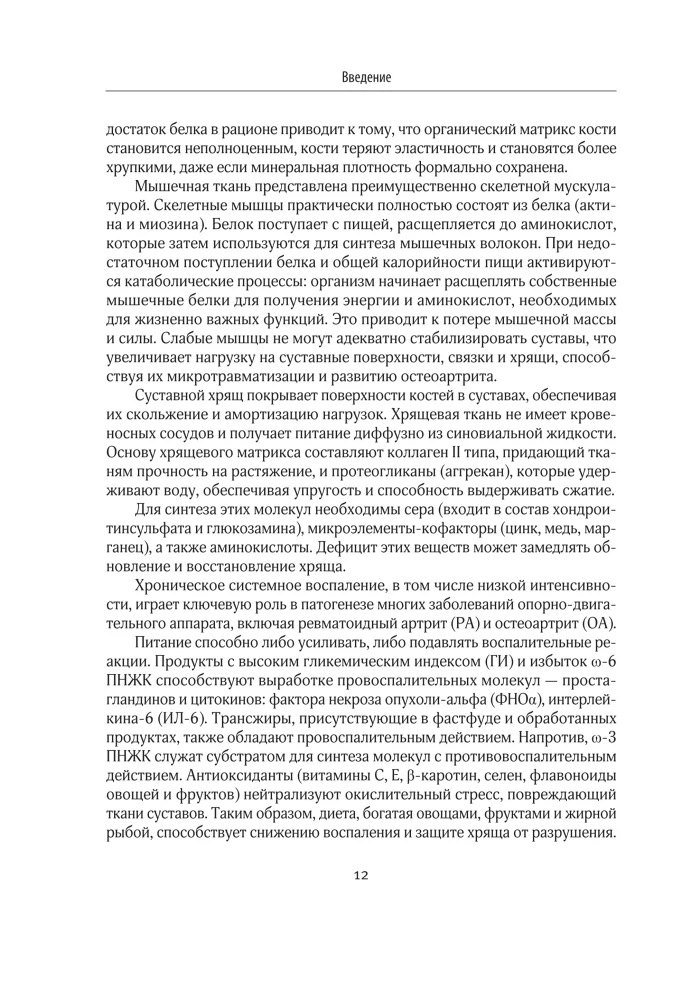
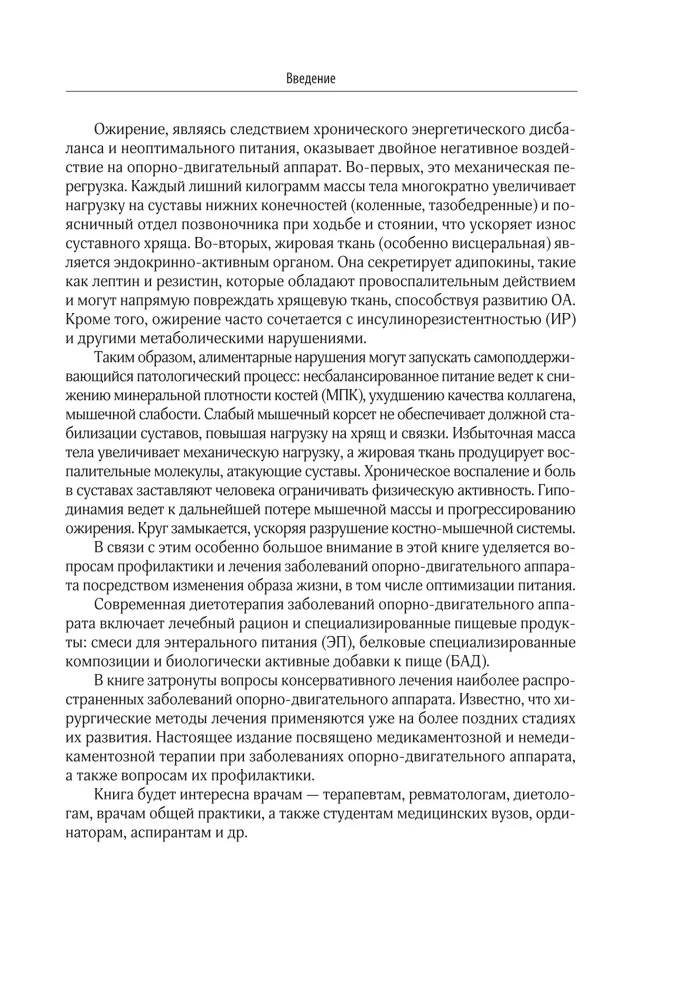
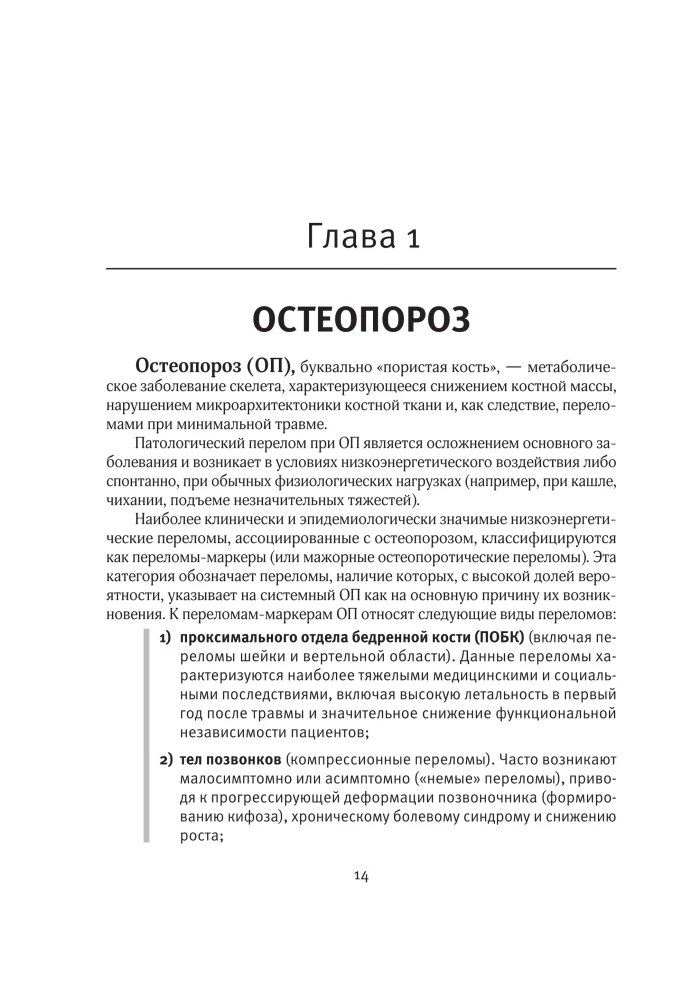
It is known that proteins, vitamins, minerals, and biologically active substances are necessary for the constant renewal of bone tissue, the formation of collagen fibers (the basis of ligaments and cartilages), and the maintenance of muscle mass. It is the...
lack or imbalance of these substances that has a significant impact on the development and course of most musculoskeletal disorders (MSD), proving a direct link between diet and the condition of the musculoskeletal system of a person.
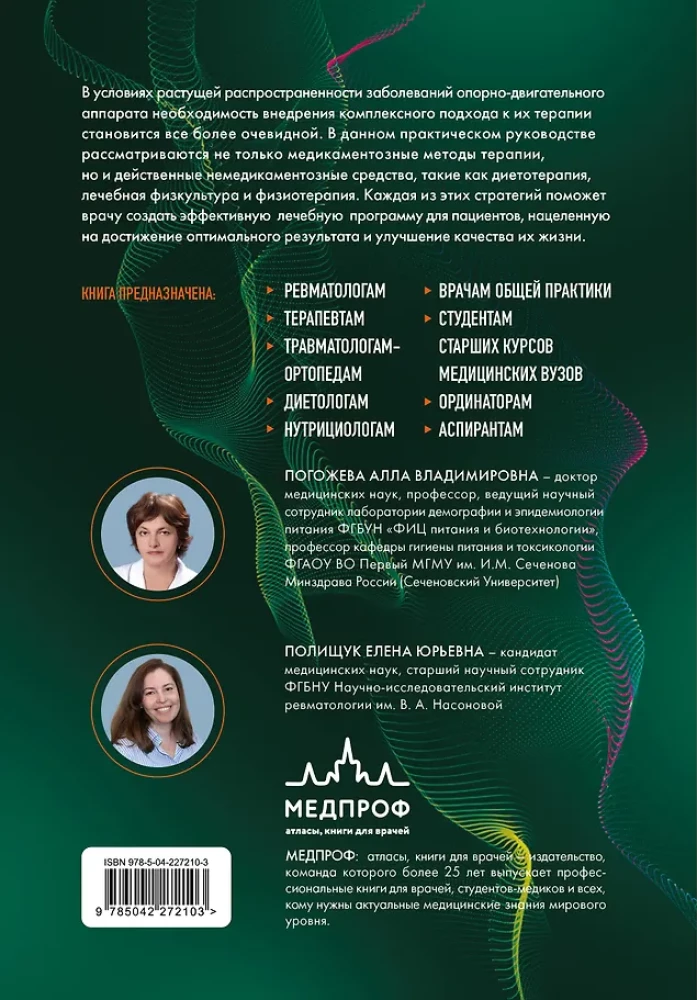
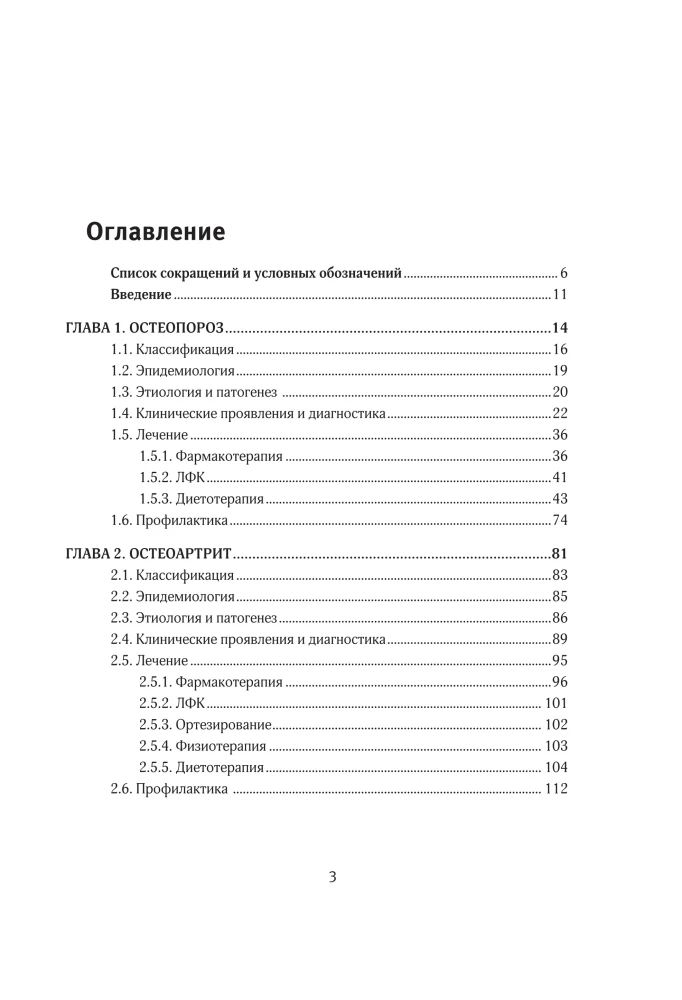
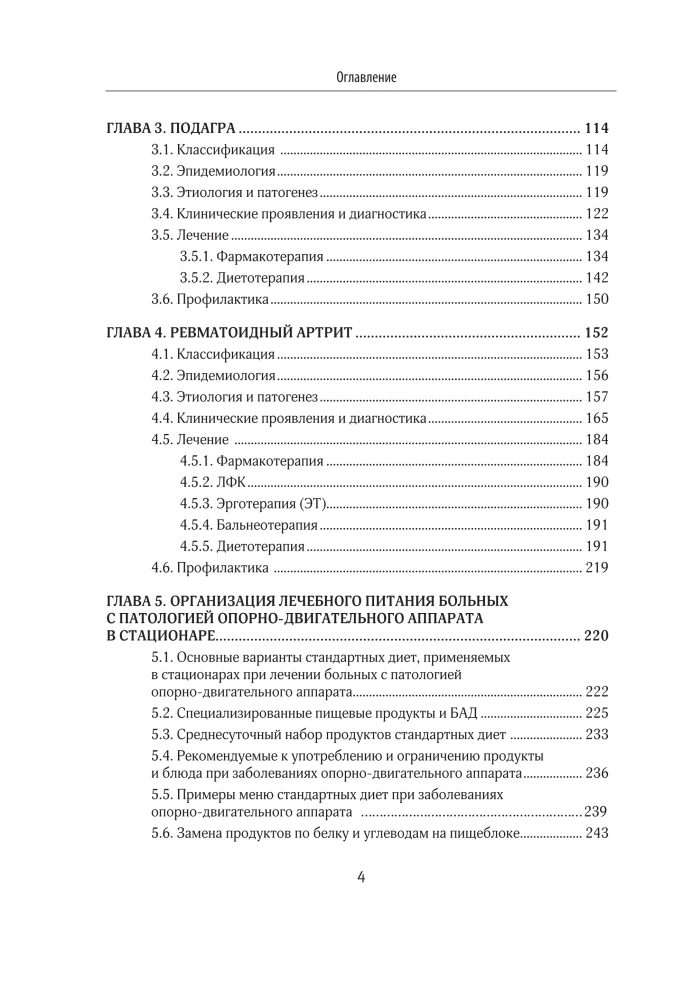
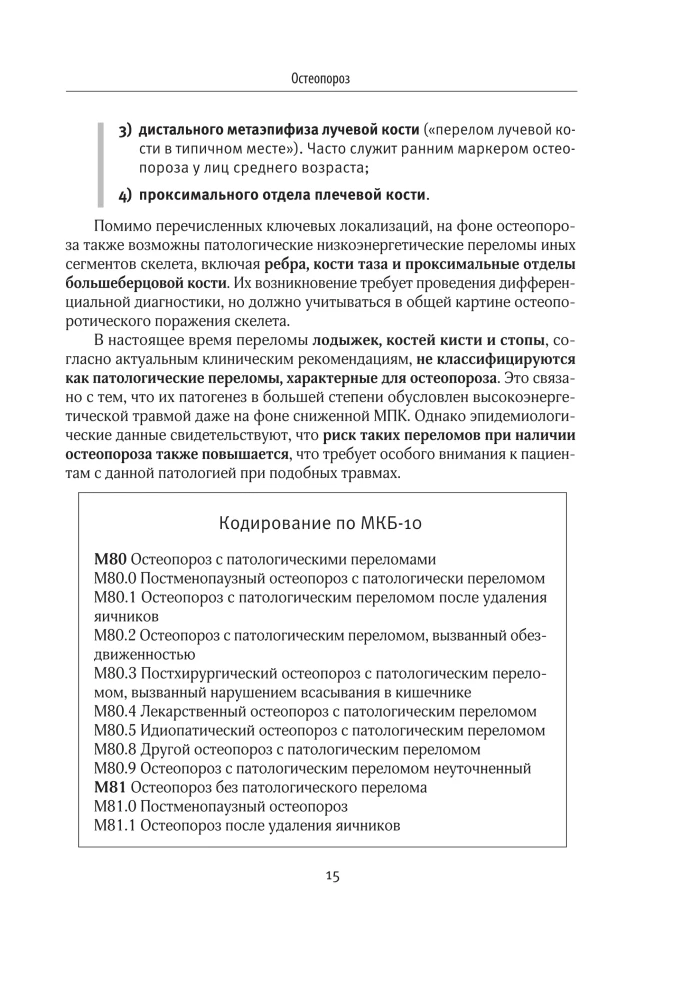
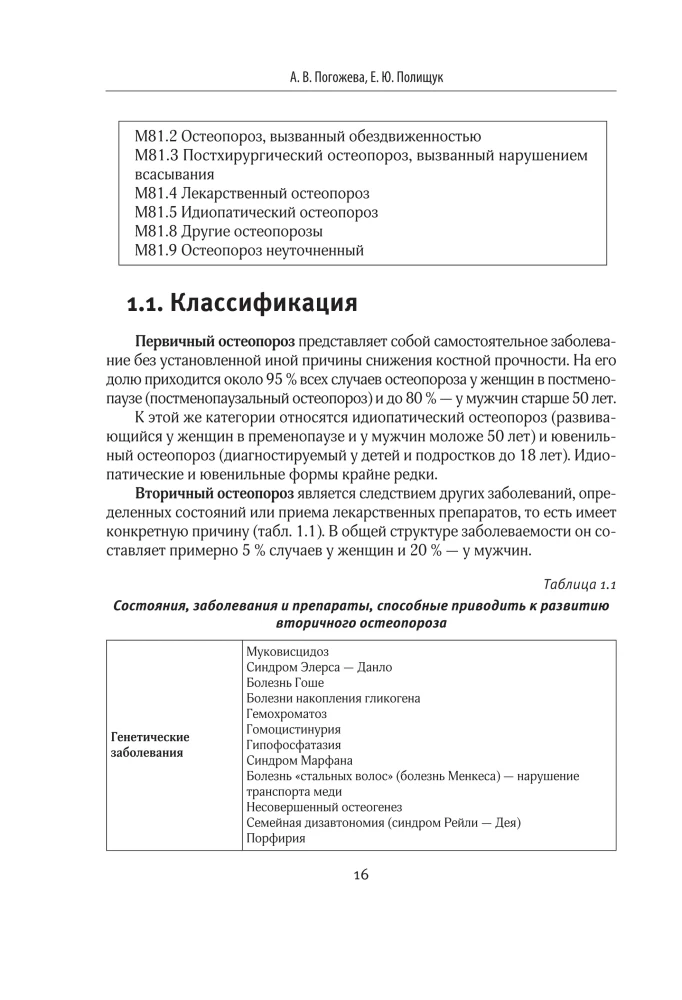
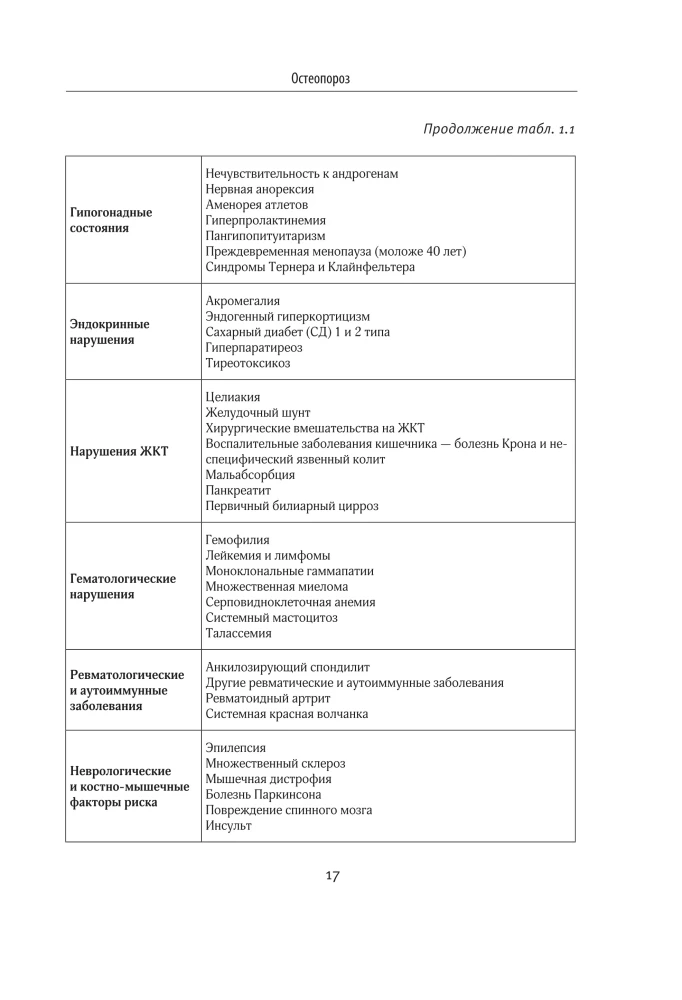
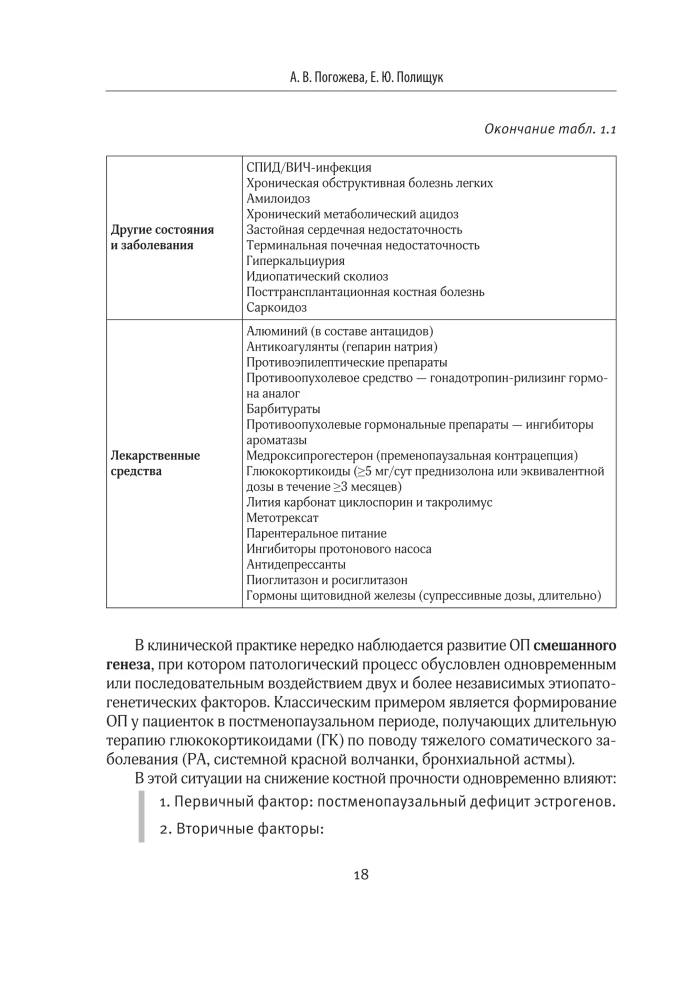
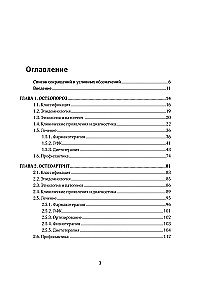
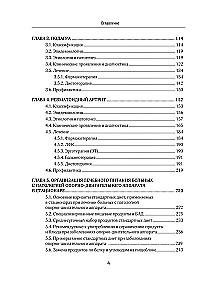
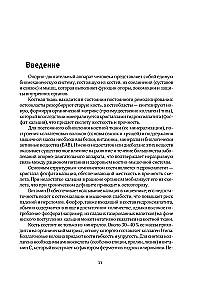
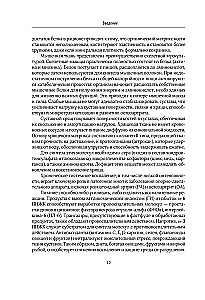
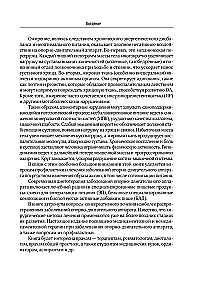
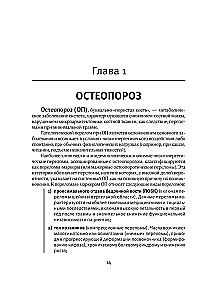
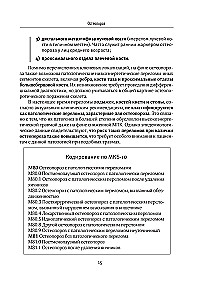
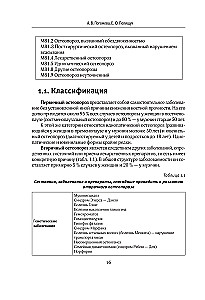
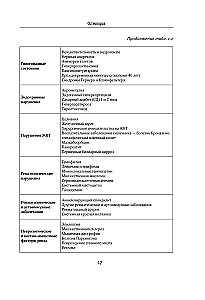
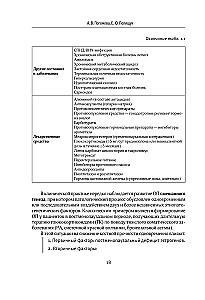
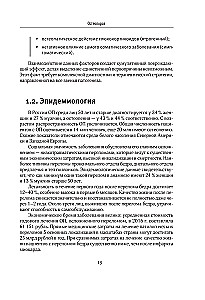
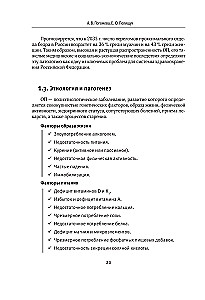
The book is a structured practical guide dedicated to current issues of etiology, diagnosis, therapy, and prevention of the most common MSDs. The guide consists of two key thematic blocks. The first chapters detail osteoporosis, osteoarthritis, gout, and rheumatoid arthritis. For each nosology, modern classifications, epidemiological data, pathogenic mechanisms, and a detailed description of clinical manifestations are provided. Special attention is given to the principles of comprehensive treatment, including pharmacotherapy, therapeutic exercise, and physiotherapy.
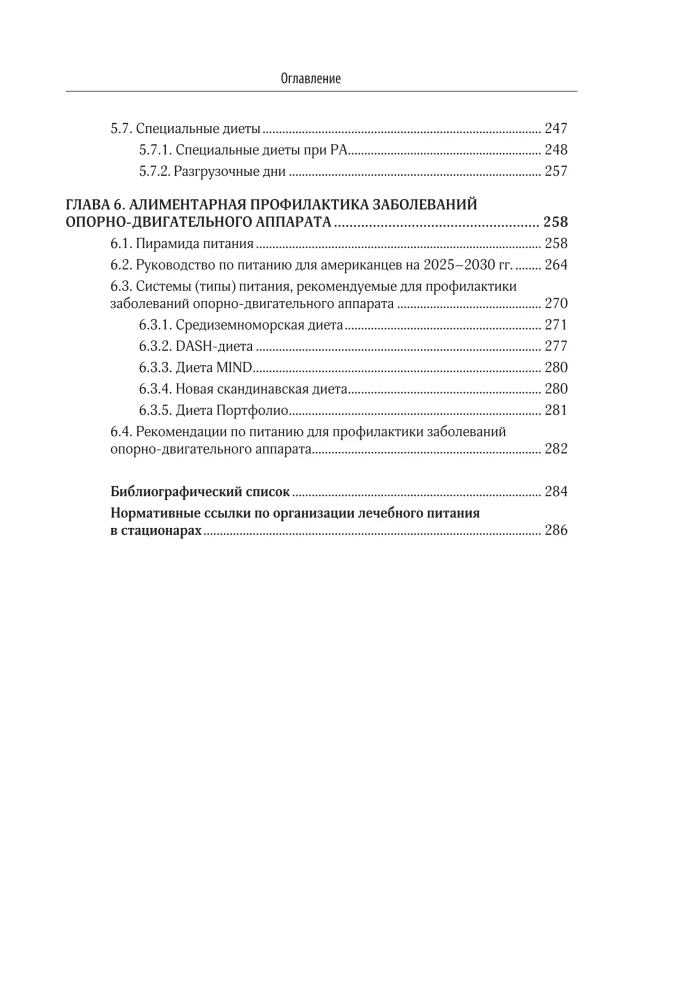
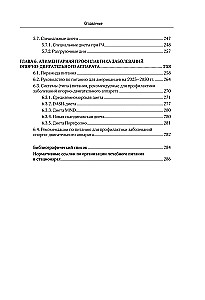
A central place in the book is occupied by the section dedicated to organizing therapeutic nutrition in a hospital setting. The authors provide detailed descriptions of standard diet options, the use of specialized food products and dietary supplements. Average daily food sets, menu examples, and tables of product interchangeability are presented. The publication concludes with a chapter on alimentary prevention, which analyzes modern dietary systems (Mediterranean, DASH, MIND, New Nordic, and Portfolio diet), illustrates various food pyramids, and presents the latest recommendations (for 2025–2030).
The book is a structured practical guide dedicated to current issues of etiology, diagnosis, therapy, and prevention of the most common MSDs. The guide consists of two key thematic blocks. The first chapters detail osteoporosis, osteoarthritis, gout, and rheumatoid arthritis. For each nosology, modern classifications, epidemiological data, pathogenic mechanisms, and a detailed description of clinical manifestations are provided. Special attention is given to the principles of comprehensive treatment, including pharmacotherapy, therapeutic exercise, and physiotherapy.
A central place in the book is occupied by the section dedicated to organizing therapeutic nutrition in a hospital setting. The authors provide detailed descriptions of standard diet options, the use of specialized food products and dietary supplements. Average daily food sets, menu examples, and tables of product interchangeability are presented. The publication concludes with a chapter on alimentary prevention, which analyzes modern dietary systems (Mediterranean, DASH, MIND, New Nordic, and Portfolio diet), illustrates various food pyramids, and presents the latest recommendations (for 2025–2030).
Author: Алла Погожева, Елена Полищук
Printhouse: Eksmo
Series: Medical Desk Reference
Age restrictions: 16+
Year of publication: 2026
ISBN: 9785042272103
Number of pages: 288
Size: 243х172х18 mm
Cover type: hard
Weight: 515 g
ID: 1740059
In stock
€ 17.19
Will be delivered to United States on 29 September (Tu):
By courier
from € 38.94
Bestsellers





€ 13.29
In stock
12 Weeks in a Year. How to Achieve More in 12 Weeks Than Others Do in 12 Months
Майкл Леннингтон, Брайан Моран


€ 7.89
In stock
Choice. On the Freedom and Inner Strength of a Person
Эдит Ева Эгер, Эсме Швалль-Вейганд

€ 14.99
In stock
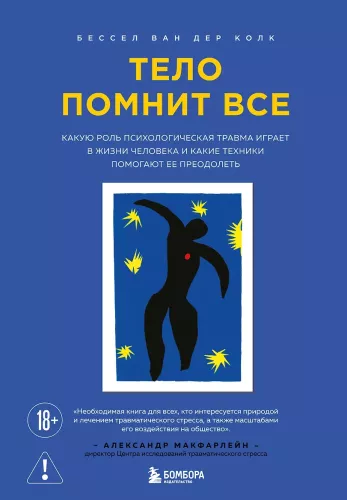
The Body Remembers Everything: The Role of Psychological Trauma in a Person's Life and Techniques to Overcome It
Бессел ван дер Колк

€ 6.99
In stock