New
-Photoroom-large.webp)
-Photoroom-thumb.jpg)
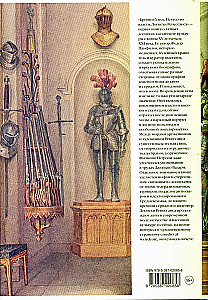
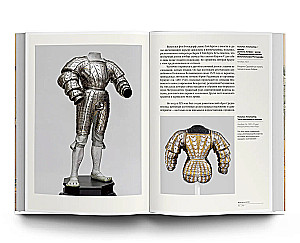
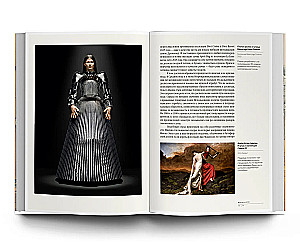
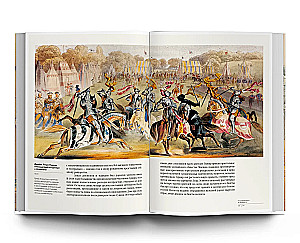
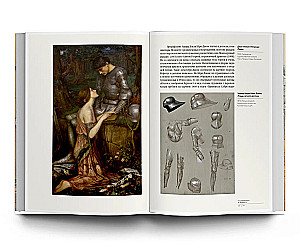
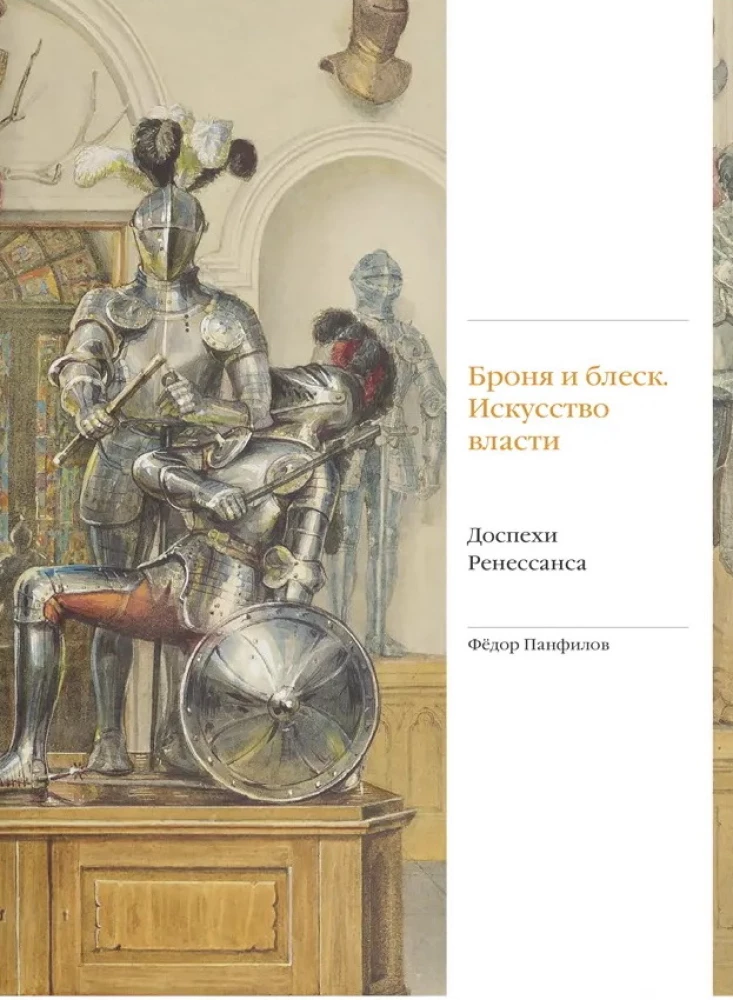
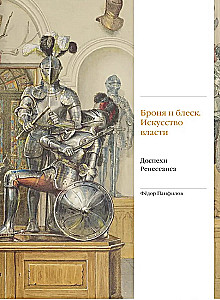
Armor and Shine. The Art of Power. Renaissance Armor
I wanted to talk about the plate armor as a cultural symbol. From its "golden age," which fell at the end of the XV-XVI centuries, to Victorian myths and fakes, Pre-Raphaelite paintings, fantasy universes, and modern fashion runways. And to...
show that armor meant much more to a person of the sixteenth century than just a reliable and expensive means of protection. And how for us they became an integral part of ideas about the past and imaginary worlds, stirring the imagination. Fedor Panfilov
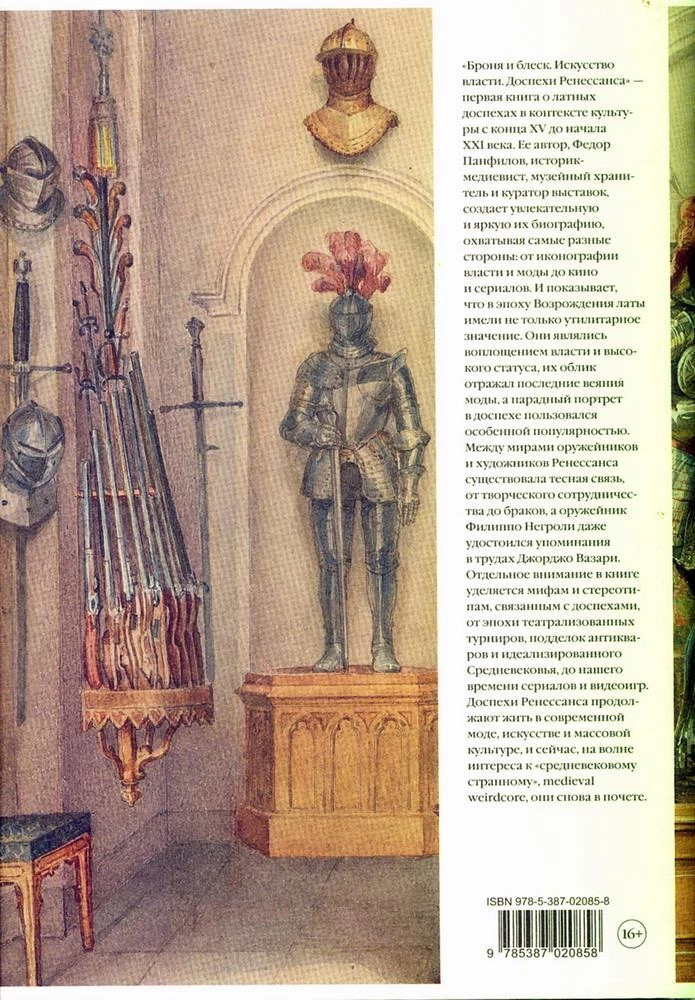
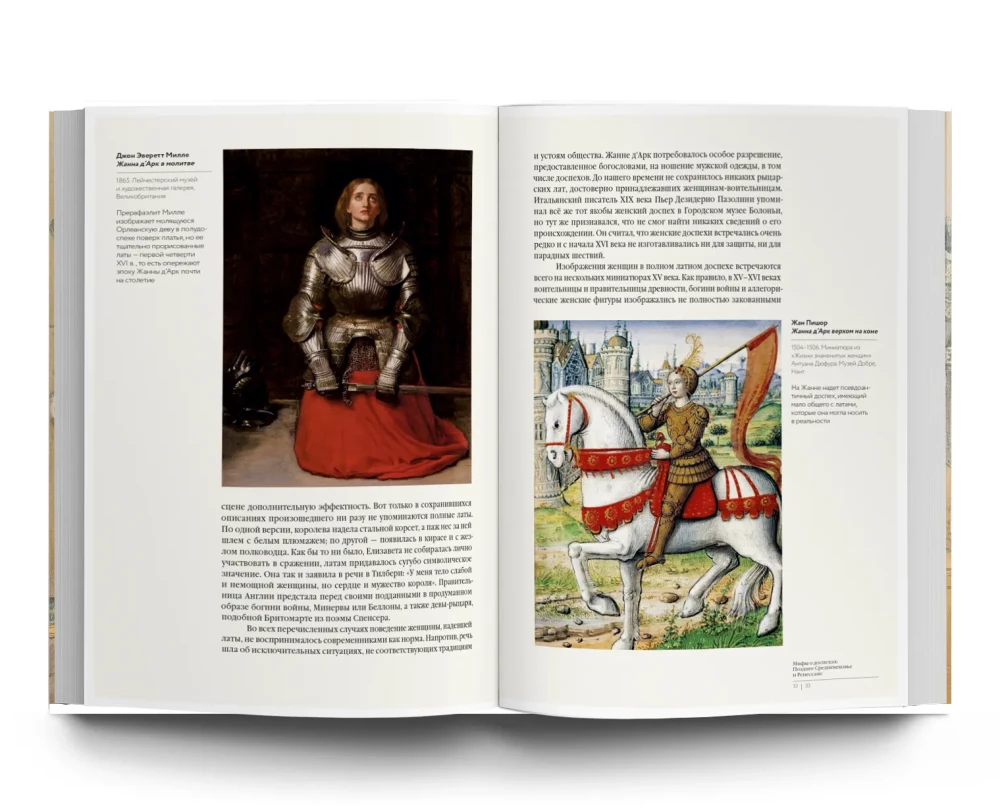
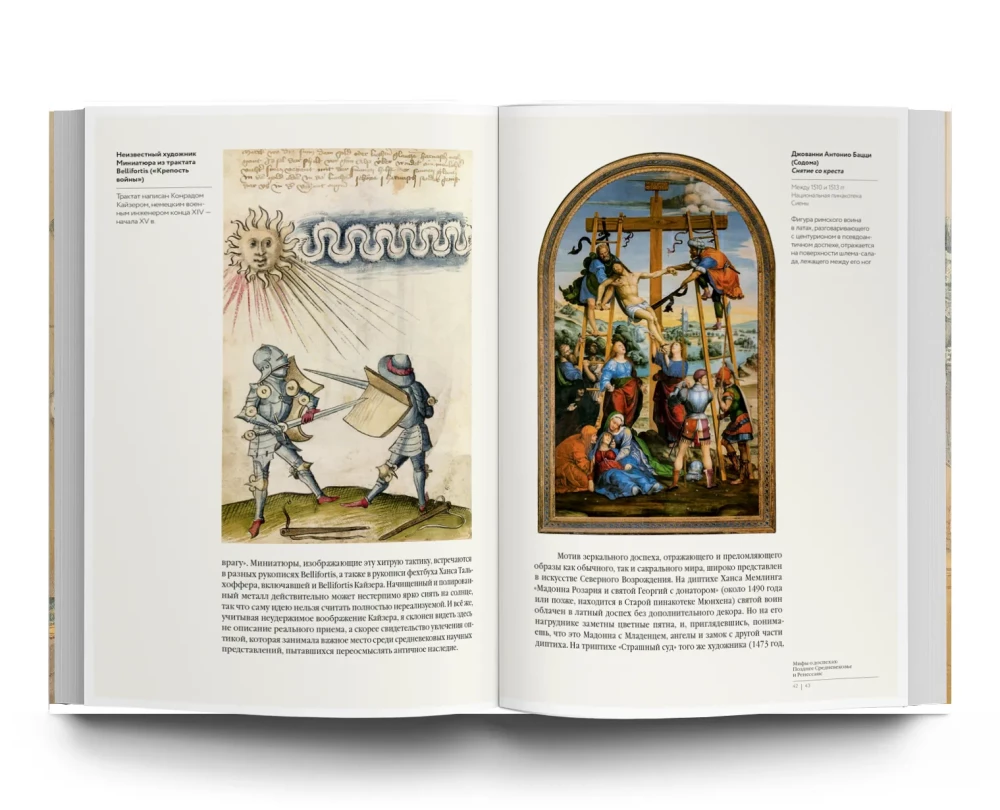
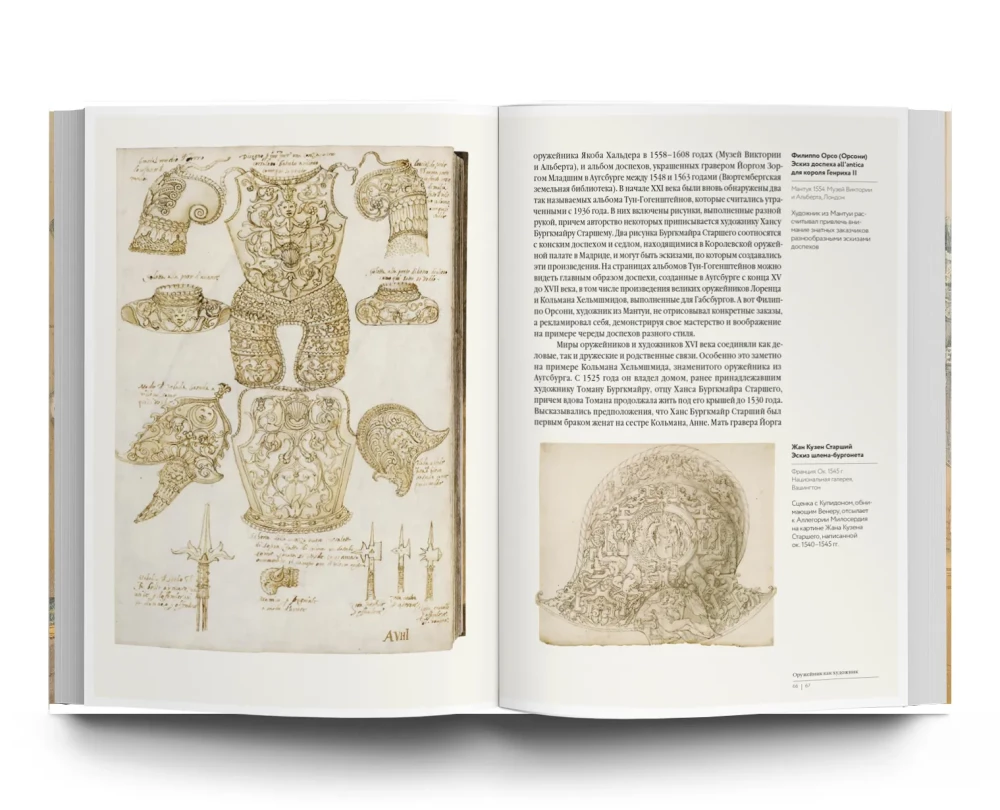
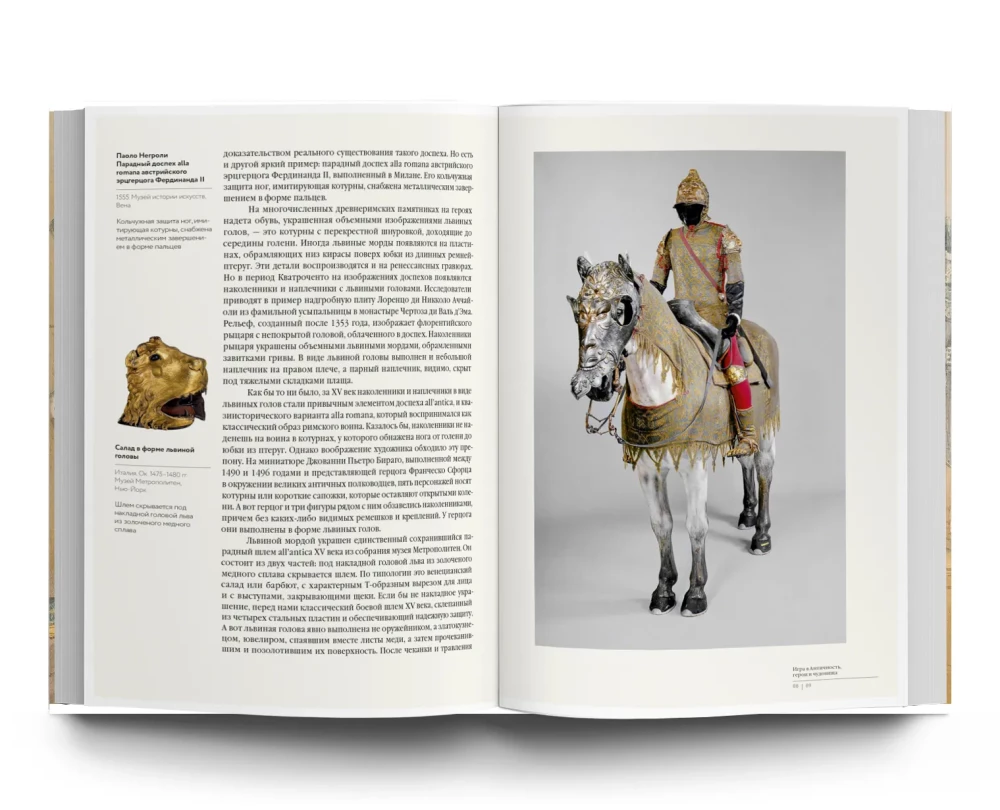
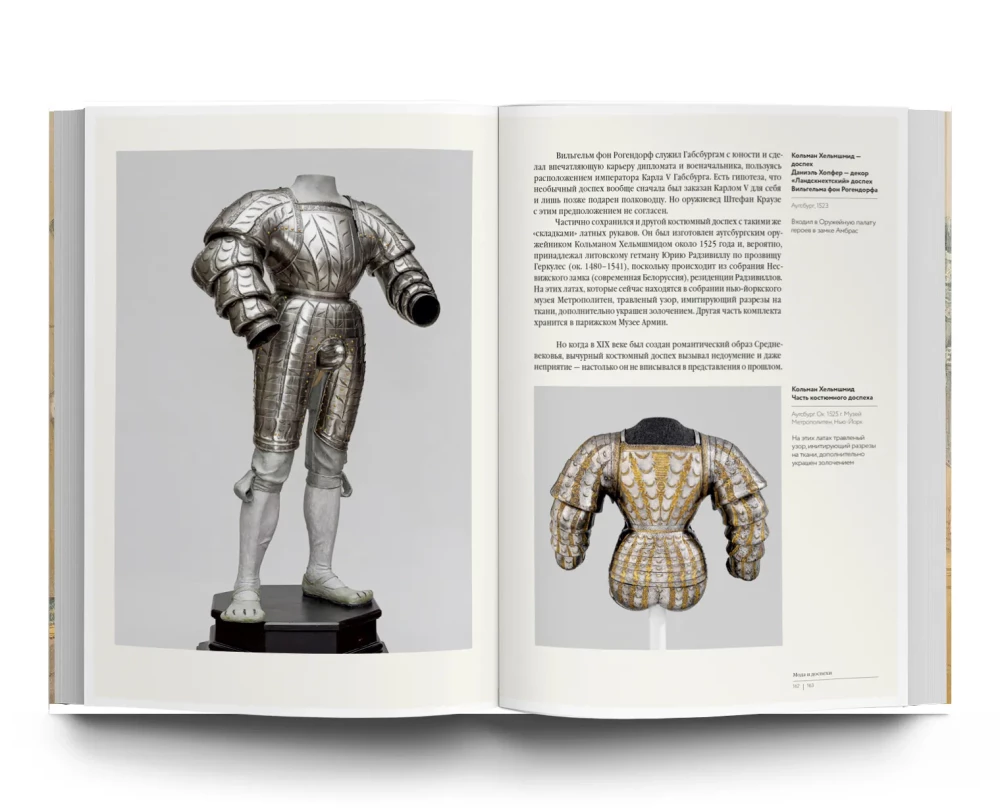
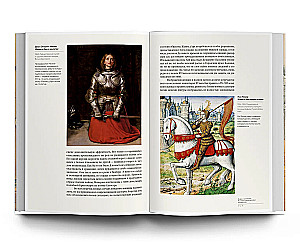
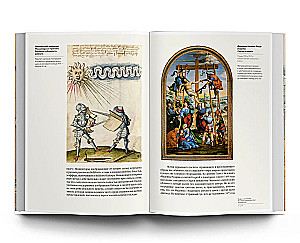
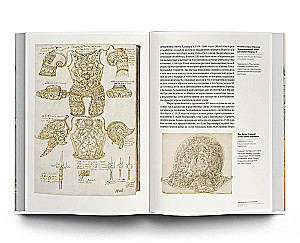
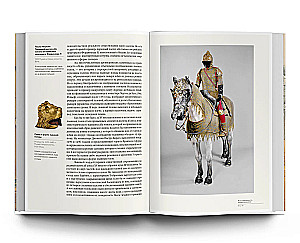
In the Renaissance, armor had not only a utilitarian significance. They embodied power and high status, their appearance reflected the latest trends in fashion, and parade portraits in armor enjoyed particular popularity. There was a close connection between the worlds of armorers and artists of the Renaissance, from creative collaboration to marriages, and the armorer Filippo Negri even earned a mention in the works of Giorgio Vasari.
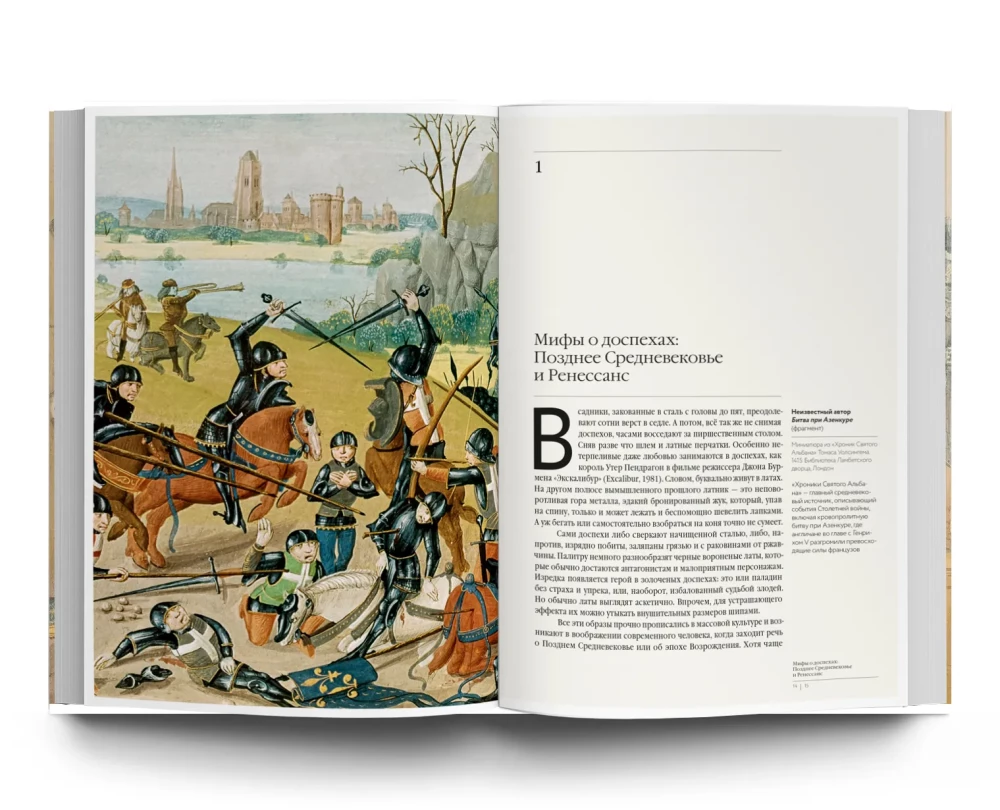
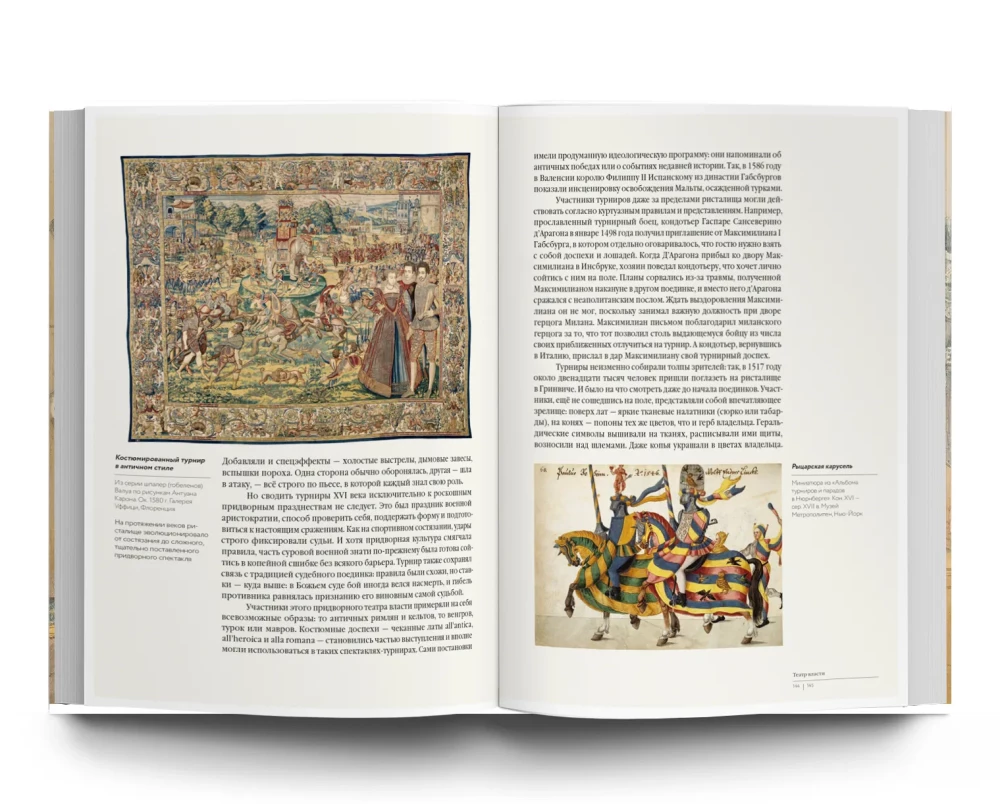
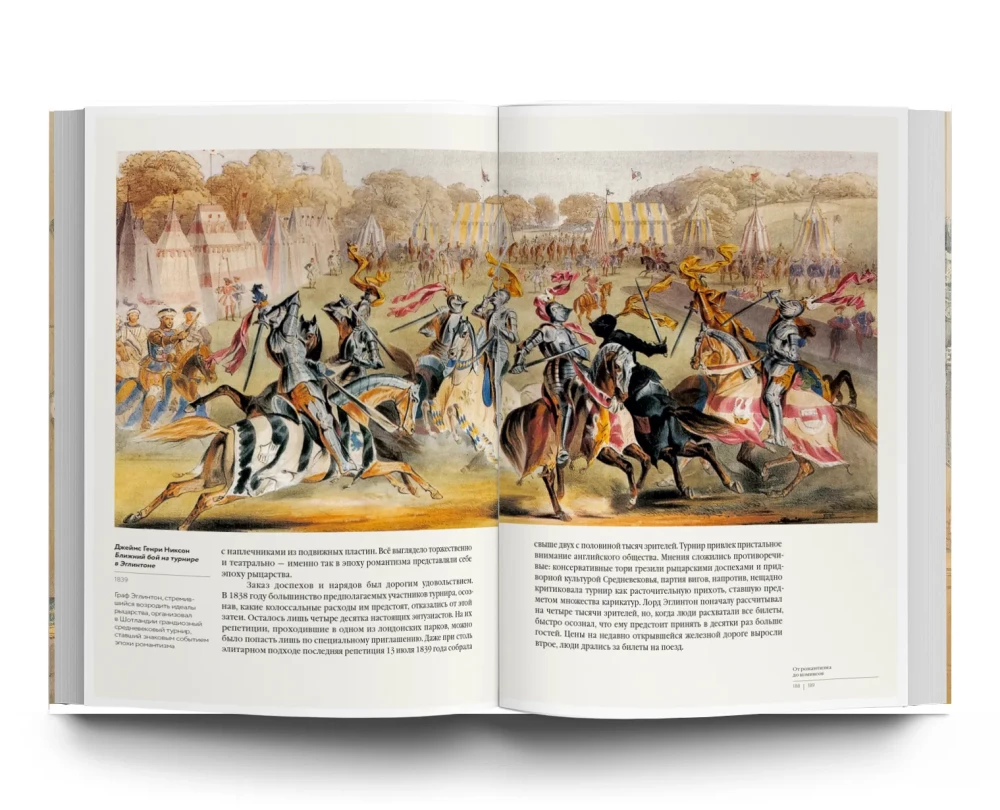
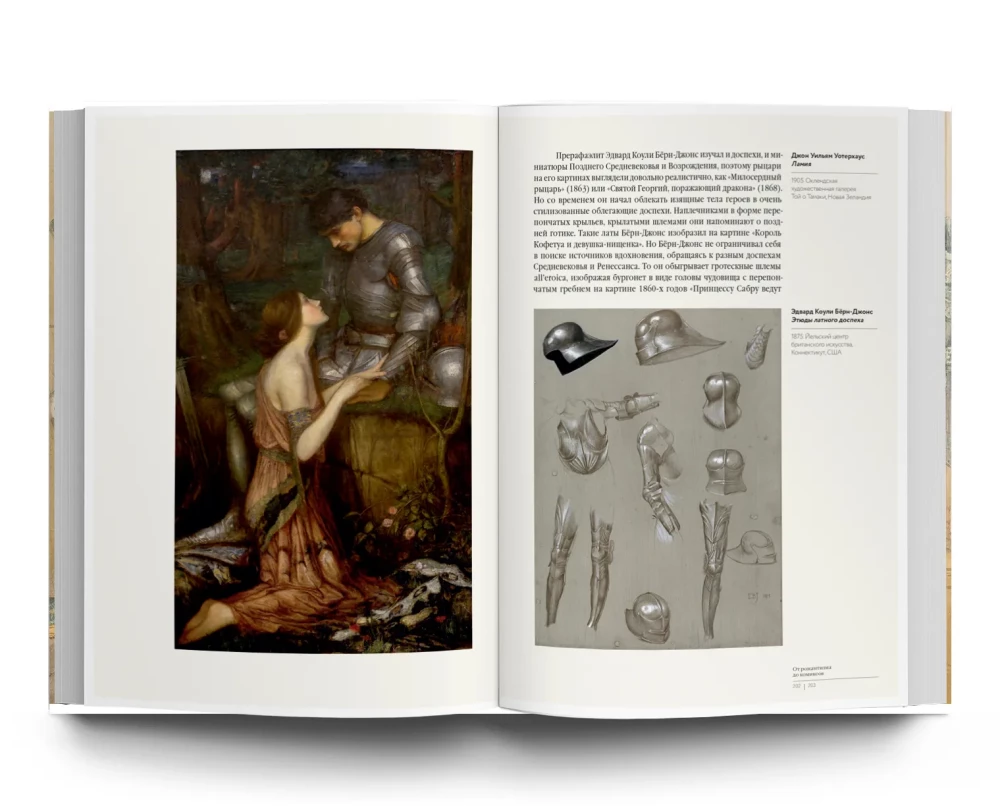
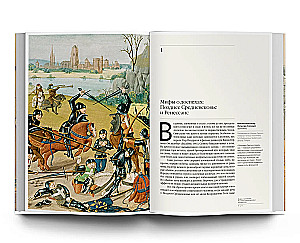
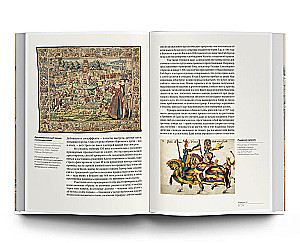
Particular attention in the book is given to myths and stereotypes related to armor, from the era of theatrical tournaments, fakes by antiquarians, and idealized Medieval times, to our contemporary series and video games.
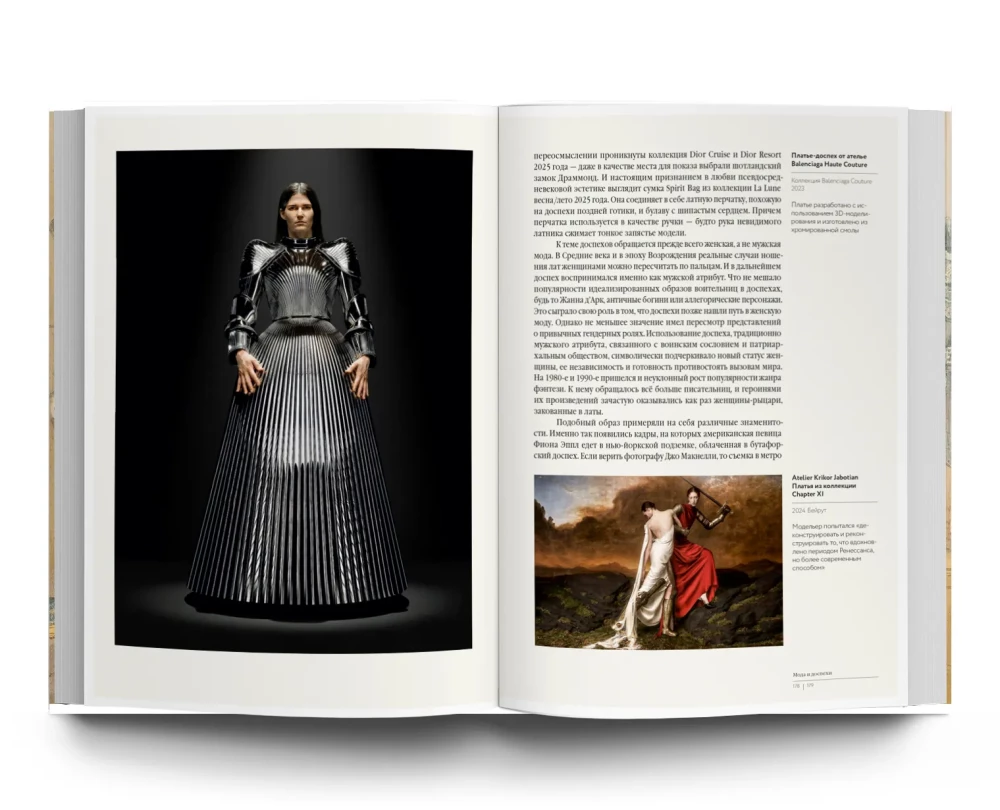
Renaissance armor continues to live on in modern fashion, art, and mass culture, and now, amidst the interest in "medieval weird," medieval weirdcore, they are once again in vogue.
Fedor Panfilov is a historian specializing in the Middle Ages, author of works dedicated to ceremonial armor and weapons of the XVI-XVIII centuries, as well as historical myths in mass culture. Curator of exhibitions on the history of knighthood and dueling, and on the perception of the Middle Ages in the 19th century ("Duel. From Divine Judgment to Noble Crime")
In the Renaissance, armor had not only a utilitarian significance. They embodied power and high status, their appearance reflected the latest trends in fashion, and parade portraits in armor enjoyed particular popularity. There was a close connection between the worlds of armorers and artists of the Renaissance, from creative collaboration to marriages, and the armorer Filippo Negri even earned a mention in the works of Giorgio Vasari.
Particular attention in the book is given to myths and stereotypes related to armor, from the era of theatrical tournaments, fakes by antiquarians, and idealized Medieval times, to our contemporary series and video games.
Renaissance armor continues to live on in modern fashion, art, and mass culture, and now, amidst the interest in "medieval weird," medieval weirdcore, they are once again in vogue.
Fedor Panfilov is a historian specializing in the Middle Ages, author of works dedicated to ceremonial armor and weapons of the XVI-XVIII centuries, as well as historical myths in mass culture. Curator of exhibitions on the history of knighthood and dueling, and on the perception of the Middle Ages in the 19th century ("Duel. From Divine Judgment to Noble Crime")
Author: Фёдор Панфилов
Printhouse: Slovo
Age restrictions: 16+
Year of publication: 2026
ISBN: 9785387020858
Number of pages: 327
Size: 240х165х23 mm
Cover type: hard
Weight: 402 g
ID: 1739667
Available from suppliers
Expected delivery time is about 3 weeks
€ 66.20
Available from suppliers
Expected delivery time is about 3 weeks
€ 66.20
Bestsellers








€ 5.19
In stock


€ 9.29
In stock
Choice. On the Freedom and Inner Strength of a Person
Эдит Ева Эгер, Эсме Швалль-Вейганд