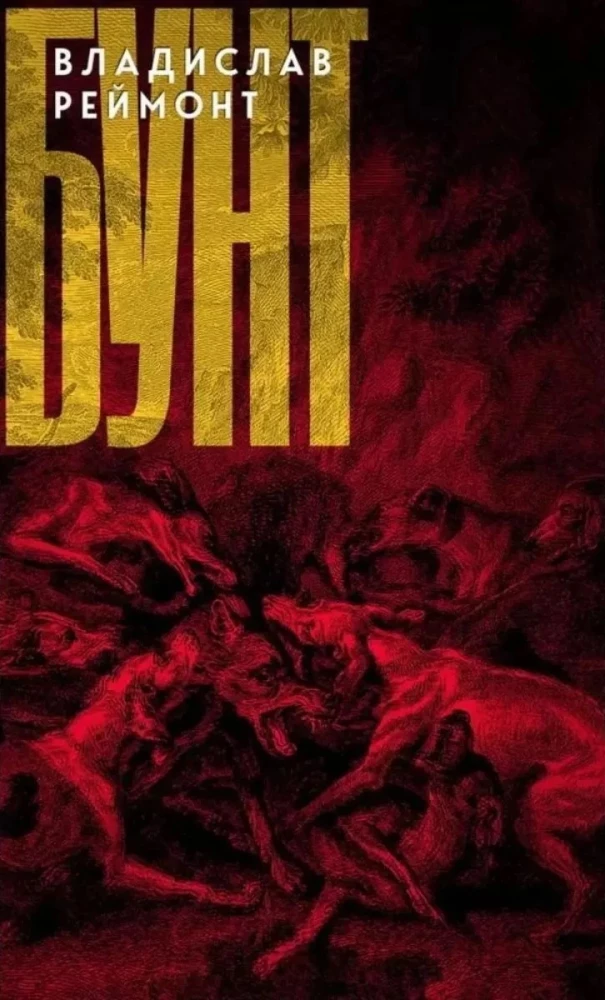
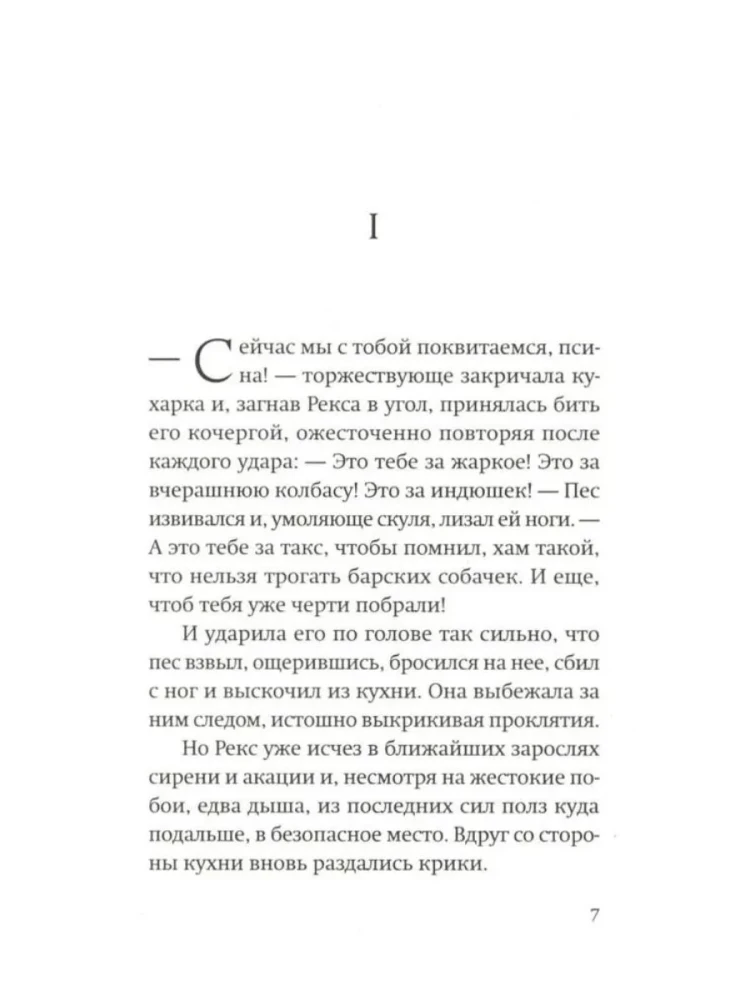
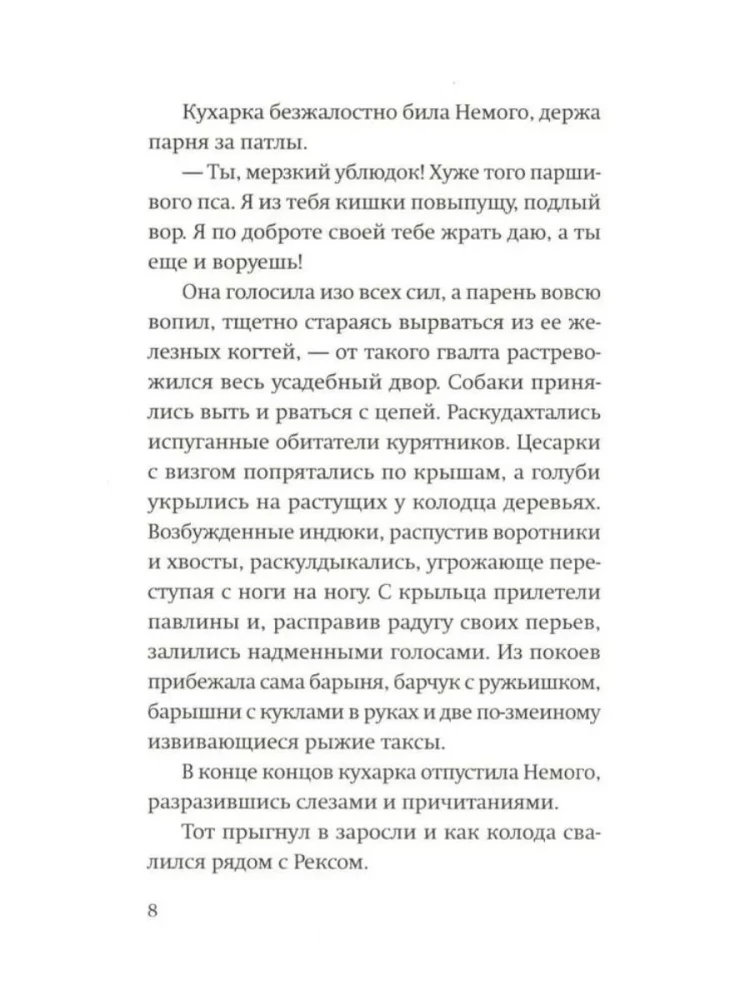
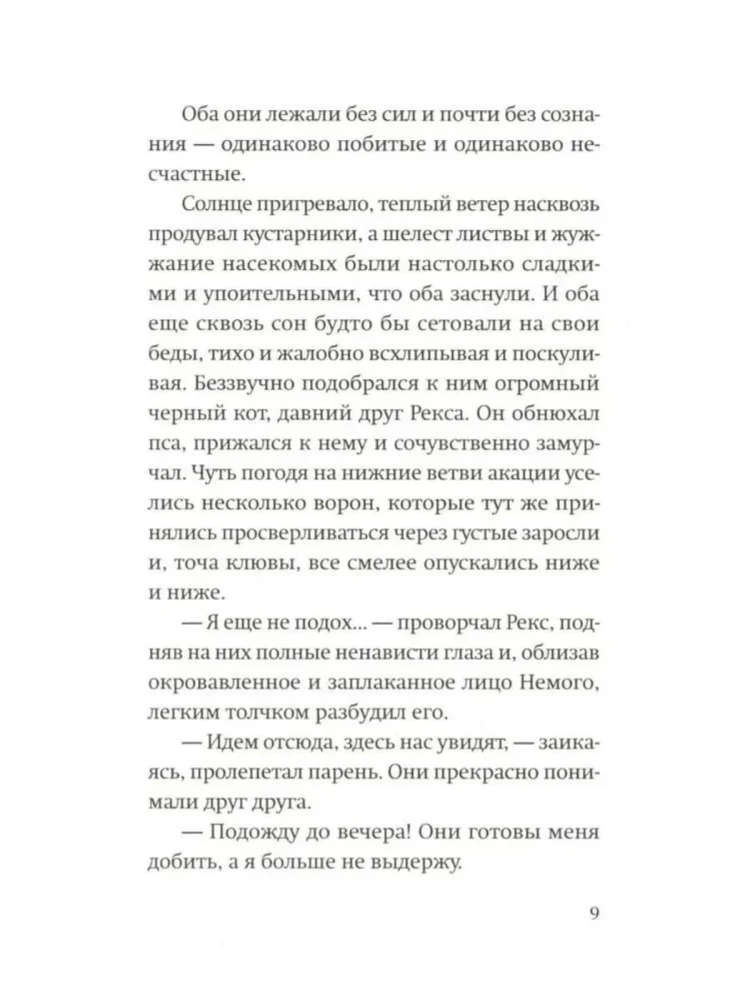
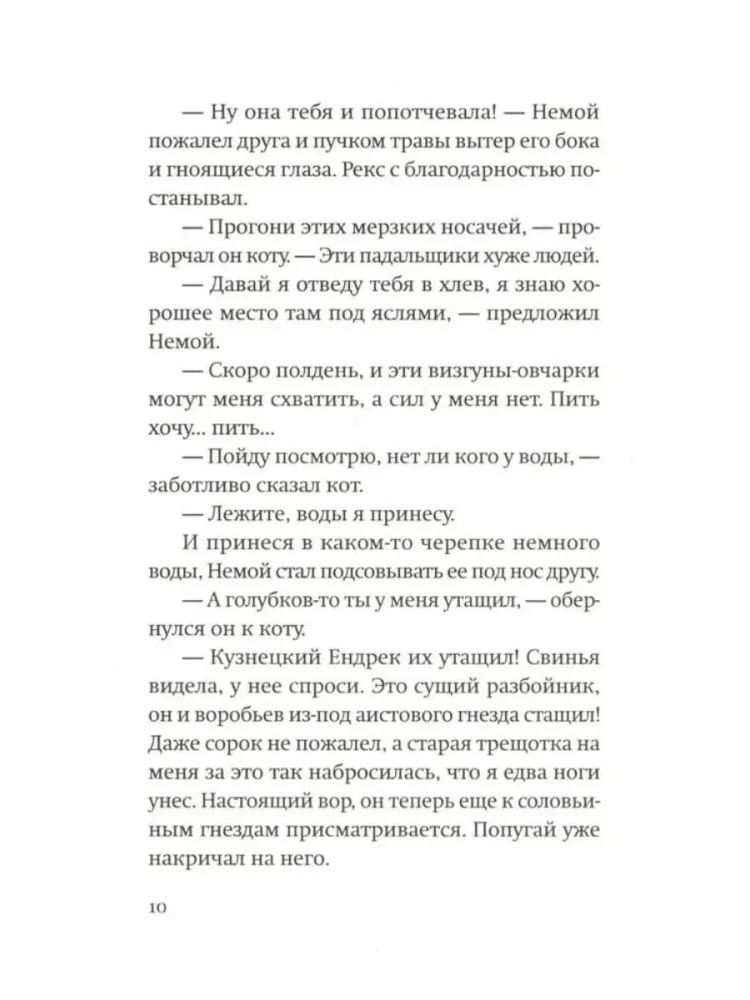
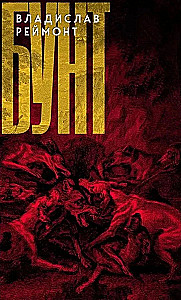
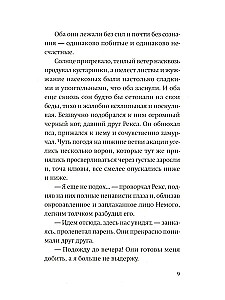
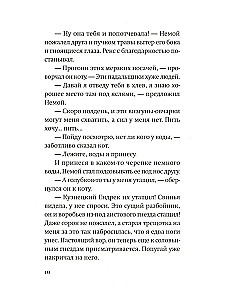
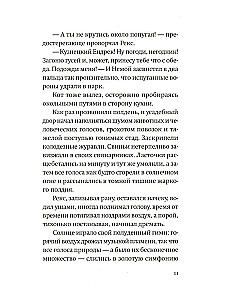
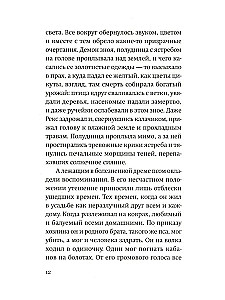
The rebellion against violence leads to relentless tyranny — this is one of the plots of the tale about the nature of power, written by Wladyslaw Reymont. Promising freedom and justice in the promised land and inciting the animals to...
a bloody rebellion, the dog Rex confronts them with a harsh reality where cruelty breeds cruelty. At the moment when there is no turning back and the strength of the led is waning, doubts penetrate the leader's heart, whether he really knows where he is leading those for whom he has taken responsibility. This satire on the revolution of 1917, published in 1924, is often compared to George Orwell's 'Animal Farm' (1945). The book was banned in Poland from 1945 to 1989 and was only republished in 2004. Wladyslaw Stanislaw Reymont (1867–1925) was a Polish writer and poet, a laureate of the Nobel Prize in Literature in 1924. Promising freedom and justice in the promised land and inciting the animals to a bloody rebellion, the dog Rex confronts them with a harsh reality where cruelty breeds cruelty. At the moment when there is no turning back and the strength of the led is waning, doubts penetrate the leader's heart, whether he really knows where he is leading those for whom he has taken responsibility. This satire on the revolution of 1917, published in 1924, is often compared to George Orwell's 'Animal Farm' (1945). The book was banned in Poland from 1945 to 1989 and was only republished in 2004. Wladyslaw Stanislaw Reymont (1867–1925) was a Polish writer and poet, a laureate of the Nobel Prize in Literature in 1924.
The rebellion against violence leads to relentless tyranny — this is one of the plots of the tale about the nature of power, written by Wladyslaw Reymont. Promising freedom and justice in the promised land and inciting the animals to a bloody rebellion, the dog Rex confronts them with a harsh reality where cruelty breeds cruelty. At the moment when there is no turning back and the strength of the led is waning, doubts penetrate the leader's heart, whether he really knows where he is leading those for whom he has taken responsibility. This satire on the revolution of 1917, published in 1924, is often compared to George Orwell's 'Animal Farm' (1945). The book was banned in Poland from 1945 to 1989 and was only republished in 2004. Wladyslaw Stanislaw Reymont (1867–1925) was a Polish writer and poet, a laureate of the Nobel Prize in Literature in 1924. Promising freedom and justice in the promised land and inciting the animals to a bloody rebellion, the dog Rex confronts them with a harsh reality where cruelty breeds cruelty. At the moment when there is no turning back and the strength of the led is waning, doubts penetrate the leader's heart, whether he really knows where he is leading those for whom he has taken responsibility. This satire on the revolution of 1917, published in 1924, is often compared to George Orwell's 'Animal Farm' (1945). The book was banned in Poland from 1945 to 1989 and was only republished in 2004. Wladyslaw Stanislaw Reymont (1867–1925) was a Polish writer and poet, a laureate of the Nobel Prize in Literature in 1924.

In stock
€ 9.99
Will be delivered to United States on 23 April (Th):
By courier
from
€ 38.94
In stock
€ 9.99
Will be delivered to United States on 23 April (Th):
Be the first to know about our current discounts, offers and new products!
Check icon
You have added to your basket
Check icon
You have added to favourites
Sold out
The item is currently out of stock.
In stock
Available in warehouse. You will receive the exact delivery date from the operator after the order confirmation.
To order
The product is delivered directly from the publisher. The order processing time is up to 14 days, you will receive the exact delivery date from the operator after the order confirmation.
No circulation
Unfortunately, the print run of the book has ended, it is currently unavailable for order.